
Your full-time work schedule creates the perfect foundation for successful puppy training through established routines and consistent daily patterns. You'll naturally incorporate training sessions into structured activities, while your professional time management skills help you maximise every interaction. Your work-life boundaries foster focused, quality training time, and your organisational abilities translate directly to effective training methods. Let's investigate how your career strengths make you an ideal puppy trainer.
Some key takeaways
- Full-time workers naturally establish structured routines, which makes puppy training more consistent and effective through regular daily schedules.
- Professional time management skills enable workers to maximise short training sessions and seamlessly integrate them into their daily activities.
- Dedicated working hours foster puppy independence while ensuring focused, quality training time during off-work periods.
- Workplace organisational and problem-solving abilities transfer directly to creating effective puppy training schedules and strategies.
- Regular work schedules set up predictable feeding, exercise, and training patterns that reinforce positive puppy behaviours.
Structured Routines Enhance Training Consistency
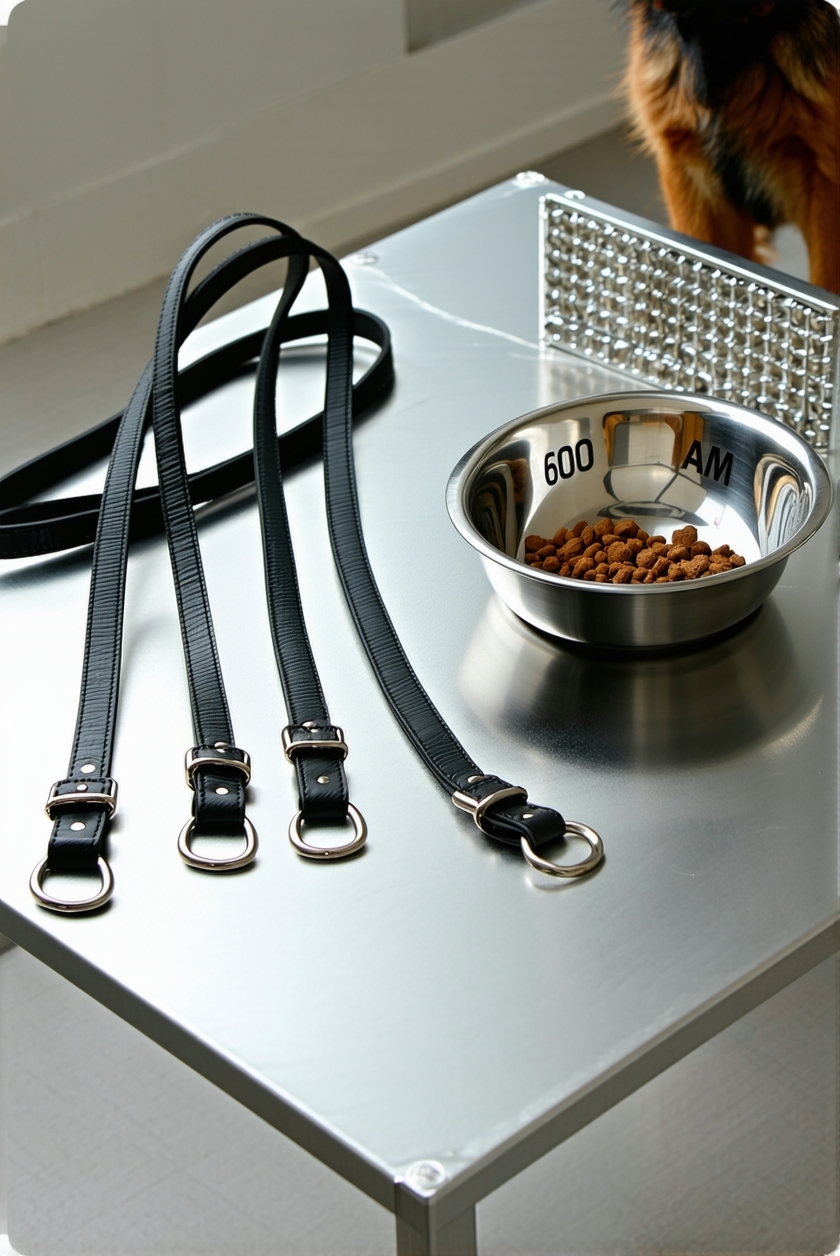
While juggling a full-time job and puppy training might seem daunting, establishing structured routines can turn this challenge into a manageable and rewarding experience.
You'll discover that your work schedule actually creates natural opportunities for consistent training sessions and daily activities with your pup.
Time Management Creates Focused Training Sessions
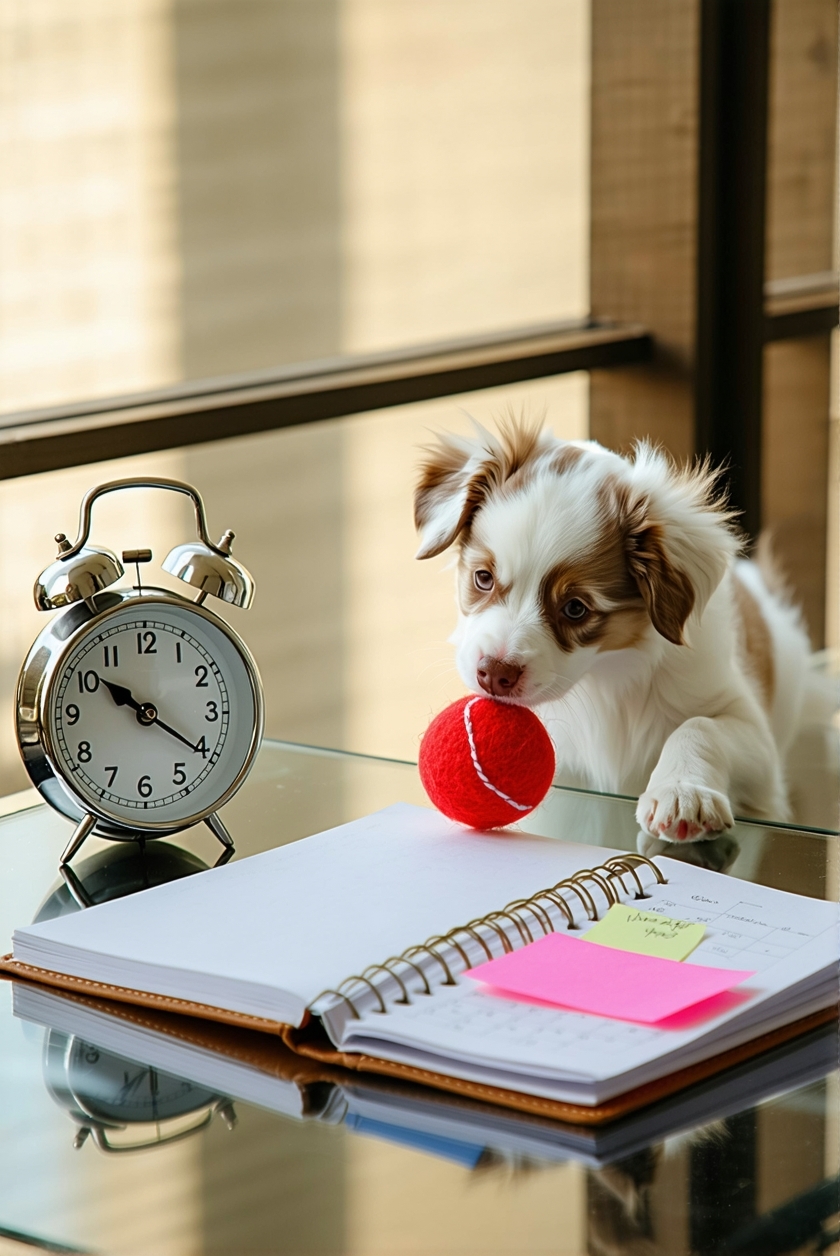
As a full-time worker, you'll find that effective time management transforms brief training opportunities into highly productive learning moments for your puppy.
Your structured schedules create natural windows for focused training sessions, allowing you to make the most of your limited time together.
You'll excel at prioritising critical training milestones by incorporating short, consistent sessions into your daily routine.
Whether it's practising "sit" during breakfast or working on lead manners before your evening walk, you're naturally positioned to use efficient training techniques.
By concentrating on essential commands through positive reinforcement, you're maximising every minute you spend with your puppy.
Your time constraints actually become an advantage, pushing you to maintain laser-focused training sessions that deliver clear, memorable lessons your puppy can easily understand and retain.
Work-Life Balance Drives Quality Bonding Time

Because your work schedule creates natural boundaries in your day, you'll find that dedicated puppy time becomes more intentional and meaningful.
As a full-time worker, you're uniquely positioned to develop structured routines that maximise quality bonding time with your puppy.
Your work-life balance naturally creates distinct periods for focused training sessions, allowing you to fully engage during evenings and weekends.
While you're away, your puppy develops independence, making your time together even more impactful.
You'll notice that establishing consistent training schedules around mealtimes and daily activities reinforces positive behaviours effectively.
By dedicating specific moments to mental stimulation and socialisation, you're building a deeper connection with your puppy.
The key is making every interaction count, transforming limited time into purposeful training opportunities that strengthen your bond.
Professional Skills Transfer to Puppy Training

The professional skills you've mastered in your career naturally extend to successful puppy training. Your organisational skills help you create structured routines that seamlessly blend training schedules with daily work commitments.
You'll find your time management expertise invaluable when balancing obedience training sessions, play periods, and potty breaks.
Your workplace communication skills empower you to clearly convey expectations and reinforce positive behaviours in your puppy. When challenges arise, you'll tap into your problem-solving abilities to adjust training approaches effectively.
Just as you track progress in your career, you can apply these same analytical skills to monitor your puppy's development. By setting clear goals and maintaining consistent training schedules, you're uniquely positioned to transform your professional competencies into powerful tools for raising a well-behaved companion.
Scheduled Activities Reinforce Behavioral Goals
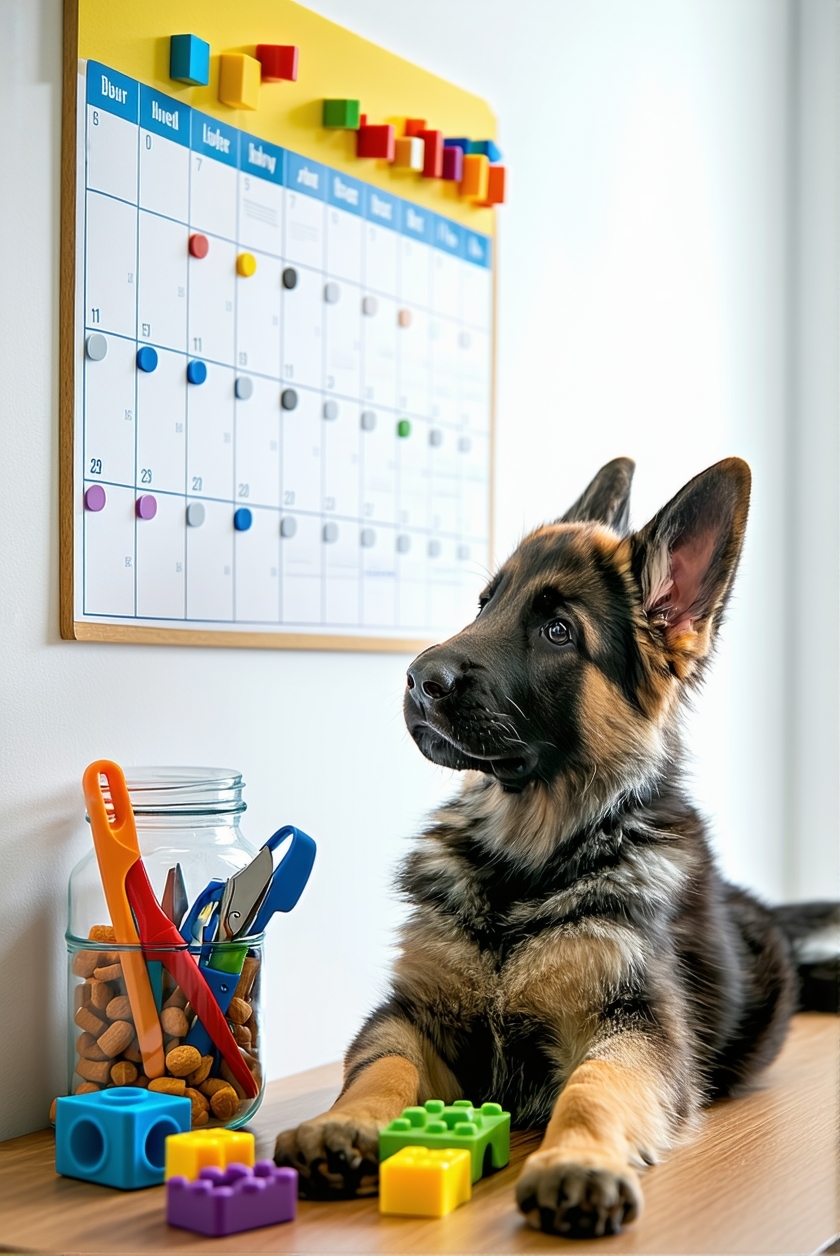
Incorporating structured activities into your daily routine lays a solid foundation for effective puppy training, even while managing a full-time job.
By establishing scheduled activities for feeding, potty breaks, and exercise, you'll notice your puppy naturally adapts to your work commitments. Regular training sessions during these daily routines reinforce positive behaviours and make the most of your limited time together.
- You'll take pride in watching your puppy master basic commands during structured activities, such as mealtime training.
- You'll feel joy as your furry friend gains confidence through regular socialisation opportunities.
- You'll treasure the special bond that deepens with each scheduled exercise session.
Frequently asked questions
What Is the 10 Minute Rule for Puppies?
The 10 Minute Rule is your secret weapon for successful puppy training.
You'll want to keep training sessions short and sweet – just 10 minutes or less – to match your pup's tiny attention span.
Don't worry if it seems brief; you're actually helping your puppy learn better this way!
Spread several mini-sessions throughout your day, mixing in plenty of play and rewards.
You'll find your puppy stays focused and enthusiastic to learn.
Should I Take off Work for a Puppy?
Yes, you should take time off work when bringing home a new puppy.
It's an essential investment in your pup's development and well-being. You'll want to dedicate those first few days (ideally 1-2 weeks) to establish routines, begin potty training, and create a strong bond.
Since puppies need breaks every few hours, being present helps prevent accidents and reduce anxiety.
This dedicated time together will set the foundation for a well-adjusted, happy companion.
Why Is It Easier to Train a Puppy?
You'll find puppy training easier because young dogs are like blank slates, eager to learn and naturally inclined to bond with you.
Their developing brains quickly absorb new information, making it the ideal time to establish good habits.
You'll appreciate how they're more adaptable and less likely to have ingrained bad behaviours compared to adult dogs.
Additionally, their natural desire to please you makes positive reinforcement particularly effective during these formative months.
Can a Puppy Be Left Alone for 8 Hours?
You shouldn't leave your puppy alone for 8 hours, as they need frequent potty breaks and emotional support.
Young puppies can only hold their bladder for their age in months plus one hour.
You'll want to arrange alternatives like a dog walker, pet sitter, or doggie daycare to ensure your pup's well-being.
If you're working full-time, consider having someone check in every 2-3 hours until your puppy is older and more independent.
To summarise
Your skills as a full-time worker make you uniquely qualified to excel at puppy training. You'll find that your daily routines, time management abilities, and work-life balance naturally support successful training outcomes. Just as you navigate professional challenges, you'll master puppy training milestones. Through dedication, structure, and consistency, you're building a strong foundation for a well-trained, happy companion who fits seamlessly into your busy lifestyle.