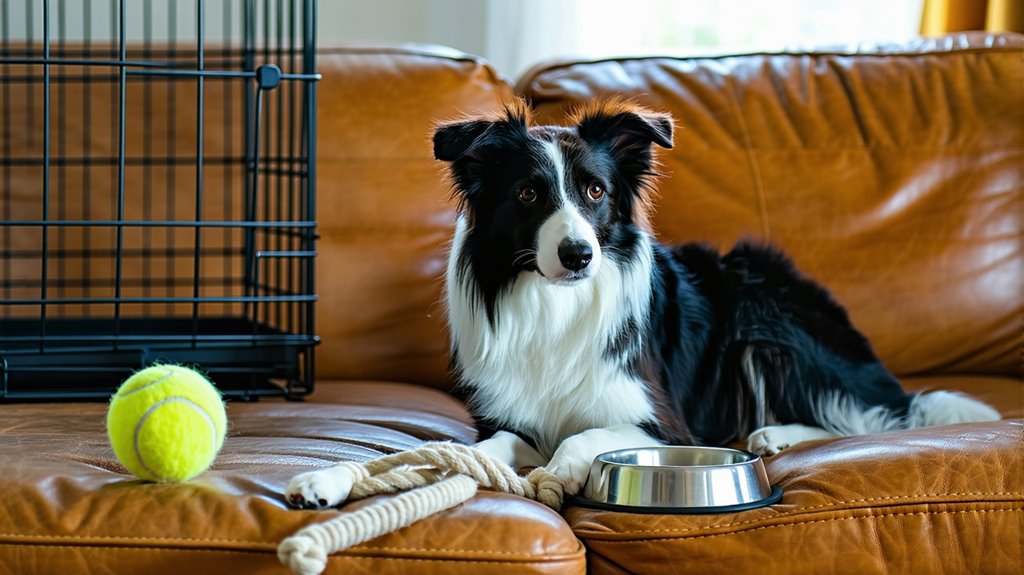
You don't need expensive equipment or professional classes to train your dog effectively. Simple household items like treats, toys, and cardboard boxes can become powerful training tools when paired with positive reinforcement techniques. Free online resources, including expert YouTube channels and community forums, provide valuable guidance and support. By establishing consistent routines and using creative DIY training games, you'll build a strong bond while teaching essential commands. Discover how everyday moments can transform into productive training opportunities without breaking the bank.
Some key takeaways
- Everyday household items can be transformed into effective training tools, eliminating the need for expensive equipment or specialised gear.
- Free online resources, YouTube channels, and community forums provide expert guidance and training techniques without subscription costs.
- DIY training games using basic items create engaging learning experiences whilst strengthening the owner-dog bond cost-effectively.
- Local animal shelters and community centres often offer affordable or free group training classes and workshops.
- Positive reinforcement can be achieved through simple rewards like treats, toys, and praise rather than costly training aids.
Essential DIY Training Tools You Already Own
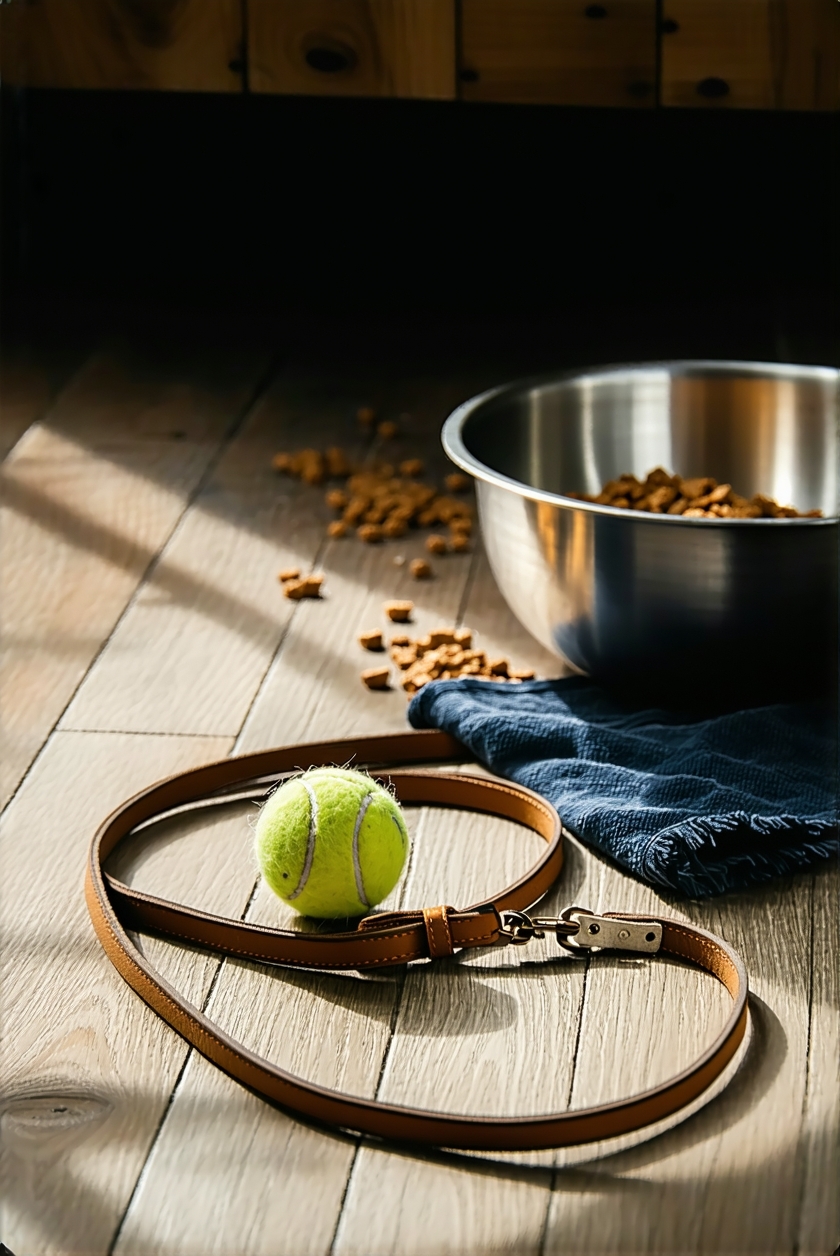
While many dog owners believe they need expensive equipment to train their pets effectively, your home already contains numerous tools for successful training.
You'll find that basic obedience can be achieved using everyday items like treats from your pantry, favourite toys, or even empty cardboard boxes that make excellent training props.
Professional dog trainers often recommend positive reinforcement techniques, which you can easily implement using a smartphone app or a simple clicker to mark desired behaviours.
When training your dog, your voice and hand signals serve as powerful communication tools that cost nothing but create lasting results.
Transform ordinary household items into engaging training games – a plastic bottle can become a puzzle toy, while cardboard boxes offer opportunities for nose work exercises.
These creative solutions provide both mental stimulation and effective training outcomes without straining your budget.
Free Online Resources Every Dog Owner Should Know

Building on your DIY training toolkit, the digital world opens up a treasure trove of free educational resources for dog owners.
You'll find extensive platforms like Brain Training For Dogs offering expert guidance with money-back guarantees, while YouTube channels feature certified trainers sharing positive reinforcement training techniques you can implement immediately.
Don't overlook the power of dog training forums and social media communities, where you'll connect with fellow pet parents facing similar challenges.
These platforms provide invaluable peer support and real-world solutions. You can access free guides, printable worksheets, and step-by-step tutorials addressing specific behavioural issues through dedicated training websites.
Whether you're tackling basic commands or complex behaviours, these online resources guarantee you're never alone in your training journey—all without spending a penny.
Building Trust Through Simple Daily Routines
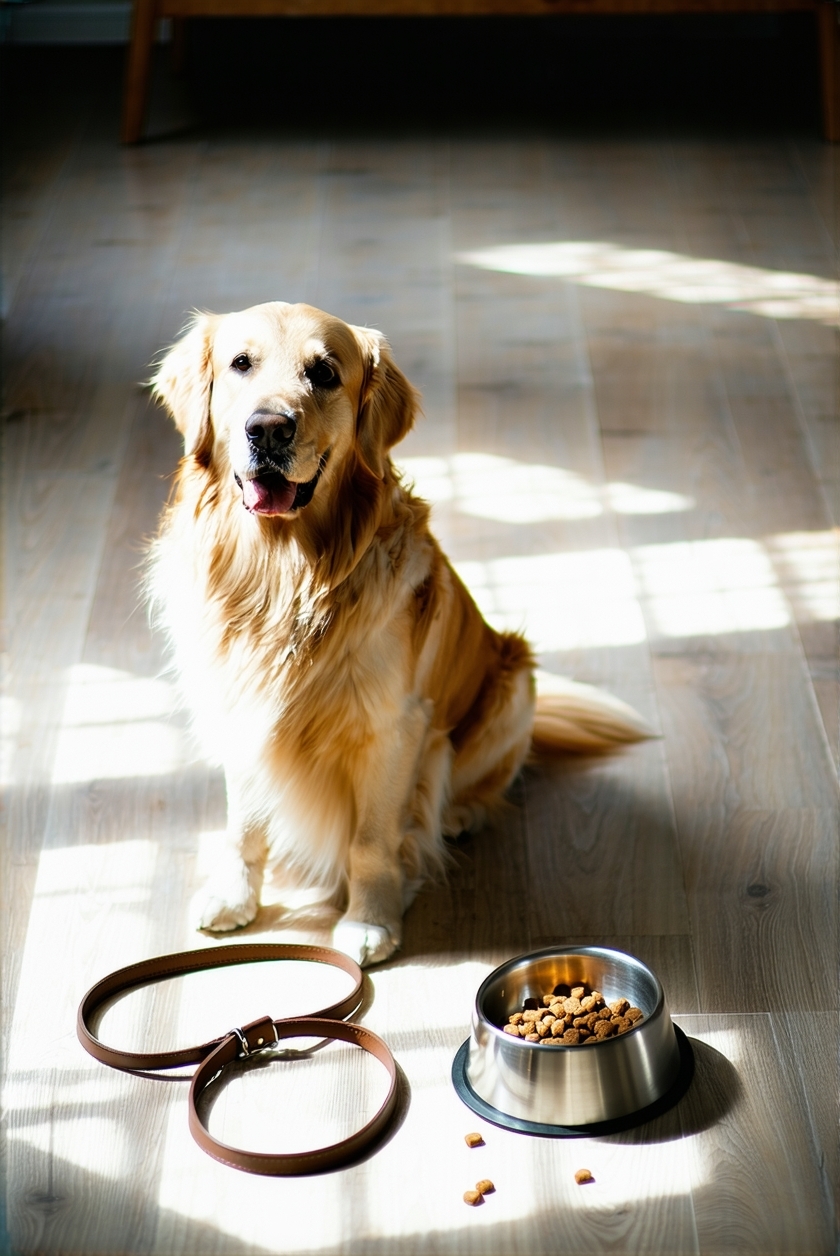
Transforming your dog's daily life into a structured learning experience starts with simple, consistent routines that won't strain your budget.
By establishing regular feeding times, walks, and play sessions, you're creating a framework for effective dog training that builds trust naturally.
You'll find that incorporating positive reinforcement into these daily routines becomes second nature.
Ask your dog to sit before meals or during walks, turning everyday moments into mini-training opportunities.
These 10-minute sessions help shape your dog's behaviour while strengthening your bond.
Cost-Effective Reward Systems That Work

A smart reward system doesn't have to empty your wallet. You'll find that cost-effective training can be just as effective using items you already have at home. Your dog's favourite toys, small treats, and enthusiastic praise can serve as perfect motivators in your training programme.
By establishing a flexible "Piloting Bank" approach, you're able to reward your dog's good behaviour in various situations without incurring additional costs. This positive reinforcement technique creates lasting results as your pup learns to associate following commands with enjoyable outcomes.
Connect with other dog owners in your community to share experiences and discover free training tips that work.
Maximizing Learning Through Household Activities
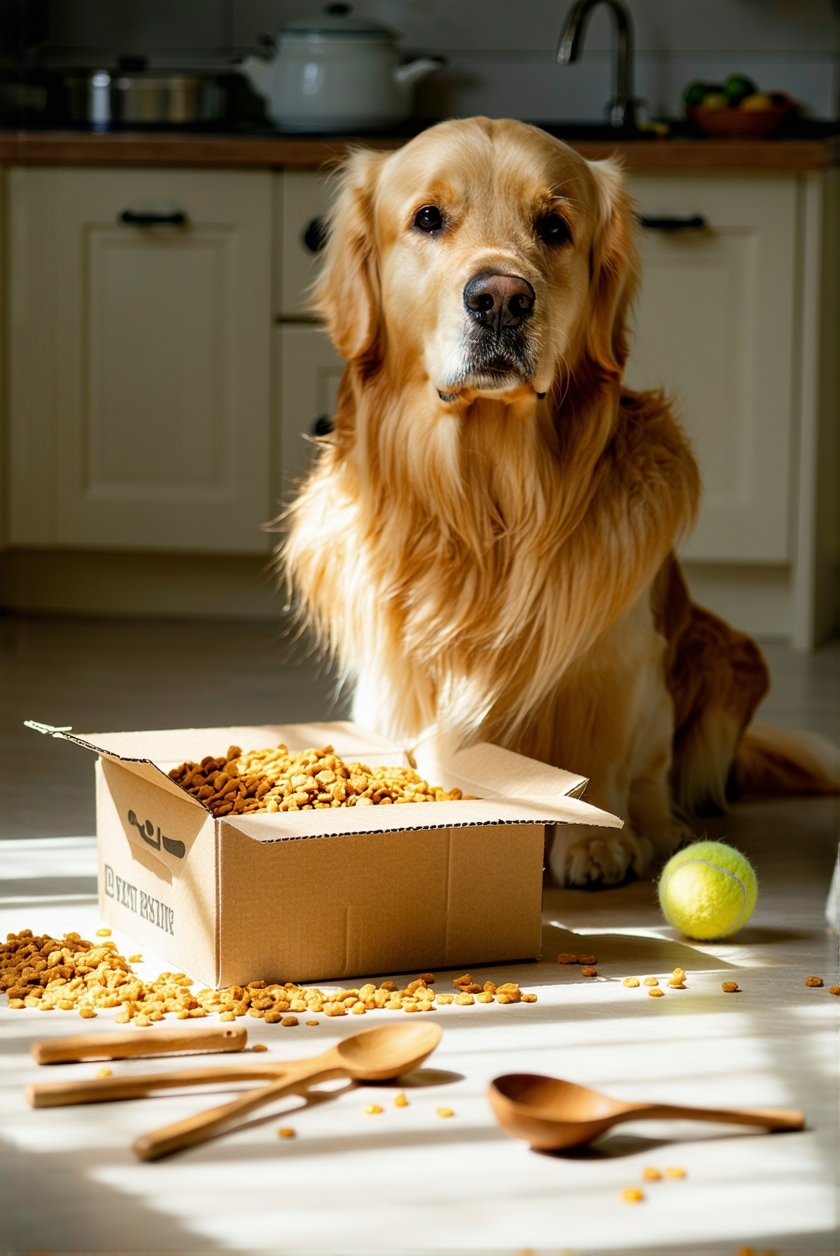
When incorporating dog training into your daily routine, household activities present countless opportunities for learning without spending extra time or money.
You'll find that simple tasks like cleaning, gardening, or cooking can become engaging training sessions that strengthen your bond with your dog.
Turn everyday chores into brain games by creating puzzle-like activities using household items, which helps develop your dog's cognitive skills through positive reinforcement.
While you're doing laundry or tidying up, practice basic commands like "sit" and "stay" to maintain an obedient dog.
You'll notice that including your furry friend in family activities naturally improves their social skills and behaviour.
Community-Based Training Opportunities
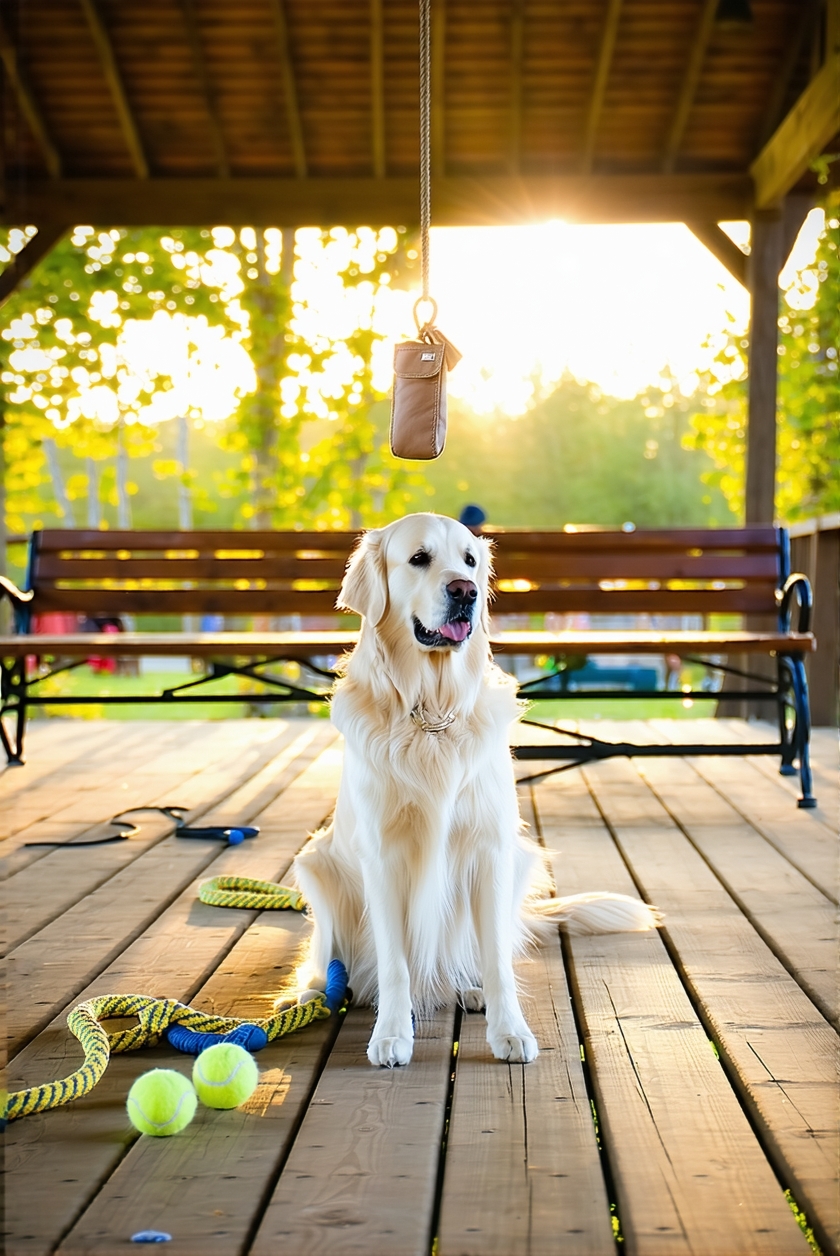
Discovering affordable training resources in your community can transform your dog's learning journey.
You'll find that community-based training opportunities often provide high-quality instruction without straining your finances. Local animal shelters and rescue organisations frequently host group training classes that combine skill-building with valuable social interactions for both you and your pup.
You can tap into a wealth of knowledge through online communities and social media groups, where fellow dog owners share proven training techniques and support.
Many community centres and parks offer affordable training sessions led by experienced volunteers who understand the challenges you're facing.
Smart Alternatives to Private Training Sessions

Private training sessions may seem like the gold standard, but savvy dog owners are discovering equally effective alternatives that won't break the bank.
Brain Training For Dogs offers a budget-friendly approach that delivers impressive results through positive reinforcement and mental stimulation.
You'll find these valuable features in this science-backed programme:
- Extensive video tutorials demonstrating effective training techniques
- Printable guides for easy reference during training sessions
- Access to a supportive community of fellow dog owners
- A risk-free 60-day money-back guarantee for your peace of mind
At a fraction of what you'd pay for private sessions, you're getting professional-grade training that engages your dog's mind while improving behaviour.
This innovative approach proves that quality training doesn't require spending hundreds of pounds on private sessions – you just need the right tools and guidance.
Natural Ways to Reinforce Good Behavior
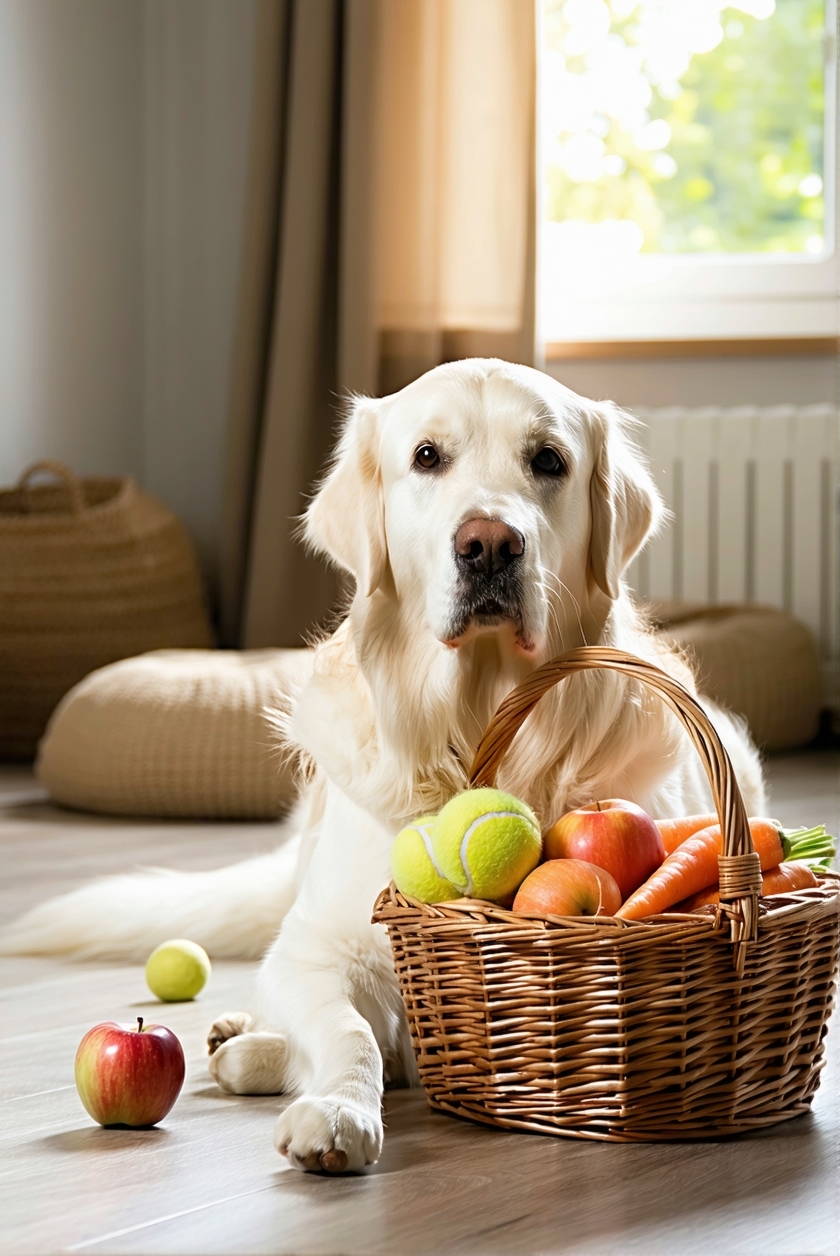
As dogs naturally seek approval and connection, you can harness these instincts to reinforce good behaviour without spending a penny. By using positive reinforcement techniques like enthusiastic praise and affectionate petting, you'll strengthen your bond while encouraging desired behaviours.
You can easily incorporate mentally stimulating activities into your daily routine to keep your furry friend engaged and well-behaved. Create a "Piloting Bank" to track and celebrate your dog's successes, making training feel more like a rewarding game than a chore.
Remember to reward good behaviour immediately – whether it's with a favourite toy, an exciting play session, or simply your undivided attention. These natural rewards are incredibly effective because they tap into your dog's inherent desire for interaction and fun, making the learning process both enjoyable and meaningful.
Time-Tested Training Methods Without Equipment
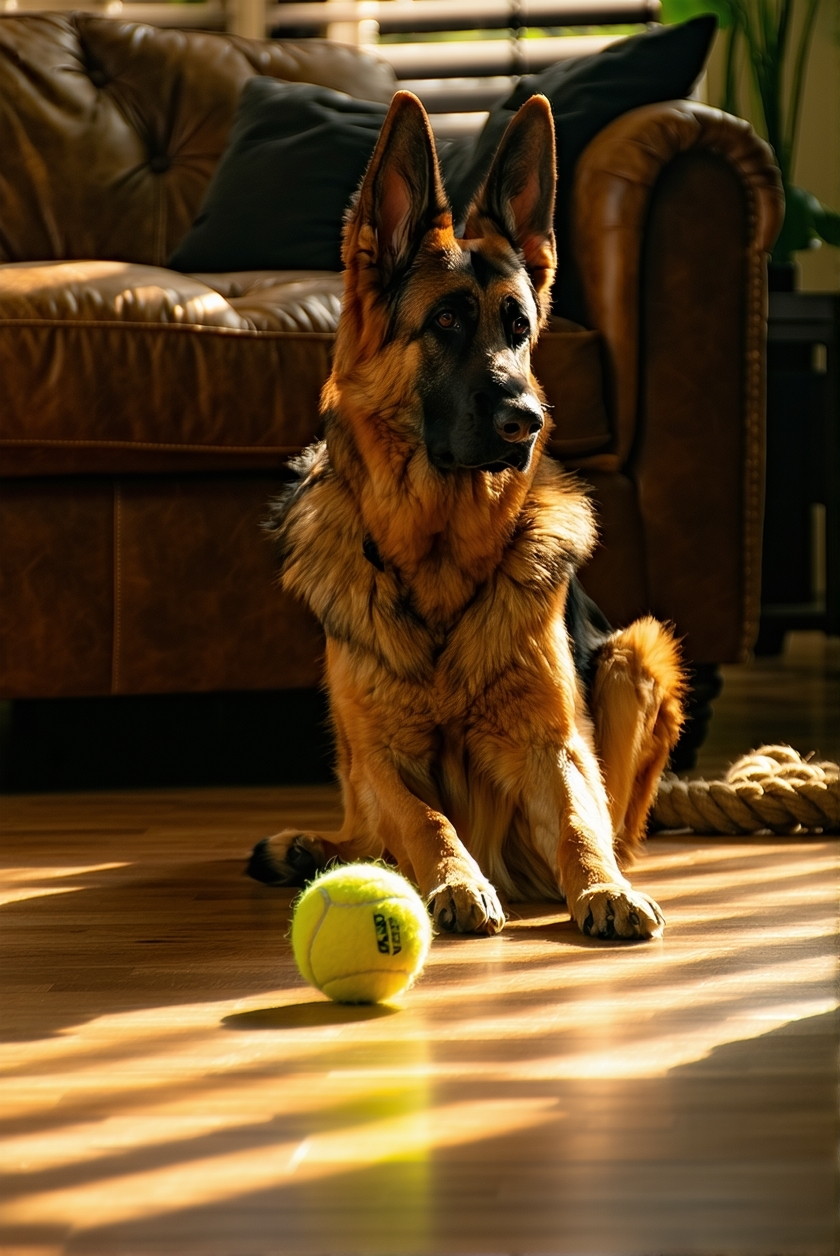
Three core training methods have consistently proven effective without requiring any special equipment: verbal commands, hand signals, and body positioning.
Professional trainers have long relied on these fundamental techniques as they tap into your dog's natural ability to learn through positive reinforcement.
You'll find success using these time-tested approaches:
- Create clear, consistent verbal cues that your dog can easily recognise and remember.
- Use deliberate hand movements to guide your trained dog's actions.
- Position your body to naturally direct your dog's attention and movement.
- Reward desired behaviours with praise and treats you already have at home.
These methods work because they build upon your dog's instinctive desire to please and communicate with you.
You'll discover that the most effective training often requires nothing more than your presence, patience, and commitment.
Creating Your Own Training Games and Exercises
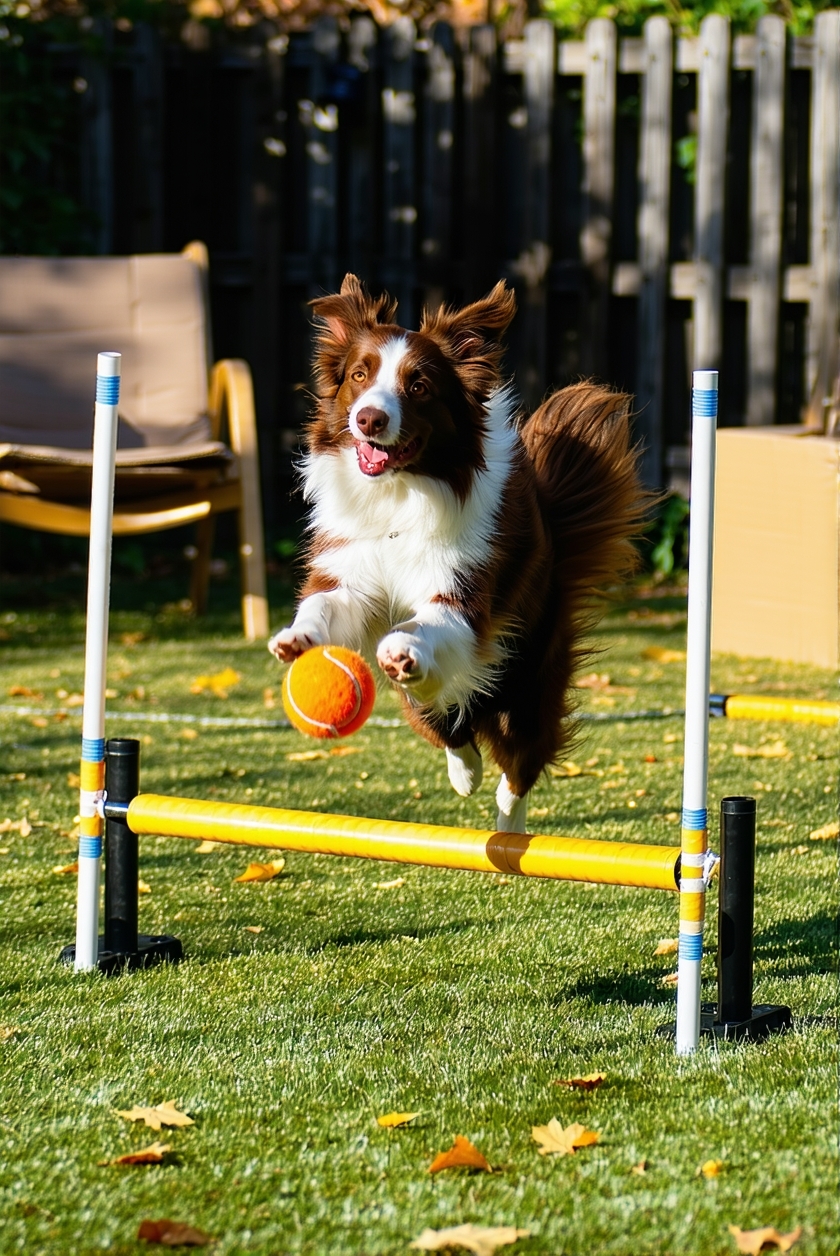
While professional training classes can be valuable, designing your own training games at home offers an equally effective and budget-friendly approach to developing your dog's skills.
You'll find that creating your own training games can be as simple as incorporating basic commands into playtime or setting up treat-finding missions around your home.
Start with positive reinforcement by hiding treats in different rooms, encouraging your dog to use their natural problem-solving abilities.
Mix in basic obedience commands during fetch or tug-of-war sessions to maintain engagement while reinforcing good behaviour.
DIY training exercises, like homemade agility courses using household items, provide both physical activity and mental stimulation.
You can even tap into online communities for fresh ideas and support, ensuring you'll never run out of creative ways to keep your furry friend learning and growing.
Frequently asked questions
What Is the Number One Rule in Dog Training?
The number one rule in dog training is positive reinforcement.
You'll want to focus on rewarding your furry friend's good behaviours rather than punishing unwanted ones. When you praise, treat, or show excitement for your dog's desired actions, you're strengthening those behaviours while building trust and confidence.
Think of it as celebrating your pup's successes – this approach creates a happy, willing learner who's enthusiastic to please you.
Why Is It Difficult to Teach a Dog Not to Chase?
You've probably noticed how your dog's eyes light up when they spot something moving – that's their prey drive in action!
It's challenging to teach dogs not to chase because you're fundamentally asking them to override an instinct that's deeply wired into their DNA.
Think of it like asking yourself not to blink when something flies towards your face.
Your dog's natural impulses, developed over thousands of years of evolution, make chase behaviour particularly resistant to modification.
What Is the Hardest Thing to Train a Dog to Do?
Most dog trainers agree that achieving a reliable recall (coming when called) in highly distracting environments is the most challenging skill to teach.
When you're working on this, you'll find that it requires building an exceptionally strong bond with your dog and competing with powerful environmental stimuli.
Your pup needs to choose you over exciting alternatives like other dogs, wildlife, or interesting smells – that's why it takes consistent practice and positive reinforcement.
Does Obedience Training Help With Biting?
Positive, proactive obedience training certainly helps with biting.
You'll find it's one of the most effective ways to curb your pup's nipping habits. Through consistent training, you're teaching your furry friend impulse control and proper social behaviour.
Studies show that trained dogs are notably less likely to bite, as they've learned to manage their reactions.
When you start early, you'll help your dog develop better communication skills and strengthen your bond together.
To summarise
Effective dog training is well within your reach, regardless of your budget. Studies indicate that dogs trained using positive reinforcement methods are 50% more likely to retain commands in the long term. You possess everything you need to get started: your time, attention, and everyday items found around your home. By implementing these cost-effective strategies and maintaining consistency, you'll strengthen your bond with your dog while saving money on expensive training programmes.