You can train your dog effectively without breaking the bank using smart, budget-friendly techniques. Transform household items into engaging toys, utilise free online resources like YouTube tutorials and Facebook groups, and incorporate training into daily routines. Keep sessions short (5-15 minutes) with immediate rewards, and celebrate small victories using simple treats like pieces of chicken. Create DIY agility courses from PVC pipes and boxes for physical exercise. These proven hacks will open up a world of training possibilities.
Some key takeaways
- Use household items like old t-shirts and cardboard boxes to create free training toys and agility equipment.
- Access free training resources through YouTube videos, Facebook groups, and reputable websites for expert guidance.
- Keep training sessions short (5-15 minutes) and integrate them into daily routines to maximise efficiency.
- Replace expensive treats with simple rewards like pieces of chicken or vegetables during training sessions.
- Create DIY puzzle toys from plastic bottles and cardboard tubes to provide mental stimulation without costly purchases.
Utilising Free Online Training Resources and Communities

Looking to enhance your dog training skills without spending a fortune? You’ll discover a treasure trove of free resources at your disposal.
YouTube is your primary platform, featuring countless high-quality training videos that span everything from basic manners to advanced tricks.
Engage with fellow dog enthusiasts and seasoned trainers through Facebook groups dedicated to dog training. These communities offer invaluable support, practical advice, and real-world solutions to common training challenges.
Don’t forget to check out free downloadable guides and articles from reputable websites that can enrich your training toolkit.
Many local trainers also organise complimentary workshops where you can gain hands-on experience and expert insights.
Creating DIY Training Tools From Household Items
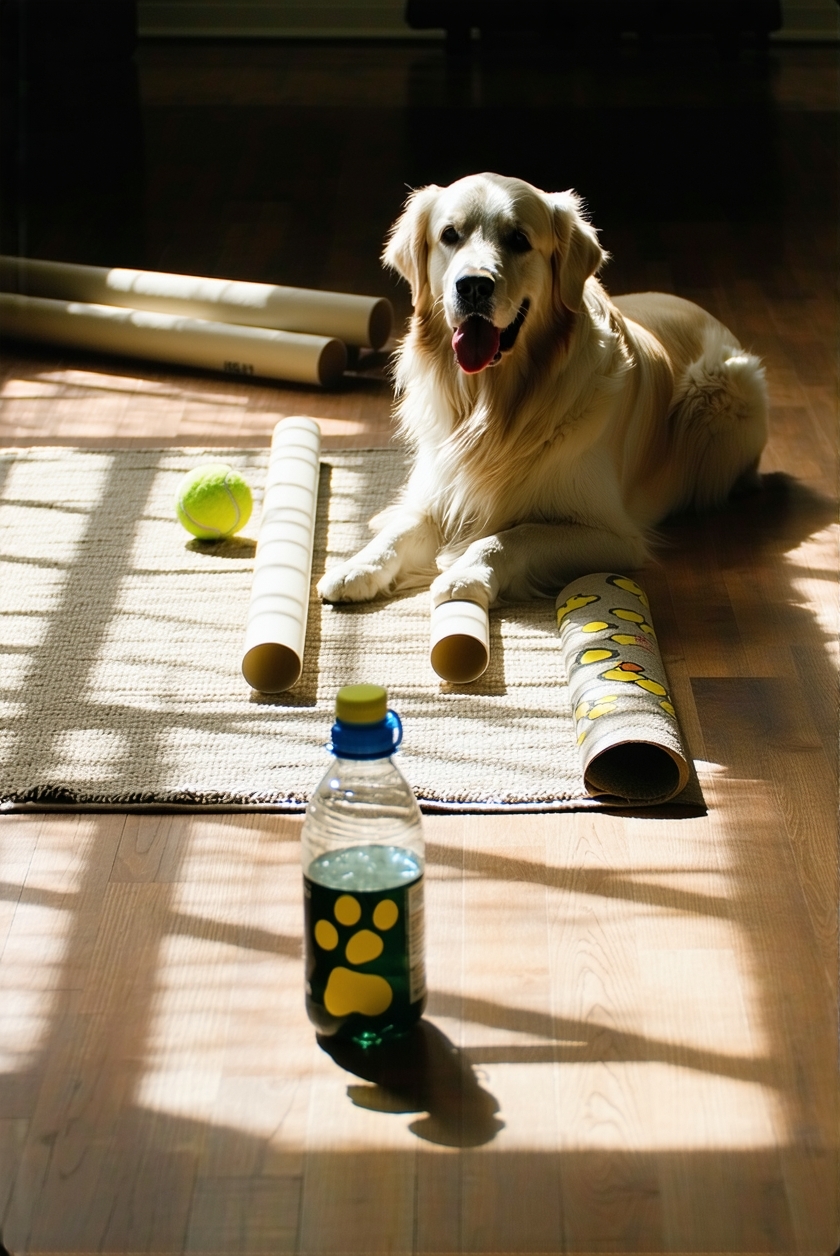
Three simple household items can be transformed into engaging training tools without spending a penny.
Turn your old t-shirts into durable tug toys by cutting and braiding strips together, creating the perfect reward for training sessions.
Empty toilet roll tubes become treasure hunts when you hide treats inside, teaching your dog problem-solving skills while reinforcing positive behaviours.
Want to challenge your pup’s mind? Convert a plastic bottle into an exciting puzzle toy by making treat-sized holes – this keeps your dog mentally stimulated during training breaks.
Take it further by setting up a home agility course using PVC pipes for jumps and cardboard boxes for obstacles.
These DIY tools not only save money but also strengthen your bond as you work together through each training exercise.
Mastering the Art of Reward-Based Training

While DIY tools enhance your training setup, the real magic lies in how you utilise them with your dog. Reward-based training fosters a strong bond while teaching essential behaviours through positive reinforcement.
Keep your sessions brief, lasting between 5-15 minutes, and always reward immediately when your pup gets it right.
You’ll be amazed at how well your dog responds when you:
- Show genuine excitement when they succeed
- Make training feel like a fun game that you both enjoy
- Use their favourite treats to celebrate small victories
- Remain patient and consistent with your rewards
Don’t fret about costly treats – simple bits of chicken or vegetables work wonderfully.
As your furry friend masters each skill, gradually increase the challenge while maintaining that positive energy.
Remember to use clear verbal cues or a clicker to mark successful behaviours, ensuring communication is crystal clear.
Building a Home Training Circuit for Agility

Creating your own agility circuit at home doesn’t require expensive equipment or a massive garden. With everyday household items, you’ll discover endless possibilities: transform broomsticks into jumps, hula hoops into tunnels, and chairs into weave poles.
Start by exploring online tutorials to master proper setup techniques, ensuring your dog’s safety and engagement. Mix different surfaces like carpet, grass, or sand to build your dog’s adaptability and confidence.
Keep training sessions short but impactful, aiming for 10-15 minutes of focused practice. As your dog progresses, gradually introduce new challenges to maintain their enthusiasm. You might add tighter turns, combine obstacles, or increase the distance between elements.
Remember to celebrate each small victory – your dog’s growing skills and the special bond you’re building through these engaging training sessions.
Implementing Food Puzzle Games for Mental Stimulation
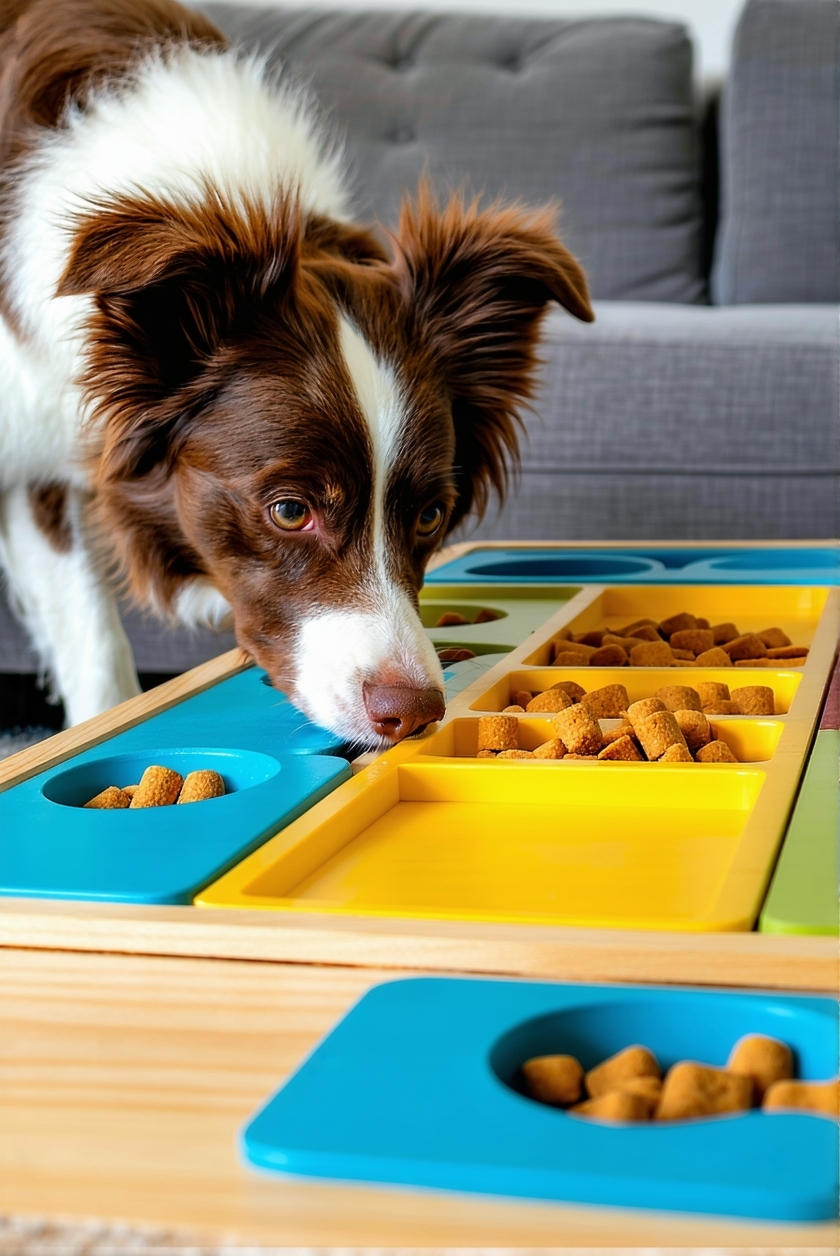
Looking to enhance your dog’s mental fitness? Food puzzle games are a fantastic way to keep your furry friend mentally sharp while saving money on expensive training tools. By challenging your pup to work for their treats, you’ll provide enriching entertainment that reduces boredom and prevents destructive behaviours.
- Watch your dog’s eyes light up as they solve each puzzle challenge
- Feel proud as your companion develops problem-solving skills
- Experience joy when your dog stays happily occupied for hours
- Bond with your pet while creating DIY puzzles together
Turn mealtime into brain training by using food puzzles to slow down fast eaters. You can easily make your own puzzles using household items like muffin tins and tennis balls.
This cost-effective approach delivers professional-quality mental stimulation while strengthening your connection with your four-legged friend.
Establishing Group Training Sessions With Other Dog Owners
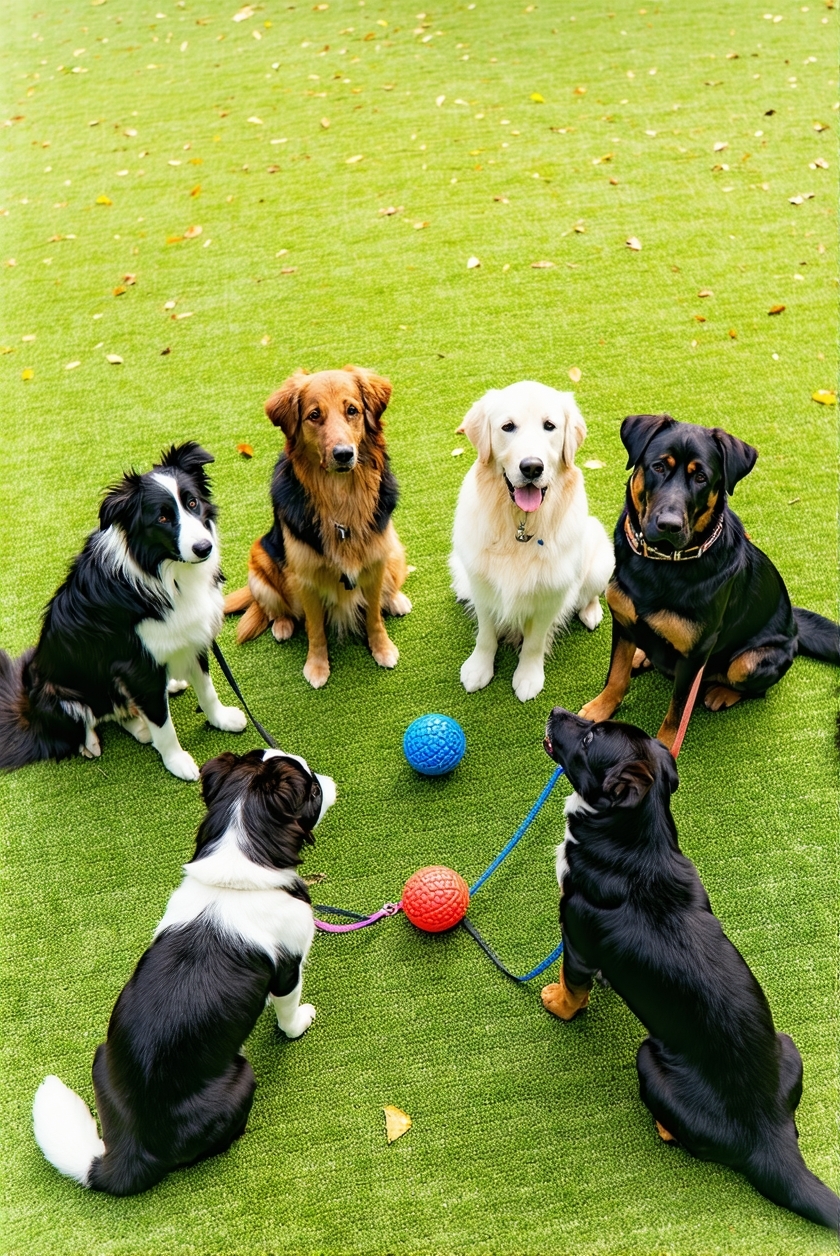
Training your dog need not be an expensive endeavour when you collaborate with other pet owners for group sessions.
You’ll find that trainers frequently offer group rates that are significantly lower than private lessons, thus making professional guidance more affordable for everyone involved.
Maximizing Daily Walks as Training Opportunities
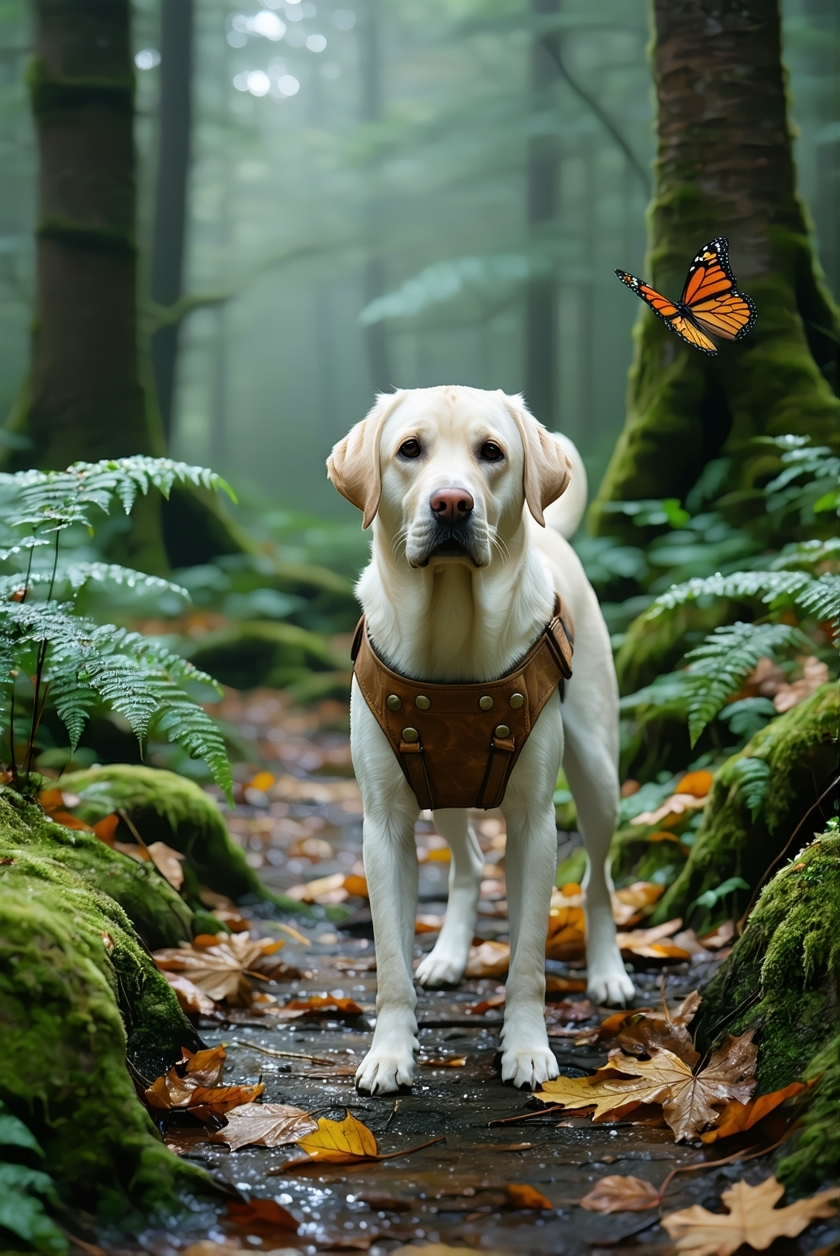
Daily walks provide an excellent opportunity to merge exercise with purposeful training sessions, allowing you to make the most of the time you already spend with your dog.
By varying your routes and introducing a bit of structure, you can transform routine outings into engaging learning experiences.
- Watch your pup’s tail wag with excitement as they master “sit” and “stay” commands in new surroundings.
- See their confidence flourish as they navigate past distractions and other dogs.
- Feel the bond strengthen as you work together on “go find it” games during your walks.
- Share in their joy of discovery when exploring different paths and neighbourhoods.
Transform each walk into an adventure by incorporating training commands, scent work, and environmental challenges.
These simple additions make walks more enriching while reinforcing positive behaviours—all without spending extra time or money.
Developing Multi-Purpose Training Games
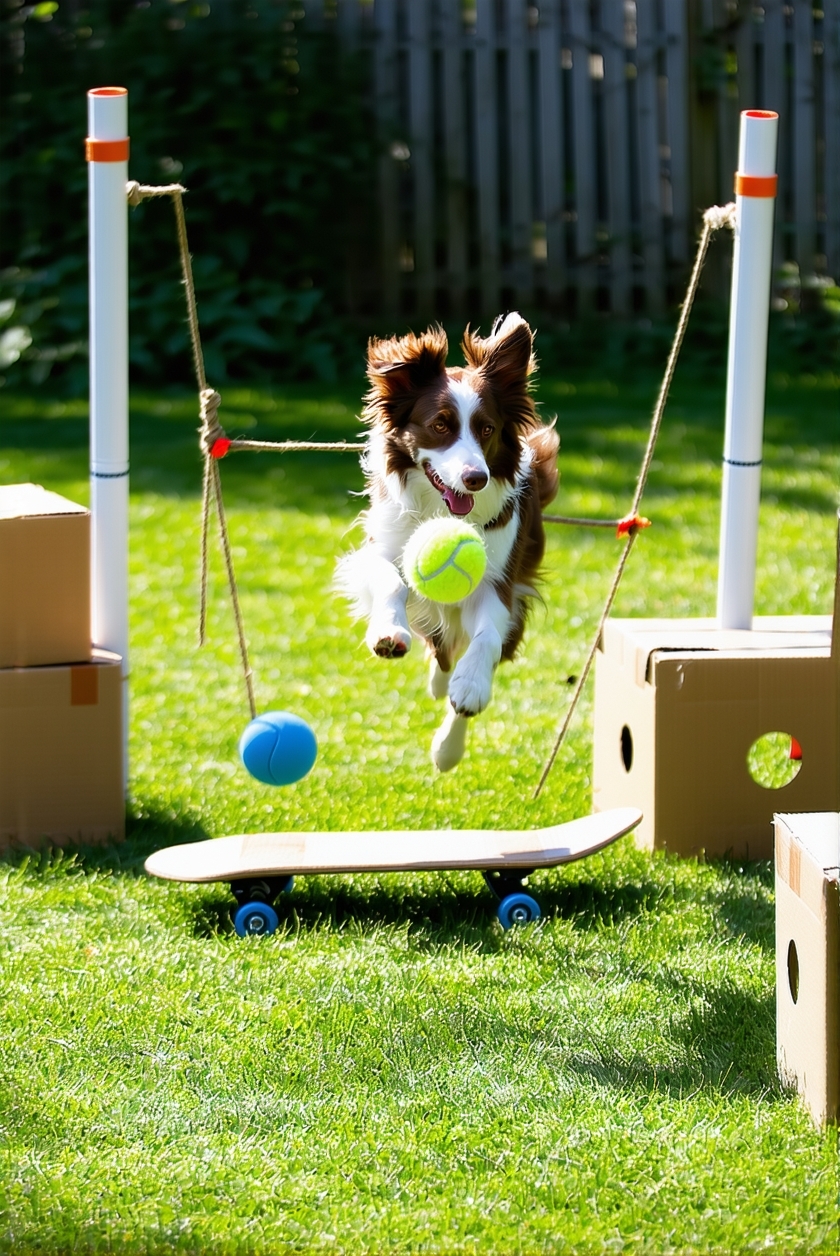
Every engaging training game can serve multiple purposes, making it an efficient way to develop your dog’s physical and mental abilities simultaneously.
Transform your living space into an enriching training ground by creating a “Go Find It” game, which combines scent work with basic training commands. Hide treats throughout your home and guide your dog to discover them, strengthening their problem-solving skills and reinforcing obedience.
Turn everyday items into interactive training tools by crafting DIY puzzle toys or setting up a simple obstacle course. You’ll save money while keeping your pup mentally sharp.
During these activities, incorporate training commands like “sit,” “stay,” or “wait” before allowing your dog to engage with the reward. This approach creates a perfect balance of fun and learning, helping your dog associate training with positive experiences.
Leveraging Social Media for Training Tips and Support
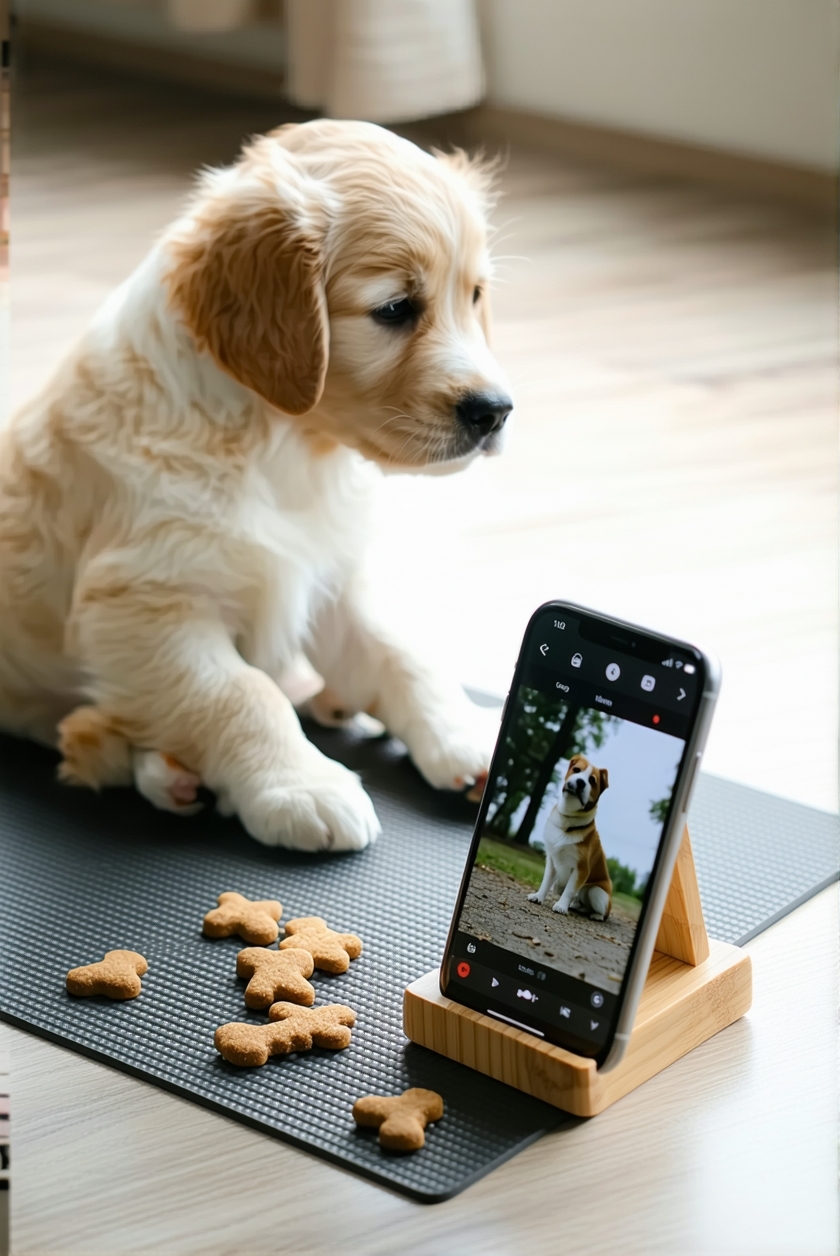
How can you harness the power of social media to enhance your dog’s training journey? By tapping into platforms like Facebook, YouTube, and Instagram, you’ll discover a treasure trove of training resources and a supportive community ready to help you succeed.
Social media connects you with experienced trainers and fellow pet parents who understand your challenges.
- Join Facebook groups where you’ll find instant support and encouragement from people who’ve overcome similar training hurdles.
- Watch professional YouTube tutorials that break down complex training concepts into easy-to-follow steps.
- Participate in live Q&A sessions with expert trainers who can address your specific concerns.
- Follow Instagram trainers who share daily tips and creative training methods you can try at home.
Best of all, these social media resources are typically free, helping you become a better trainer while keeping your budget intact.
Maintaining Training Progress Through Simple Daily Routines

Successfully maintaining your dog’s training progress doesn’t require lengthy, complex sessions – instead, the key lies in weaving simple training moments throughout your everyday routines.
You’ll find countless opportunities to reinforce commands during regular activities, from mealtimes to walks.
Make the most of your dog’s natural enthusiasm by incorporating 5-15 minute training bursts into your daily schedule. Use puzzle toys and scent games to keep their mind sharp, and don’t forget to celebrate every small victory with treats or praise.
These brief but consistent interactions help strengthen your bond while maintaining training progress.
Remember to assess your dog’s development regularly and adjust your approach when needed.
Frequently asked questions
What Is the 10 Minute Rule for Puppies?
The 10 Minute Rule means you’ll keep your puppy’s training sessions short and sweet – just 5 to 10 minutes at most.
Your pup’s attention span is akin to that of a tiny goldfish, so you’ll achieve better results with brief, focused sessions spread throughout the day.
It’s important to make each session enjoyable and positive, using treats and praise to keep your little one engaged.
It’s all about working with your puppy’s natural learning style and ensuring that the experience remains fun.
What Is the 5 Second Rule in Dog Training?
Ever wondered why timing is everything in dog training? The 5 Second Rule is your golden ticket to success.
When you give your dog a command, wait five seconds for their response. If they don’t comply, don’t repeat the command – instead, guide them into the desired behaviour and reward them immediately.
This approach helps your pup understand commands clearly, prevents confusion, and builds a stronger bond between you and your furry friend.
How Do I Train My Dog on a Budget?
You can effectively train your dog on a budget by utilising free online resources such as YouTube tutorials and dog training blogs.
Begin by joining local Facebook groups where you can connect with experienced dog owners who share valuable tips.
Make your own training toys using household items, and incorporate training into daily activities like walks.
Remember to keep sessions short (5-15 minutes) to maintain your pup’s interest and maximise your training time.
What Is the 3 Second Rule for Puppies?
The 3 Second Rule for puppies is your key to successful training – it’s all about timing!
When you give your pup a command, you’ll need to reward or correct their response within three seconds.
Think of it as your puppy’s learning window; after those precious seconds pass, they won’t connect their action with your response.
You’ll want to keep treats handy and stay focused on your pup’s behaviour to make the most of these quick-learning moments.
Pulling things together
Purposefully practising these penny-wise pointers will help you become a better trainer while building a stronger bond with your beloved companion. You’ll discover that dedicated dog training doesn’t demand deep pockets – just diligence, devotion, and daily dedication. By implementing these innovative ideas, you’re investing in your pup’s potential without breaking the bank. Remember, remarkable results come from consistent, compassionate training techniques.