
Before welcoming your first dog, you’ll need to shift your mindset in several key ways. Accept that your dog will have unique quirks and personality traits that won’t always match your expectations. Understand that dogs aren’t small humans – they communicate and behave differently. Commit to consistent exercise, training, and enrichment activities. Embrace the natural learning curve and adjust your schedule around their needs. These mental preparations will set the foundation for a rewarding journey together.
Some key takeaways
- Accept that dogs possess unique personalities and quirks that may not align with your initial expectations.
- Understand that training requires significant time and patience, with progress unfolding gradually over several months.
- Commit to daily exercise and enrichment activities, necessitating at least 90 minutes of dedicated time.
- Recognise that natural dog behaviours such as barking and digging are normal, not indicators of misbehaviour.
- Prepare to adjust your lifestyle and schedule around your dog’s needs rather than anticipating the opposite.
Accepting Your Dog’s Unique Personality and Quirks

Just as humans have distinct personalities, your future dog will come with their own unique set of traits, behaviours, and quirks that make them who they are. Understanding this fundamental truth before getting a puppy or dog will help you develop realistic expectations and deeper acceptance of their individuality.
Your dog’s personality will be shaped by their breed characteristics, early experiences, and natural temperament. They might love digging in the garden, bark at specific sounds, or have particular ways of showing affection.
Rather than fighting against these quirks, embrace them as part of your dog’s unique character. This acceptance will make training more effective since you’ll be working with their natural tendencies rather than against them.
Moving From Human Expectations to Dog Reality

While many new dog owners envision their future companion acting like a small human in a furry coat, understanding and accepting your dog’s natural behaviours will lead to a healthier relationship.
Your dog’s instincts to bark, dig, or chew aren’t misbehaviours – they’re essential parts of their nature that you’ll need to work with rather than against.
Remember that training takes time and patience, and your dog’s individuality will shape how they respond to different approaches.
Instead of feeling frustration when your expectations aren’t met, focus on building a bond by embracing their unique personality.
You’ll find that shifting from human-centred expectations to understanding your dog’s genuine needs creates a more authentic connection.
When you accept your dog for who they are, behavioural challenges become opportunities for growth rather than sources of disappointment.
Embracing the Learning Curve of Training

Training your new dog comes with a natural learning curve that affects both you and your four-legged friend. Just as you’ll need time to learn effective training methods, your new puppy needs patience to understand what you’re asking.
Remember, every interaction becomes a teaching moment within your daily routine.
You’ll discover that positive reinforcement builds trust and creates lasting results. When you reward good behaviour with treats and praise, you help your puppy understand what’s expected.
Don’t get discouraged if progress seems slow – forming new habits takes time for both of you. If you’re feeling overwhelmed, seek guidance from certified trainers who can show you the ropes.
They’ll help you develop the skills to navigate common behaviours like barking and chewing while maintaining a positive training environment.
Prioritizing Daily Exercise and Enrichment

Before bringing a dog into your home, you’ll need to commit to providing regular exercise and enrichment activities that go beyond basic walks around the block.
Make sure you’re ready to dedicate at least 90 minutes daily to your new dog’s physical activity, especially in urban settings where natural behaviours might be limited.
Your daily exercise routine should include off-leash activities, interactive play, and mental stimulation through puzzle toys or training classes.
It’s essential to establish a consistent schedule during the first few months; this helps your dog feel secure and prevents destructive behaviours.
Remember, a well-exercised dog is typically a well-behaved one.
Redefining Your Schedule Around Dog Care
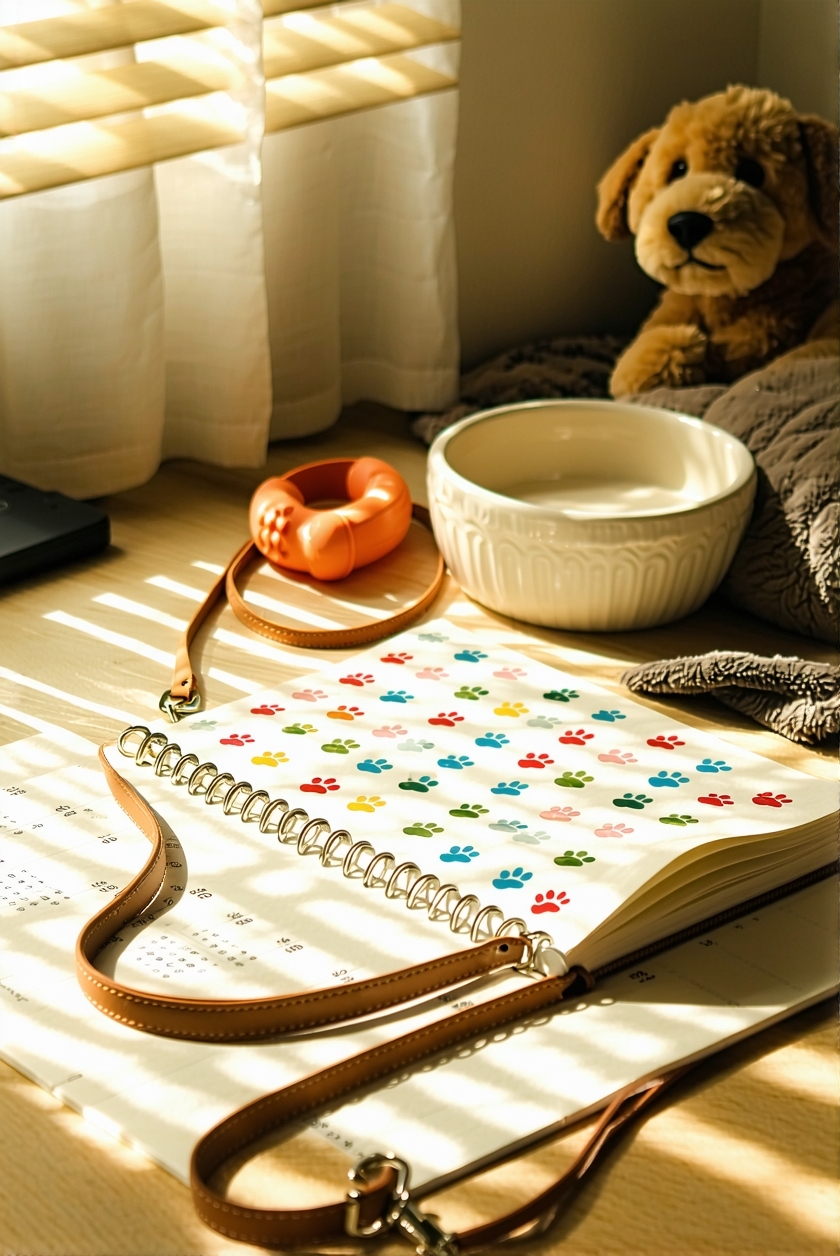
Once you welcome a dog into your home, you’ll need to restructure your daily routine to accommodate their fundamental care needs.
Everything is new during that first week, so make sure you’re prepared to invest significant time and energy into establishing a consistent schedule.
Plan for future commitments by organising your routine around essential activities like early morning walks, regular feeding times, and evening exercise sessions.
You’ll need to schedule at least two 45-minute off-leash walks daily, while incorporating mental stimulation during your breaks.
Dog ownership takes time to master, but creating a predictable schedule will help your furry friend thrive.
Remember that your social life may need adjusting – spontaneous after-work plans might require more forethought now that you’re responsible for your dog’s well-being.
Understanding Normal Canine Behaviors

While many first-time dog owners expect their pets to naturally align with human social norms, understanding and accepting normal canine behaviours is essential for a harmonious relationship.
Your dog will bark, dig, and chew – these aren’t “bad” behaviours but natural expressions of their canine instincts. Whether you’re bringing home a puppy who needs frequent potty breaks and mouthing guidance, or an older dog with established habits, you’ll need to embrace their unique personality and quirks.
Having realistic expectations about normal behaviours helps you adapt to life with your new companion.
You’ll discover that dogs communicate and interact differently than humans do, and that’s perfectly alright. By accepting these natural canine behaviours, you’re setting yourself up for a more enjoyable and understanding relationship with your four-legged friend.
Committing to Long-Term Emotional Investment

Committing to a dog extends far beyond the initial excitement of bringing home a new companion. When you welcome a dog into your life, you’re making an emotional investment that will span 10 to 15 years, shaping both your lives in profound ways.
Like all family members, your new arrival requires consistency, understanding, and unwavering support throughout every stage of life.
You will find that establishing a solid routine early on strengthens your bond and creates a foundation for your dog’s well-being. While the initial months may present challenges, filled with moments of doubt and exhaustion, remember that patience is essential.
Your relationship will evolve, deepening your capacity for empathy and compassion. By preparing mentally for this long-term commitment, you’re setting yourself up for a transformative journey that will enrich both your lives immeasurably.
Frequently asked questions
Is It Normal to Have Anxiety Before Getting a Dog?
Yes, it’s completely normal to feel anxious before getting a dog!
You’re preparing for a significant life change that will bring new responsibilities and adjustments to your daily routine.
Those butterflies in your stomach show that you’re taking this commitment seriously, which is actually a positive sign.
Don’t worry – many first-time dog owners experience these feelings.
What Is the Hardest Stage of Owning a Dog?
Did you know that 20% of new dog owners report feeling overwhelmed during the first three months?
The initial adjustment period is typically the hardest stage, as you’ll face challenges like house training, sleep disruption, and establishing routines.
You’re dealing with puppy behaviours like chewing and possible separation anxiety, which can test your patience.
But don’t worry – these challenges are temporary, and with consistency, you’ll develop a beautiful bond with your furry friend.
What Is the 3 Rule for a New Dog?
The 3 Rule for your new dog focuses on three essential pillars: training, socialisation, and exercise.
You’ll need to commit to daily training sessions using positive reinforcement to build good habits.
Make sure you’re exposing your pup to various environments and social situations, especially during their critical early weeks.
Don’t forget to provide at least two 45-minute off-leash walks each day, along with mental stimulation activities to keep your dog happy and balanced.
Is It Normal to Not Like Your Dog at First?
Are you feeling guilty about not instantly bonding with your new dog? Don’t worry – it’s completely normal!
You’re adjusting to a major life change, and like any relationship, it takes time to develop.
You’ll likely experience frustration, doubt, and even moments of regret as you navigate training challenges and lifestyle changes.
Remember, most pet parents go through this adjustment period.
Your feelings will evolve as you and your pup learn to understand each other better.
Don’t forget
Getting your first dog will transform your life in wonderful ways, but success requires shifting your mindset first. Studies show that 72% of first-time dog owners underestimate the daily time commitment required for proper care. By embracing these seven mental shifts before bringing home your new companion, you’ll set yourself up for a rewarding journey filled with mutual understanding, growth, and unconditional love. Your preparation today creates the foundation for years of joyful partnership ahead.