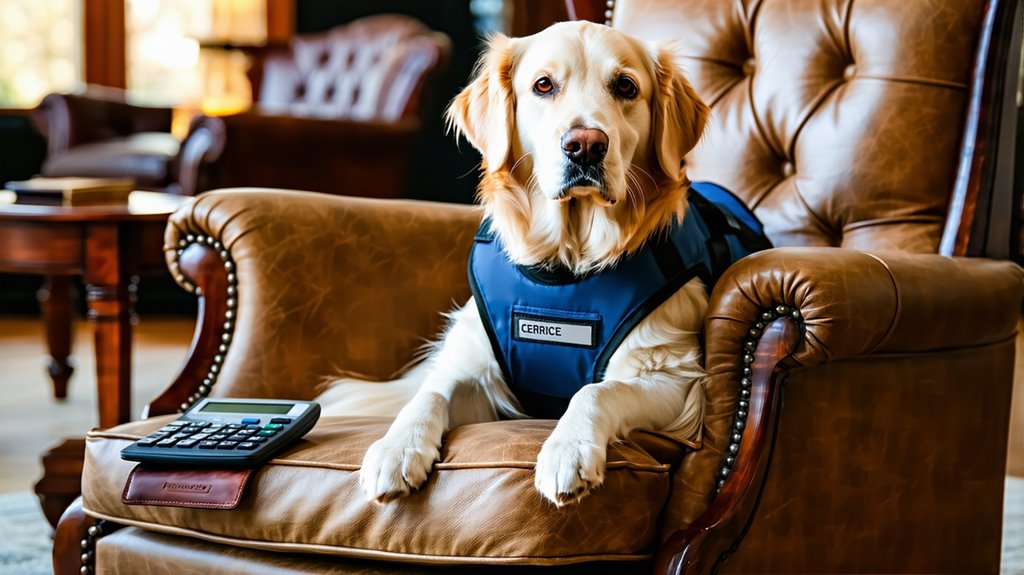
When selecting a mental health support dog for apartment living, you’ll find that small breeds such as Cavalier King Charles Spaniels, French Bulldogs, and Pugs provide exceptional emotional comfort while adapting well to compact spaces. These breeds combine gentle temperaments with moderate energy levels, making them ideal companions for managing anxiety and depression. They thrive with indoor play, short walks, and focused training sessions. With proper care and attention, these devoted companions can transform your apartment into a sanctuary of emotional well-being.
Some key takeaways
- Cavalier King Charles Spaniels excel as emotional support dogs due to their gentle nature, small size, and natural ability to provide comfort.
- French Bulldogs adapt well to apartment living, offering steady companionship with moderate exercise needs and calm temperaments.
- Yorkshire Terriers combine emotional intelligence with compact size, making them ideal for reading and responding to anxiety signals.
- Bichon Frises provide hypoallergenic comfort and cheerful personalities while thriving in small spaces with minimal exercise requirements.
- Pugs offer emotional support through their affectionate nature and ability to lift spirits, requiring only moderate exercise in apartments.
Understanding the Role of Mental Health Support Dogs in Small Spaces
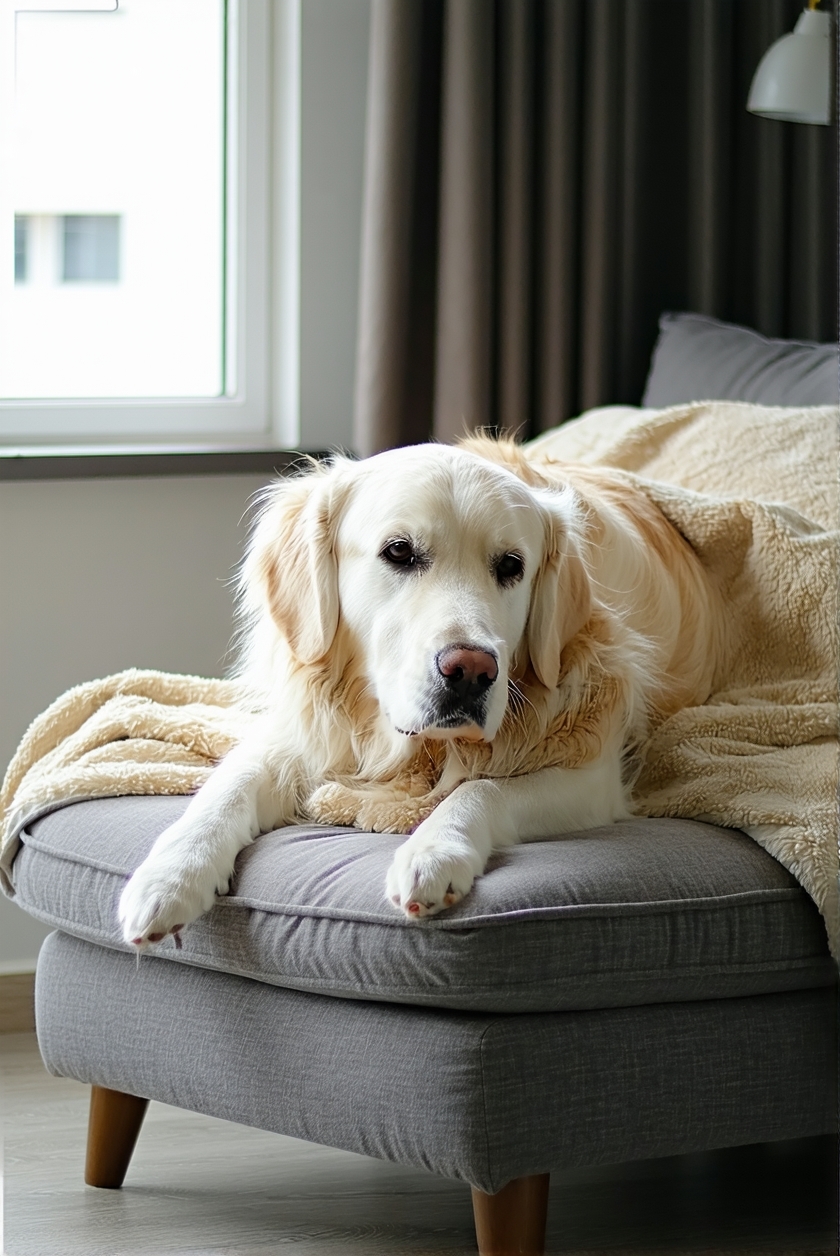
While many people assume that living in a flat limits their options for mental health support animals, small-breed dogs can actually thrive in compact spaces while providing essential emotional assistance.
When you’re managing anxiety or depression, emotional support dogs offer constant companionship and comfort, helping you maintain a structured daily routine even in a smaller living environment.
Small therapy dogs are particularly well-suited to flat living because they adapt easily to indoor settings while still benefiting from moderate daily exercise.
You’ll find that breeds like Cavalier King Charles Spaniels and Pugs can fulfil their exercise needs through indoor play and short walks.
The key to success lies in proper training and socialisation, which ensures your companion remains calm and well-adjusted in your flat.
Your mental health can greatly improve through the consistent presence and interaction these devoted companions provide.
Key Features to Look for in Apartment-Friendly Emotional Support Dogs

When selecting an emotional support dog for apartment living, it’s essential to consider several key characteristics that ensure both you and your furry companion flourish in a smaller space.
Small breeds such as Cavalier King Charles Spaniels or French Bulldogs make ideal apartment companions, providing emotional support without needing extensive room to roam.
Look for breeds with calm temperaments and moderate energy levels, like Pugs or Bichon Frises; these breeds will easily adapt to indoor living while offering the mental health support you require.
It’s also crucial to assess your dog’s training potential—breeds such as Poodles and Yorkshire Terriers are intelligent and eager to please, making them well-suited for mastering emotional support tasks.
Additionally, consider grooming needs; some breeds have hypoallergenic coats that are apartment-friendly, helping to keep your living space tidy while you enjoy the companionship you seek.
Top Small Breed Dogs for Anxiety and Depression Management

Small breed dogs can be powerful allies in managing anxiety and depression, offering consistent emotional support while fitting perfectly into apartment living.
You’ll find exceptional companionship in Cavalier King Charles Spaniels, whose gentle and affectionate nature provides deep emotional comfort during difficult times.
Yorkshire Terriers excel at reading your emotions, while Bichon Frises offer hypoallergenic cuddles and unwavering support.
These small breed dogs aren’t just pets; they’re dedicated partners in your mental health journey.
Each breed brings unique qualities: Pugs radiate cheerfulness that can lift your spirits, while Beagles encourage beneficial outdoor activities that combat anxiety and depression.
When you’re considering emotional support companions for apartment living, these breeds stand out for their ability to provide consistent comfort while adapting seamlessly to smaller spaces.
Training Requirements for Mental Health Support Dogs in Urban Settings

Training your mental health support dog for urban living requires a thoughtful balance of basic obedience and specialised skills development.
You’ll need to focus on basic obedience skills while incorporating socialisation exercises that prepare your dog for busy city environments.
Start by teaching your companion to stay calm around urban stimuli, such as crowded streets and public transport.
Use positive reinforcement techniques during daily training sessions to build trust and encourage desired behaviours.
You’ll also want to incorporate specialised training for specific mental health support tasks, such as anxiety alerts or deep pressure therapy.
Make sure to regularly expose your dog to different urban settings – from quiet cafés to bustling parks.
This consistent practice helps your mental health support dog become a comfortable companion who can confidently navigate city life while providing the emotional support you need.
Creating a Balanced Living Environment for Your Support Dog
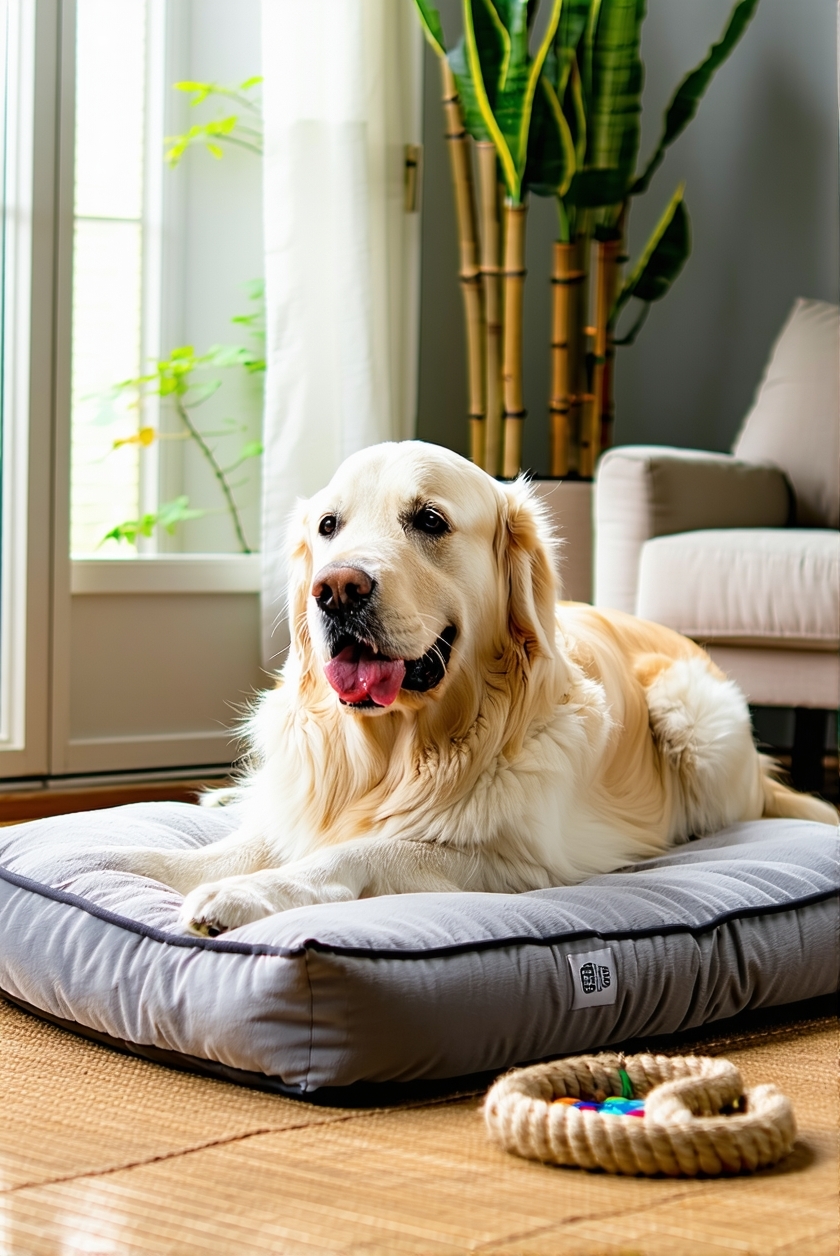
Once you’ve established a solid training foundation, your focus can shift to optimising your flat space for your mental health support dog’s well-being.
Creating a balanced environment starts with designating safe spaces where your emotional support companion can rest and recharge.
Your dog’s daily routine should include both physical exercise and mental stimulation.
Set up interactive puzzle toys and engaging activities that keep their mind sharp while strengthening your bond.
Remember to maintain consistent feeding and exercise schedules that align with your lifestyle. You’ll find that a well-structured routine benefits both of you.
Transform your flat into a calming sanctuary by removing hazards and incorporating soothing elements like quiet corners and comfortable bedding.
This thoughtful arrangement helps your support dog feel secure and relaxed, ultimately enhancing the therapeutic benefits of your companionship.
Cost Considerations When Choosing an Apartment Support Dog
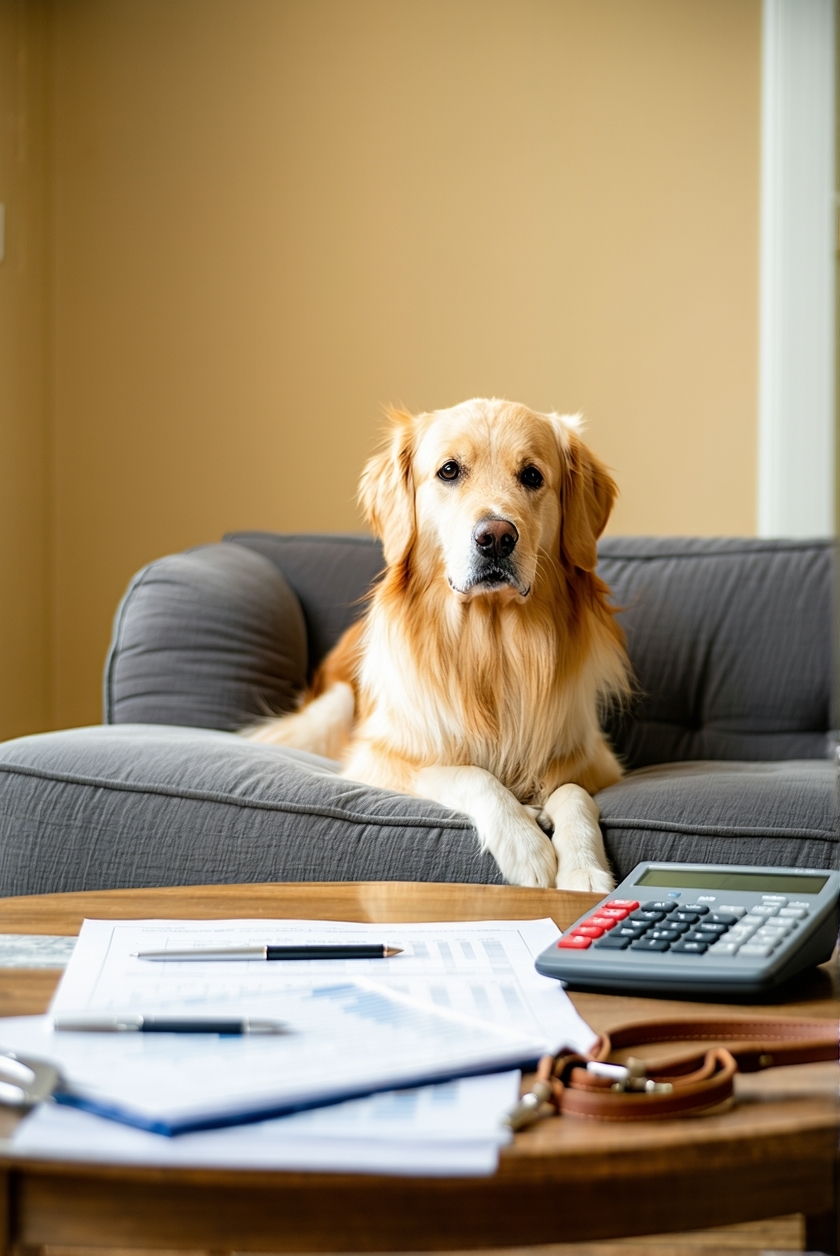
Before bringing a support dog into your apartment life, understanding the financial commitment is vital for long-term success. The initial cost of adopting emotional support dogs can range from £80 to over £1,600, but that’s just the beginning of your investment in a furry companion.
Monthly expenses typically include food, grooming, and veterinary care, averaging £80-£240, with pet insurance adding another £25-£60 for protection against unexpected health conditions.
Training expenses are essential for apartment living, with professional programmes ranging from £160-£1,200 to ensure your dog adapts well to the space.
You’ll need to budget for important supplies like beds, toys, and leads, which can initially cost between £40-£160.
Exercise Solutions for Mental Health Dogs in Limited Spaces

Living in a flat doesn’t mean your mental health support dog can’t stay active and engaged.
You’ll discover plenty of creative exercise solutions that work perfectly in limited spaces while maintaining your dog’s physical and emotional well-being.
Start with short indoor play sessions throughout the day, using interactive toys that keep your companion mentally stimulated.
Puzzle toys are excellent for challenging your dog’s mind while providing entertainment.
Create an indoor agility course using everyday items, turning your living space into an exciting playground that strengthens your bond.
Don’t forget to incorporate training exercises, which offer both mental stimulation and behavioural benefits.
Scheduled walks, even brief ones, remain essential for your support dog’s routine and your mental health.
These activities ensure your faithful companion stays happy and healthy while fulfilling their important role in your life.
Building a Strong Bond With Your Apartment Support Companion

Creating a strong bond with your apartment support companion goes beyond basic care and training. Your emotional support animal‘s ability to respond to your mental health needs relies on the strength of your relationship.
Through consistent training sessions and daily walks, you’ll cultivate a deep connection that enhances both your lives.
- Dedicate 15-20 minutes each day for focused training using positive reinforcement, helping your companion understand and respond to your emotional cues.
- Establish a secure environment through regular routines, including consistent feeding times and exercise schedules.
- Create opportunities for meaningful companionship by incorporating playtime into your daily routine, even in small apartment spaces.
Daily Routines That Benefit Both Owner and Support Dog
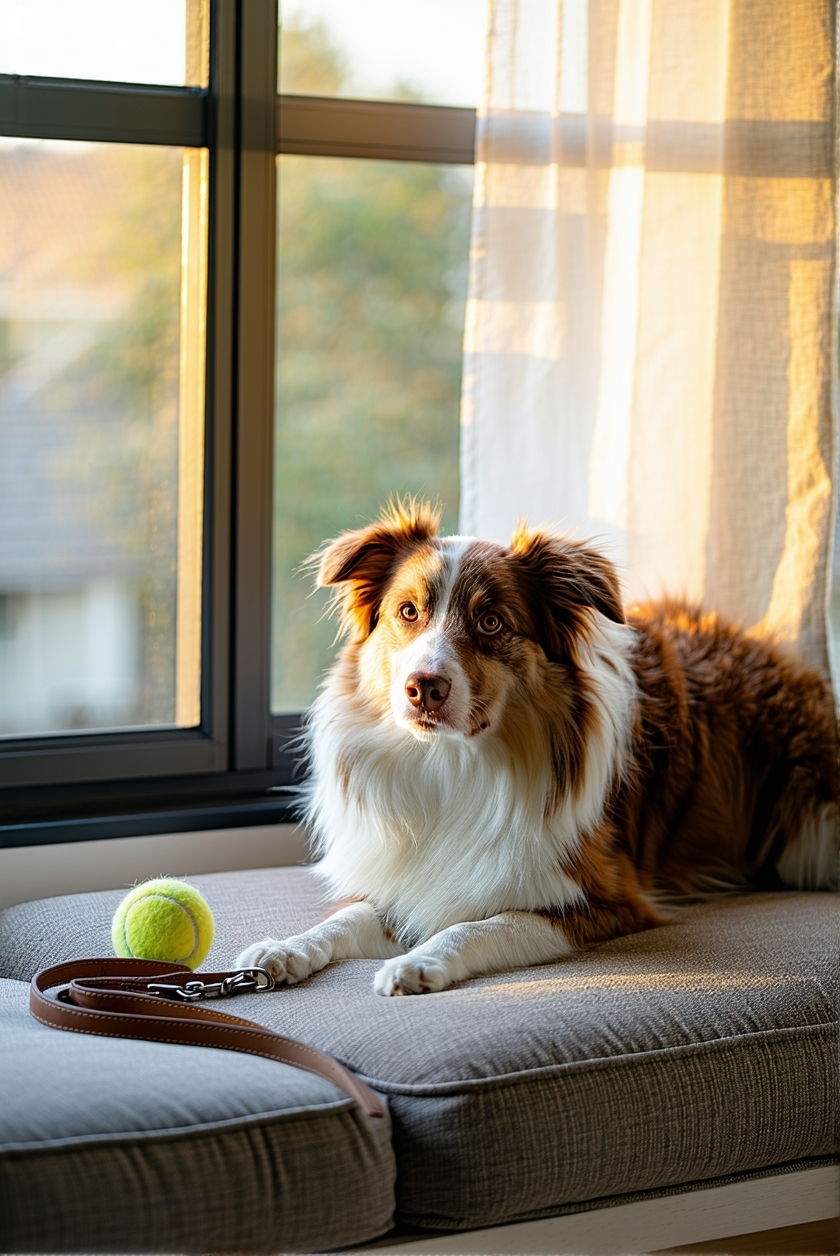
A well-structured daily routine forms the foundation of a fulfilling life with your apartment support dog.
You’ll want to start each day with an invigorating walk, providing essential physical exercise while boosting your mental well-being through outdoor exploration and social connections.
Incorporate dedicated playtime to strengthen your bond and reduce stress levels together.
Schedule regular training sessions to keep your dog’s mind sharp while giving you a sense of purpose and achievement.
Don’t forget to set aside quiet moments for relaxation and cuddling, as these intimate periods release stress-reducing hormones that benefit you both.
Maintaining consistent feeding times creates stability and structure in your shared environment.
When you follow these daily routines, you’re not just caring for your emotional support companion – you’re building a harmonious lifestyle that enhances both of your lives.
Maintaining Your Mental Health Dog’s Well-being in Small Living Spaces
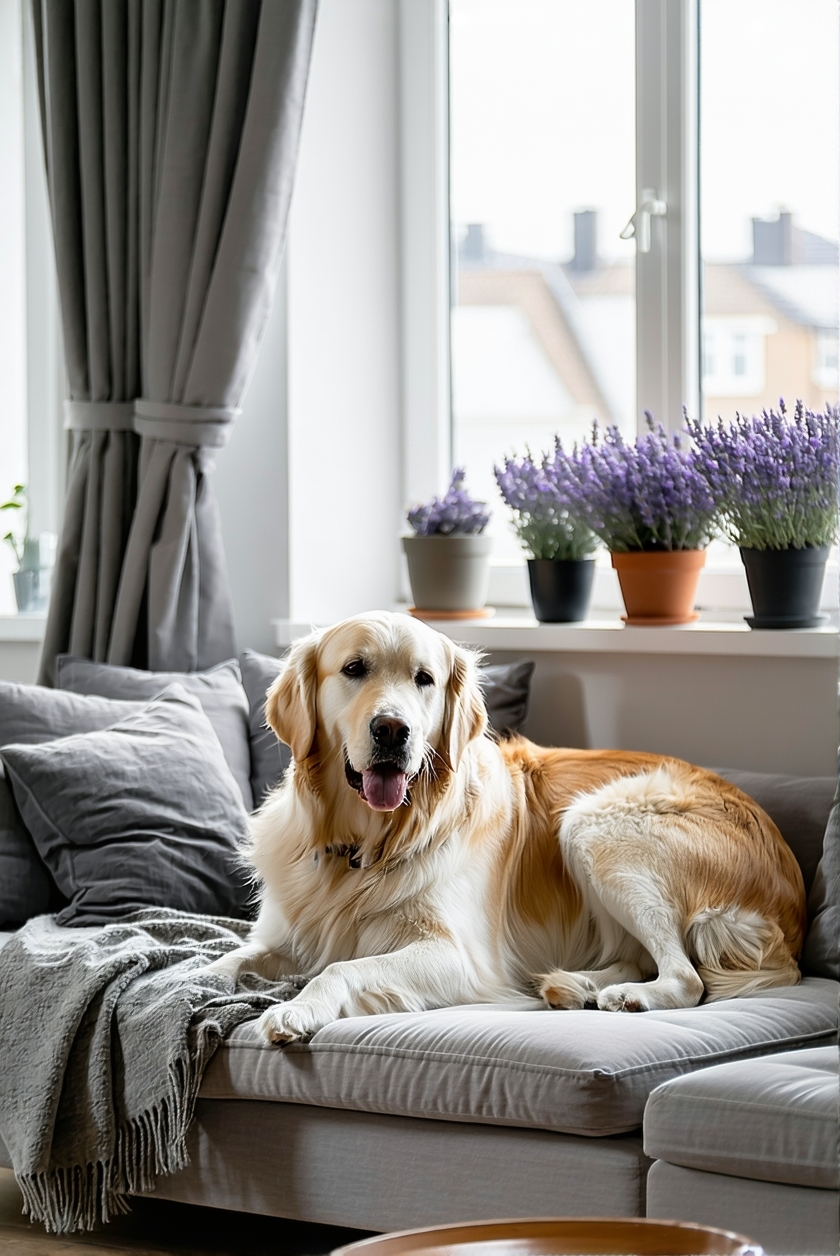
While small living spaces present unique challenges, maintaining your mental health dog’s well-being in a flat is entirely achievable with thoughtful planning and creative solutions.
Create a nurturing environment by dedicating a special corner with cosy bedding and interactive toys to help your small dog breed feel secure and mentally stimulated.
- Provide regular mental enrichment through training sessions and puzzle toys to prevent anxiety and boredom, which is especially important for flat living.
- Establish consistent daily walks and playtime to guarantee adequate physical activity, helping your mental health support companion stay balanced and happy.
- Strengthen your emotional connection through quality bonding time, including gentle grooming sessions and quiet cuddle moments, fostering a deeper sense of trust and companionship.
Frequently asked questions
What Is the Best Dog for Mental Health Issues?
You’ll find the Cavalier King Charles Spaniel particularly suited for mental health support.
They’re naturally empathetic and can sense when you’re feeling down. If you’re dealing with anxiety or depression, their gentle, affectionate nature provides constant emotional comfort.
While Labradors and Poodles are also excellent choices, Cavaliers’ manageable size and intuitive understanding of human emotions make them especially effective at providing the emotional support you need.
What Is the Calmest Apartment Dog?
You know that friend who’s always zen, even during a zombie apocalypse? That’s your French Bulldog in dog form.
They’ll happily lounge on your sofa all day, perfecting the art of doing absolutely nothing. While Frenchies lead the pack in calmness, don’t overlook the Cavalier King Charles Spaniel – they’re basically living, breathing stress balls.
Both breeds will match your flat’s chill vibe perfectly without demanding marathon training sessions.
What Is the Best Emotional Support Animal for an Apartment?
For your emotional support needs in a flat, you’ll find the Cavalier King Charles Spaniel to be an exceptional choice.
They’re naturally gentle, loving, and incredibly attuned to your emotions. You won’t need much space for these compact companions, and they’ll readily adapt to your lifestyle.
If you’re looking for alternatives, you might consider a Pug or Bichon Frise – both offer wonderful emotional support while thriving in smaller spaces.
What Breed Is Best for an Anxiety Service Dog?
As you stroll through a park and observe a gentle Labrador comforting its owner, you’ll come to appreciate why they rank among the best anxiety service dogs.
Labradors and Golden Retrievers excel at providing emotional support due to their inherent empathy and calming presence.
If you prefer a smaller companion, you can’t go wrong with a Cavalier King Charles Spaniel or a Poodle.
They’re incredibly intuitive and devoted, making them ideal partners for managing anxiety symptoms.
A quick round up
Isn’t it remarkable how the perfect four-legged companion can transform your flat into a sanctuary of emotional support? By selecting a dog that suits your living space and mental health needs, you’ll forge a fulfilling partnership that enhances both your lives. Remember, you’ve got this – whether you’re training your new support dog or adjusting your daily routine, you’re creating a brighter future together in your cosy urban home.