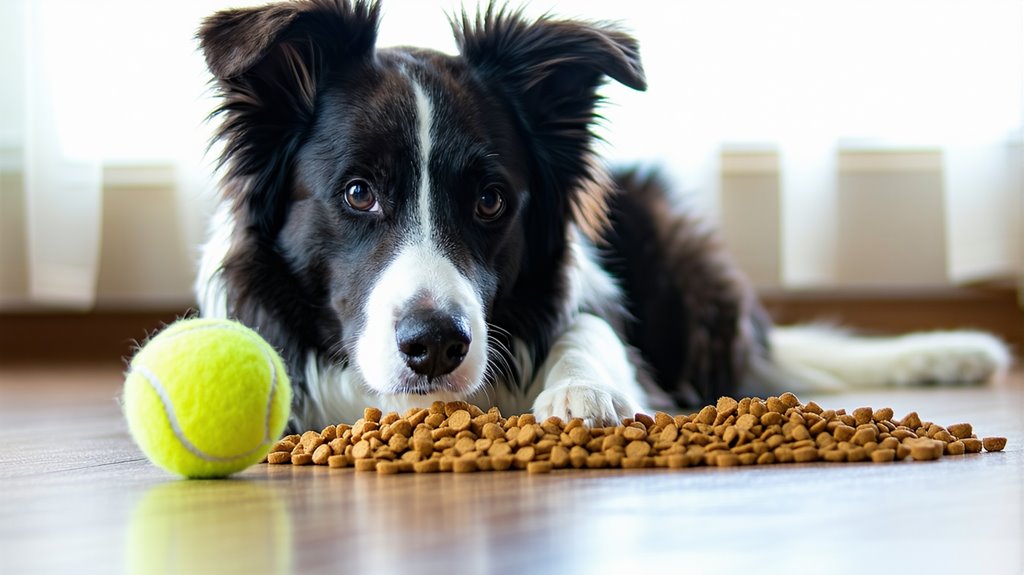
You can effectively train your dog without spending any money using three proven methods. First, repurpose household items such as empty bottles and cardboard boxes into engaging puzzle toys for reward-based learning. Second, transform daily activities into training opportunities by incorporating commands during routines like feeding time and walks. Third, utilise natural games like hide-and-seek to reinforce essential commands while building trust. These simple techniques open the door to a world of positive training possibilities.
Some key takeaways
- Transform kitchen scraps, such as leftover meat or cheese, into high-value training treats to reward good behaviour.
- Create your own clicker training system by using a consistent vocal sound or a snap to mark desired behaviours.
- Turn daily walks into training sessions by practising commands and rewarding with verbal praise and petting.
- Use empty cardboard boxes and plastic bottles to make puzzle toys for mental stimulation and behaviour training.
- Incorporate basic commands into existing routines, such as mealtimes and fetch games, for zero-cost training opportunities.
Positive Reinforcement Using Household Items
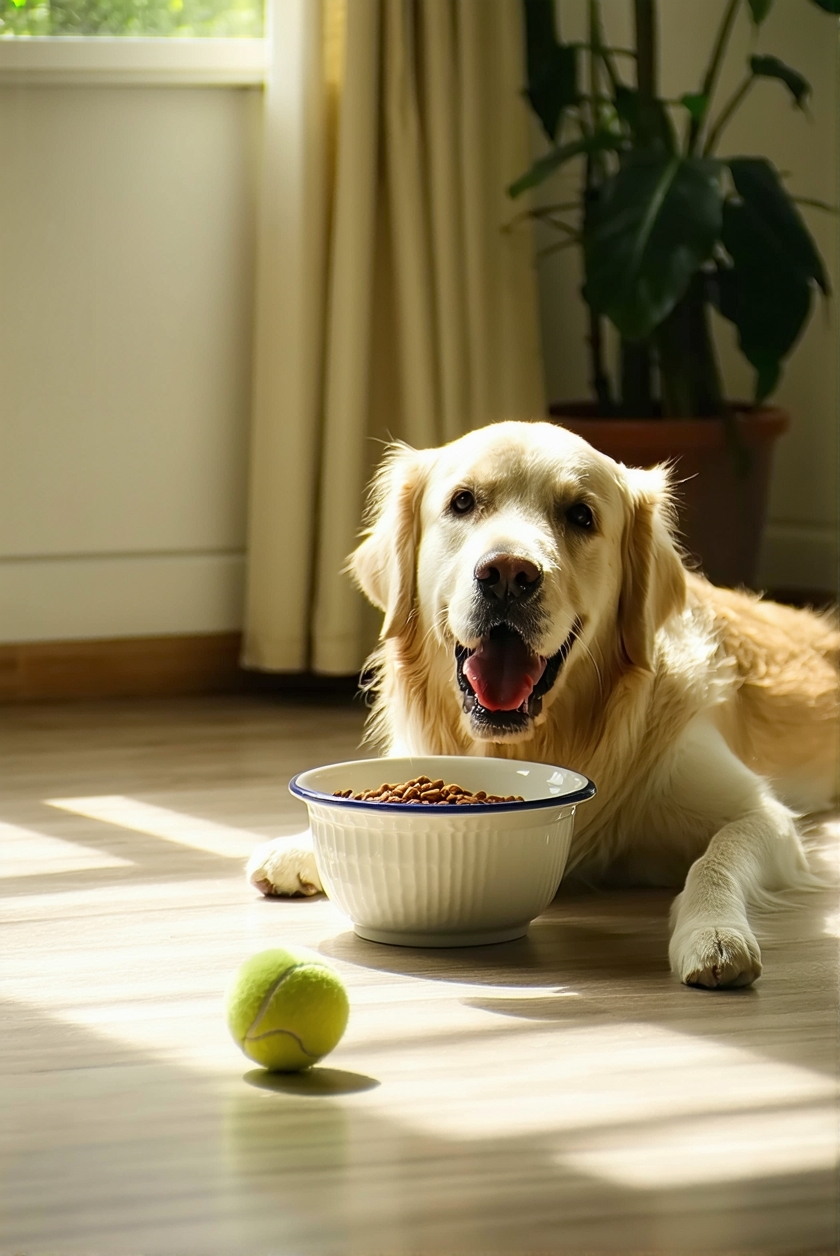
Training your dog doesn’t require expensive equipment or specialised tools – your kitchen and living room contain everything needed for effective positive reinforcement.
You’ll find success using small pieces of leftover meat or cheese as rewards, making training sessions more engaging with these high-value treats from your fridge.
Transform ordinary household items into interactive toys by repurposing empty plastic bottles or cardboard boxes.
Hide treats inside these containers to create stimulating puzzles that challenge your dog’s problem-solving skills.
Combine verbal praise with household commands during daily routines, like asking your dog to “sit” before meals.
This simple practice reinforces positive behaviour while strengthening your bond.
You can even create a makeshift clicker using a consistent vocal sound, marking desired behaviours effectively.
These resourceful approaches prove that positive reinforcement training can be both practical and economical.
Training Through Daily Activities and Routines
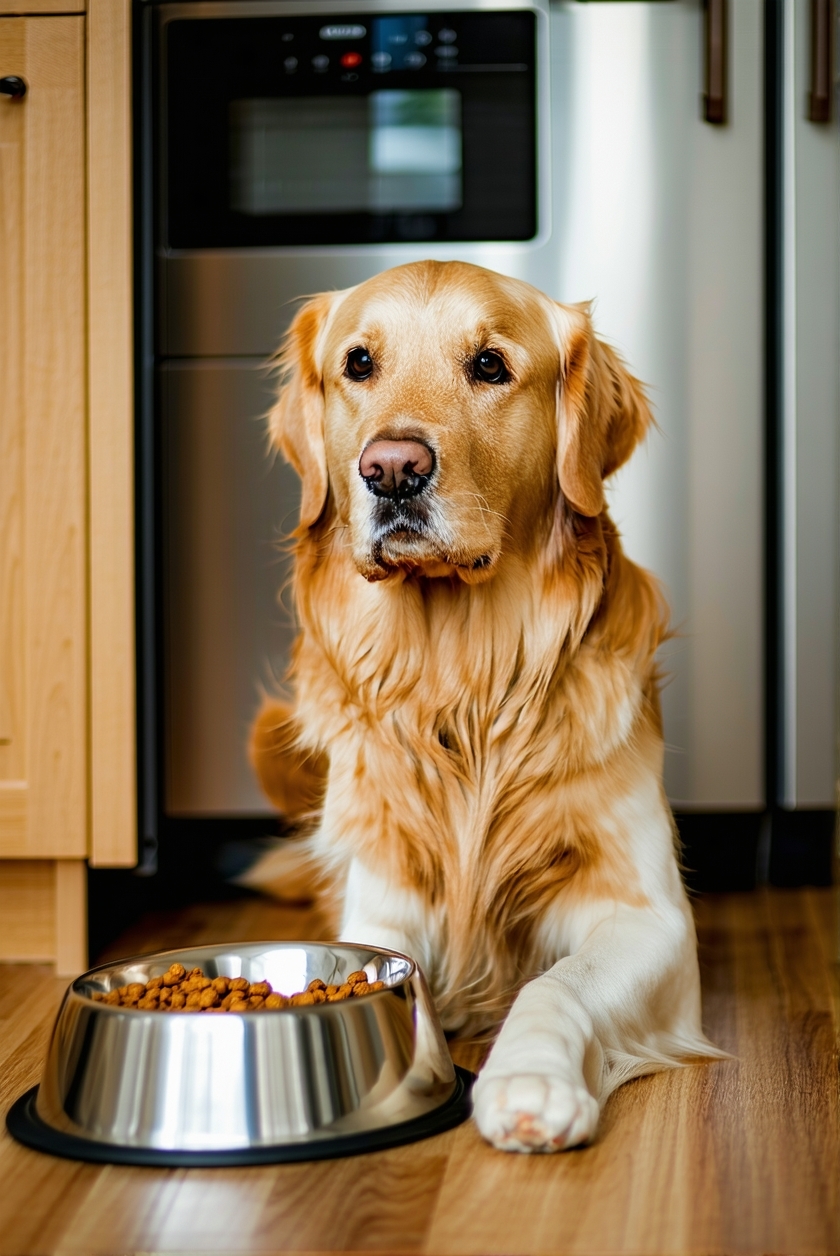
Make playtime more purposeful by incorporating dog training instructor techniques.
When playing fetch, teach your dog something new by adding commands before throwing the ball. You can easily weave impulse control exercises into your routine by asking your dog to “leave it” before accessing toys.
Even household chores become training opportunities – involve your pup by teaching them to fetch specific items or wait while you complete tasks.
Natural Games That Teach Commands
Learning commands becomes effortless when you incorporate natural games into your dog’s daily activities. Instead of structured training sessions that might trigger separation anxiety, you’ll find that games like hide-and-seek naturally reinforce the “come” command in six easy steps.
When playing “Go Find It,” you’ll teach your dog to leave treats until given permission, making it easier to control excessive barking and impulsive behaviours.
Professional dog trainers often recommend scent walks and puzzle toys because they’re natural ways to train a dog while building focus. You can teach new tricks during fetch games, combining exercise with learning.
These interactive activities create a stronger bond while developing your dog’s problem-solving abilities. By turning everyday play into training opportunities, you’re making learning fun and meaningful for your furry companion.
Frequently asked questions
How Do I Train My Dog on a Budget?
You can effectively train your dog without spending much money by using positive reinforcement techniques at home.
Start with free training classes at local shelters, where you’ll learn essential commands and behaviour management.
Make use of online resources and your local library’s materials for training guidance.
Don’t forget to ask experienced dog-owning friends for tips, and use regular treats from your kitchen for rewards during short, focused training sessions.
What Is the #1 Trick to Stop Your Dog From Pulling on the Leash?
The most effective trick to stop your dog’s leash-pulling is to immediately change direction whenever they pull.
When you feel tension on the lead, simply turn and walk the opposite way. This teaches your pup that pulling won’t get them where they want to go.
You’ll need patience, but your dog will learn to pay attention to your movements and stay close.
Remember to reward them with praise and treats when they walk nicely beside you.
What Is the 1/2/3 Dog Training Method?
The revolutionary 1/2/3 Dog Training Method is your golden ticket to a perfectly trained pup!
You’ll start by teaching your furry friend a command in step one.
Next, you’ll reward their success with treats and praise when they master it.
Finally, you’ll gradually add distractions while practising to solidify their learning.
It’s brilliantly simple yet incredibly effective, and you’ll love how it strengthens your bond through short, positive training sessions.
What Is the 5 Second Rule in Dog Training?
When you’re training your dog, the 5 Second Rule helps you maintain clear communication.
If your pup doesn’t respond to a command within five seconds, don’t repeat it. Instead, you should re-engage or redirect their attention.
This approach prevents your dog from becoming desensitised to commands and helps you build a stronger bond.
It’s an effective way to keep training sessions focused and positive while encouraging prompt responses from your furry friend.
Wrapping up
Training your dog doesn’t require expensive equipment or professional classes. Studies show that dogs trained with positive reinforcement learn commands 50% faster than those trained with traditional methods. You’ll find that everyday items, consistent routines, and natural play can transform your pup’s behaviour. By incorporating these zero-cost techniques into your daily life, you’re building a stronger bond while creating a well-mannered companion.