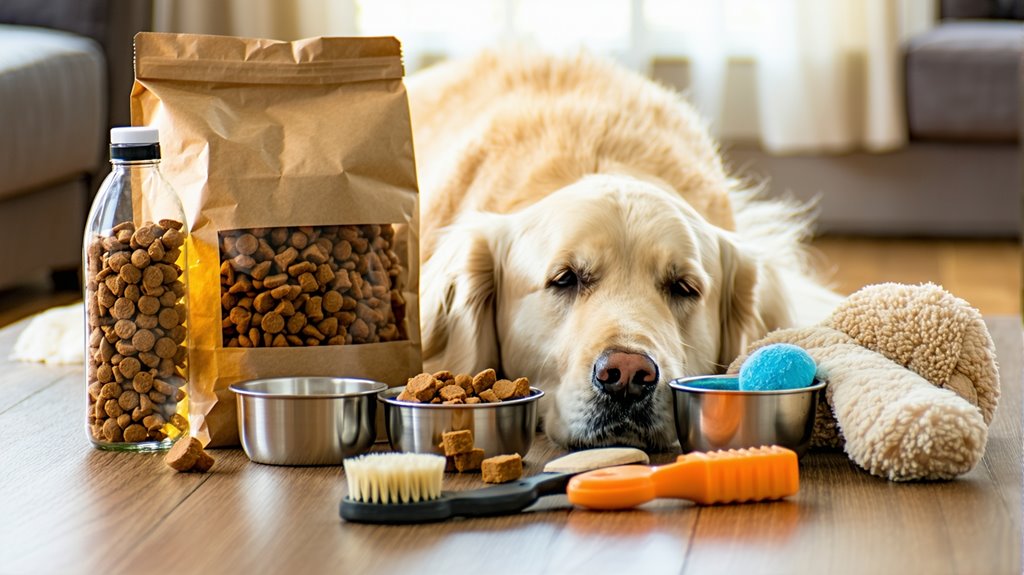
Several dog breeds adapt beautifully to apartment living while requiring minimal maintenance. You'll find that French Bulldogs, Cavalier King Charles Spaniels, and Bichon Frises make excellent low-maintenance companions with their calm demeanours and modest exercise needs. These breeds thrive with short daily walks, minimal grooming, and naturally quiet dispositions that keep neighbours happy. While no dog is completely self-sufficient, these breeds' easy-going personalities and adaptable natures make apartment living remarkably manageable. Let us investigate what makes these breeds such ideal urban companions.
Some key takeaways
- French Bulldogs require minimal exercise, adapt well to apartment living, and maintain quiet dispositions that are perfect for shared buildings.
- Cavalier King Charles Spaniels combine low maintenance needs with gentle temperaments, needing only short daily walks for exercise.
- Greyhounds, despite their racing background, are surprisingly low-energy indoors and are content with brief daily exercise sessions.
- Bichon Frises have minimal shedding, moderate exercise requirements, and can maintain their physical activity through indoor play.
- Boston Terriers are easy to train, adaptable to small spaces, and thrive with simple daily walks for exercise.
What Makes a Dog Low-Maintenance for Apartment Living
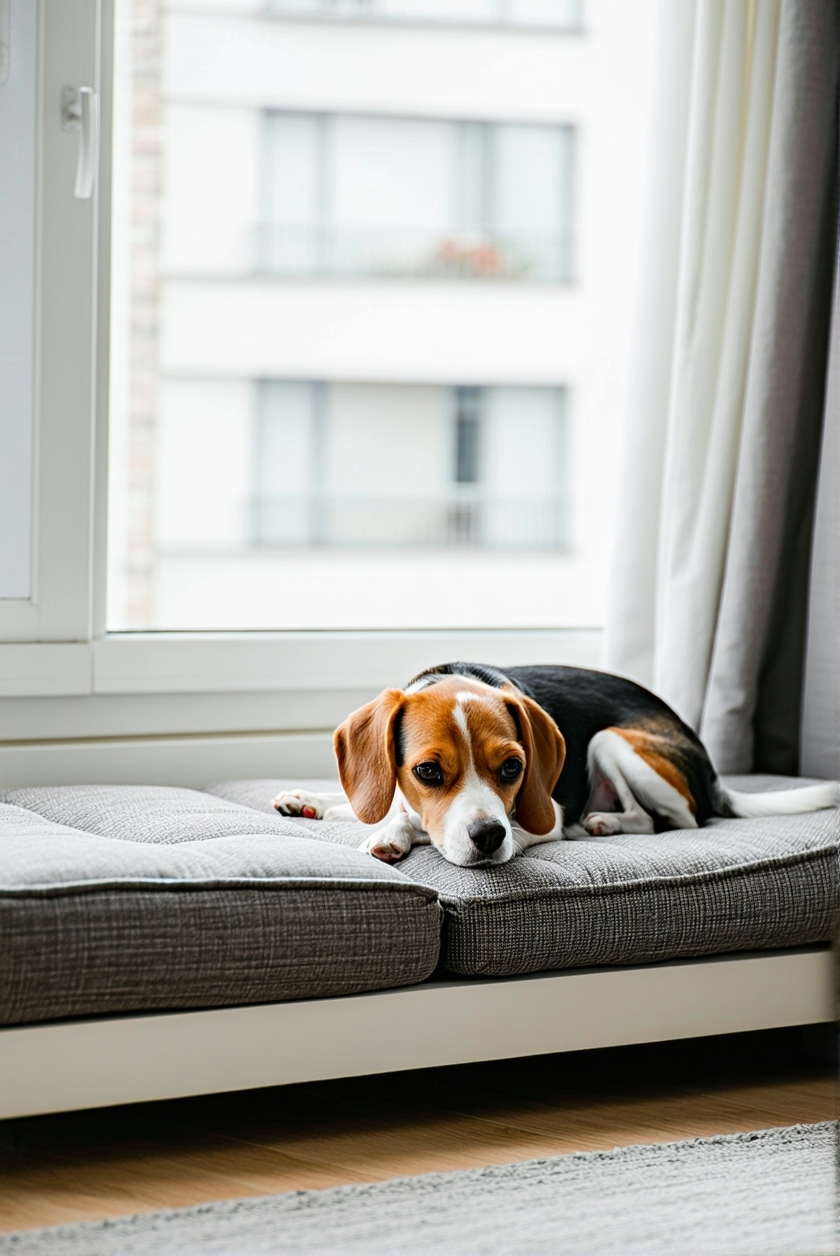
When choosing a dog for apartment living, low-maintenance breeds offer the perfect balance of companionship and convenience.
You'll want to look for calm dog breeds that adapt easily to smaller spaces and don't require extensive exercise routines. Many small dog breeds excel in apartments, needing only short daily walks for regular exercise and mental stimulation.
Your ideal apartment companion should possess an adaptable nature and lower barking tendencies to maintain peace with neighbours.
Look for breeds known for their friendliness and easy-going personalities, such as French Bulldogs or Cavalier King Charles Spaniels.
Consider dogs that require less grooming, such as hypoallergenic breeds like the Maltese or Shih Tzu, to minimise your maintenance duties.
The perfect apartment dog will combine these qualities while fitting seamlessly into your lifestyle without demanding constant attention or extensive care routines.
Top Self-Sufficient Breeds for Small Spaces
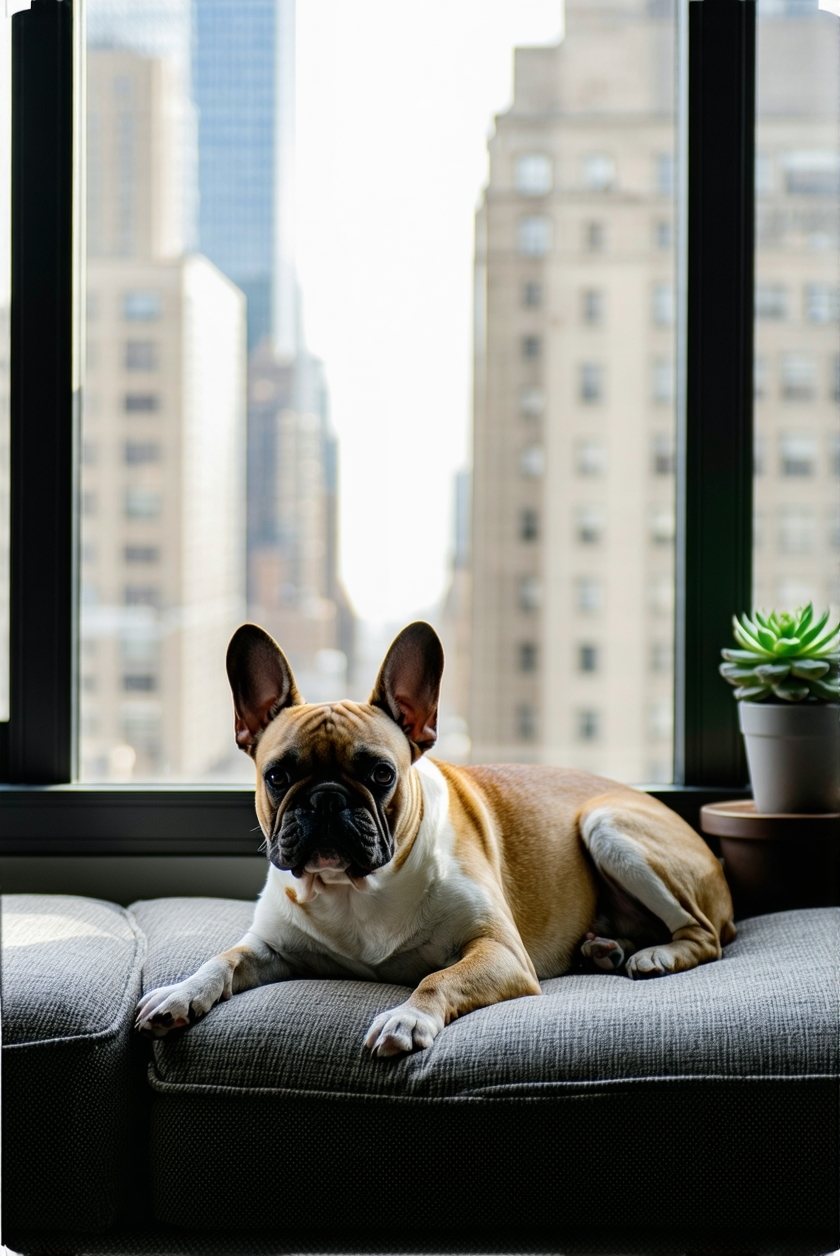
Several dog breeds stand out as naturally self-sufficient companions for apartment living, combining independence with adaptable personalities.
You'll find the Bichon Frise particularly suited to small spaces, with minimal shedding and moderate exercise needs. French Bulldogs offer similar ease, thriving on short daily walks while keeping noise levels down.
If you're seeking a laid-back companion, consider the Cavalier King Charles Spaniel, whose low exercise requirements and adaptable nature make apartment living effortless.
Boston Terriers bring liveliness without demanding excessive attention – they're easy to train and content with regular walks.
Surprisingly, even Greyhounds excel in apartments, maintaining calm indoor demeanours despite their racing heritage.
These small breeds demonstrate that you don't need a large space to enjoy the companionship of a well-adjusted, low-maintenance dog.
Daily Care Requirements and Time Commitments
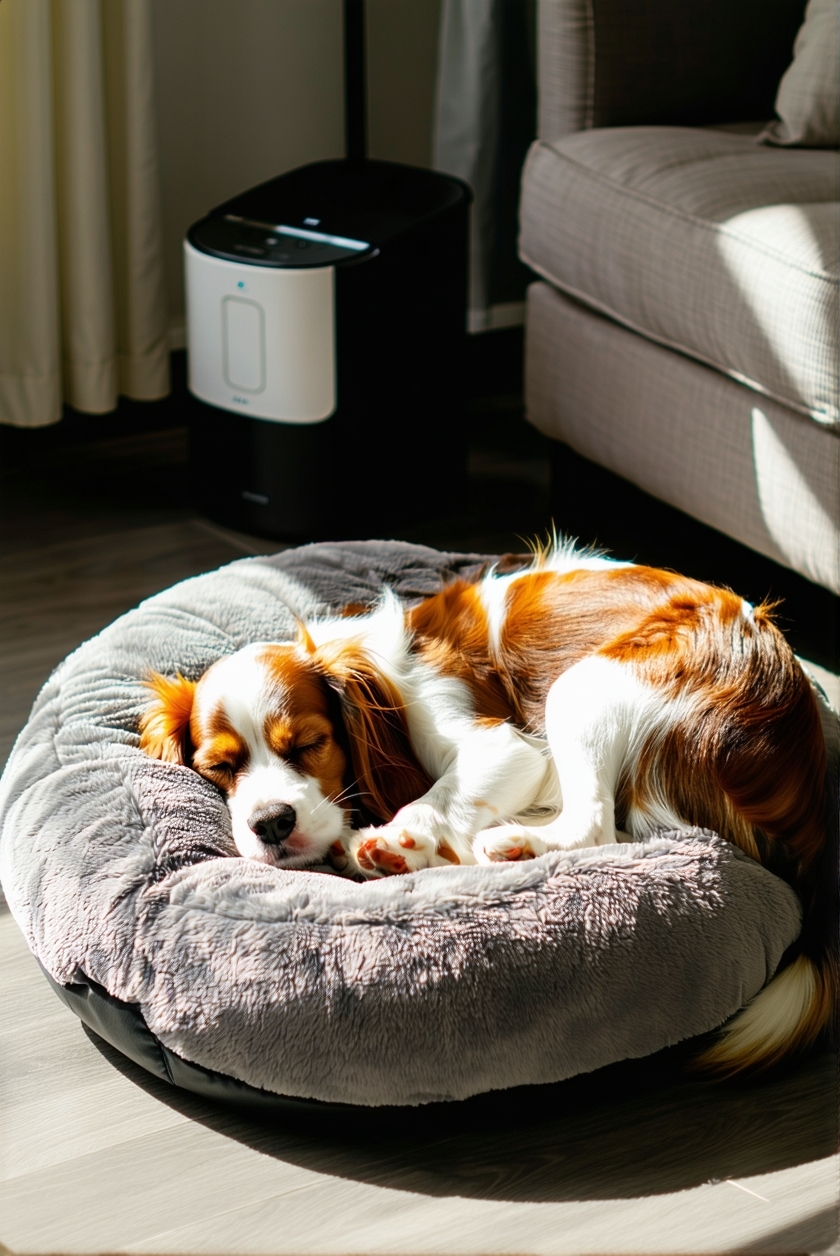
Despite their adaptability to apartment living, dogs still require dedicated daily care to thrive in smaller spaces.
You'll find that low-energy breeds like Bulldogs and French Bulldogs can fit seamlessly into your apartment lifestyle, needing only brief daily walks to stay healthy.
For apartment dwellers seeking minimal time commitments, small dogs like the Maltese and Bichon Frise can get adequate exercise through indoor playtime.
While some breeds demand extensive grooming routines, others require surprisingly little maintenance. You can efficiently manage your pet's needs by establishing a consistent schedule for daily care activities.
The key is choosing a breed that matches your available time and energy.
Many apartment dogs can maintain excellent health with moderate exercise requirements, making them ideal companions for busy urban living without overwhelming care demands.
Creating an Apartment-Friendly Environment
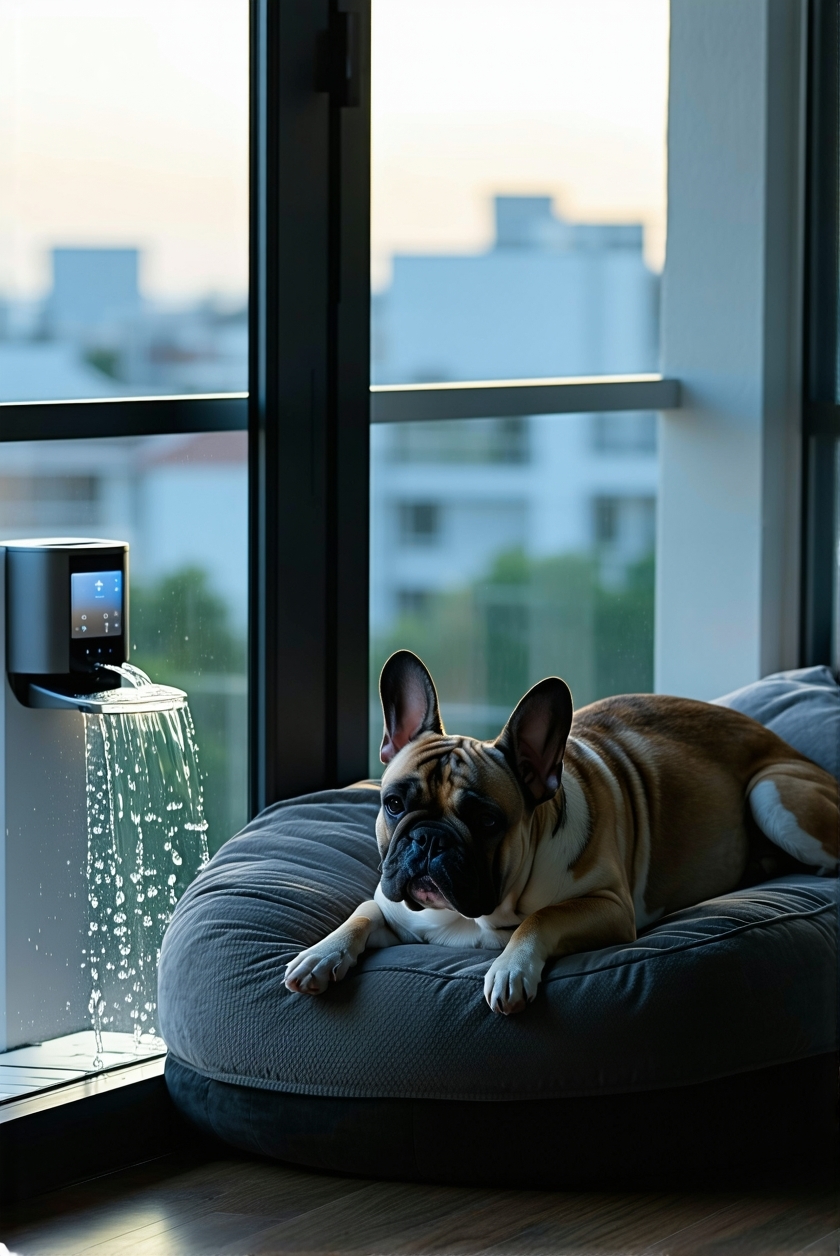
To create a comfortable living space for your apartment dog, you'll need to make thoughtful adjustments that support their physical and emotional needs.
Start by designating specific areas for play and rest, ensuring your smaller breeds have enough room to move freely without feeling cramped.
Your apartment's layout should accommodate at least three daily outdoor sessions for exercise and bathroom breaks.
Choose breeds with friendly dispositions and moderate energy levels, like Cavalier King Charles Spaniels or Boston Terriers, who adapt well to apartment living.
Set up a dedicated space for mental stimulation with toys and activities, particularly important for companion breeds like Pugs and Maltese.
Remember to implement noise management strategies, especially if you have vocal breeds like the German Spitz, to maintain harmony with your neighbours while ensuring your dog's comfort and happiness.
Health Considerations for Independent Apartment Dogs
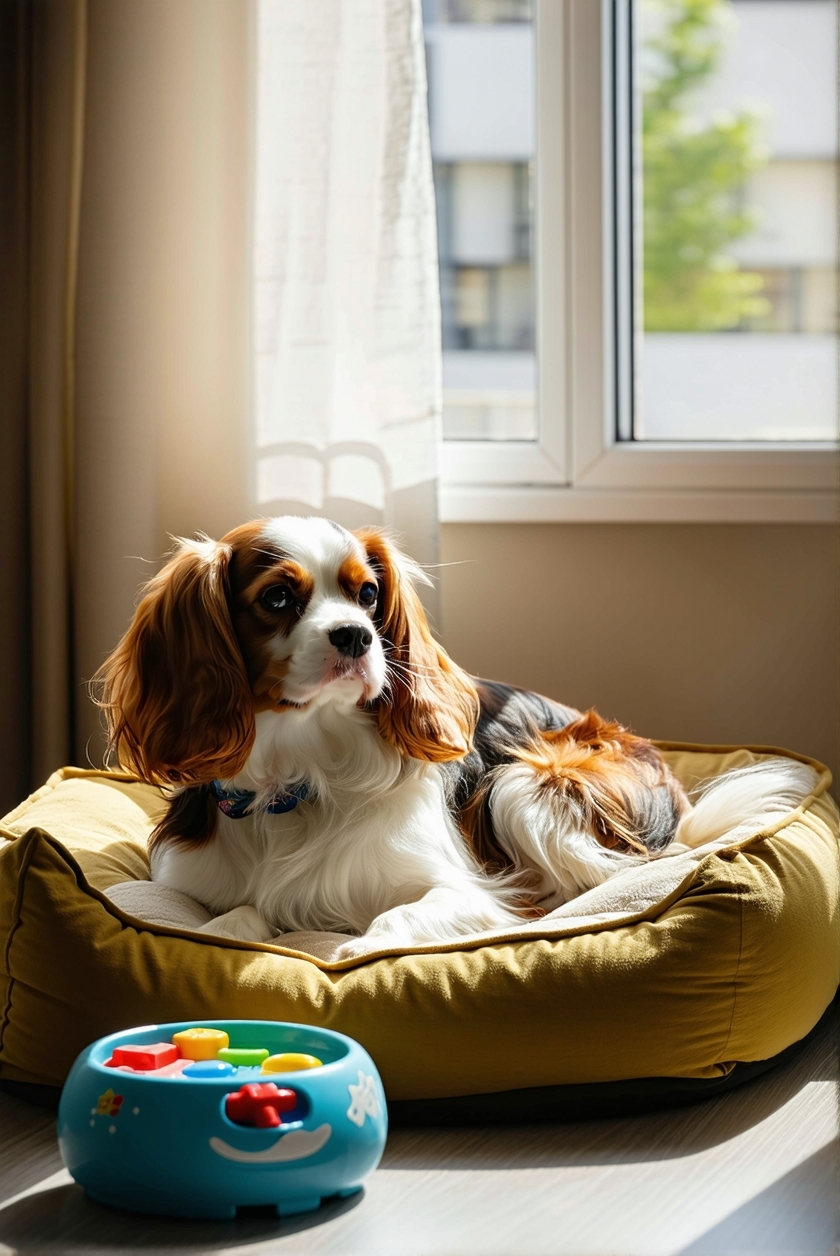
Independent apartment dogs bring unique health requirements that deserve special attention within your living space.
You'll need to schedule regular health check-ups since these self-reliant breeds often mask signs of discomfort. Pay close attention to specific health concerns, particularly weight management, as apartment living can impact their activity levels.
While many independent breeds have minimal grooming needs, don't overlook the importance of maintaining their hygiene routine.
You'll also want to prioritise their overall mental well-being through consistent socialisation and exercise. Regular outings aren't just about physical activity – they're essential for preventing behavioural issues that could develop in confined spaces.
Remember to keep up with regular veterinary visits, even if your independent companion seems healthy.
Early detection of potential health issues is key to ensuring your apartment dog thrives in their urban lifestyle.
Training Tips for Developing Self-Sufficient Habits
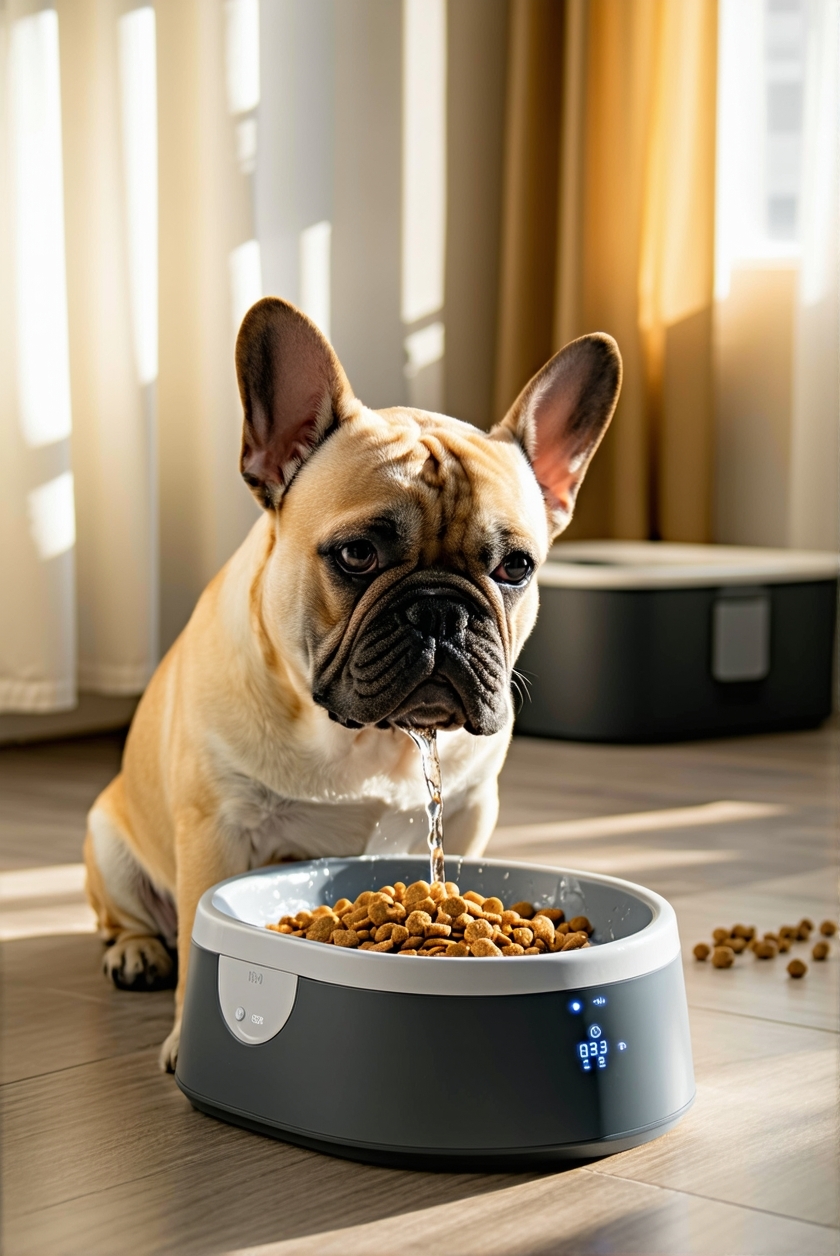
Training your apartment dog to be self-sufficient begins with establishing a structured foundation through crate training and consistent daily routines.
Start by creating a secure space where your pup can feel safe and gradually develop independence during brief separations.
Implement positive reinforcement techniques to encourage self-sufficient habits. When your dog settles calmly in their designated area, reward them with treats and praise.
Combat separation anxiety by slowly increasing alone time, allowing your furry friend to adapt at their own pace. You'll build their confidence through these incremental steps.
Make your dog's alone time productive by providing engaging toys and puzzle feeders that offer mental stimulation. These activities keep them occupied while fostering independence.
Remember to maintain consistent feeding schedules and walking times to help your pup develop reliable, self-sufficient behaviours throughout the day.
Frequently asked questions
What Dogs Are Good for Apartments and Being Alone?
You'll find several breeds that adapt well to apartment living and can handle being alone.
The Cavalier King Charles Spaniel and French Bulldog are excellent choices due to their low exercise needs.
If you're considering larger breeds, the Greyhound is surprisingly calm indoors.
For quieter options, consider the Basenji or Bulldog.
What Breed of Dog Can Be Left Alone During the Day?
Several breeds adapt well to being home alone during your workday.
Cavalier King Charles Spaniels are naturally independent and affectionate, making them excellent solo companions.
French Bulldogs and Greyhounds maintain a calm demeanour when left alone, while Pugs' homebody nature helps them adjust to solitude.
Your Bichon Frise can also learn to handle alone time with proper training.
What Is the Cutest Dog to Own?
Beauty is in the eye of the beholder, and when it comes to cuteness in dogs, it's a deeply personal matter.
The Cavalier King Charles Spaniel often wins hearts with its soulful eyes and silky ears, while the Maltese's button nose and fluffy white coat make it irresistibly adorable.
You might fall for the Pug's wrinkled face and expressive eyes, or the Bichon Frise's teddy bear appearance.
Each breed offers its own unique charm and loving personality, making it difficult to choose just one as the cutest companion.
Which Dog Is Best for a Small Apartment?
If you're living in a small apartment, you'll find several breeds that adapt beautifully to compact spaces.
The Cavalier King Charles Spaniel offers the perfect blend of affection and moderate exercise needs, while the French Bulldog's easygoing nature makes it an excellent choice.
You might also consider a Bichon Frise, which combines a small size with a friendly disposition.
These breeds won't feel cramped and will happily share your cosy space.
To summarise
When all is said and done, you'll find that choosing the right apartment dog isn't just about size – it's about matching your lifestyle with a breed that thrives in smaller spaces and can manage time alone. By implementing these training strategies, creating a dog-friendly environment, and selecting a naturally independent breed, you'll set yourself up for success. Remember, even the most self-sufficient dogs still need your love and attention to truly flourish.