
Investing in positive dog training now can save you thousands later by preventing costly behavioural issues. Your initial training expenses will be far less than potential legal fees, home repairs, or extensive veterinary bills caused by untreated aggression or anxiety. Well-trained dogs develop fewer stress-related health problems and destructive behaviours, leading to significant long-term savings. By building trust through positive reinforcement, you'll create a foundation that protects both your relationship and your wallet. Let's examine how smart training choices multiply your savings.
Some key takeaways
- Positive training prevents costly behavioural issues that can exceed £2,000 annually in professional interventions and veterinary care.
- Well-trained dogs are less likely to develop destructive behaviours that lead to expensive home repairs and legal fees.
- Early investment in positive reinforcement training costs significantly less than addressing serious behavioural problems later on.
- Daily positive training reduces stress-related health problems, resulting in fewer veterinary bills over the dog's lifetime.
- Simple, cost-effective training methods using household items eliminate the need for expensive professional trainers or specialised equipment.
The Hidden Costs of Behavioral Problems

While many prospective dog owners concentrate on initial costs such as adoption fees and basic supplies, the hidden financial burden of behavioural problems can far exceed these anticipated expenses.
You might be surprised to discover that addressing issues like aggression or anxiety can set you back over £2,000 annually in training expenses and veterinary care.
The impact on your finances doesn't end there. Your furry friend's destructive behaviours could lead to costly home repairs, and aggressive incidents might result in steep legal fees and increased insurance premiums.
What's often overlooked is the emotional toll these challenges impose on you as an owner. The stress of managing difficult behaviours can significantly affect your well-being, potentially leading to additional mental health expenses.
Prevention vs. Intervention: A Financial Perspective

When it comes to dog training, timing isn't just about when to reward good behaviour – it's about smart financial planning. By investing in prevention through positive reinforcement early on, you'll protect your wallet from costly behavioural interventions down the line.
Think of positive training as an insurance policy for your relationship with your dog. You're not just avoiding expensive property damage or veterinary bills; you're building a foundation of trust that prevents serious behavioural issues from developing.
While some may hesitate at the initial cost of positive training, it's considerably less than addressing aggressive behaviours, legal issues, or extensive rehabilitation later.
Building Trust Through Affordable Training Methods

Building a strong bond with your dog doesn't require expensive equipment or elaborate training programmes. Simple, positive reinforcement techniques like clicker training work well to establish trust while keeping your wallet intact.
When you consistently reward good behaviour, you're creating a "behavioural bank account" that strengthens your relationship and protects against future problems.
Make sure to incorporate play and fun into your training sessions – your dog enjoys learning through enjoyable experiences. This approach not only saves money on professional interventions but also helps to prevent costly behavioural issues from developing.
Long-Term Savings With Positive Reinforcement
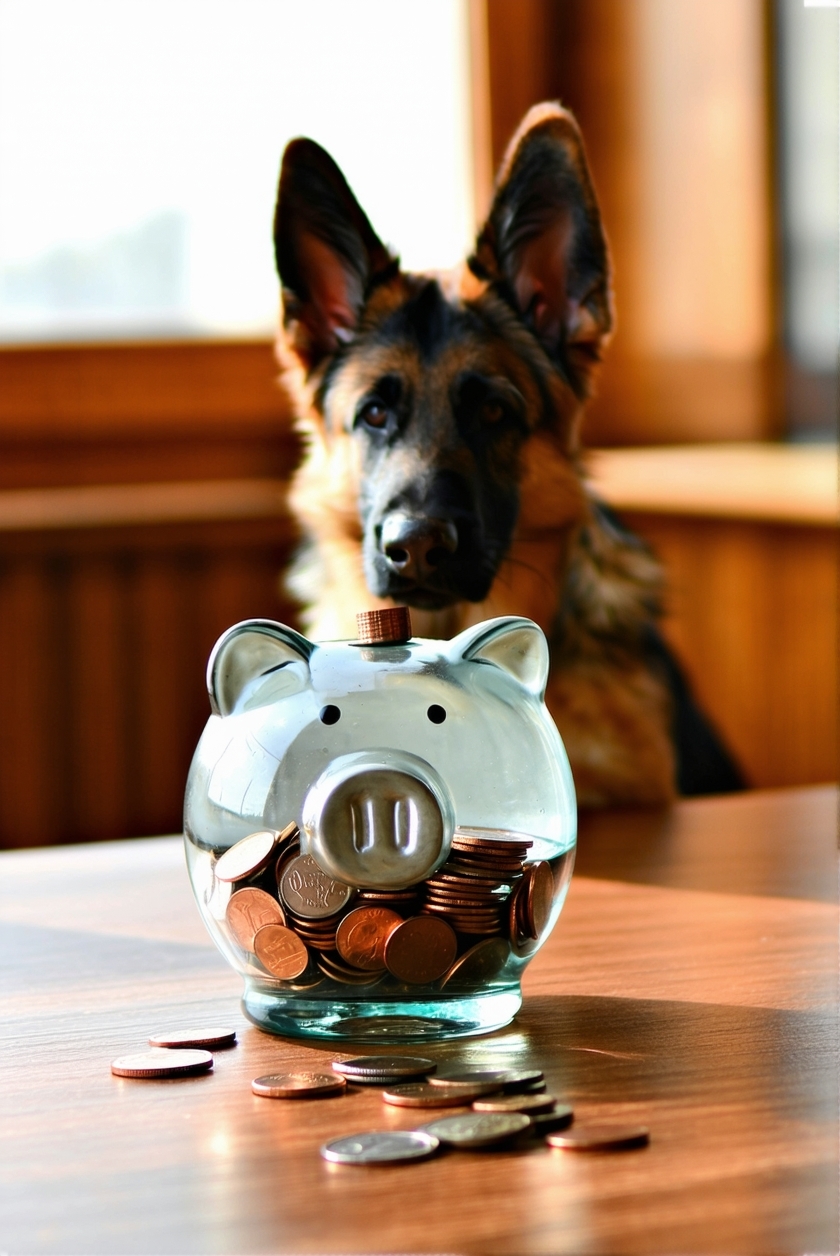
Throughout your dog's life, positive reinforcement training proves to be a wise financial investment that pays dividends well beyond the initial effort.
Has someone suggested that positive training is expensive? The reality reveals much greater savings in the long run.
Every time you engage in positive training, you're building a trust-based relationship that helps to avert costly behavioural issues down the line.
You'll notice reduced veterinary bills since positively trained dogs experience fewer stress-related health problems.
Your home will remain intact, as dogs trained with positive methods are less likely to develop destructive behaviours that could damage furniture or belongings.
Furthermore, the high compliance rate means you won't need to spend extra money on repeated training sessions or behavioural consultants.
DIY Training Tools and Budget-Friendly Resources

Despite common misconceptions, effective dog training doesn't require expensive equipment or costly professional tools. You can create powerful training aids using everyday items from your home while achieving the same results as premium products.
From a simple clicking pen that replaces an expensive clicker to repurposed toys that serve as reward-based training tools, you'll find endless possibilities to save money.
Here's how you can maximise your DIY training approach:
- Transform household items into training tools – use empty water bottles as noise makers or old t-shirts as tug toys.
- Access free online resources – join social media training groups and watch expert YouTube tutorials.
- Attend community workshops and training meet-ups – connect with other dog owners and share techniques.
Avoiding Expensive Professional Interventions

When you invest time in positive dog training early on, you'll create a strong behavioural foundation that helps prevent costly professional interventions down the line.
By consistently reinforcing desirable behaviours and giving your dog choices, you're building trust while actively preventing issues that could require expensive behaviour modification programmes later.
Think of positive training as preventive care for your dog's behaviour. You'll save money by avoiding common problems that lead to property damage or injury, which often necessitate professional help.
Your commitment to positive reinforcement builds what trainers call a "relationship bank account" – a reserve of trust and good behaviour that protects against future challenges.
Managing your dog's environment effectively and using reward-based methods means you're less likely to need specialised training that can cost hundreds or even thousands of pounds.
The Economic Impact of Strong Dog-Human Bonds

The bond you build with your dog through positive training creates tangible financial benefits that extend far beyond basic obedience.
When you strengthen your relationship through trust-based training, you'll notice significant savings across multiple areas of pet care. Your well-bonded companion is less likely to develop costly behavioural issues or require expensive professional interventions.
- You'll save an average of £1,000 or more by preventing destructive behaviours and potential incidents that could result in property damage or medical bills.
- Your dog's improved emotional stability means you won't need to spend £150-£300 per session on behavioural specialists.
- You'll reduce veterinary expenses since dogs with strong human bonds experience less stress-related health issues.
This investment in your relationship doesn't just protect your wallet – it creates a harmonious partnership that enriches both your lives while maintaining financial stability.
Smart Investment Strategies in Early Training

Making smart investments in early positive training yields substantial long-term returns for both you and your dog. When you invest time and effort in positive reinforcement techniques during your pup's formative months, you're building a "behavioural bank account" that'll save you money down the road.
You'll find that consistent positive training reduces the likelihood of expensive behavioural issues later on. Instead of paying for costly corrections or property damage repairs, you're preventing problems before they start.
By choosing positive methods over punitive ones, you're also avoiding the financial burden of stress-related behaviours that often emerge from harsh training approaches.
Think of early positive training as preventive care – it's much cheaper to invest in building good behaviours now than to fix problematic ones later.
Reducing Veterinary Bills Through Better Behavior

As your dog learns positive behaviours through consistent training, you'll notice a significant reduction in veterinary expenses. When you invest time in positive reinforcement techniques, you're building a foundation for better health and fewer emergency visits.
Your well-trained companion is less likely to engage in destructive behaviours that could lead to injuries or stress-related health issues.
- Your dog will become more cooperative during vet visits, reducing the need for costly sedation or extra handling fees.
- You'll prevent obesity-related health problems through structured exercise and training routines.
- Your pet will experience less anxiety and stress, decreasing the likelihood of behavioural issues that require medical intervention.
Through positive training, you're not just creating a well-behaved pet – you're actively protecting your furry friend's health while safeguarding your wallet from unexpected veterinary costs.
Cost-Effective Enrichment Activities at Home
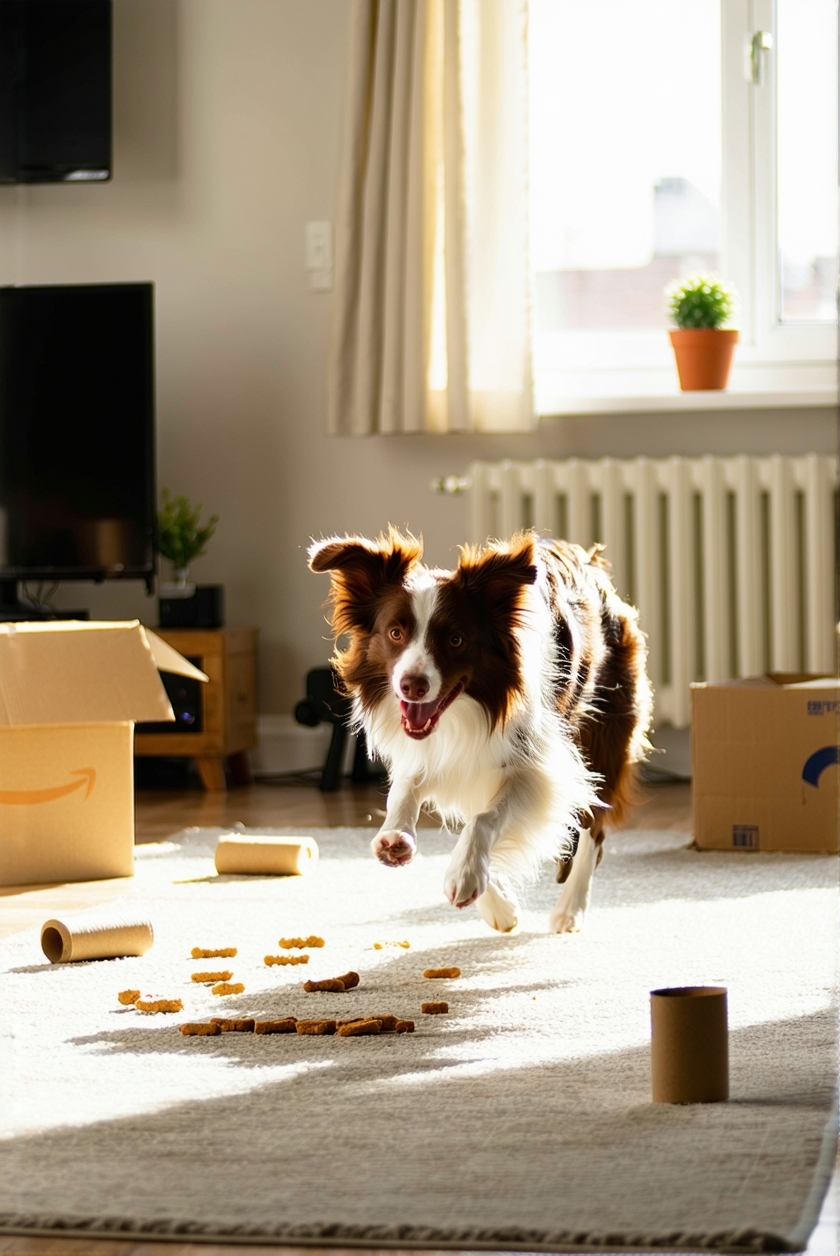
Building on your commitment to positive training, you can create enriching experiences for your dog without straining your budget. Transform everyday household items into engaging puzzle toys and treat-finding games that will keep your pup's mind sharp and focused. Simple cardboard boxes and old towels become exciting tools for scent work and hide-and-seek activities.
Set aside time for daily training sessions at home, teaching new tricks and reinforcing basic commands. You'll strengthen your bond while preventing costly behavioural issues that often stem from boredom.
Create a backyard agility course using household items, or start an indoor fetch routine for rainy days. Don't forget to connect with other dog owners for free playdates – they're perfect opportunities for socialisation while building a supportive community of fellow pet parents.
Frequently asked questions
Why Use Positive Reinforcement Dog Training?
You'll find that positive reinforcement dog training creates a stronger bond with your furry friend while effectively shaping desired behaviours.
Not only will your dog learn faster, but they'll also retain commands better since they're motivated by rewards rather than fear.
You're building trust and confidence in your pup, which leads to better compliance and fewer behavioural issues.
Plus, it's a gentler approach that makes training enjoyable for both of you.
What Is the Rule of 3 in Dog Training?
The Rule of 3 means your dog needs at least three successful experiences with a behaviour in different situations to truly understand it.
When you're teaching a new command, you'll need your pup to practice it in various contexts – such as at home, in the park, and around distractions.
This rule helps you stay patient and realistic about your dog's learning process, as you'll understand why they might perform perfectly at home but struggle elsewhere.
What Are the Benefits of Dog Training Classes?
When you enrol in dog training classes, you'll gain invaluable benefits for both you and your furry friend.
You'll learn effective communication skills that strengthen your bond while your dog develops better socialisation and obedience.
You'll discover how to prevent behavioural issues before they start, and your pup will learn essential impulse control.
Additionally, you'll join a supportive community of fellow dog owners who share your commitment to positive training methods.
Does Purely Positive Training Work?
Like building a bridge of trust, purely positive training absolutely works when you're consistent and patient.
You'll notice your dog becomes more confident and enthusiastic to learn, just as studies show higher compliance rates with positive methods.
Your pup will develop better self-control and decision-making skills, creating a stronger bond between you both.
To summarise
Just like a well-maintained car saves you money over time, investing in positive dog training protects your financial future. You'll avoid costly behavioural interventions, reduce veterinary visits from stress-related issues, and prevent property damage. By choosing force-free methods and implementing budget-friendly training tools at home, you're building a stronger bond with your dog while keeping more money in your pocket. It's a win-win investment in your pet's wellbeing and your financial health, allowing you to save those precious pounds (£) for other important things.