You can create effective dog training tools using everyday household items without spending a fortune. Transform rigid foam insulation into training platforms, PVC pipes into adjustable jumps, and empty containers into scent work games. Make your own clicker using a plastic container with metal inside, or craft a target stick from a chopstick and sticky note. Turn cardboard boxes into tunnels and muffin tins into puzzle feeders. These simple DIY solutions will open up endless possibilities for engaging training sessions with your dog.
Some key takeaways
- DIY platforms made from rigid foam insulation and interlocking mats can be constructed to form stable training stations for under £100.
- Homemade obstacle courses using PVC pipes, hula hoops, and cardboard boxes help to develop agility and confidence in your dog.
- You can create a simple clicker by using metal objects in plastic containers, combined with treats for effective training.
- A target stick can be made from a chopstick and a sticky note to teach nose-targeting behaviours.
- Design scent work games using toilet paper rolls, muffin tins, and boxes to provide engaging mental stimulation for your dog.
Essential Materials for Budget-Friendly Training Tools
While commercial dog training equipment can be pricey, creating your own training tools doesn't have to cost a fortune.
You'll find that DIY dog training platforms are both economical and straightforward to construct with the right materials.
Start with rigid foam insulation as your base – it's a real game-changer that allows you to create twelve platforms for around £100.
You'll need essential tools such as a utility knife, sharpened putty knife, measuring tape, and duct tape to bring your project together.
For added comfort during training sessions and physical exercise, top your platforms with interlocking foam mats.
Remember to measure your dog's standing dimensions and add a few extra inches for comfort.
Having clamps and saw horses on hand will make assembly easier, ensuring your platforms are sturdy and safe for those rewarding training sessions with dog treats.
Platform Training Stations From Household Items
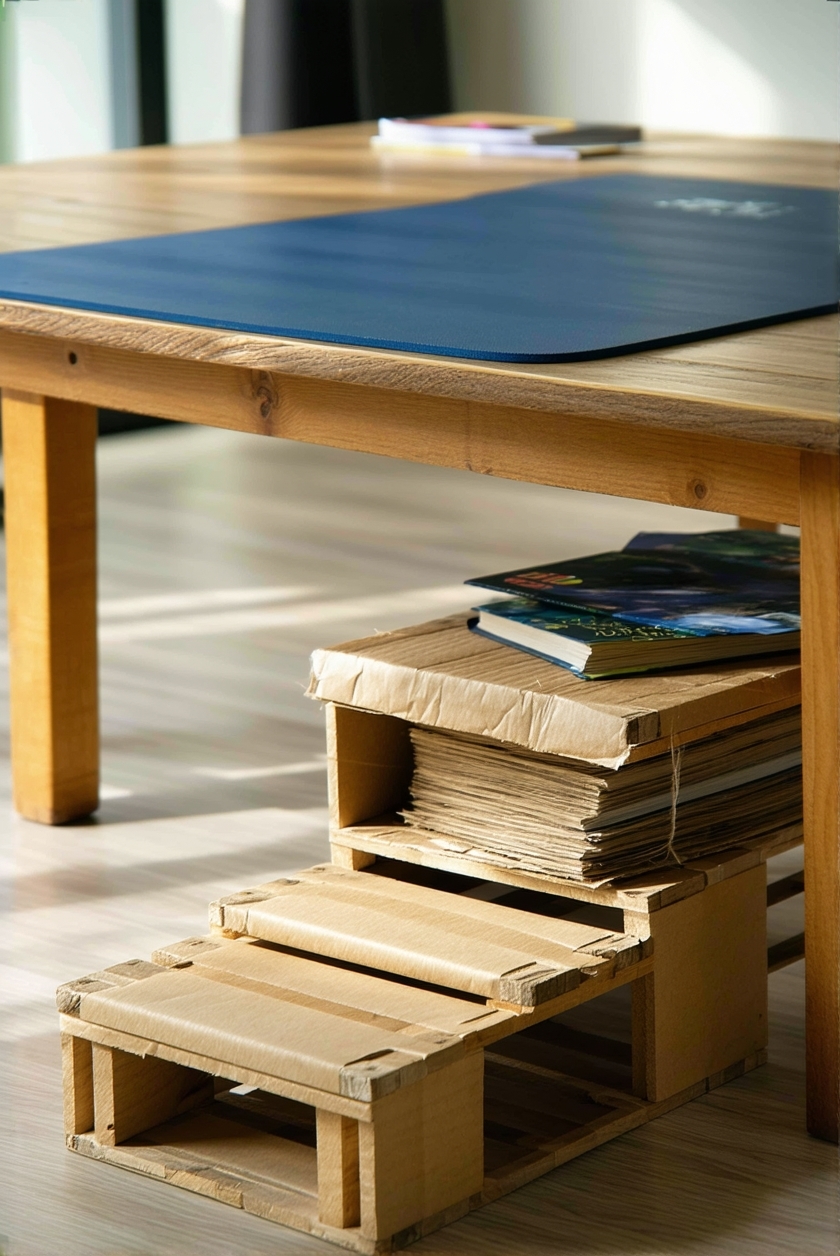
Creating effective training stations doesn't require a trip to the pet shop. You can build customised dog training platforms that will enhance your pup's learning experience using simple materials from your local hardware store.
With just rigid foam insulation and interlocking foam mats, you'll craft twelve sturdy platforms for around £100.
Start by measuring your dog's standing dimensions to ensure a perfect fit. Cut the foam insulation precisely, then secure the mats on top with duct tape.
Place a yoga mat underneath for added stability during training sessions. These platforms are invaluable tools for positive reinforcement training, helping your dog master positions like heel, front, right, and behind.
They'll also boost your pup's mental stimulation and rear end awareness. Remember, precise measurements are key to creating platforms that will support your training goals effectively.
DIY Obstacle Course Elements
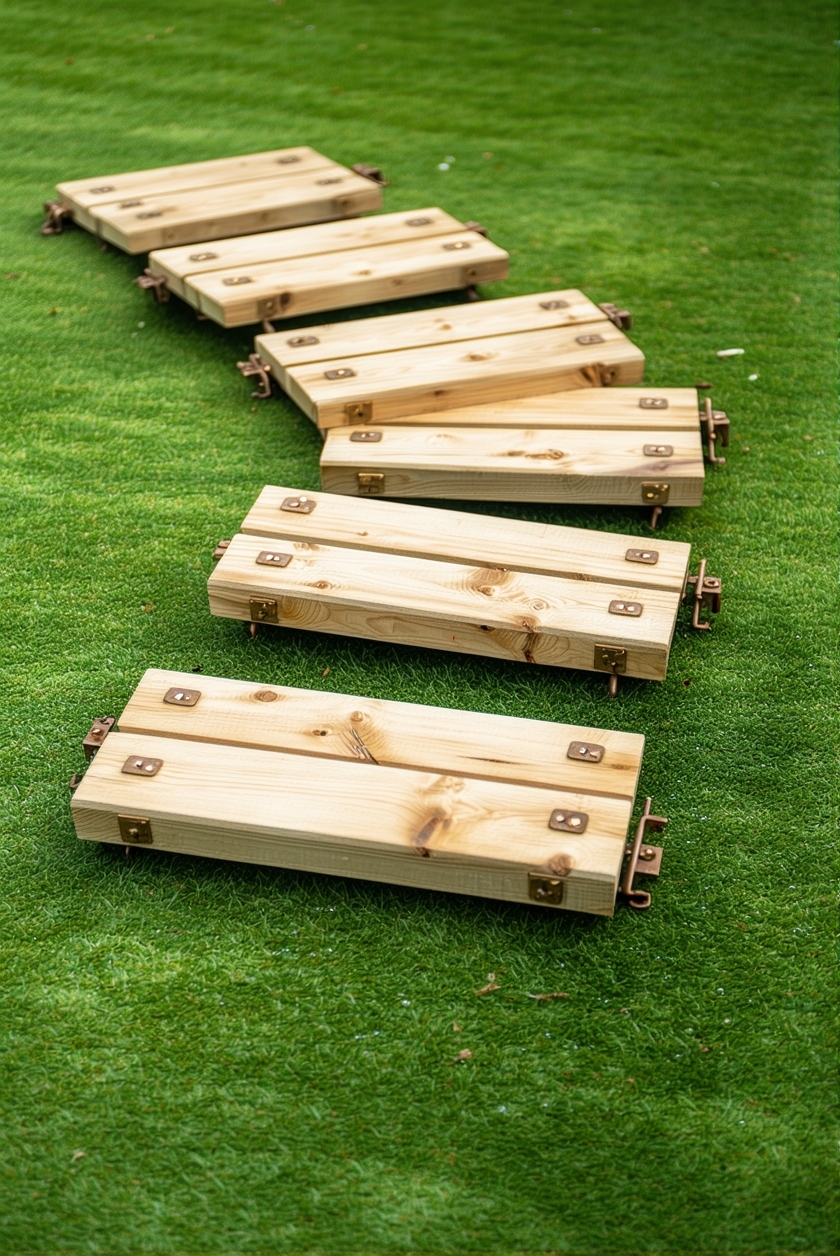
Once you understand the basics of assembly, building a dog obstacle course can be both affordable and enjoyable. Your dogs will adore these training games while earning tasty treats for their efforts.
You'll create wonderful memories together as you design and navigate these engaging obstacles.
Transform everyday items into exciting training elements:
- Connect PVC pipes to create adjustable jumps that build confidence and coordination.
- Position hula hoops between supports for your dog to leap through gracefully.
- Arrange sturdy cardboard boxes into tunnels that encourage exploration.
- Set up weaving patterns using plastic bottles or cones for precision training.
Don't forget to incorporate foam mats for stable platforms and balance boards for coordination work.
You can even repurpose old tyres to add variety to your course. Remember to keep everything secure and celebrate each successful run with your pup.
Homemade Clicker and Target Stick Alternatives
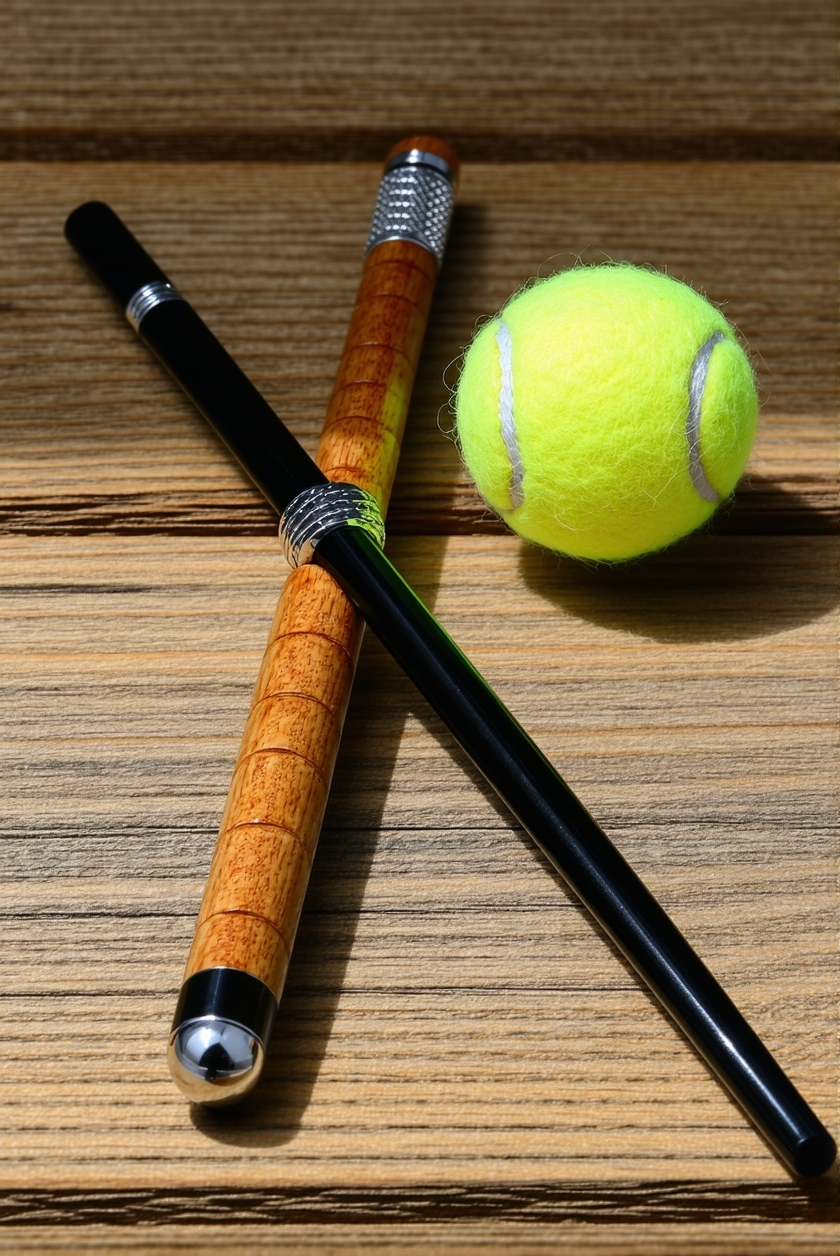
Professional dog training tools can be quite costly, but you'll discover many effective alternatives using common household items.
Create your own clicker training device by placing a small metal object inside a plastic container – it will produce the ideal sound to mark your dog's desired behaviours. For a DIY target stick, simply attach a bright sticky note to a chopstick or dowel, and you're all set to begin positive reinforcement training.
When using your homemade tools, remember to immediately pair the click sound with treats to help your dog make quick associations.
You can keep your dog engaged by teaching them to touch the target stick with their nose, gradually increasing the distance for added challenge. These simple yet effective DIY solutions work just as well as store-bought equipment, making training both affordable and rewarding for you and your pup.
Scent Work Equipment on a Shoestring
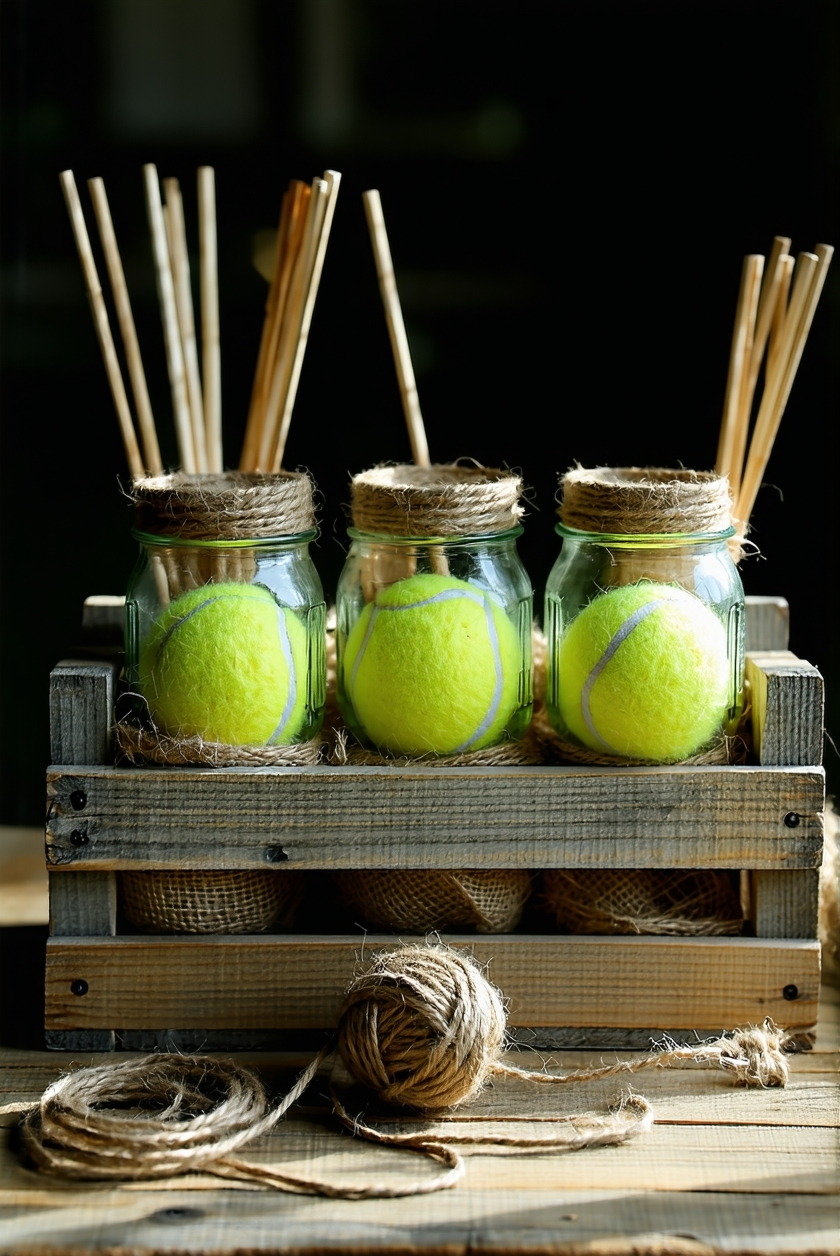
Building on your positive training approach, scent work activities offer another engaging way to challenge your dog without expensive equipment.
You'll love watching your furry friend's excitement as they learn to use their natural sniffing abilities with simple household items.
Create your own scent work setup with these easy DIY options:
- Transform empty toilet paper rolls into treasure tubes by hiding treats inside and folding the ends.
- Convert a muffin tin into a puzzle game using tennis balls to cover tasty rewards.
- Make detection boxes from old shoeboxes, adding ventilation holes and favourite dog toys as markers.
- Build a PVC pipe challenge by inserting different scents and treats at varying heights.
Your dog's tail will be wagging as they master these mentally stimulating games, preventing boredom while strengthening your bond through positive reinforcement.
Recycled Container Puzzle Games
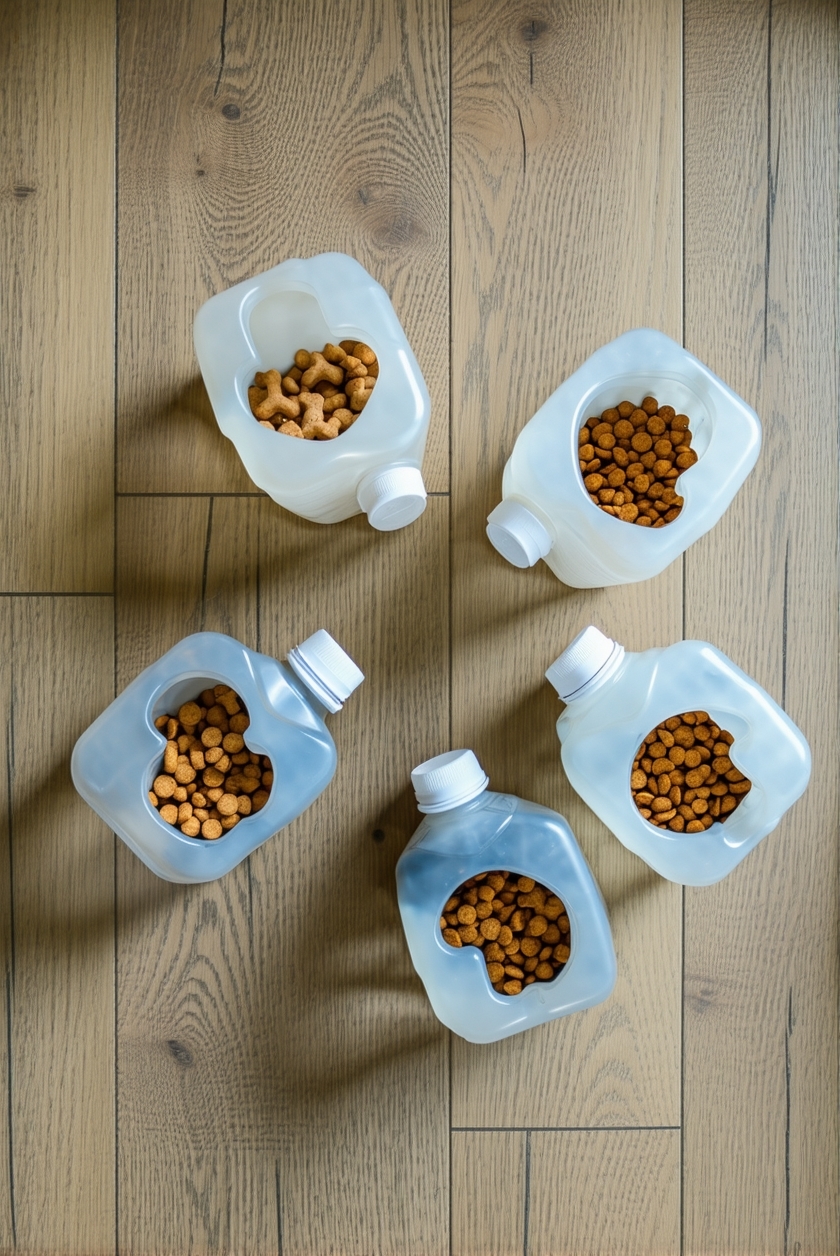
While commercial puzzle toys can be rather expensive, creating engaging brain games for your dog is as simple as rummaging through your recycling bin.
Transform empty toilet roll tubes and shoeboxes into recycled container puzzle games that utilise your dog's scent work abilities.
Start by placing treats in easily accessible locations, then gradually increase the difficulty by adding holes to the tops of the containers.
You can tailor these games to suit your dog's specific needs – consider using a muffin tin covered with balls for more advanced players, or create a ball pit using a kiddie pool for added physical exercise.
Remember to ensure your dog's safety by supervising playtime and preventing them from ingesting any container materials.
With these DIY puzzles, you'll keep your pup mentally stimulated while strengthening your bond through play.
No-Sew Enrichment Toys and Tools
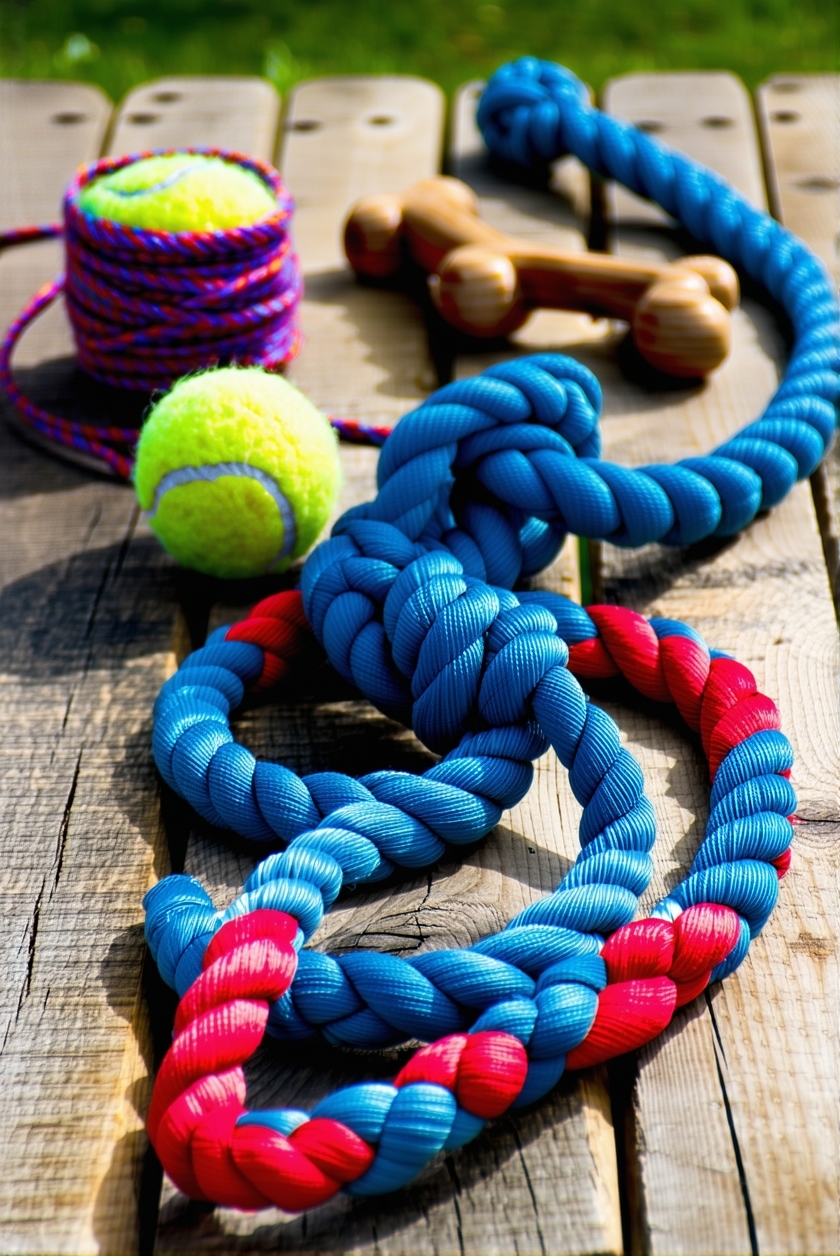
Creating enrichment toys doesn't require any sewing skills or expensive materials – just a few household items and a bit of creativity.
You'll love watching your pup engage with these no-sew enrichment toys that mentally stimulate while providing rewarding fun.
Try these simple DIY treat dispensing toys to keep your furry friend entertained:
- Transform a tea towel into a snuffle mat by placing treats in the centre and tying it loosely.
- Fill a muffin tin with treats and cover each cup with tennis balls for an engaging puzzle.
- Create a treat dispenser using cardboard tubes, folding the ends after filling with soft treats.
- Convert a shoebox into a scent game by hiding treats in different compartments you create.
These enrichment activities tap into your dog's natural foraging instincts while strengthening your bond through positive, reward-based play.
Frequently asked questions
How to Make a Dog Training Platform?
You'll love creating this simple training platform for your furry friend!
Start by measuring your dog's size and adding a few inches for comfort. Cut rigid foam insulation for the base and matching interlocking foam mats for the top. Secure them together with duct tape along all edges.
Once it's ready, encourage your pup to explore the platform using treats and praise, making it a fun, positive experience.
What Can I Use Instead of a Dog Clicker?
You've got several excellent alternatives to a traditional dog clicker!
You can create a clicking sound with your mouth (like a "tsk" noise), use a retractable pen's click, or press down on a small plastic container to generate a distinct sound.
Your verbal marker, such as "yes!", works brilliantly too.
Even your smartphone can assist – there are free clicker apps available.
Whatever you choose, just remember to remain consistent with your marker!
What Is the 5 Second Rule in Dog Training?
Studies show that dogs typically process commands within 1-3 seconds, making the 5 Second Rule a valuable training guideline.
When you give your pup a command, you'll want to wait no more than 5 seconds for their response. If they don't respond within that time frame, simply reset and try again. This keeps your furry friend engaged and prevents frustration.
How to Make a Dog Agility Course Out of Household Items?
You'll love creating a fun agility course at home!
Start by arranging chairs in a line with broomsticks across them for jumps. Use plastic bottles filled with sand as weaving poles, spacing them about 2 feet apart.
Create a tunnel by draping blankets over a row of chairs, and set up a simple balance beam using a sturdy plank.
Don't forget to reward your pup with treats and praise as they navigate each obstacle.
To summarise
Training your dog doesn't necessitate expensive equipment – you now have seven ingenious ways to create effective tools using items from around your home. Research indicates that dogs actually learn better with familiar objects that carry your scent, making these DIY alternatives potentially more effective than shop-bought gear. By crafting your own training tools, you'll strengthen your bond whilst saving money and aiding the environment through creative reuse.