
Working with dogs can provide you with both emotional fulfilment and financial stability in a rapidly growing industry. You'll find diverse career paths including veterinary medicine, professional training, grooming, and animal-assisted therapy – with salaries ranging from £52,650 to £95,460 annually. The field offers high job satisfaction rates and significant mental health benefits through daily animal connections. With projected growth of 20% through 2029, now is the perfect time to explore how your passion for dogs can become a rewarding career.
Some key takeaways
- Dog-related careers offer strong job security, with a projected 20% growth for veterinary positions through 2029.
- Professionals report high job satisfaction, averaging 4.2 out of 5, while earning competitive salaries, with veterinary surgeons averaging £95,460 annually.
- Working with dogs provides therapeutic benefits, as 74% of individuals report improved mental well-being through interactions with animals.
- There are multiple career paths available, including veterinary medicine, professional training, grooming, rehabilitation, and entrepreneurial opportunities.
- Continuous education and specialisation options allow for career advancement and enhanced expertise in specific areas of canine care.
The Growing Demand for Dog-Related Careers

As more households welcome dogs into their families, the animal care industry has experienced unprecedented growth and career opportunities. If you're considering a career working with animals, you'll find the timing couldn't be better.
The growing demand for pet care services has created diverse opportunities in dog training, grooming, and veterinary care.
You'll be joining a field where job satisfaction rates are exceptionally high, with professionals rating their work experience at 4.2 out of 5. The commitment to dog welfare isn't just limited to traditional animal care settings anymore; many companies are now embracing dogs in the office, creating even more opportunities for those passionate about working with canines.
With veterinary technical positions projected to grow by 20% through 2029, you'll find stability and growth potential in this rewarding field.
Essential Skills and Qualifications for Working With Dogs

While a passion for dogs is essential, succeeding in a dog-related career requires specific qualifications and skill sets tailored to your chosen path.
Whether you're aspiring to become a veterinary surgeon or a dog trainer, you'll need to invest in proper education and certification.
Here are the key qualifications you'll need for various dog-related careers:
- Veterinary surgeons must complete a degree in veterinary medicine and develop strong communication skills.
- Dog trainers should pursue certification in animal behaviour and master positive reinforcement techniques.
- Professional groomers need expertise in grooming techniques and breed-specific requirements.
Therapeutic and Mental Health Benefits of Canine Careers

Beyond the professional rewards, pursuing a career with dogs offers remarkable therapeutic and mental health benefits.
You'll join the 74% of pet owners who experience significant improvements in their mental well-being through their connection with animals.
Working with animals naturally reduces your stress levels and enhances happiness through measurable changes in cortisol and oxytocin.
If you're contemplating a career change, you'll find that dog-related professions consistently rate high in job satisfaction, scoring 4.2 out of 5.
The impact extends beyond personal benefits—animal-assisted therapy has proven effectiveness in medical settings, allowing you to make a meaningful difference in others' lives.
You'll discover improved self-compassion and confidence as you develop your skills with these loyal companions.
For those dealing with mental health challenges, a canine career provides both purpose and healing through daily interactions.
Financial Opportunities in the Dog Care Industry

The dog care industry presents lucrative opportunities across multiple specialties, with veterinary surgeons earning average salaries of £95,460 and dog trainers commanding up to £52,650 annually.
As a professional looking to build a career with animals, you'll find numerous paths to achieve your financial goals while providing care for pets.
Consider these rewarding opportunities in the growing animal care sector:
- Become a certified dog behaviourist or trainer, with flexible scheduling and the potential for private practice.
- Launch a dog walking or daycare service, perfect for entrepreneurs seeking independence.
- Specialise in canine hydrotherapy or rehabilitation, meeting the rising demand for specialised pet care.
The earning potential continues to expand as more pet owners seek quality services, making it an ideal time to pursue your passion for working with animals while building a stable career.
Building a Sustainable Career Path With Dogs

Creating a sustainable career with dogs extends far beyond the initial income potential – it requires thoughtful planning, continuous learning, and adaptable skills.
When you're working in dog care, you'll discover opportunities that align with your personal interests while making a positive impact. Whether you choose to become a dog trainer, work at an animal shelter, or pursue veterinary medicine, you'll find high job satisfaction rates across the industry.
The benefits of spending your days with canine companions go beyond financial rewards – studies show it can enhance your own quality of life and mental well-being.
To build a lasting career, focus on obtaining proper certifications and staying current with industry developments. You'll find that investing in your professional growth opens doors to specialisation and advancement, ensuring long-term success in this fulfilling field.
Professional Development and Specialization Options
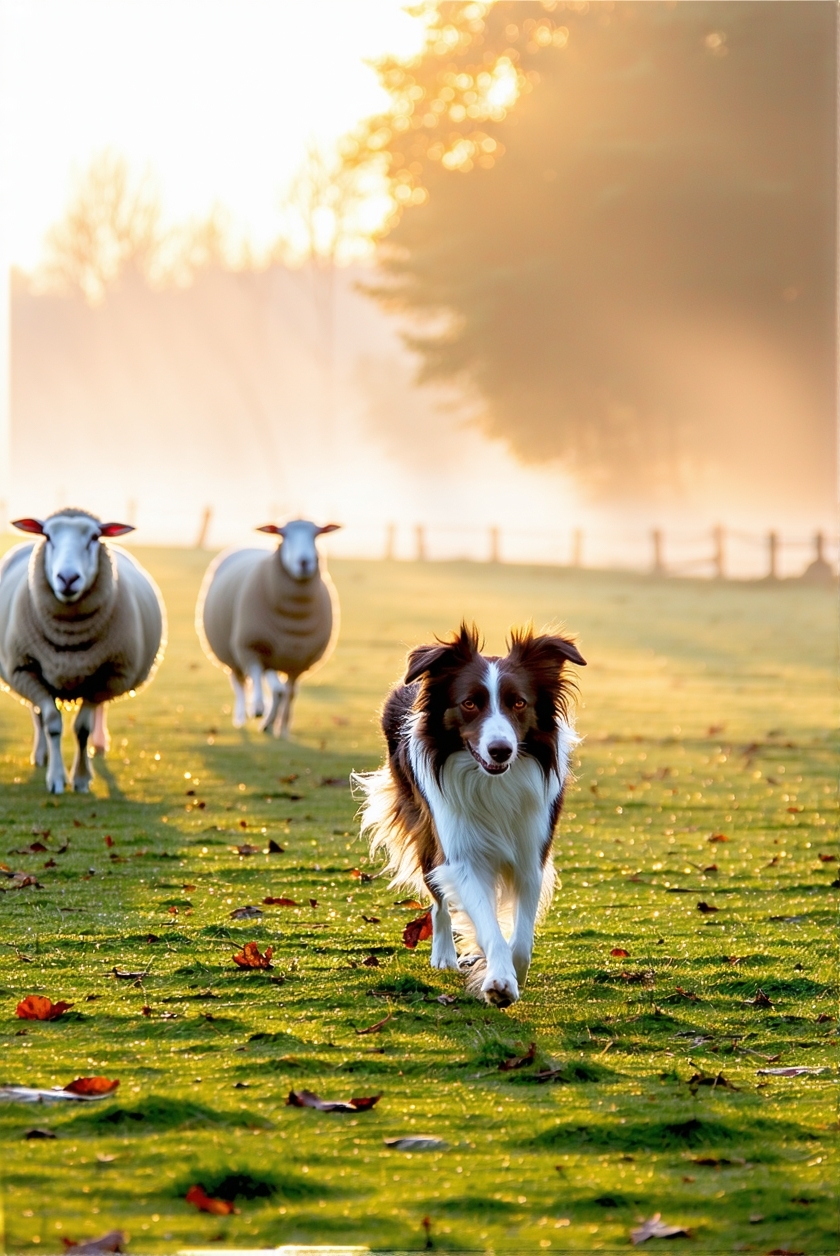
Professional development in dog-related careers opens countless doors for specialisation and advancement. When you work with dogs, you'll find numerous certification programmes and advanced education opportunities that can transform your expertise and credibility in the field.
Here's what you can pursue to enhance your career:
- Formal certification programmes in specialised areas like dog training, behaviour modification, or grooming.
- Advanced degrees in animal behaviour or canine health, leading to roles as behaviourists or veterinary professionals.
- Continuing education through workshops and seminars focusing on cutting-edge techniques.
Whether you're interested in becoming a certified dog trainer or specialising in unique areas like hydrotherapy, your commitment to professional development will set you apart.
The field's evolving nature means you'll always have opportunities to grow, learn, and make a meaningful impact in dogs' lives.
Frequently asked questions
How to Answer Why Do You Want to Work With Dogs?
When explaining your desire to work with dogs, focus on your genuine connection with animals and how they've positively impacted your life.
You can highlight how dogs' unconditional love inspires you, and discuss your commitment to their well-being.
Mention specific experiences that have shaped your passion, whether it's volunteering at shelters or caring for your own pets.
Don't forget to connect your personal values with the proven mental and physical health benefits of working with dogs.
Why Would You Like to Work With Dogs?
Working with dogs offers a uniquely rewarding experience that enriches both your mental and physical well-being.
You're not just caring for animals; you're building meaningful connections that can enhance your happiness and reduce stress.
You'll enjoy staying active through daily interactions, and you'll feel the immediate impact of your work when you see a dog's positive response.
It's a career path where your passion truly makes a difference.
What Motivates You to Work With Animals?
Let's face it – you're tired of working with humans who can't appreciate a good belly rub!
But seriously, you're drawn to working with animals because they offer pure, judgement-free connections that boost your mental well-being.
You'll find that their unconditional love enhances your self-compassion, while the physical demands of animal care keep you active and healthy.
Plus, you'll experience immediate job satisfaction knowing you're making a real difference in their lives every day.
What Is the Highest Paid Job Working With Dogs?
If you're looking to maximise your earnings while working with dogs, you'll find that veterinary surgeons and specialised veterinarians top the salary scale.
You can earn upwards of £120,000 annually as a veterinary surgeon, with emergency and critical care specialists potentially reaching £150,000.
While regular veterinarians earn a median of £95,460, you'll need extensive education and training.
It's a rewarding path that combines your love for dogs with significant earning potential.
To summarise
Like a well-trained dog responding to commands, your career path with canines can become second nature with dedication and purpose. You'll find that the £100 billion pet care industry continues to grow, offering diverse opportunities for those who share their lives with dogs. Whether you're drawn to behaviour training, therapy work, or entrepreneurial ventures, you're entering a field where passion meets sustainable growth and meaningful connection.