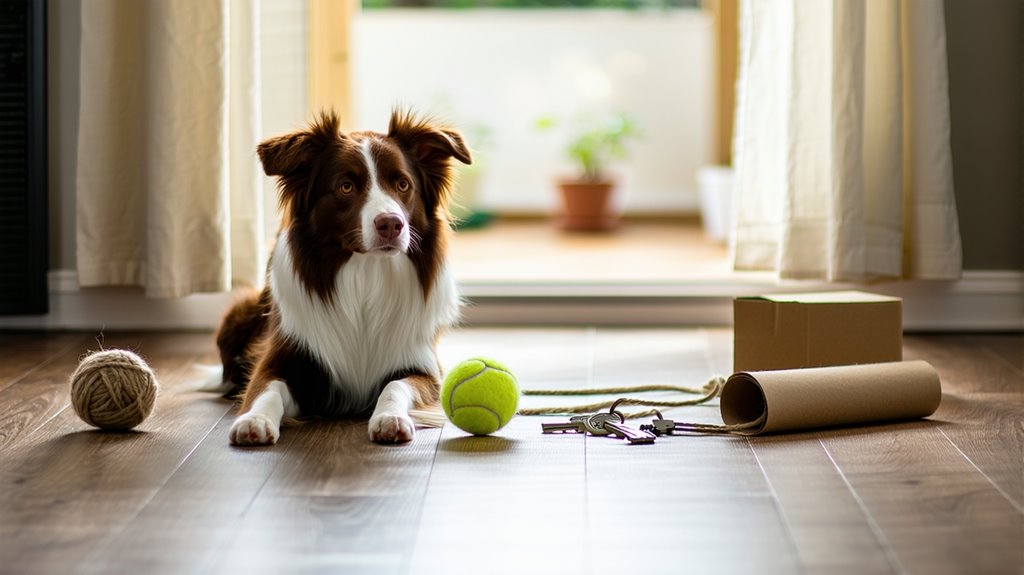
You'll discover effective training tools right at home, beginning with your voice and positive body language as natural communication methods. Transform daily activities such as walks and mealtimes into training opportunities, and convert household items like cardboard boxes and old towels into engaging training aids. Establish consistent routines for improved results, and utilise social environments like parks for real-world practice. These zero-cost approaches open the door to countless training possibilities.
Some key takeaways
- Your voice and body language serve as natural training tools, combining verbal commands with hand signals for effective communication.
- Daily routines such as mealtimes and walks become free training opportunities to practise basic commands and reinforce good behaviour.
- Common household items like cardboard boxes and old towels can be transformed into engaging training tools and interactive puzzles.
- Social environments and public spaces provide no-cost opportunities to practise commands and develop social skills amidst distractions.
- Consistent daily schedules and routines help establish clear expectations without requiring any monetary investment.
Your Voice and Body Language: Natural Communication Tools

When it comes to training your dog, your most powerful tools are already at your disposal—your voice and body language. Your voice can shift from upbeat tones that express excitement and praise to firm commands that capture your dog's attention.
You'll find that matching these vocal cues with appropriate body language strengthens your communication.
Try crouching down and extending your arm to appear more approachable during training sessions. Your dog will feel more comfortable and receptive to learning when you maintain a calm, confident demeanour.
Remember to pair verbal commands with consistent hand signals to enhance understanding. This natural combination of your voice, body language, and positive reinforcement creates a clear communication channel with your furry friend, making training both effective and enjoyable whilst deepening your bond.
Daily Activities as Training Opportunities
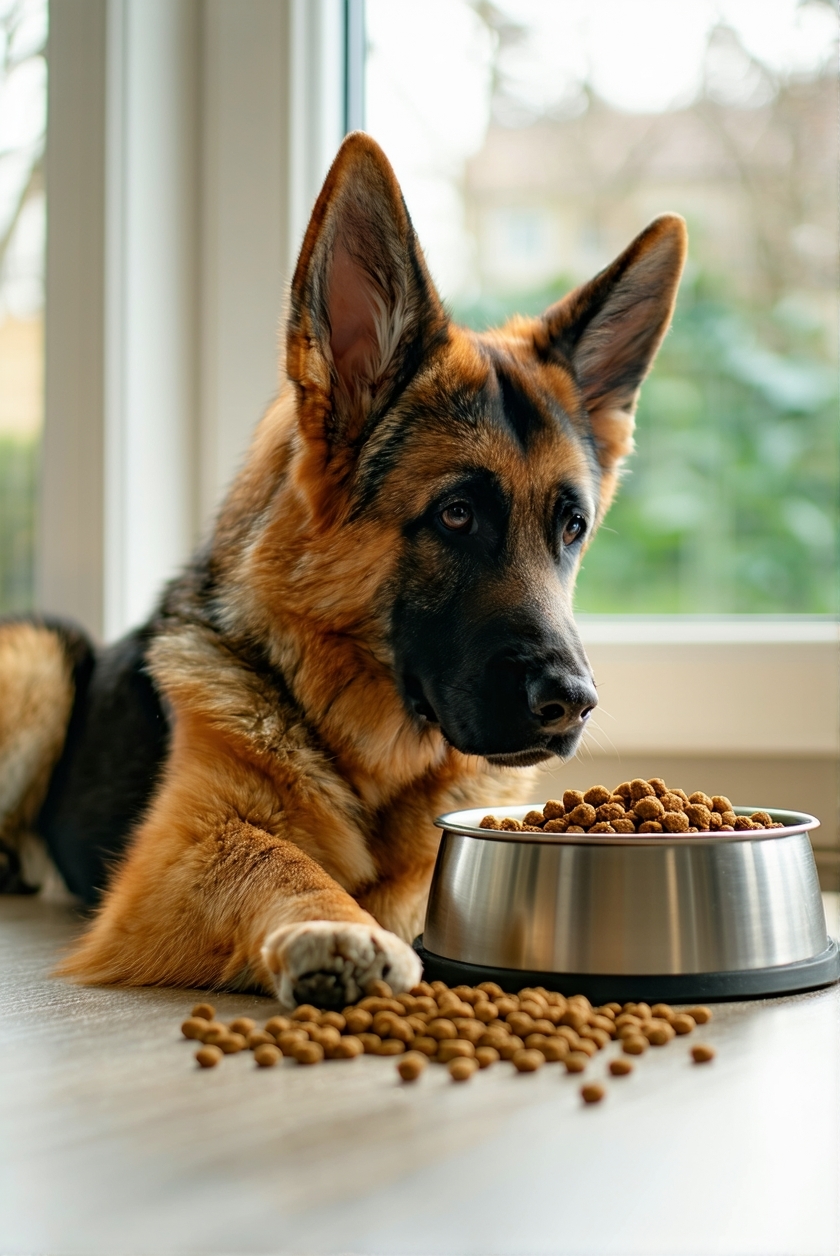
Every moment with your dog presents an opportunity for learning and growth. By incorporating training into daily activities, you'll create natural ways to teach your dog while strengthening your bond. Use mealtimes to practise "sit" and "stay" commands, turning a routine activity into a valuable learning experience.
Transform your daily walks into engaging training sessions by working on heel commands and loose-lead walking. When you're playing together, introduce fetch commands and reward recalls with dog treats to reinforce positive behaviour.
Make everyday moments count by hiding treats around your home, challenging your dog's problem-solving abilities while keeping them mentally stimulated. You can even use casual neighbourhood strolls as chances to practise social skills with other dogs and people, helping your dog learn appropriate greeting behaviours in real-world situations.
Household Items for Interactive Training
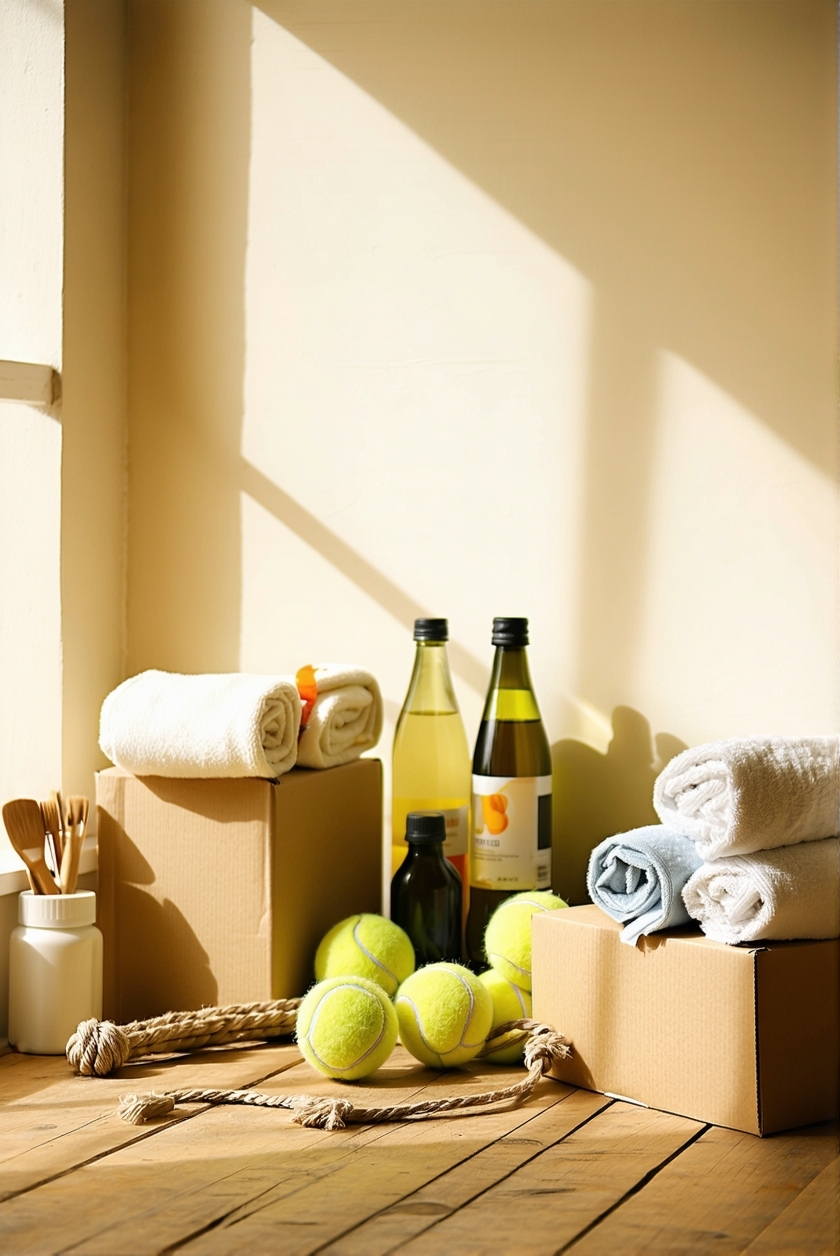
Many common household items can serve as effective training tools, saving you money while providing engaging ways to teach your dog. Transform empty plastic bottles into noise-making toys that will keep your pup entertained during training sessions, making them some of the best dog training tools you already own.
Create interactive play opportunities by turning a simple cardboard box into a treat-finding puzzle, boosting your dog's mental stimulation as they learn to solve problems.
Your old towels become perfect tug toys for teaching essential commands, while measuring cups help you portion treats precisely during training sessions.
For an enriching activity, set up a dig box using a plastic container filled with shredded paper. This gives your dog a designated space to search for hidden treats, combining physical exercise with cognitive challenges in a controlled environment.
Consistent Routines and Time Management
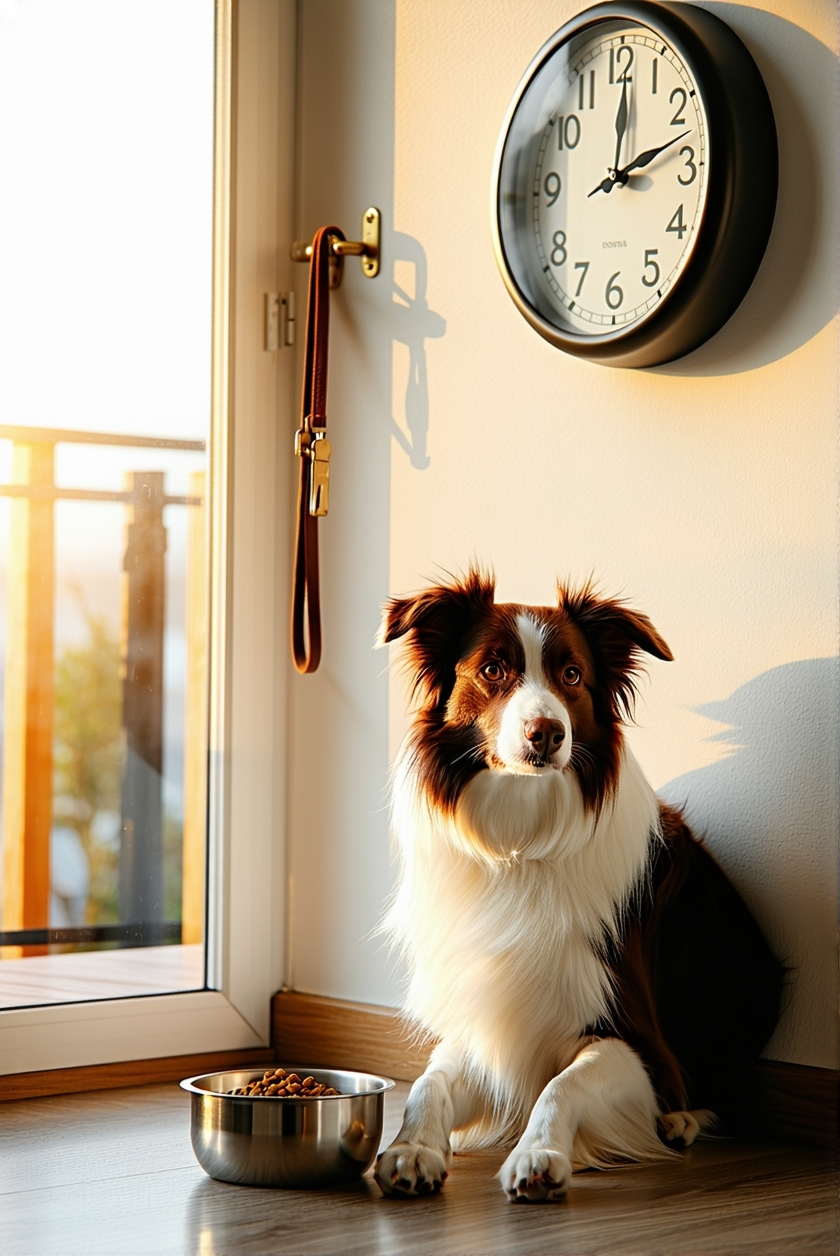
Since dogs thrive on predictability, establishing consistent daily routines forms the foundation of successful training. By integrating training sessions into your daily activities, you'll create a natural rhythm that helps your furry friend understand expectations.
Set specific times for meals, walks, and training to enhance your dog's ability to learn and respond to commands.
- Feel the joy of watching your pup's eyes light up when they know it's training time.
- Experience the deep bond that grows stronger with each consistent routine.
- Share in your dog's excitement as they master new skills through regular practice.
- Celebrate the calm confidence that develops when your dog knows what to expect.
Turn everyday moments into training opportunities by practising commands during walks, playtime, and meals.
Use your phone's timer to maintain consistent training sessions, making learning a natural part of your shared journey together.
Social Environments as Learning Spaces
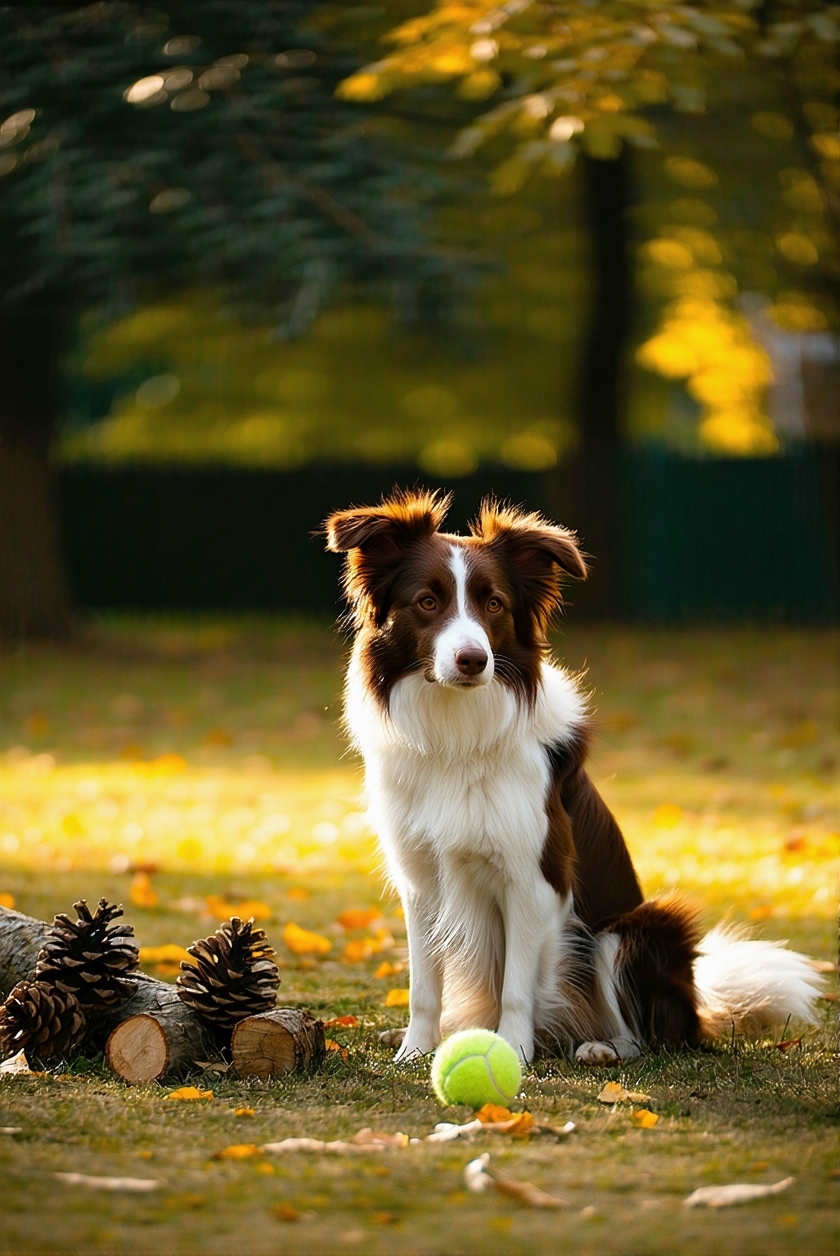
The power of social environments transforms your dog's training journey from basic obedience to real-world success. By visiting pet-friendly spaces like parks and cafés, you're building trust while giving your dog the freedom to explore new experiences.
These settings offer natural opportunities to practise commands amid real-life distractions, helping your dog become more responsive and confident.
You'll find that connecting with other dog owners creates a supportive community where both you and your pup can learn together.
Watch as your dog develops better social skills through positive interactions with other dogs and people. These environments expose your furry friend to various sounds, sights, and situations, naturally reducing anxiety and building adaptability.
Regular visits to these social spaces will help your dog become a well-adjusted companion who's ready for any situation.
Frequently asked questions
How Do I Train My Dog on a Budget?
You can effectively train your dog without spending much money!
Use your dog's regular kibble or cut-up carrots as rewards during training sessions. Make a DIY clicker sound with a pen click or tongue click to mark good behaviour.
Watch free training videos online, and join local dog training communities for tips and support.
Practice basic commands in your garden or home using items you already have, such as a regular lead.
What Is the 3 Second Rule in Dog Training?
Have you ever considered why timing is crucial in dog training?
The 3 Second Rule is your secret weapon for success. You'll need to reward your pup within three seconds of them performing the desired behaviour – it's that straightforward!
When you're prompt with treats or praise, your dog can clearly associate their action with the reward.
It's akin to capturing a snapshot of the moment, aiding your furry friend in understanding exactly what they did right.
What Is the 10 Minute Rule for Puppies?
The 10 Minute Rule is your guideline for keeping puppy training sessions short and enjoyable.
You should limit each training session to just 10 minutes, as your puppy's attention span is still developing.
It's more effective to have several brief, engaging sessions throughout the day rather than one long, frustrating session.
After each 10-minute practice, you can reward your pup with playtime, which helps to create positive associations with training and maintains their enthusiasm.
What Is the Hardest Command to Teach a Dog?
Like teaching patience to an enthusiastic child, the "stay" command is often considered the most challenging command to teach your dog.
You'll find that it tests both your pup's self-control and their natural instinct to follow you. But don't worry – you can master this together!
Start with brief intervals, using your dog's favourite treats, and gradually extend the duration.
To summarise
Training your dog doesn't need to cost a penny when you're equipped with these natural tools that are right at your fingertips. Like a skilled conductor leading an orchestra, you'll guide your furry friend using your voice, daily routines, and everyday items found around your home. By incorporating these zero-cost methods consistently and positively, you'll build an unshakeable bond while teaching your dog valuable life skills.