Save thousands annually on dog care by mastering seven essential monthly routines. You'll want to focus on at-home grooming, DIY dental care, smart nutrition choices, and regular health checks you can perform yourself. Regular brushing reduces shedding by 90%, while daily teeth cleaning prevents costly dental issues. Combined with a preventive care calendar and budget-friendly feeding strategies, you'll keep your pup healthy without straining your wallet. Discover how these simple practices can lead to significant savings.
Some key takeaways
- Monthly at-home grooming with basic tools can save you up to £1,200 annually while ensuring your dog stays clean and comfortable.
- Performing DIY dental care with canine toothpaste and dental chews helps prevent expensive periodontal disease treatments in the future.
- Purchasing quality dog food in bulk and preparing homemade treats can significantly lower your monthly nutrition costs while ensuring your dog remains healthy.
- Conducting regular health checks at home, including inspections of your dog's teeth, ears, and skin, allows you to identify issues early on before they escalate into costly problems.
- Developing a preventive care calendar assists in tracking essential monthly maintenance tasks, helping you avoid expensive emergency veterinary visits.
At-Home Grooming: Your Monthly Money-Saving Routine
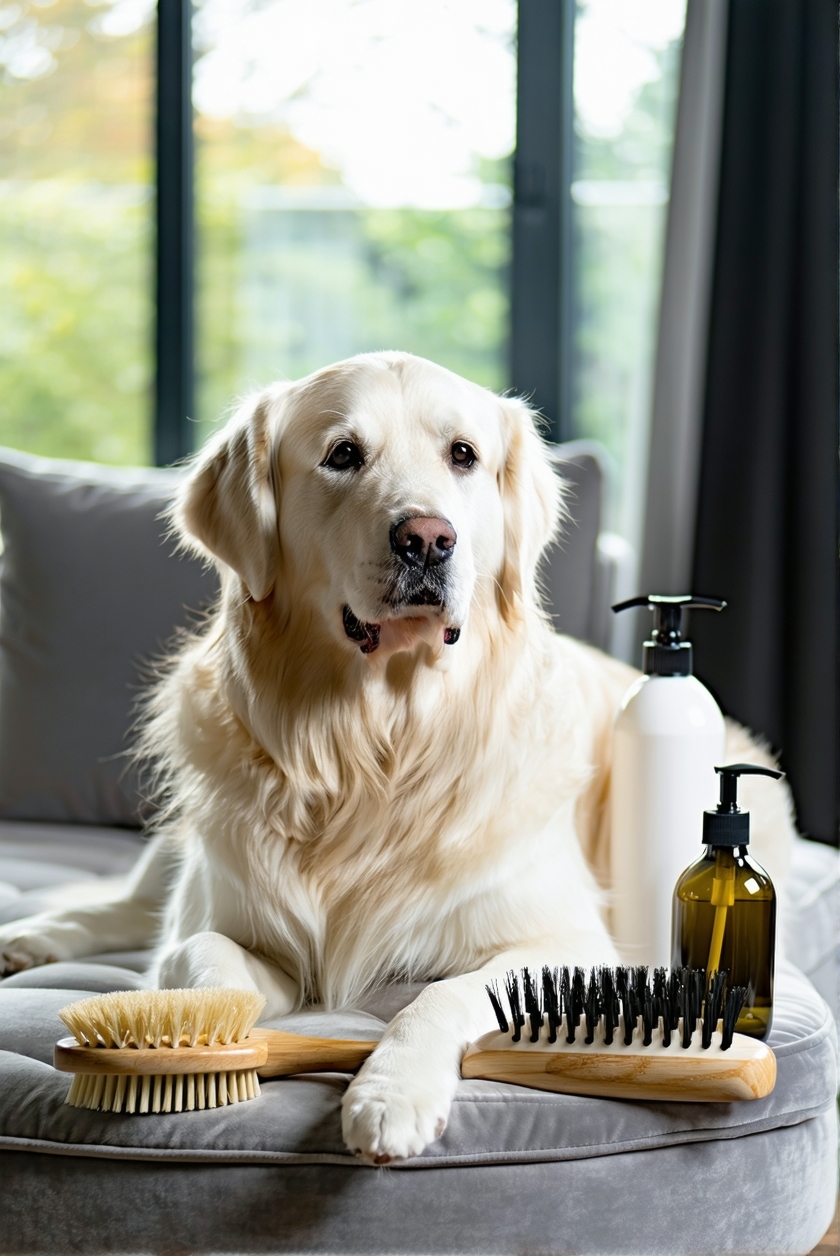
While professional grooming services can quickly drain your wallet, establishing a regular at-home grooming routine can save you hundreds of pounds each year. By investing in essential grooming tools like a quality brush, nail clippers, and dog-specific shampoo, you'll create a cost-effective solution that pays for itself within months.
Your monthly grooming routine doesn't just save money—it's an opportunity to bond with your pet while maintaining their overall well-being. Regular brushing reduces shedding by up to 90% and helps you spot potential health issues early.
You'll save up to £1,200 annually by dedicating time to these simple tasks, and your pup will love the extra attention. Plus, you'll develop a deeper connection with your furry friend while keeping them clean, comfortable, and healthy.
DIY Dental Care: Simple Steps for Healthy Teeth and Gums

Just as humans need daily dental care, your dog's oral health requires consistent attention to prevent serious health issues.
Start your dog's teeth brushing routine gradually, using canine toothpaste and a soft finger brush before moving to a dog-specific toothbrush. Make it a positive experience for your furry friend.
Keep an eye on those healthy gums – they should be a lovely shade of salmon pink. Any changes in colour or swelling warrant a visit to the vet.
Given that 80% of dogs develop periodontal disease by age three, daily dental care is vital. Complement your brushing routine with dental chews that help reduce plaque while entertaining your pup.
Don't overlook those professional cleanings at the vet – they're essential for removing stubborn tartar and maintaining your dog's overall oral health.
Your dedication to regular dental care now will prevent costly problems later on.
Budget-Friendly Nutrition: Smart Feeding Without Overspending

Feeding your dog nutritiously doesn't have to drain your wallet. With smart budget-friendly nutrition strategies, you'll keep your furry friend healthy while saving money.
Start by researching different dog food brands to find cost-effective options that meet your pet's nutritional needs. Don't assume the priciest food is the best – many affordable brands offer excellent balanced diet profiles.
You can maximise savings by buying in bulk or subscribing to regular deliveries. Watch those portion sizes carefully – overfeeding wastes money and can lead to health issues.
Consider making homemade dog treats using simple ingredients from your kitchen. They're not only cheaper than shop-bought options but also healthier without artificial preservatives.
Monthly Health Checks You Can Do Yourself

Keeping your pet healthy goes beyond proper nutrition – regular at-home health checks can catch potential issues before they become serious problems. As responsible dog owners, you'll want to establish a monthly routine that includes essential examinations.
Start by checking your dog's teeth and gums monthly – they should be a healthy salmon pink and free from any buildup.
Don't overlook those regular ear checks; they're vital for preventing ear infections. Your good dog will appreciate gentle body and skin checks to spot unusual lumps or skin conditions early.
Remember to trim your dog's nails each month to keep them comfortable during walks.
Create a simple health checklist to track these inspections, along with your pet's weight and overall condition.
These preventive measures help you avoid costly health problems while strengthening your bond through caring touch.
Exercise and Play: No-Cost Activities That Keep Your Dog Fit
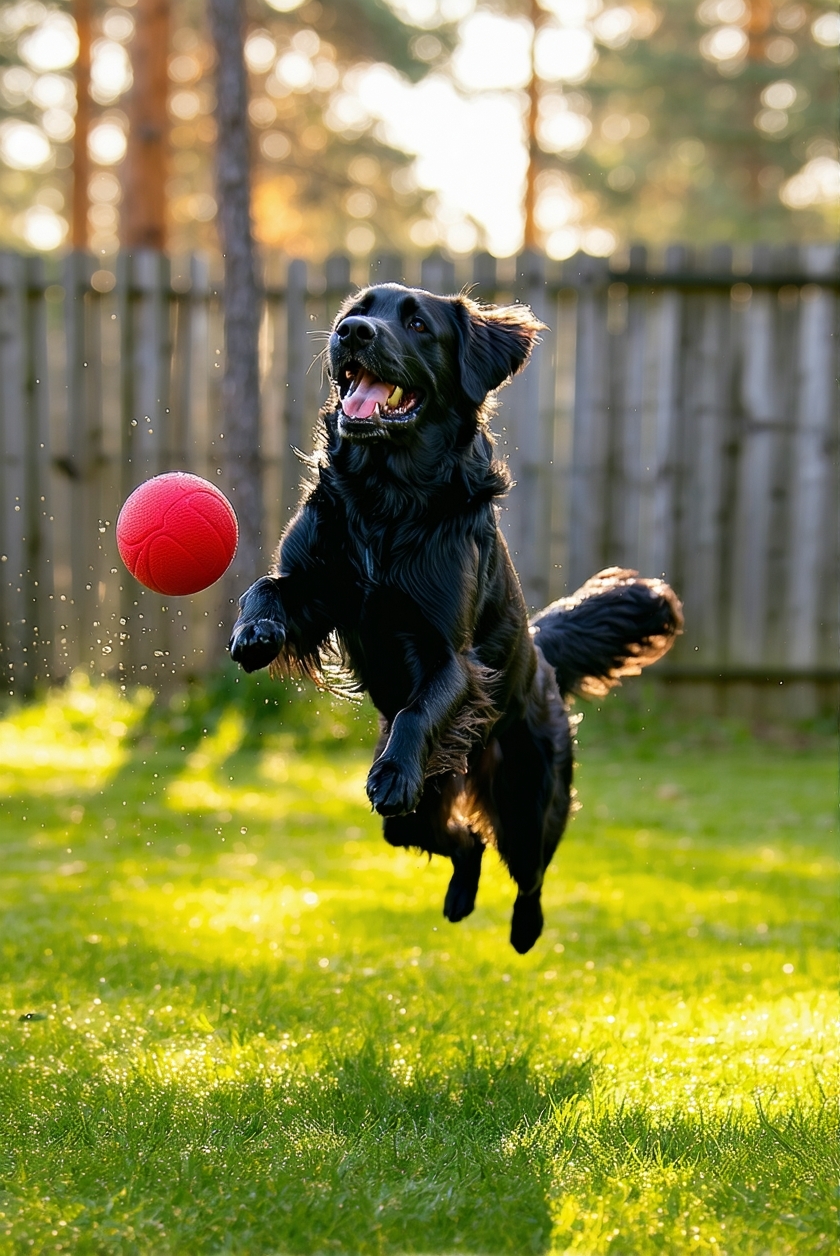
While expensive toys and equipment can be appealing, keeping your dog fit doesn't have to cost a penny. Daily walks of at least 30 minutes are essential for providing exercise and stimulating your dog's mental health. Engaging in interactive play through games like fetch and tug-of-war not only burns off excess energy but also strengthens the bond between you and your furry friend.
For added variety and challenge, consider these no-cost activities:
- Create a backyard agility course using everyday household items for jumps and weave poles.
- Visit local parks for off-leash play and opportunities for your dog to socialise with other dogs.
- Teach new tricks and commands, combining mental stimulation with physical activity.
These straightforward activities ensure your dog remains both physically fit and mentally sharp.
Preventive Care Calendar: Timing Essential Treatments
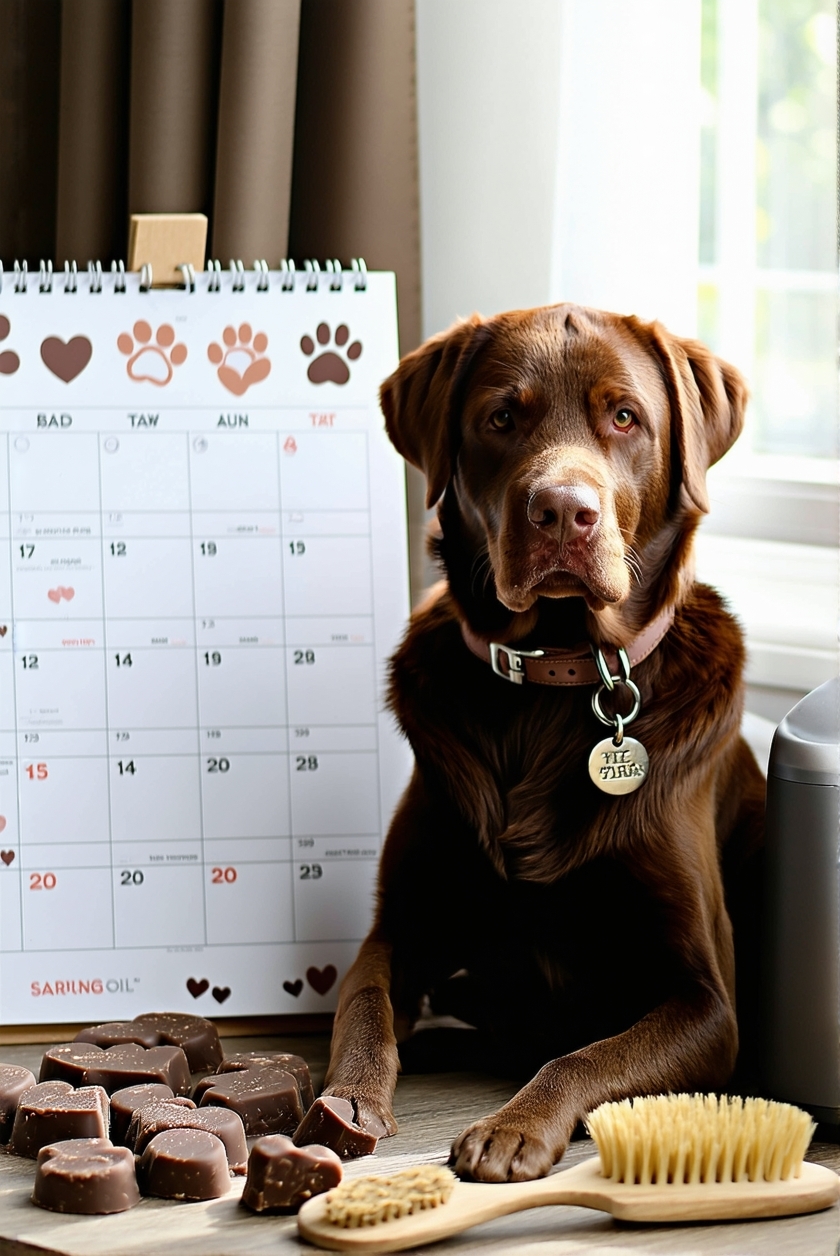
A well-organised preventive care calendar serves as your roadmap to maintaining your dog's ideal health throughout the year.
Start by scheduling monthly check-ups that cover dental hygiene, grooming, and flea and tick treatments. These routine sessions help you spot potential issues before they become serious concerns.
Mark your calendar for annual wellness exams with your vet to monitor crucial health indicators and keep vaccinations current.
You'll want to begin heartworm prevention when your pup is 6-8 weeks old, continuing monthly thereafter.
Include regular ear and skin checks in your monthly routine to catch any early signs of infection or allergies.
Smart Storage Solutions for Dog Supplies and Medicine
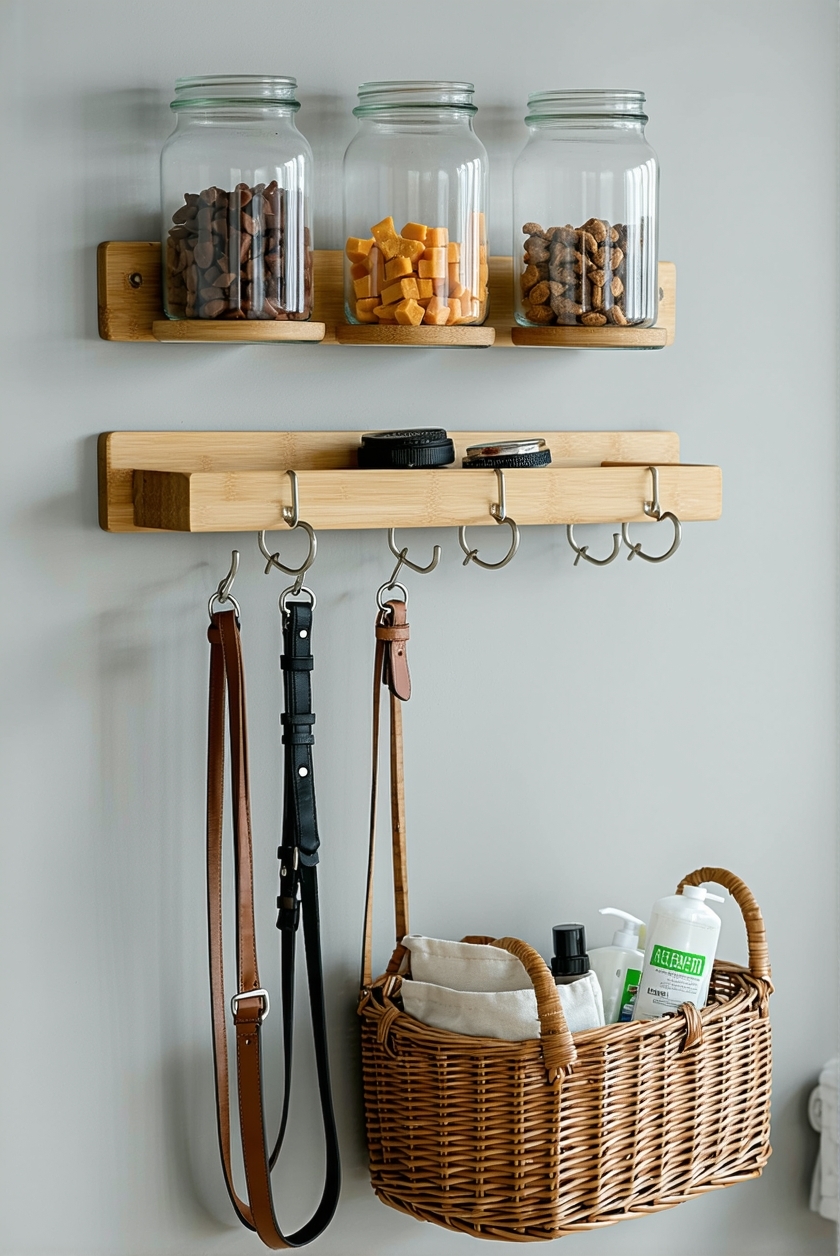
To maintain a safe and orderly home for your dog, smart storage solutions make all the difference. As a pet parent, you'll find that organising dog supplies in stackable storage bins creates an efficient environment while saving valuable space.
Label everything clearly so you can quickly locate items when needed, from grooming supplies to medications.
Create a well-organised pet care station with these essential elements:
- A dedicated medication container stored in a cool, dry place, safely out of reach.
- Stackable bins for food, treats, and daily care items.
- A multi-functional wall station with hooks for leads and compartments for toys.
Every dog owner should regularly review and declutter their storage system, removing expired medications and unused items.
This simple practice guarantees you'll always have what you need while maintaining a safe, organised space for your furry friend.
Frequently asked questions
What Dog Can Be Left Alone for 8 Hours?
You'll find that Basset Hounds, Bulldogs, and Shiba Inus handle alone time remarkably well – they're naturally independent breeds that can manage 8-hour stretches.
If you have an adult dog that's crate trained, you're already on the right track.
Keep your pup's mind engaged with puzzle toys and adhere to regular feeding and toilet schedules.
What Dogs Need Monthly?
Your furry friend requires several essential monthly care routines to remain healthy and happy.
You'll want to ensure regular grooming, including brushing and bathing with suitable shampoo for their coat type.
Don't forget to trim their nails, brush their teeth, and check their ears for any signs of infection.
It's also important to monitor their weight and overall health through consistent monthly assessments to catch any potential issues early.
What Is the Most Low Maintenance Dog?
Looking for a furry companion that won't demand too much of your time and energy? The Basenji stands out as the most low-maintenance dog breed.
You'll appreciate their cat-like self-grooming habits and minimal shedding. They're naturally clean, quiet (they don't bark!), and require less exercise than other breeds.
While Bulldogs and Shiba Inus are also low-maintenance options, the Basenji's independent nature and minimal grooming needs make them the easiest to care for.
How Do I Stop My Dog From Breaking Things?
You'll want to tackle your dog's breaking habits through a three-pronged approach.
First, provide your pup with plenty of appropriate chew toys to redirect their energy.
Second, establish a consistent training routine using "leave it" commands with positive reinforcement.
Finally, ensure you're offering enough exercise and mental stimulation – a tired dog is less likely to be destructive.
To summarise
Proper planning and preventive practices keep your pup healthy while protecting your wallet. You'll save significant money by mastering these monthly essentials, from basic grooming to savvy storage solutions. Incorporating these mindful actions into your regular routine won't just reduce costs – it will also strengthen the bond with your furry companion. You're now equipped to provide premium care without the premium price tag.