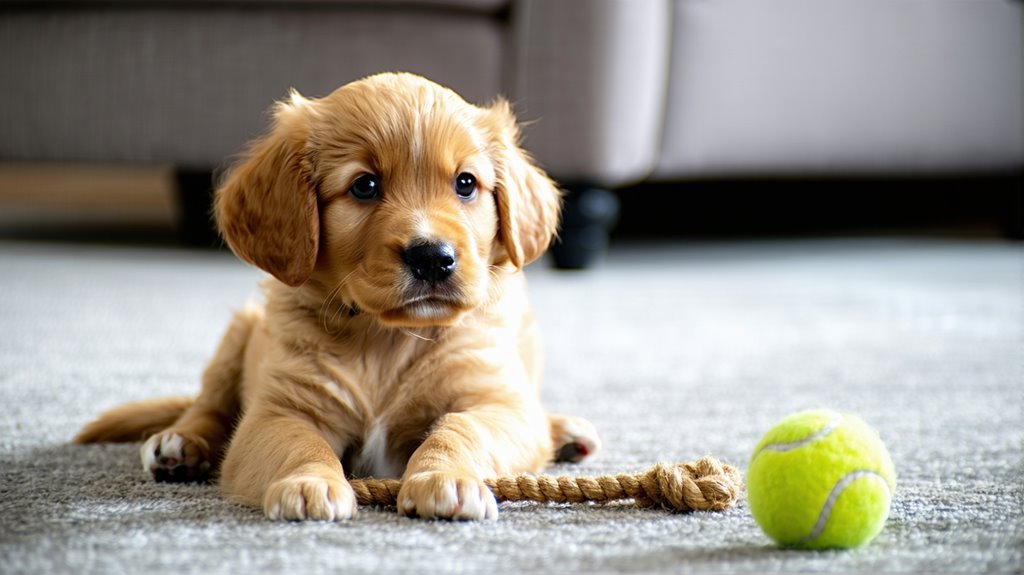
You should begin training your puppy as soon as they arrive home, typically around 8 weeks old, when their brain is most receptive to learning. Keep training sessions brief (5-15 minutes) and utilise positive reinforcement with treats and praise. Focus on basic commands such as "sit," "stay," and "come," while also prioritising socialisation with new experiences and people. Understanding your puppy's critical development phases will assist you in establishing the best foundation for success.
Some key takeaways
- Start training your puppy immediately when they come home at 8 weeks old, as this is when their brain is most receptive to learning.
- Begin with essential routines like potty training and crate training on day one to establish good habits early.
- Keep initial training sessions short (5-15 minutes) and focus on basic commands like "sit," "stay," and their name.
- The critical learning window is between 8-16 weeks, making this period crucial for socialisation and foundational training.
- Early training builds trust, confidence, and proper behaviour patterns that will shape your puppy's development into adulthood.
The Critical 8-Week Training Window

When you bring your new puppy home at around 8 weeks old, you're entering a golden period for training and development. During this vital window, your puppy's brain is like a sponge, ready to absorb new experiences and learn essential behaviours that will shape their future.
Your early puppy training sessions should focus on basic commands like "sit," "stay," and "come." These fundamental skills create a foundation that will set the stage for more advanced training later.
Make sure to expose your little one to various environments, people, and sounds during this time – it's important for building their confidence and social skills.
Building Trust Through Early Training
Building a strong foundation of trust with your puppy starts during those precious early training sessions. When you begin training at 8 weeks old, you're establishing a crucial connection that will shape your relationship for years to come.
By keeping training sessions short, between 5-15 minutes, you'll create a stress-free environment where your puppy can thrive and learn.
One of the most effective puppy training tips is using positive reinforcement through treats and enthusiastic praise. This approach helps your puppy associate training with joyful experiences, strengthening your bond naturally.
As you engage in consistent training routines, you'll notice your puppy becoming more responsive to your cues. Combined with early socialisation, these training sessions help build a confident, well-adjusted puppy who trusts you completely in various situations.
Key Milestones in Puppy Development

Understanding your puppy's developmental timeline helps you set realistic training goals and celebrate important achievements. Your puppy's brain is most receptive to learning between 8 to 16 weeks, making this the perfect window to introduce basic cues and establish positive habits.
Start with name recognition and simple commands at 8 weeks, then progress to potty training your puppy with a consistent schedule by 10-12 weeks.
- Watch your puppy's eyes light up when mastering their first "sit" command at 8 weeks.
- Feel the joy of successful crate training milestones around 3 months.
- Share the pride when your pup confidently responds to commands in new environments at 6 months.
Following this puppy training timeline guarantees you're working with your pup's natural development, creating a strong foundation for lifelong learning.
Setting Up a Successful Training Foundation
To create a rock-solid training foundation, you'll want to start working with your puppy from day one of their arrival home. By establishing consistent routines early on, you're setting your little one up for success in their training journey.
Keep your training sessions short and sweet, lasting about 5-10 minutes, to align with your puppy's natural attention span. Use positive reinforcement such as treats and cheerful praise to reward behaviours you want to see more of. Remember, your puppy is eager to please and learn from you.
Make socialisation a priority by safely introducing your puppy to new experiences, people, and vaccinated dogs. This exposure builds their confidence and adaptability.
Essential Commands for Young Puppies

Three fundamental commands form the bedrock of your puppy's early training: "Sit," "Stay," and "Come."
You'll want to start teaching these essential commands when your puppy is around 8 weeks old, as their young minds are especially receptive to learning during this period.
Keep your basic commands training sessions short, around 5 minutes each, and use positive reinforcement such as treats and praise.
Practice in different settings to help your puppy respond reliably everywhere.
- Always use your puppy's name lovingly during training to build a deep, lasting bond.
- Watch their tail wag with joy as they master each new command through gentle guidance.
- Celebrate every small victory together, strengthening your special connection.
Creating an Age-Appropriate Training Schedule
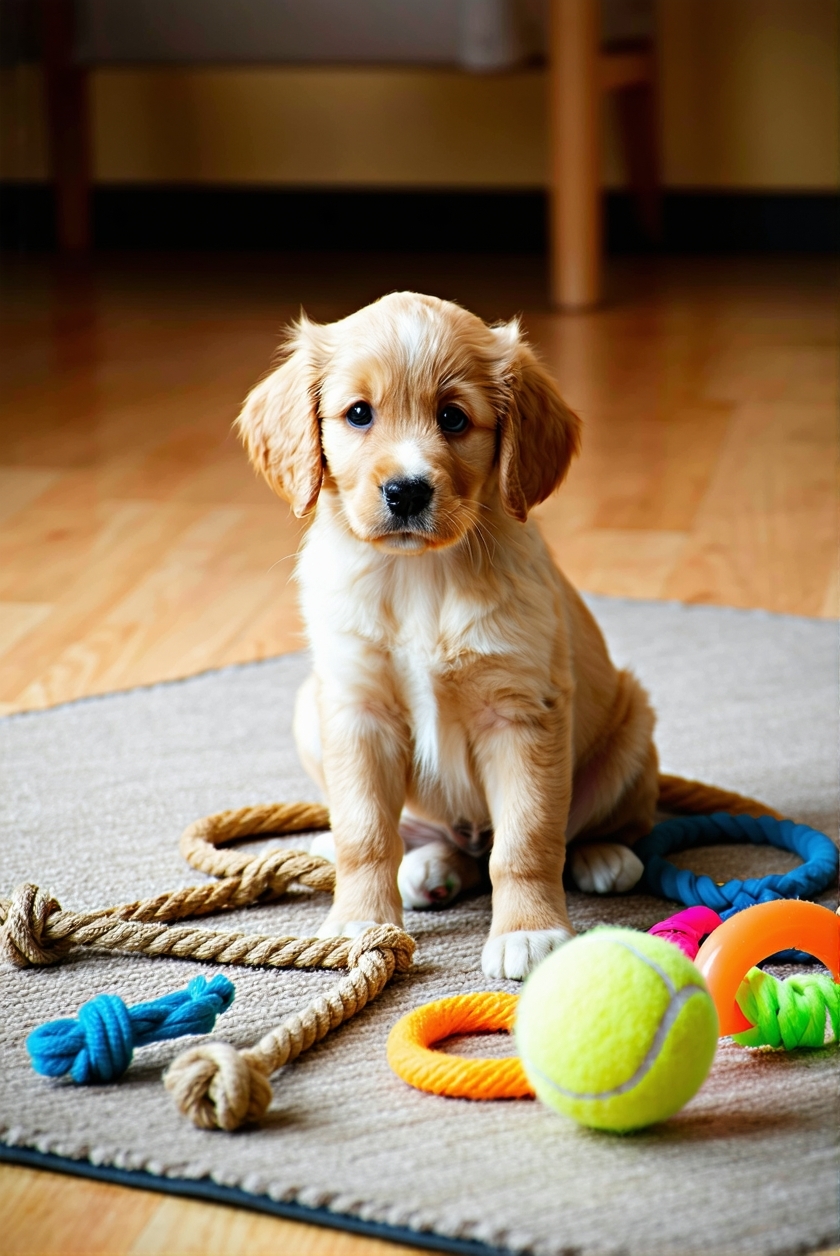
Once you bring your new puppy home, you'll want to establish a consistent training schedule that matches their developmental stage and attention span.
Start training with short 5-15 minute sessions spread throughout the day, keeping your pup engaged and enthusiastic to learn.
Your puppy training schedule should begin at 8 weeks with fundamental skills. Focus on basic puppy training commands like "Sit," "Stay," and "Come," while introducing potty training routines.
By 10-12 weeks, you can gradually increase the complexity of these exercises. When your pup reaches 12-16 weeks, consider enrolling in puppy classes to enhance their socialisation skills.
Remember to adjust your training approach as your puppy grows. Incorporate new environments and distractions to build their confidence and reinforce their learning in different situations.
Recognizing Your Puppy's Learning Readiness

Understanding your puppy's learning readiness signals will help you make the most of your training schedule. Your puppy's journey begins at 8 weeks of age, when their brain is most receptive to forming positive associations and learning new behaviours.
During the critical socialisation period between 8 to 14 weeks, you'll notice your puppy's natural curiosity and enthusiasm to explore their world.
- Your puppy shows increased alertness and engagement during interactions, indicating they're ready to absorb new information.
- Your puppy maintains focus for short periods, suggesting they can participate in brief training sessions.
- Your puppy demonstrates interest in following you and responding to your voice, showing their emotional readiness for training.
Remember that each puppy develops at their own pace, so adjust your expectations and training methods to match your puppy's individual learning readiness.
Balancing Training With Socialization
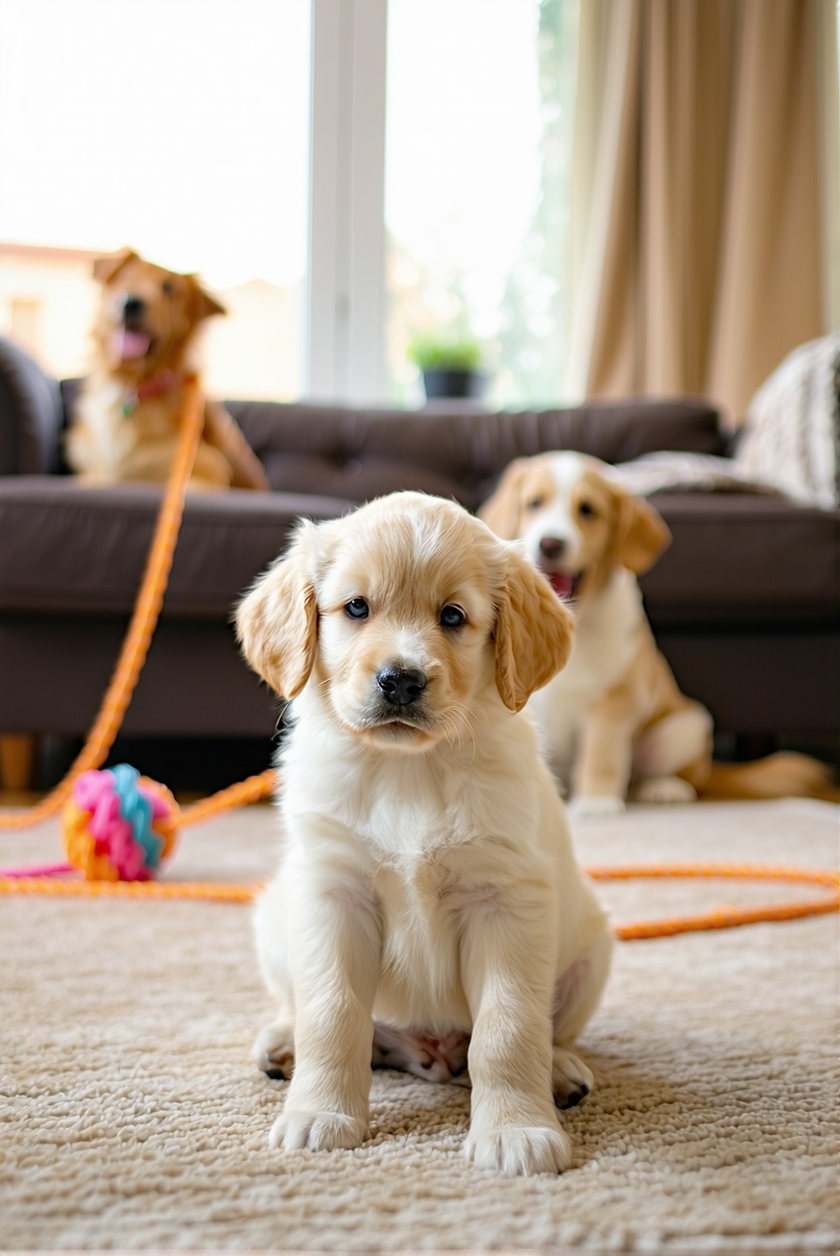
While your puppy learns basic commands, it's equally essential to incorporate socialisation into your training routine. The critical window between 8 and 14 weeks offers the perfect opportunity to combine both activities, as your puppy is naturally receptive to new experiences during this time.
Take your training sessions to different environments where your puppy can practise commands while encountering various people, sights, and sounds. Always ensure these experiences remain positive and controlled – you'll want to avoid overwhelming your little one.
Introduce your puppy to calm, friendly dogs and gentle individuals who can help build their confidence. Remember, each positive interaction during training strengthens both their learning and social skills, setting them up for a well-adjusted adult life without fear-based behaviours.
Common Challenges in Early Puppy Training

Early puppy training comes with its share of common hurdles that you're likely to encounter along the way.
Your puppy's developing bladder control means potty training requires patience and a structured schedule. As your little one explores the world with their mouth during teething, you'll need to consistently redirect them to appropriate chew toys.
- You'll feel proud when your puppy masters impulse control through "Wait" and "Leave It" commands, transforming from an excited ball of energy into a well-mannered companion.
- You'll experience joy watching their confidence grow as they overcome initial fears during socialisation.
- You'll build a stronger bond through consistency in training, when everyone in your family uses the same cues and commands.
Measuring Training Progress by Age
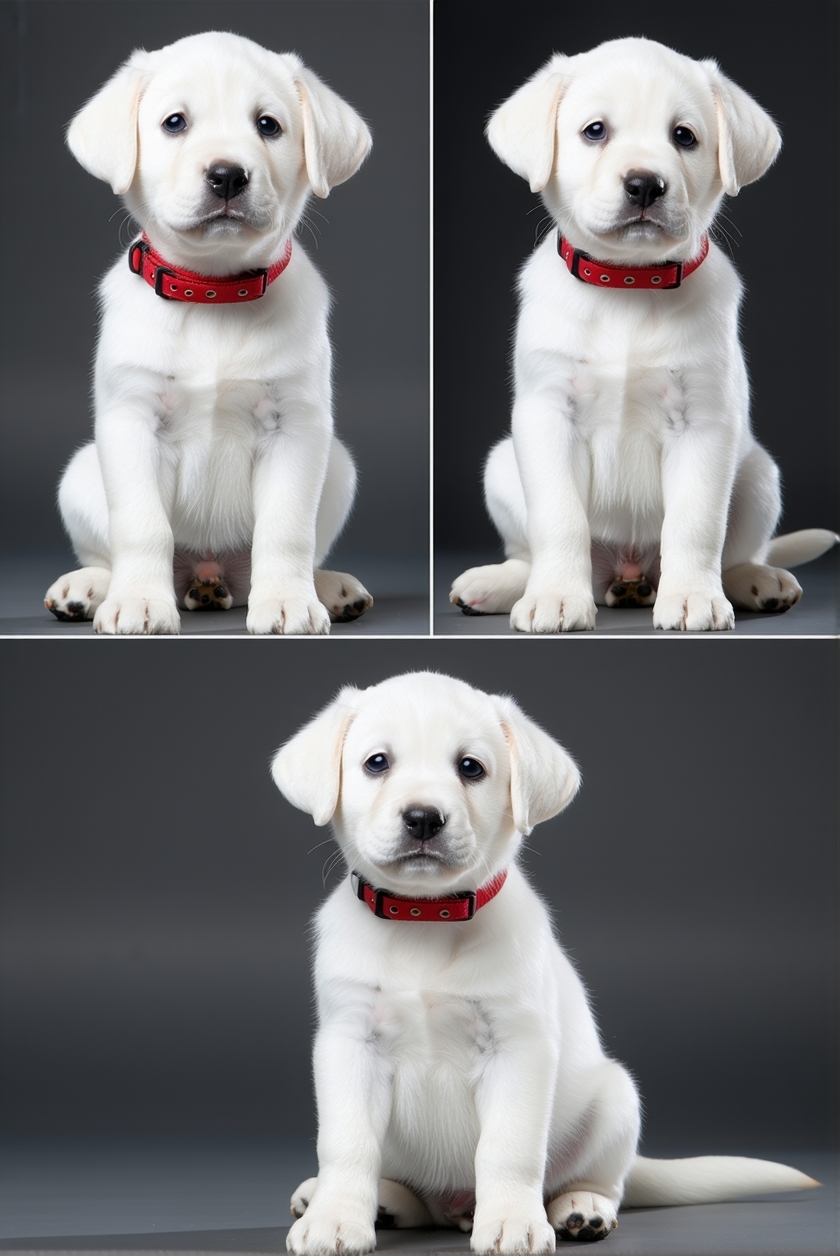
To successfully track your puppy's development, you'll want to assess their training milestones based on age-appropriate expectations.
When training your new puppy, start with crate and potty training at 8-10 weeks, laying the groundwork for future learning.
By 10-12 weeks, your pup should respond to their name and begin mastering basic commands.
The 3-4 month mark is essential, as your puppy should grasp more complex commands like Leave-It and Stay. Use structured play sessions to reinforce desired behaviours during this period.
Between 6 months and one year, you'll see your training efforts pay off as your puppy demonstrates reliable command responses, even with distractions present.
Remember to celebrate each milestone, as these achievements indicate you're on the right path to raising a well-mannered companion.
Frequently asked questions
What Is the First Thing You Should Train Your Puppy?
The first thing you'll want to teach your puppy is to respond to their name.
When you call them, ensure you establish eye contact and use an upbeat, encouraging tone. It's a fundamental building block that creates a strong connection between you and your pup.
You can start this training straight away by pairing their name with treats and praise whenever they look at you.
What Is the Best Age to Start Puppy Obedience Training?
You'll want to start training your puppy around 8 weeks old, which perfectly coincides with the time most puppies leave their mother and siblings.
At this age, your pup's brain is like a sponge, ready to soak up new experiences and learning. You'll find they're naturally curious and receptive to gentle guidance.
Keep your training sessions short and sweet, about 5-15 minutes, and you'll be amazed at how quickly your little one picks up new skills.
How Soon Should I Start Training a Puppy?
You'll want to start training your puppy as soon as you bring them home, ideally around 8 weeks old.
Their young brain is like a sponge during this time, making it perfect for learning basic cues and good habits.
Don't wait – those early weeks between 8-16 weeks are precious for socialisation and building confidence.
Is It Better to Get a Puppy at 8 Weeks or 10 Weeks?
Bringing your furry friend home at 8 weeks is generally considered the ideal moment to start your journey together.
While a 10-week-old pup may be slightly more physically developed, you'd miss out on those invaluable early bonding moments and essential socialisation opportunities.
At 8 weeks, your puppy's brain is like a sponge, making it the perfect time to instil positive behaviours and forge that special connection that you'll treasure for years to come.
To summarise
Like a tiny sapling growing into a mighty oak, your puppy's training journey begins the moment they enter your home. You'll want to start gentle training as early as 8 weeks old, building on your pup's natural developmental stages. Remember, you're not just teaching commands – you're nurturing a lifelong bond. Stay consistent, patient, and positive, and you'll watch your puppy blossom into a well-adjusted adult dog.