You can save money bathing your dog with these seven simple methods: Mix DIY natural shampoo using castile soap, create a budget-friendly bathing station with a paddling pool, conserve water by using a controlled-flow nozzle, speed up the process with pre-brushing, dry effectively with repurposed towels, maintain daily brushing routines, and use waterless cleaning products between baths. These cost-cutting strategies will transform your dog's grooming routine into an efficient, wallet-friendly experience, making it easier on your purse (£).
Some key takeaways
- Create DIY shampoo using castile soap or oatmeal powder instead of costly commercial products.
- Set up a portable bathing station with a kiddie pool and garden hose for an economical alternative to professional grooming.
- Reuse old towels and household items like cotton wool balls to avoid purchasing specialised grooming supplies.
- Implement water conservation techniques by using a small tub and capturing rinse water for other purposes.
- Extend time between baths with regular brushing and spot cleaning using waterless products.
DIY Natural Shampoo Alternatives
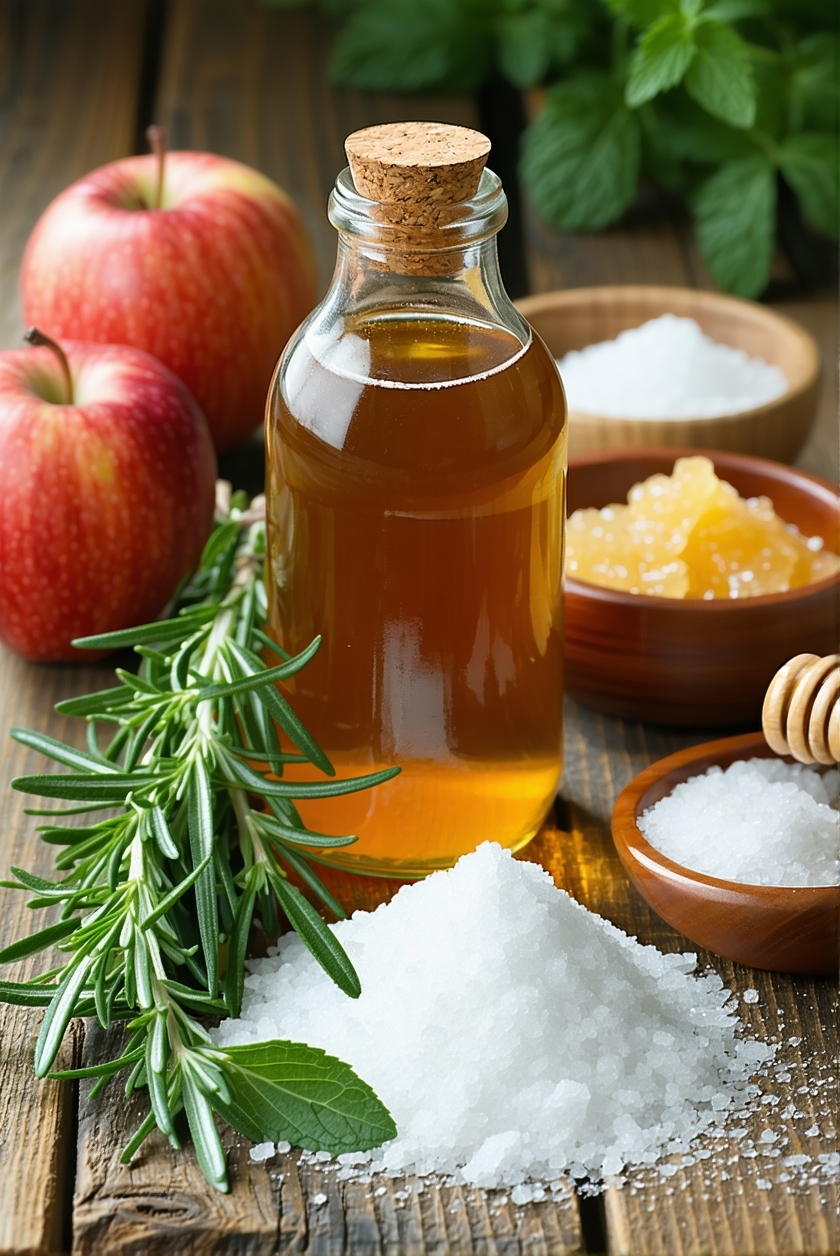
When it comes to keeping your dog clean, you don't need to spend a fortune on commercial shampoos. Create your own gentle cleaning solution by mixing one cup of unscented castile soap with water for a basic DIY dog shampoo that's kind to your pup's skin and coat.
For dogs with itchy skin, blend a cup of plain oatmeal into powder and mix with water to form a soothing paste.
Combat unwanted odours by combining equal parts baking soda and water, creating a natural solution for neutralising smells.
After washing, rinse your furry friend with diluted apple cider vinegar (one part vinegar to four parts water) to balance pH levels and add shine.
For extra pampering, combine coconut oil with lavender or chamomile essential oils to moisturise while cleaning, promoting a healthier appearance that'll make your dog feel fantastic.
Money-Saving Bath Equipment Hacks
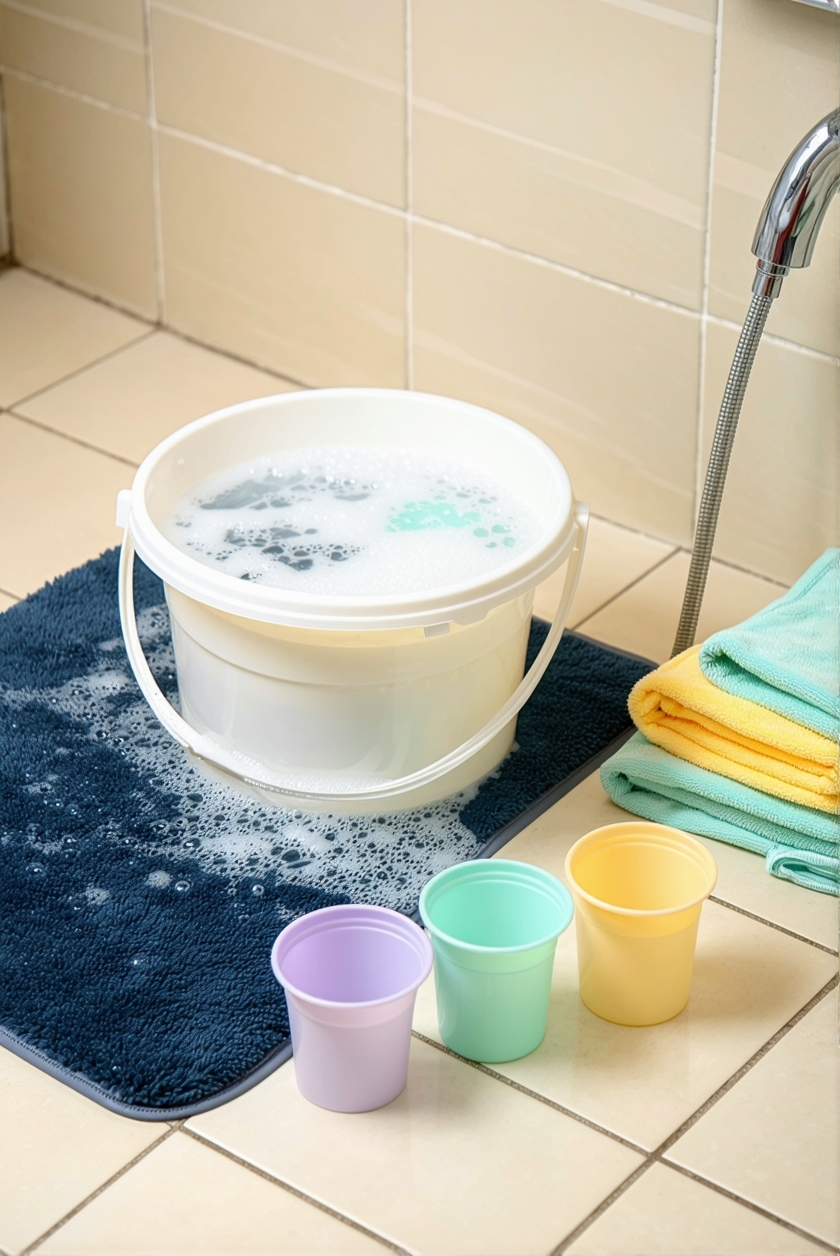
Beyond making your own natural cleaning solutions, getting creative with bathing equipment can dramatically reduce your dog care expenses.
Set up a plastic kiddie pool in your garden for a budget-friendly bath time solution that uses less water than traditional baths. Your garden hose with a gentle mist setting provides you with perfect control over water flow, making the experience more comfortable for your furry friend.
Don't overlook simple household items – old towels work just as effectively as fancy pet drying products, and cotton balls provide excellent ear protection during baths.
When you combine these equipment hacks with your homemade dog shampoo made from dog-safe ingredients, you'll create a complete bathing station that's both practical and economical.
These clever substitutions help you maintain your pup's hygiene without breaking the bank.
Water Conservation Techniques
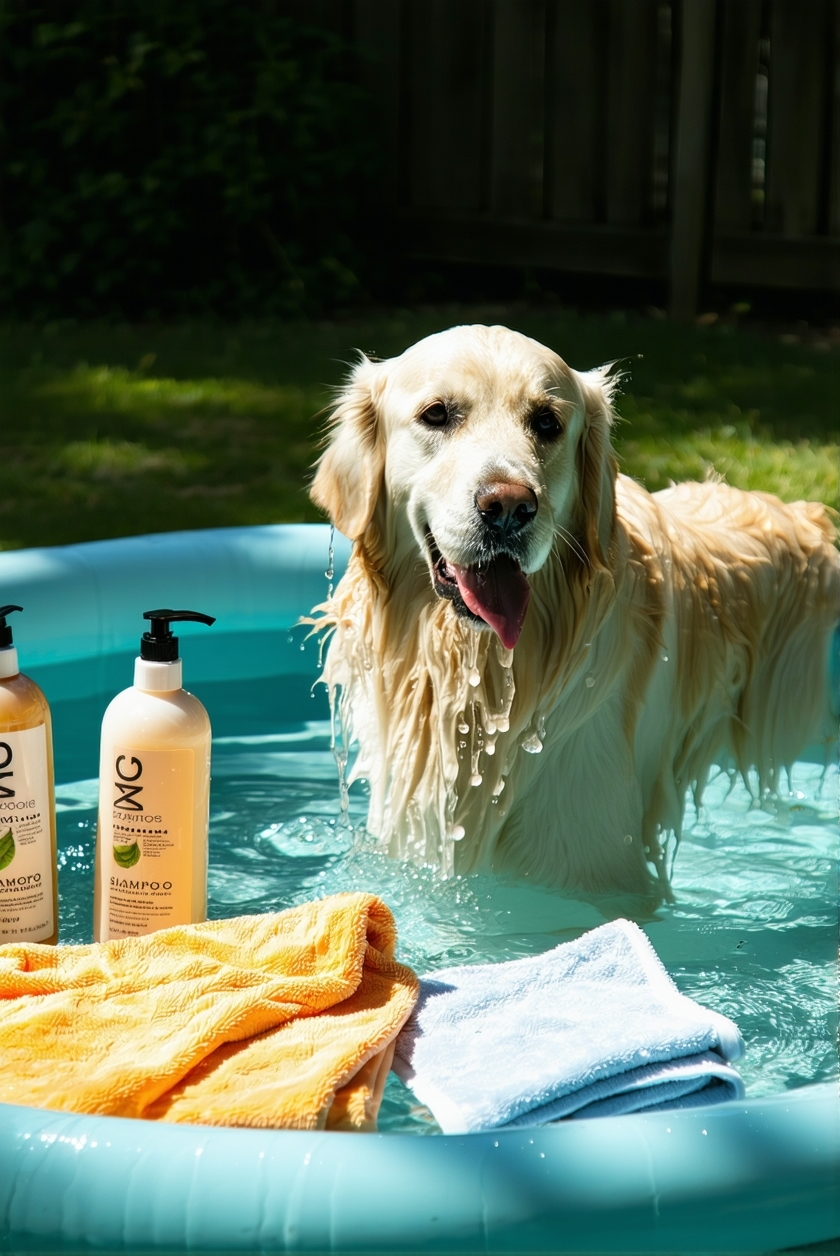
Smart water conservation during dog baths helps you save money while protecting the environment.
You'll find success by using a plastic pool or small tub to minimise water usage while still getting your dog clean. Control water flow by using a hose with a mist or shower nozzle setting, which prevents waste during rinsing.
Make the most of the water in your dog's bath by catching rinse water in buckets to reuse on plants.
Take advantage of rainy days by bathing dogs outside, letting nature assist with the process.
Remember that excessive bathing isn't necessary – assess your dog's activity level and coat condition to determine when it's truly time for a wash.
These simple water conservation techniques guarantee both a clean dog and a lower water bill, helping you save those precious pounds and pence.
Time-Efficient Bathing Methods
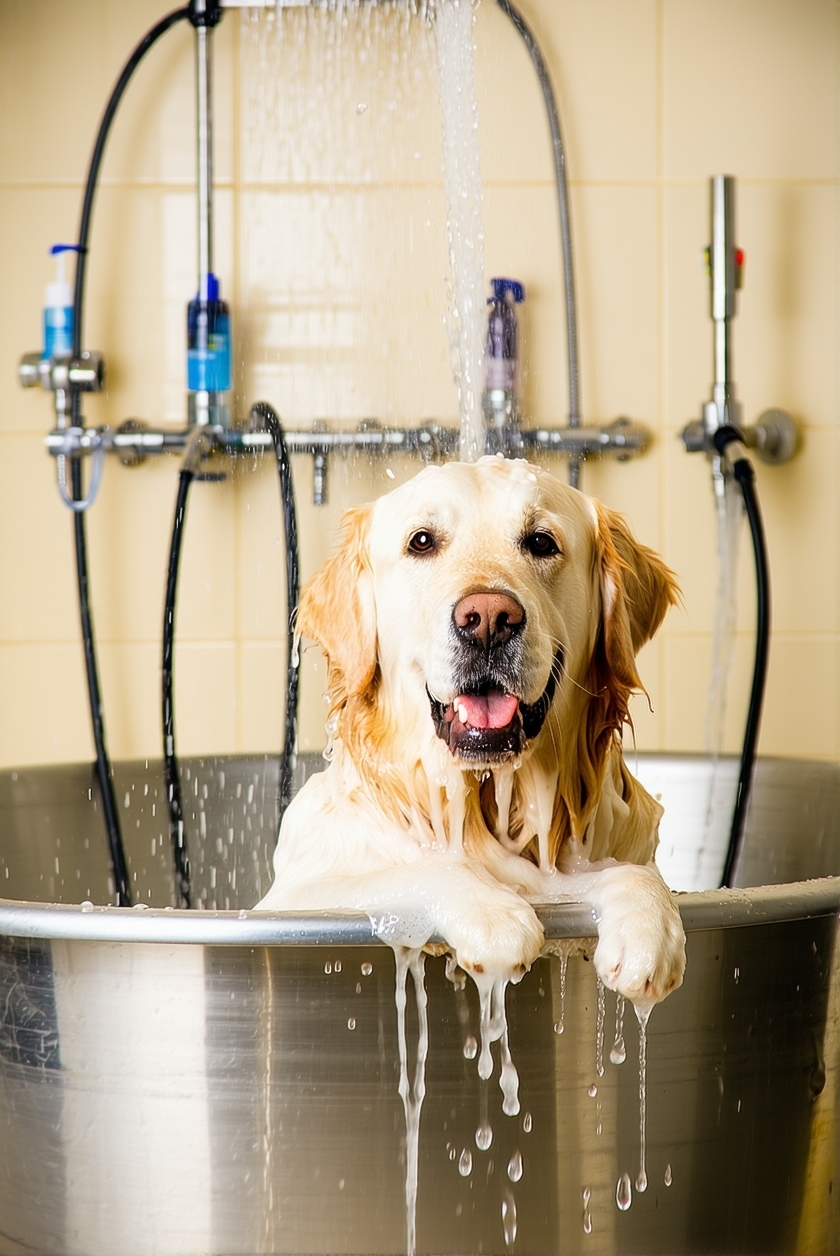
Time-efficient bathing methods complement your water-saving strategies while keeping costs down.
Start by pre-brushing your dog's coat to remove tangles and loose fur, making the wash more effective. You'll save precious time by using a high-pressure nozzle to quickly wet your furry friend and distribute shampoo evenly.
Try applying a diluted shampoo mix before fully wetting your dog—this technique speeds up the lathering process.
When it's time to rinse, work from top to bottom to avoid re-contaminating clean areas. This systematic approach ensures you won't need to wash the same spots twice.
Finally, accelerate the drying process by using super-absorbent towels or a specialised pet drying coat.
These time-saving techniques not only make bathing more efficient but also reduce stress for both you and your dog.
Homemade Drying Solutions
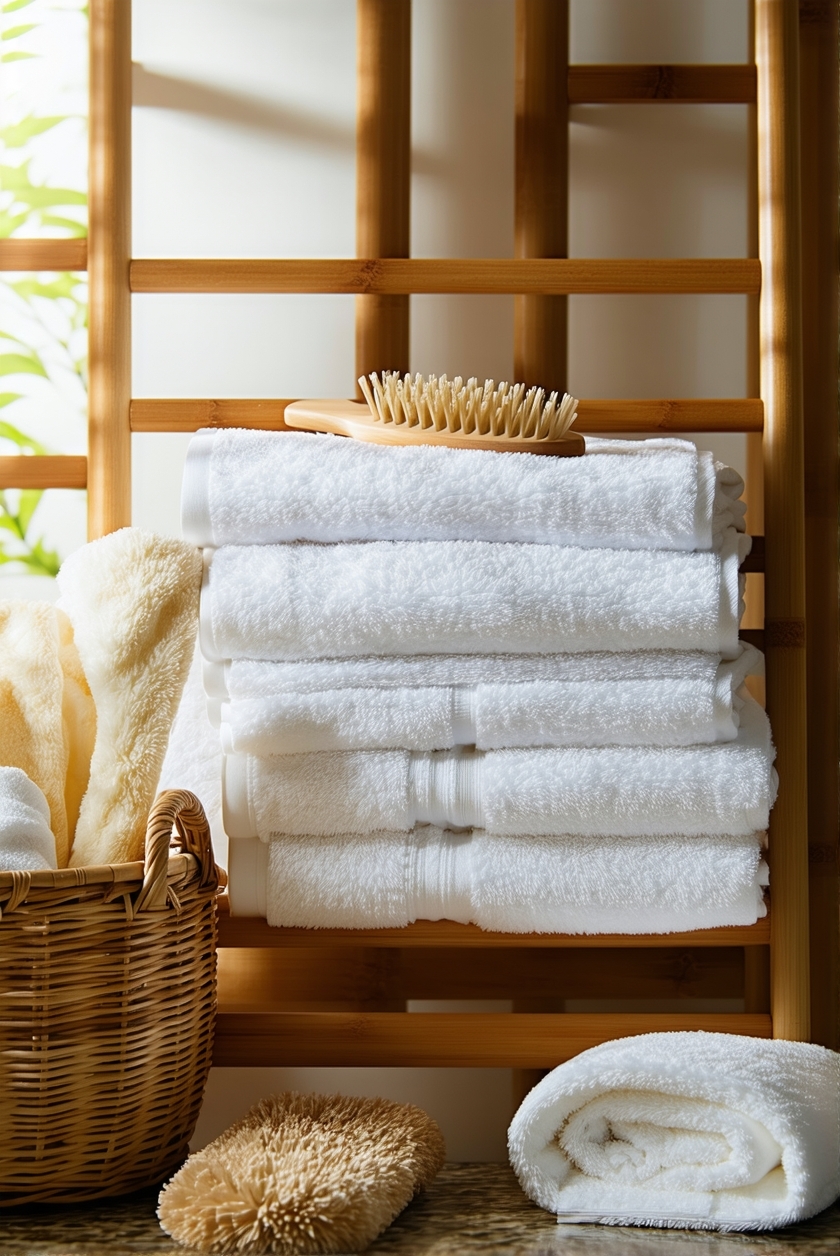
While commercial drying products can be quite costly, you'll discover effective homemade solutions right in your linen cupboard.
Create a DIY drying experience that's both gentle and efficient for your dog using easily accessible items. Super-absorbent microfiber towels work wonders for quick drying, while a homemade cotton drying coat keeps your pup cosy and aids in moisture absorption.
- Sprinkle bicarbonate of soda on your dog's coat before drying for natural deodorising.
- Wrap your pet in a large, soft cotton fabric to create a comfortable drying coat.
- Use microfiber towels for superior moisture absorption and quick results.
- Position a fan at a safe distance for gentle air circulation.
- Keep a damp towel handy for quick touch-ups between full baths.
These simple drying solutions provide effective results while saving you money on expensive commercial products.
Cost-Cutting Grooming Tools
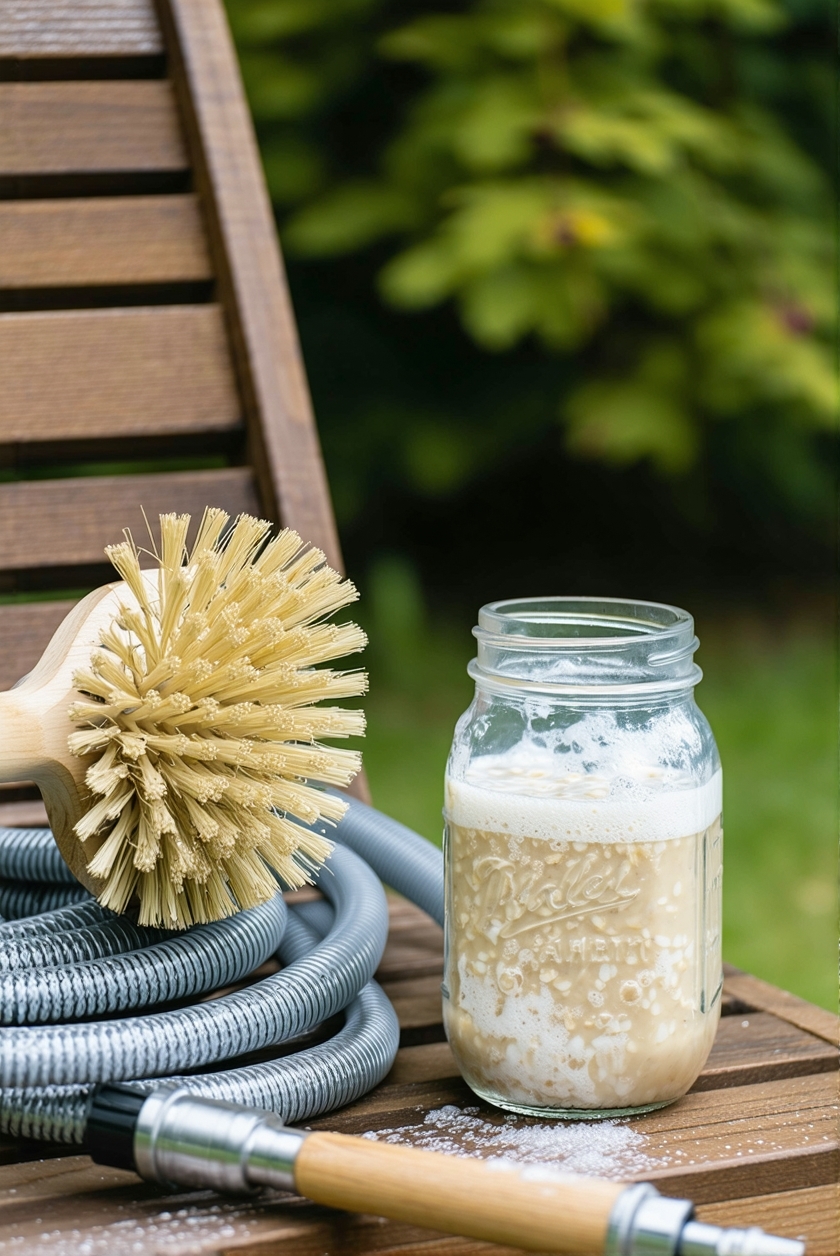
Essential grooming tools don't need to drain your wallet when bathing your dog. You'll save money by selecting a high-pressure hose nozzle with adjustable settings, which effectively rinses your pup without the need for expensive equipment.
Pair this with diluted dog shampoo, whether homemade or purchased in bulk, for a gentle yet thorough clean.
Instead of professional grooming services, invest in a basic pet brush for pre-bath detangling and loose fur removal.
You'll find that repurposed towels work just as well as pricey drying products, making cost-cutting simple and practical.
Complete your dog's bathing routine with homemade treats like peanut butter sandwiches – they're more economical than shop-bought options and will make bath time more enjoyable for your furry friend.
These smart choices help maintain your dog's hygiene while keeping expenses low.
Preventive Measures to Reduce Bath Frequency
Several preventive measures can greatly reduce how often you need to bathe your dog, saving both time and money.
By establishing simple maintenance routines, you'll keep your furry friend clean while minimising the need for full baths. Regular brushing removes dirt and loose fur, while maintaining a clean environment prevents unnecessary buildup of grime.
- Make brushing a daily bonding activity to remove dirt and prevent matting.
- Keep your dog's bedding and play areas clean to maintain overall hygiene.
- Use waterless dog bath products and grooming wipes for quick touch-ups.
- Monitor your dog's activities and only bathe after particularly messy adventures.
- Create positive grooming experiences to help your dog better tolerate baths.
These preventive measures will help your dog stay fresh longer while reducing the frequency of full baths, ultimately saving you money on grooming supplies (£).
Frequently asked questions
What Is the Easiest Way to Give a Dog a Bath?
You'll find bathing your dog easiest when you're well-prepared. Start by gathering all supplies such as dog shampoo and towels before bringing your pup to the bathing area.
Use lukewarm water and begin washing from the neck down, gently massaging diluted shampoo into their fur. Rinse thoroughly to avoid skin irritation, and don't forget those hard-to-reach spots.
Finally, dry them well and reward with a treat to create positive associations.
What Can I Use in Place of Dog Shampoo?
Just like finding comfort in your favourite blanket, your furry friend deserves gentle care during bath time.
You can safely use diluted baby shampoo mixed with warm water for a mild cleanse. For a natural approach, try making a paste with baking soda and water, or mix equal parts water and white vinegar.
Oatmeal baths are perfect for soothing itchy skin, while cornflour works brilliantly as a waterless cleanser between baths.
How Can I Clean My Dog Without Giving Her a Bath?
You can keep your pup clean between baths using several effective methods.
Start by brushing her coat daily to remove dirt and distribute natural oils.
Use dog-specific dry shampoo to freshen up her fur, or sprinkle some baking soda and brush it through.
Keep pet wipes handy for quick clean-ups, especially after walks.
For targeted cleaning, use a damp washcloth to gently wipe her face and paws.
What Can I Use as a Dog Bath?
Want to create the perfect bathing spot for your furry friend? You've got several practical options right at home.
You can use a plastic kiddie pool outdoors for a fun, splash-friendly experience, or try your bathtub with a non-slip mat for better control.
For smaller dogs, your kitchen sink works perfectly. If you're outside, set up a gentle-spray hose station.
Don't forget to make whichever space you choose cosy and secure for your pup!
To summarise
Like a skilled captain steering through rough waters, you've now got the tools to make dog bathing smooth sailing while saving money. By implementing these natural solutions, smart equipment choices, and water-saving techniques, you'll transform bath time into an efficient, budget-friendly routine. Remember, prevention is your best ally – keeping your pup clean between baths will reduce the frequency and cost of full washings.