You can effectively train your dog at home using three money-saving approaches. First, create a dedicated training space by utilising a quiet corner and some old towels as mats. Second, transform household items like empty bottles and cardboard boxes into engaging puzzle toys and obstacle courses. Third, take advantage of free online resources, including YouTube tutorials and training apps, for expert guidance. These budget-friendly methods will help you discover endless possibilities for bonding with your pup while keeping costs down.
Some key takeaways
- Create a dedicated training area using household furniture and quiet corners to maintain focus without spending on specialised equipment.
- Transform everyday items such as empty bottles, old towels, and cardboard boxes into engaging training tools and obstacle courses.
- Access free dog training videos and apps online instead of paying for expensive in-person classes.
- Make DIY puzzle toys using household items to provide mental stimulation and training opportunities at no extra cost.
- Join online dog training communities for free advice, support, and training tips from experienced dog owners.
Setting Up Your Home Training Environment on a Budget
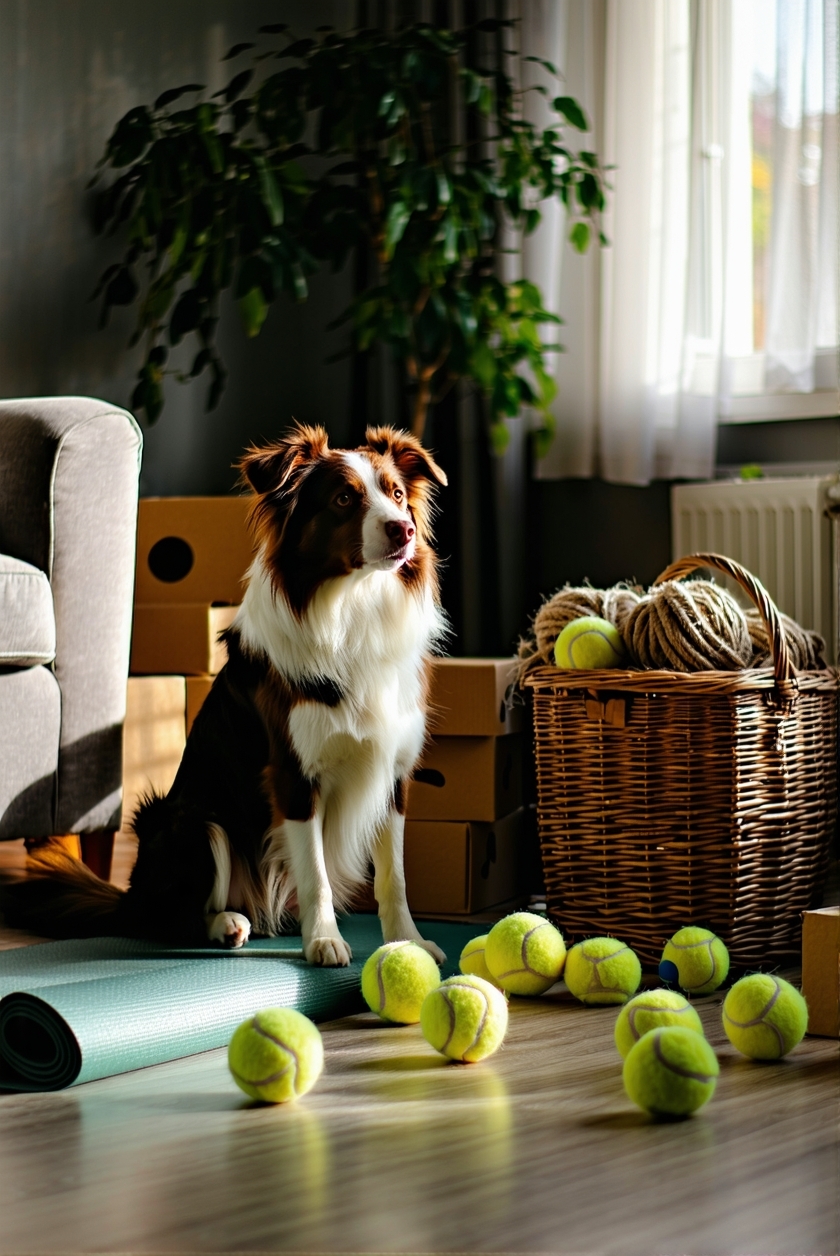
A thoughtfully prepared training space is key to successful at-home dog training, and you don’t need to spend much money to create one. Choose a quiet area in your home where your dog can focus on learning new commands without distractions. This could be a corner of your living room or a spare bedroom.
Get creative with DIY training obstacles using everyday items. Arrange chairs to create weaving patterns for exercise, or use cardboard boxes as jumps. Old towels make perfect training mats where your dog can learn “stay” and “place” commands.
To enhance your training sessions, craft simple tools like a homemade target stick or clicker using household items.
Daily Training Routines Using Household Items
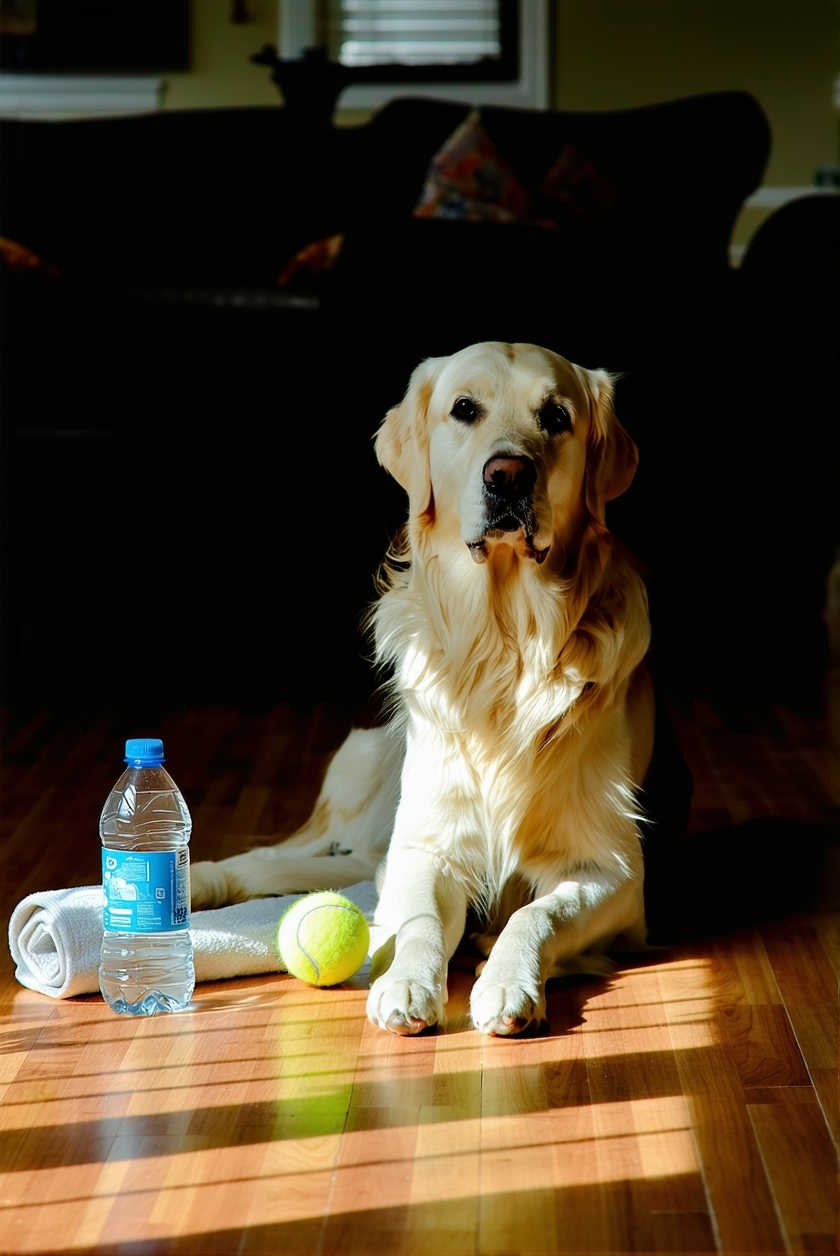
Turning everyday household items into training tools makes dog training both affordable and engaging. You’ll save money while creating effective training routines that keep your pup mentally stimulated.
Transform empty plastic bottles into homemade puzzle toys by cutting treat-sized holes, encouraging problem-solving skills while recycling.
Set up a DIY agility course using chairs, broomsticks, and hula hoops to exercise your dog and build confidence.
Kitchen utensils can help teach impulse control – use measuring spoons and cups for “leave it” training sessions.
Keep on top of basic commands by practising “drop it” and “fetch” with old socks or tennis balls.
For spatial awareness training, incorporate cardboard boxes into your daily routine, rewarding your dog for entering or sitting inside on command.
These simple household items prove that effective training doesn’t require expensive equipment.
Essential Online Resources for DIY Dog Training
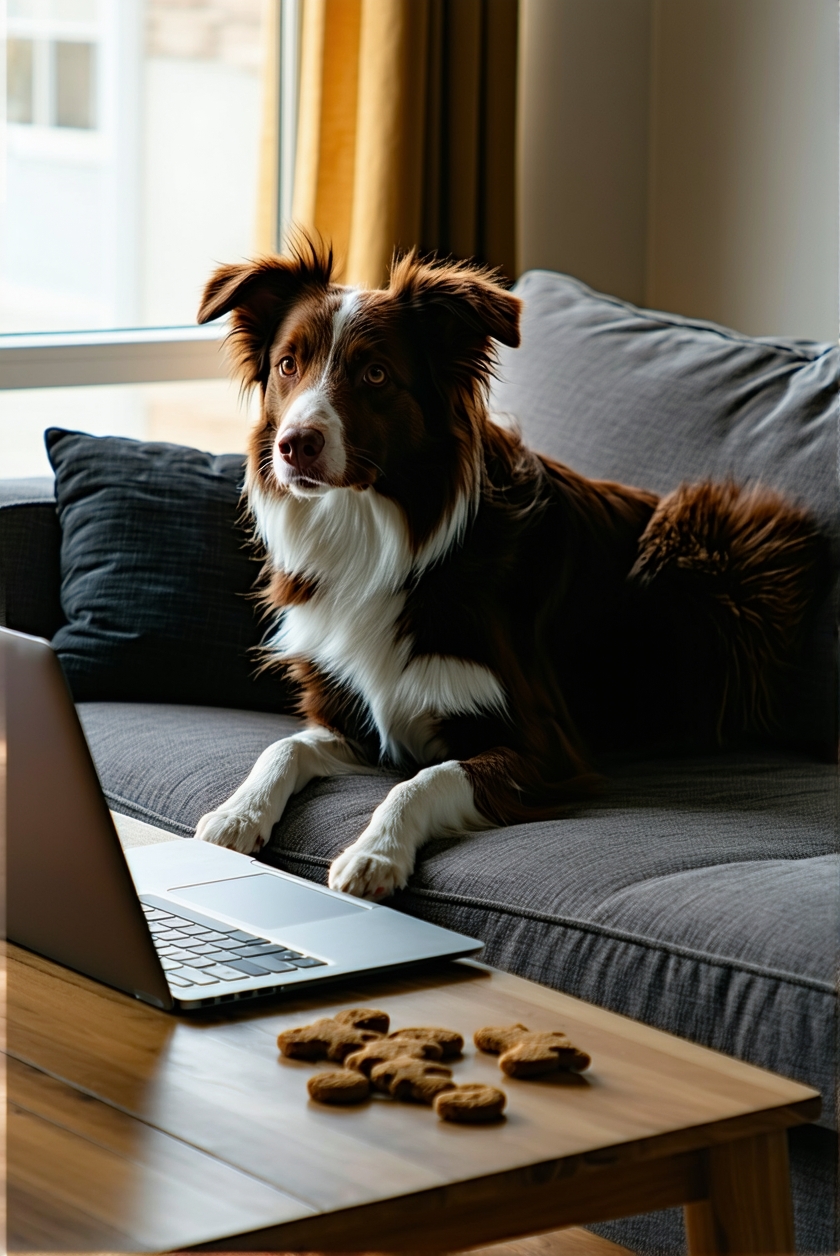
While in-person training classes remain valuable, today’s digital landscape offers extensive free and low-cost resources for dog owners committed to at-home training.
You’ll find a treasure trove of free videos on YouTube, where experienced trainers demonstrate proven training techniques for everything from basic obedience to complex behaviours.
Take advantage of professional organisations like the Association of Professional Dog Trainers, which provides detailed step-by-step instructions and training programmes you can follow at your own pace.
For convenient training on the go, apps like Pupford and Dogo offer built-in tools and progress tracking.
Don’t forget to join online communities where you’ll connect with fellow dog owners sharing similar experiences.
These course alternatives, combined with supportive social media groups, give you all the online resources needed to successfully train your pup without breaking the bank.
Frequently asked questions
What Is the 3 Second Rule in Dog Training?
The 3 Second Rule means that you’ll give your dog three seconds to respond to a command before repeating it.
When you’re training, it’s important to maintain your pup’s attention and help them understand what you’re asking. If they don’t respond within that brief window, simply repeat the command gently.
This method keeps your dog engaged and aids in their learning process, creating a positive experience for both of you.
What Are the Three C’s of Dog Training?
In the vast ocean of dog training wisdom, the three C’s are your guiding stars: Consistency, Clarity, and Confidence.
You’ll want to be consistent with your commands and rewards, making training as predictable as the sunrise.
Keep your cues crystal clear so your pup knows exactly what you’re asking.
Finally, show confidence in your approach – your furry friend will pick up on your self-assured energy, making them more enthusiastic to learn and trust your guidance.
What Is the 1/2/3 Dog Training Method?
The 1/2/3 dog training method is a straightforward yet effective approach that you’ll enjoy using with your canine companion.
First, you’ll teach your dog a new command using clear verbal cues.
Next, you’ll reinforce this command through consistent practice and repetition.
Finally, you’ll reward your pup with treats or praise when they successfully perform the behaviour.
This structured method helps create a strong bond between you and your dog while building reliable responses.
How Do I Train My Dog on a Budget?
You can train your dog on a budget like a thrifty maestro conducting a symphony of success!
Use your dog’s regular kibble or whip up simple homemade treats for rewards. Take advantage of free YouTube training videos and online resources to build your knowledge.
Incorporate training into daily activities like walks and mealtimes. Connect with local dog owners through social media groups to share tips, and create DIY toys from household items to keep your pup engaged.
Plus, consider visiting local parks for training sessions, as they often provide a great environment without any cost.
Reviewing what we’ve read
Training your dog at home is not only cost-effective but also rewarding, enriching, and enjoyable. By creating an engaging training environment, utilising everyday items as tools, and accessing free online resources, you are setting both yourself and your pup up for success. Remember: patience builds confidence, consistency creates habits, and positive reinforcement strengthens your bond. You are now equipped to be your dog’s favourite teacher and trusted guide.