ESA dog certifications have become more expensive due to several key factors affecting today’s market. You’ll find higher costs driven by increased demand for mental health support animals, stricter professional evaluation requirements, and enhanced fraud prevention measures. Licensed mental health professionals must now conduct thorough assessments, typically charging £60 to £200 for consultations and £40 to £160 for documentation. These pricing changes reflect the growing need to maintain certification integrity and legal compliance, with varying costs across service providers. Understanding these factors can help you navigate the certification process more effectively.
Some key takeaways
- Licensed mental health professionals must conduct thorough evaluations, leading to consultation fees ranging from £60 to £200 per assessment.
- Annual renewal requirements and ongoing compliance with housing laws result in recurring administrative costs for certification providers.
- The increasing demand for ESA services has led to competitive pricing and premium rates for expedited documentation.
- Quality assurance measures, including fraud prevention systems and unique registration numbers, contribute to operational costs.
- Professional documentation necessitates detailed assessments and verification protocols, which drive up expenses for service providers.
The Rising Demand for Mental Health Support Animals
While mental health awareness continues to grow across society, emotional support animals have emerged as an essential therapeutic resource for individuals managing anxiety, depression, and other psychological conditions.
You’ll notice that the demand for ESAs has skyrocketed as more people recognise their effectiveness as a therapeutic intervention.
This surge in demand has transformed how certification services operate.
When you’re seeking ESA letters for housing rights or travel accommodations, you’ll find that prices have climbed considerably.
The process now typically involves consulting with a licensed mental health professional and completing annual renewals to maintain your certification.
As emotional support animals become increasingly mainstream, you’re facing a more competitive market where service providers can command premium prices for their documentation and assessment services, often reaching figures well into the hundreds of pounds.
Professional Evaluation and Documentation Requirements
Before pursuing an ESA certification, it’s essential to comprehend the detailed evaluation process and the associated documentation requirements. The journey to obtaining legitimate support necessitates collaboration with a licensed mental health professional through proper consultation and assessment.
Your initial consultation with a professional typically costs between £60-£200, focusing on your emotional and mental health needs.
You’ll need to secure an ESA letter, which may cost £40-£160, serving as your official documentation.
Annual renewals are often necessary, ranging from £40-£160, depending on your local requirements.
While online services may offer cheaper alternatives, investing in legitimate evaluations ensures that you’re receiving proper documentation from qualified professionals.
The comprehensive nature of in-person consultations, though more expensive, provides the thorough assessment needed for valid ESA certification and long-term support.
Legal Compliance and Administrative Overhead
Legal compliance and administrative overhead shape the cost structure of ESA certifications in significant ways.
You’ll find that obtaining an ESA letter requires working with a licensed mental health professional, which typically costs between £60 and £200 per session.
The administrative overhead includes managing your documentation and ensuring compliance with the Fair Housing Act.
Your certification services must cover extensive administrative processes for validating ESA status, especially as airlines and housing providers have tightened their requirements.
You’ll also need to contemplate annual renewal fees, ranging from £80 to £160, which reflect the ongoing legal compliance needed to maintain your ESA’s status.
These costs stem from organisations’ responsibilities to verify claims and maintain proper documentation, particularly since there’s no centralised registry for emotional support animals.
Market Competition and Service Provider Pricing

As market demand for ESA certifications continues to grow, you’ll find significant variations in service provider pricing, with costs typically ranging from £150 to £200.
This pricing landscape is shaped by intense market competition and the lack of strict regulation in the emotional support animal letter industry.
When you’re exploring certification costs, you’ll notice several factors affecting provider pricing:
- Online service delivery methods that eliminate in-person consultations, potentially reducing operational expenses
- Competition between providers offering quick-turnaround ESA letter services
- Varied pricing structures based on market demand and provider reputation
The absence of standardised regulation allows providers to set their own rates, which can impact affordability.
While some providers maintain competitive pricing, others may charge premium rates for expedited services or additional documentation.
Quality Assurance and Fraud Prevention Measures
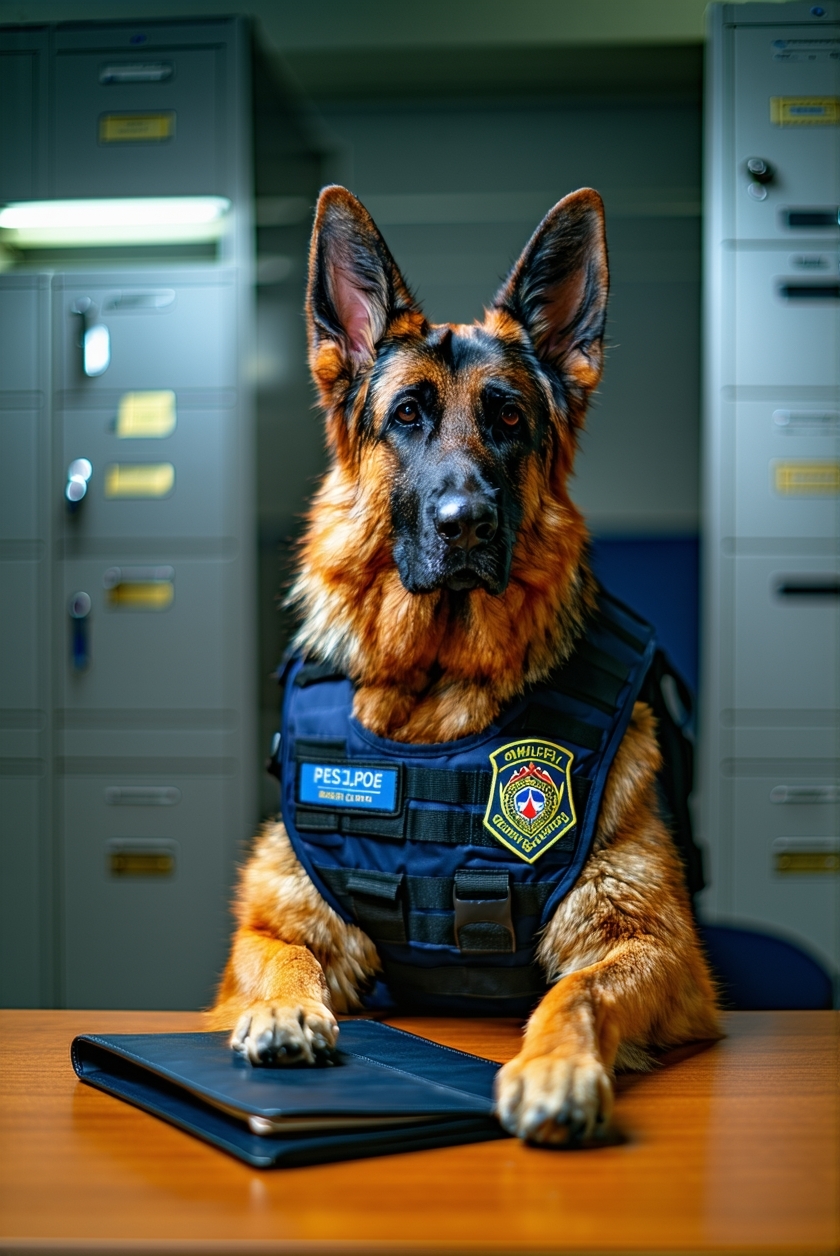
The implementation of robust quality assurance and fraud prevention measures has considerably shaped today’s ESA certification landscape.
You’ll notice that certification services now require thorough evaluations from licensed mental health professionals, ensuring only those with legitimate needs receive approval.
To protect the integrity of ESA certifications, you’re now required to provide detailed letters from mental health practitioners and complete enhanced verification measures.
These include unique registration numbers and additional documentation requirements. While these steps have increased costs, ranging from £75 to £250 for professional evaluations, they’re essential to combat fraud and maintain credibility.
As public awareness grows about ESA misrepresentation, you’ll find that quality assurance protocols have become more stringent, requiring additional resources and oversight to verify the authenticity of your certification.
Annual Renewal Fees and Ongoing Certification Costs

Several key factors influence the annual costs of maintaining your ESA certification. Your financial commitment includes annual renewal fees ranging from £100 to £200, depending on your regional laws and landlord requirements.
While the initial cost of your ESA letter typically runs between £150 and £200, you’ll need to budget for recurring expenses.
Key ongoing certification costs you’ll encounter include:
- Annual ESA letter renewals, which are mandatory in certain regions, such as Arkansas
- Regular veterinary care and routine supplies
- Additional documentation that your landlord may require
When you’re planning your budget, remember that these aren’t one-time expenses. Your total investment goes beyond just the letter itself, encompassing both the annual renewal fees and the practical costs of maintaining your emotional support animal’s well-being throughout the year.
Frequently asked questions
How Much Does It Cost to Register a Pet as an Emotional Support Animal?
You’ll typically spend between £150 to £200 for the essential ESA letter from a licensed mental health professional.
If you require annual renewals, expect to pay an additional £100 to £200 each year.
While optional registration services and ID cards are available, they aren’t legally required.
Keep in mind that legitimate certification involves actual mental health evaluations, and your total costs may vary depending on your location and specific needs.
Why Does It Cost so Much to Train a Guide Dog?
You’ll find that guide dog training costs are significant due to the intensive two-year training process.
When you consider that professional trainers charge up to £200 per hour and must teach complex skills like traffic navigation and obstacle avoidance, you can see why the costs add up.
Your guide dog needs to master not just basic obedience, but also life-saving decision-making skills, making the £12,000-£24,000 investment essential for ensuring safety and reliability.
How Do I Get My Dog Trained for Emotional Support?
To get your dog trained for emotional support, you’ll first need to obtain an ESA letter from a licensed mental health professional who’s treating you.
While ESA dogs don’t require specialised training like service dogs, it’s beneficial to enrol your pet in basic obedience classes.
Look for a professional trainer who can assist with commands, socialisation, and good behaviour.
Choose training sessions that fit your budget, typically ranging from £40-£160 per session.
Can I Train My Own Emotional Support Dog?
Picture Sarah, who successfully trained her Labrador as an emotional support animal (ESA) by dedicating time to basic obedience and socialisation.
Yes, you can absolutely train your own emotional support dog! Since ESAs don’t require specialised task training like service dogs, you’ll focus on basic commands and good behaviour in public settings.
While professional training can be helpful, you can develop a strong bond and teach essential skills through consistent practice, positive reinforcement, and patience.
Let’s not get emotional…
ESA certification costs reflect the old adage “you get what you pay for.” While the expenses may seem steep, you’re investing in legitimate mental health evaluations, proper documentation, and ongoing support that meets legal requirements. Understanding these costs helps you make informed decisions about obtaining and maintaining your ESA certification. Remember that protecting the integrity of the ESA system ultimately benefits those who genuinely need these essential mental health supports.