Train your dog effectively even with a busy career by using strategic micro-sessions throughout your day. Start with 3-7 minute training bursts in the morning, incorporate commands during walks, and utilise mealtimes for basic obedience. Turn daily activities into training moments by having your dog sit before meals or stay while you make coffee. Keep training tools readily available, maintain consistency, and dedicate weekends to focused skill-building. These clever time management techniques will transform your dog training journey.
Some key takeaways
- Break training into short 3-7 minute sessions throughout the day, incorporating commands during routine activities like meal preparation or coffee breaks.
- Use morning walks for quick training exercises, having your dog sit at pedestrian crossings or practice recall in quiet areas.
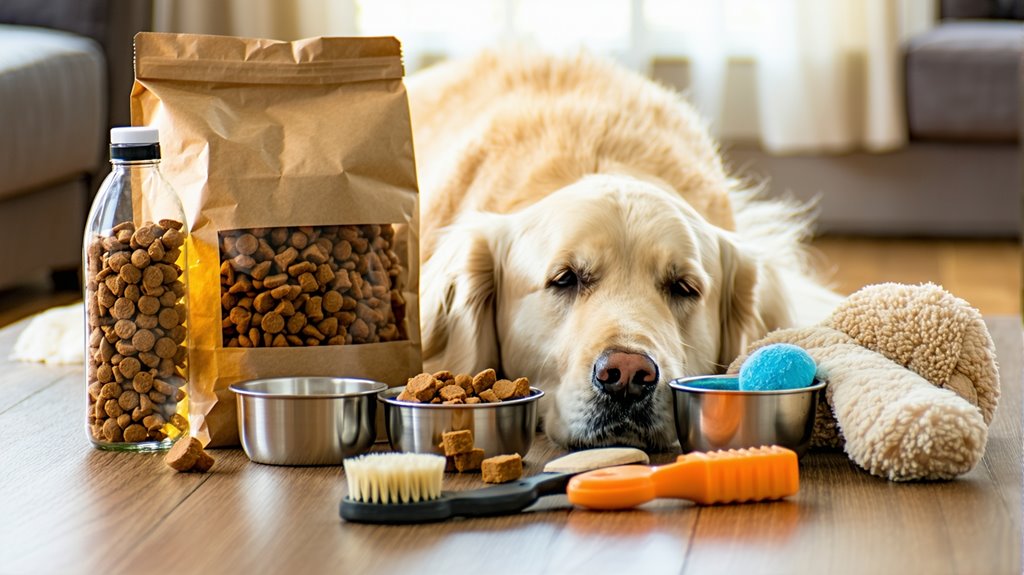
- Keep training tools and treats in designated spots around your home for easy access during impromptu training moments.
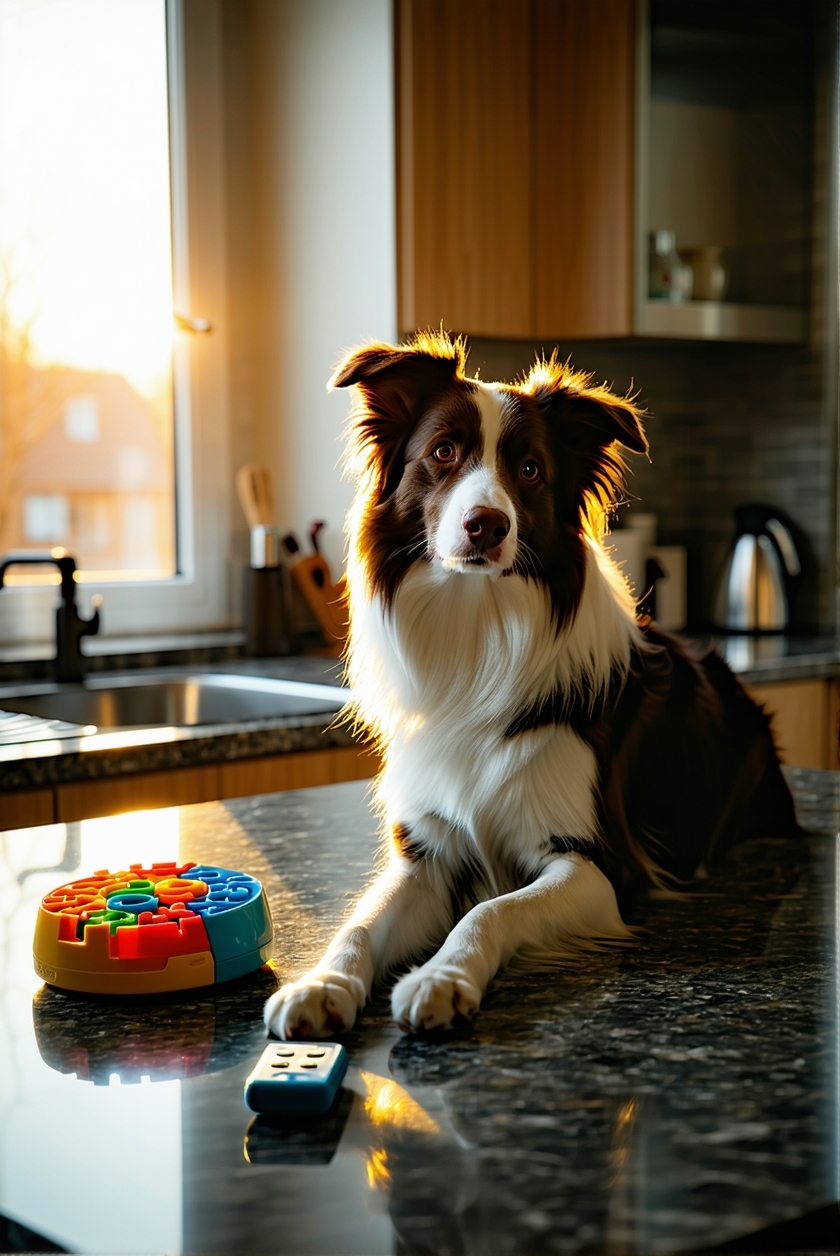
- Utilise lunch breaks for mental stimulation with food puzzles or treat-dispensing toys while you work.
- Combine daily tasks with training opportunities, such as having your dog sit before meals or stay while you answer emails.
Maximizing Your Morning Training Minutes: Quick Wins Before Work
While mornings can feel chaotic, you’ll find that dedicating just a few strategic minutes to dog training can set a positive tone for the entire day. Start by using those first precious moments after waking to practice simple commands like recall or hand-targeting with your pup.
Transform your morning routine into training time by having your dog sit before meals or settle in their crate while you get ready.
You’ll be amazed at how seamlessly you can blend exercise and training during your morning walk – just ask for quick sits or stays before moving forward.
Even 3-7 minutes of focused practice will strengthen your bond and reinforce good behaviour. Remember, consistency matters more than duration, so make these brief training sessions a non-negotiable part of your morning, and you’ll see remarkable progress in your dog’s behaviour.
Lunchbreak Training Sessions: Making Every Break Count
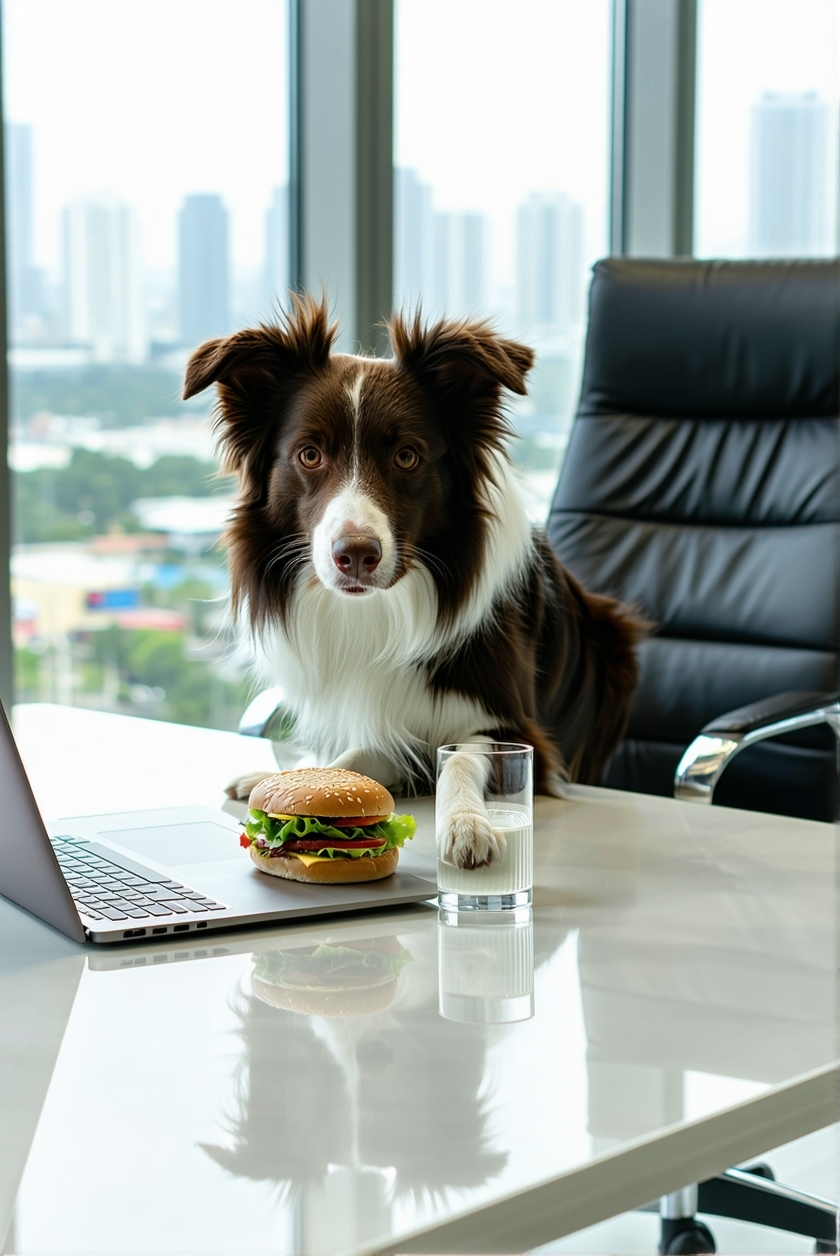
Your lunch break offers a golden opportunity to maintain training momentum from your morning sessions. Make the most of these precious minutes by turning routine activities into training opportunities.
Whether you’re working from home or stepping away from the office, you can incorporate quick training techniques that will keep your pup engaged and learning.
Here are three powerful ways to maximise your lunch break training:
- Turn your midday walk into a training session by practising sits at crosswalks and doorways.
- Use food puzzles and treat-dispensing toys to provide mental stimulation while you eat.
- Practise impulse control exercises in new environments to build focus and reliability.
Strategic Evening Exercises: After-Work Training Routines
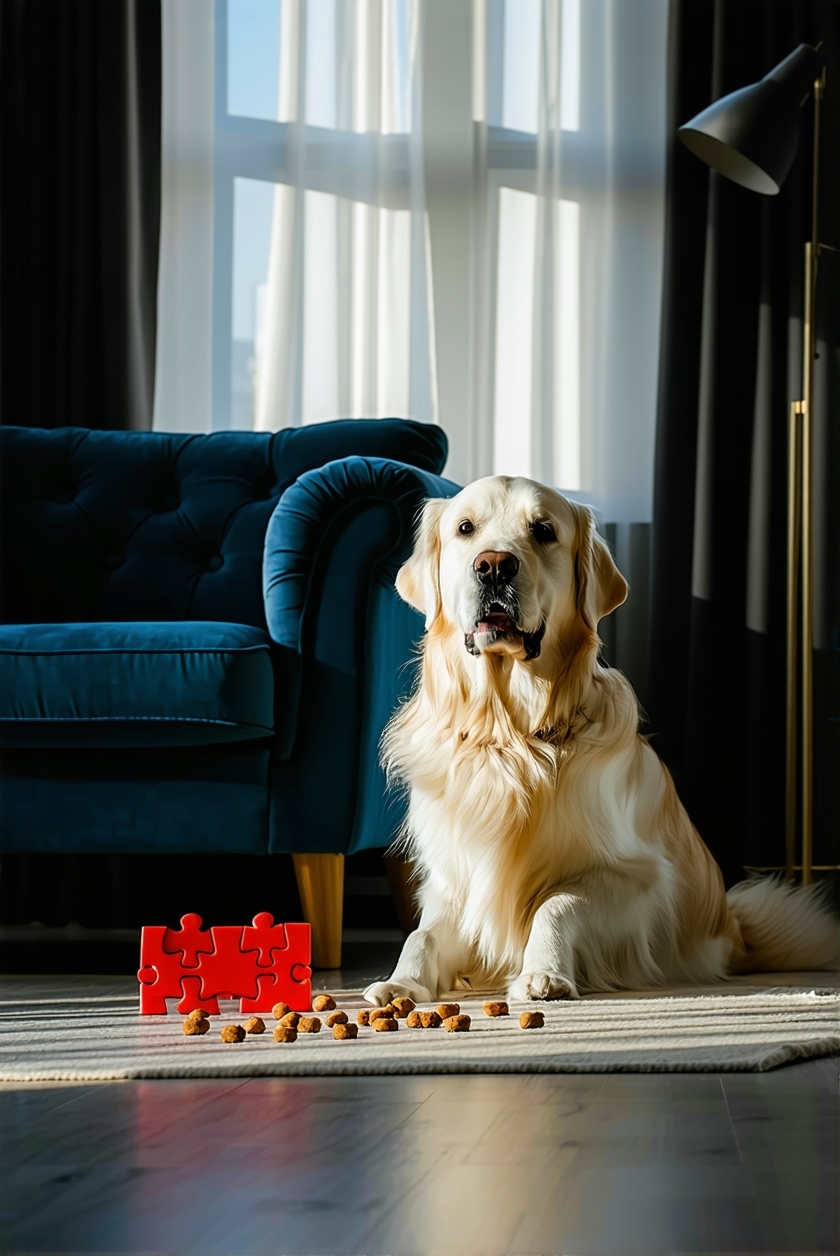
After a long day at work, evening training sessions provide the ideal opportunity to reconnect with your dog while ensuring consistent progress. Dedicate 15-30 minutes each evening to structured training that combines obedience commands with playful tricks, creating an engaging routine for both you and your furry friend.
Transform your evening walks into training opportunities by practising commands at specific points—such as sitting at curbs or staying before entering your home. Incorporate interactive games like fetch while working on essential commands such as “drop it.”
As bedtime approaches, shift to calming exercises that help your dog wind down, such as settling on their mat.
On weekends, extend your evening training sessions to include socialisation activities with other dogs, deepening your bond while reinforcing learned behaviours in different environments.
Weekend Power Training: Focused Development Plans
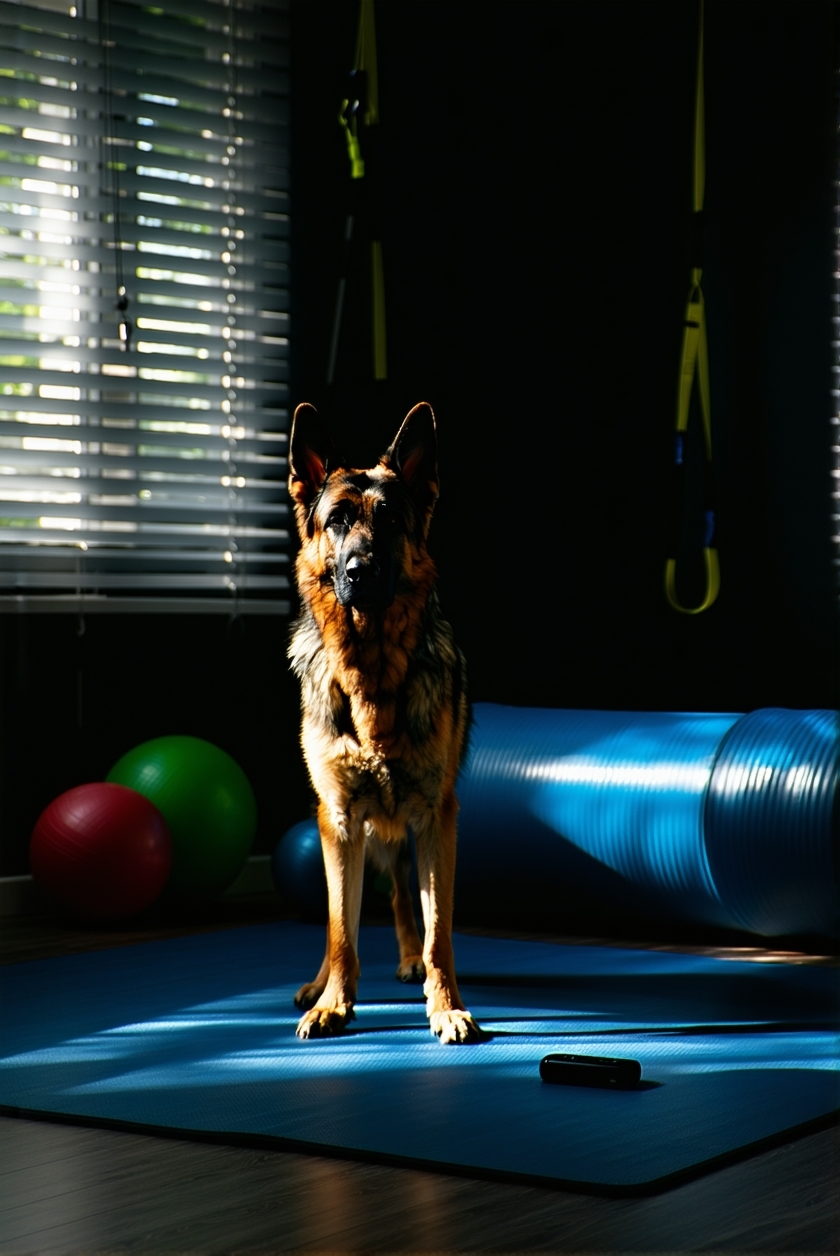
Weekends offer the perfect opportunity to supercharge your dog’s training with focused, uninterrupted sessions that build on weekday progress.
Use this valuable time to implement Training Techniques in new environments, helping your furry friend generalise commands across different settings. You’ll strengthen your bond while working together in a relaxed atmosphere.
Make the most of your weekend training sessions with these power strategies:
- Schedule 15-30 minute dedicated sessions when you’re both fresh and energised.
- Plan specific skill-building activities, breaking down complex behaviours into manageable steps.
- Arrange playdates with other dogs to combine socialisation with training practice.
Remember to take a few moments to evaluate your progress and adjust your approach based on your dog’s responses.
This reflection time guarantees you’re moving forward together at the right pace.
Multi-Tasking Training: Combining Daily Tasks With Dog Training
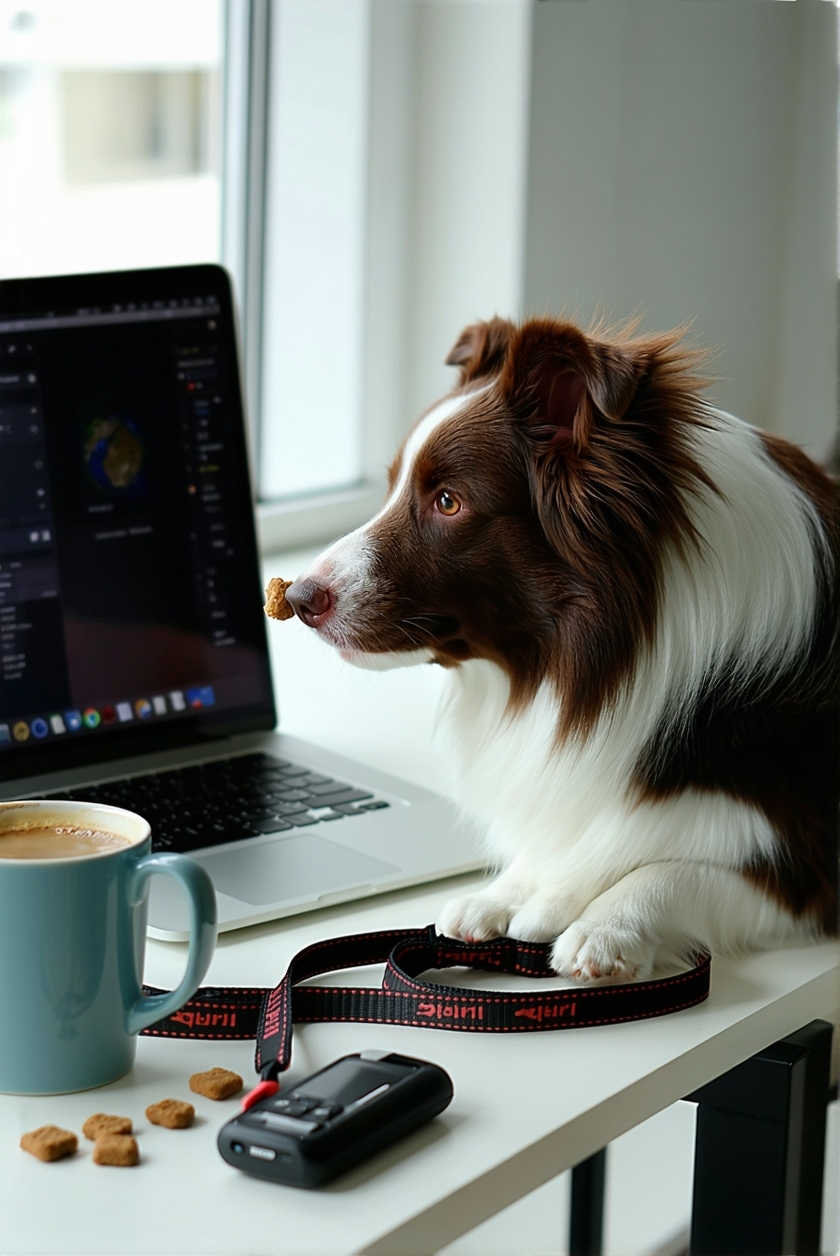
Smart dog training doesn’t require setting aside large blocks of time – it can seamlessly blend into your daily schedule. Your dog can learn while you go about your routine activities, making every moment an opportunity for growth.
Try training during everyday tasks: ask your pup to sit before meals, practice “stay” while brewing a cup of tea, or work on “heel” during your morning walks. These micro-sessions of 3-7 minutes add up considerably over time, and even 30-second interactions can reinforce positive behaviours.
While you’re busy with household chores, keep your dog engaged with food puzzles or interactive toys that stimulate their mind and reward good behaviour. Turn ordinary moments into training opportunities by practising commands at crossings or rewarding calm behaviour during your daily activities.
This approach makes training efficient and strengthens your bond naturally.
Smart Technology Tools for Remote Training Monitoring
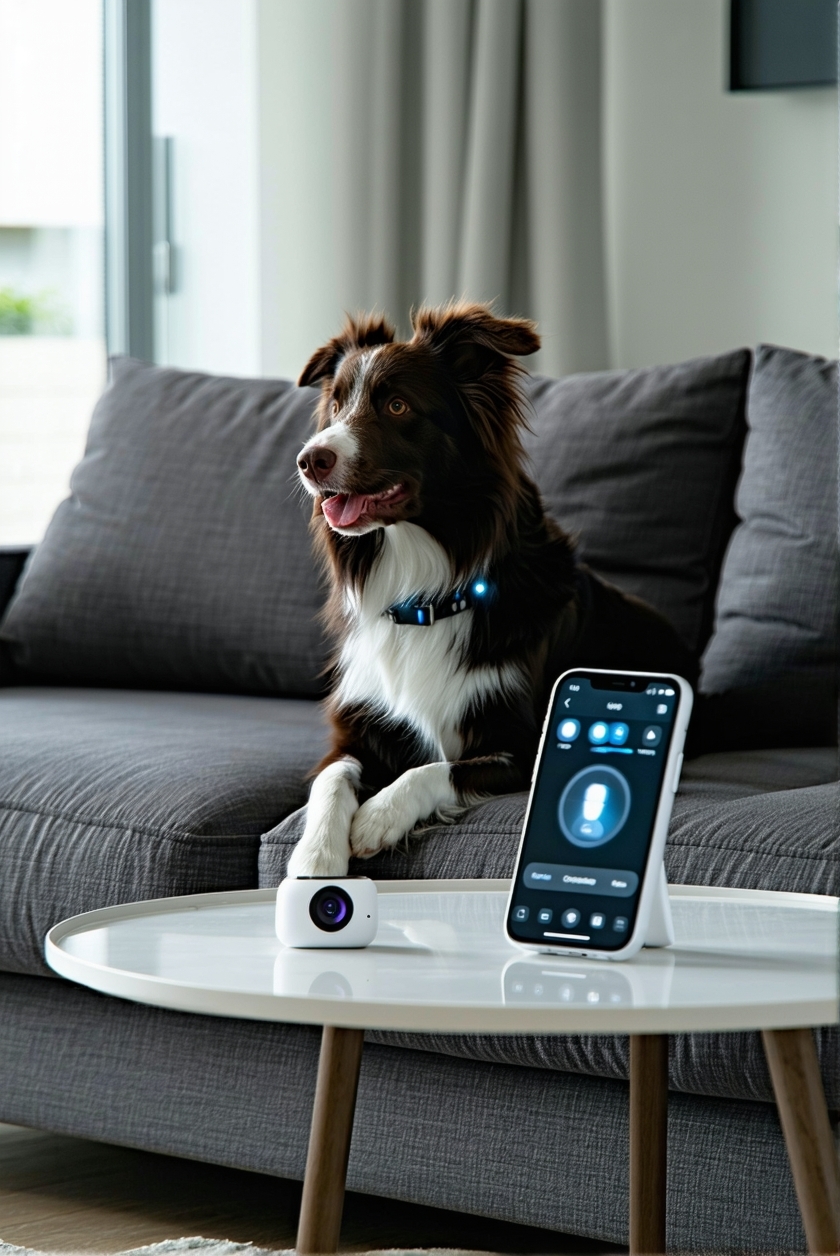
Modern technology has revolutionised the way busy pet parents can stay connected with their dogs’ training progress. Smart technology tools now make it possible for you to be an attentive dog trainer, even when you’re away from home.
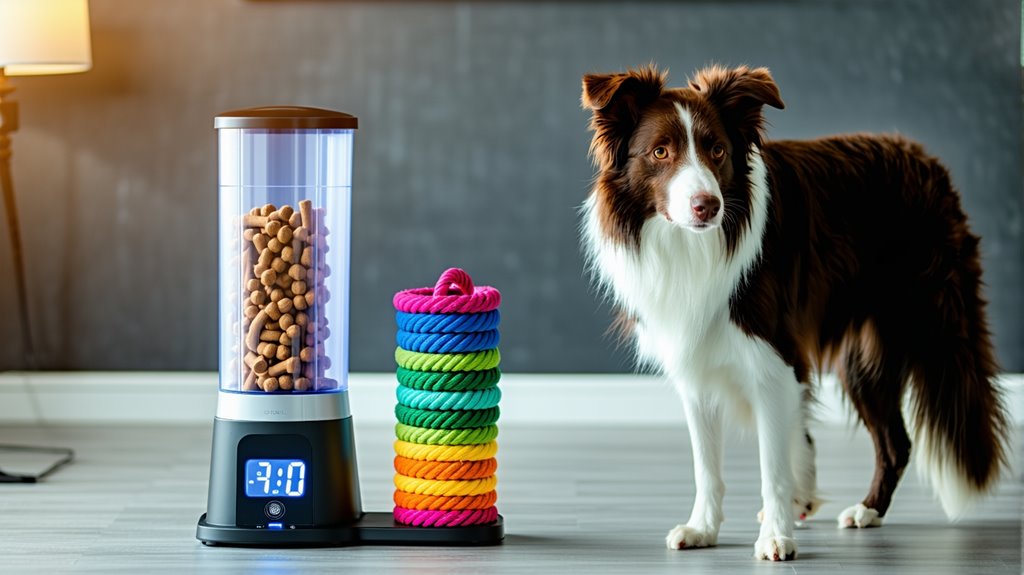
With pet cameras and automated treat dispensers, you’ll never miss those precious training moments or opportunities to reward good behaviour.
Here’s how you can leverage these tools effectively:
- Use pet cameras to monitor your dog’s response to commands and adjust your training approach based on their real-time behaviour.
- Set up automated treat dispensers to maintain consistent reward schedules, reinforcing positive habits throughout the day.
- Track your pup’s progress through mobile apps and virtual training platforms, connecting with professional trainers who can guide you through video calls.
Together, these technologies guarantee your dog’s training stays on track, no matter how packed your schedule may be.
Professional Support Networks: Finding the Right Training Help
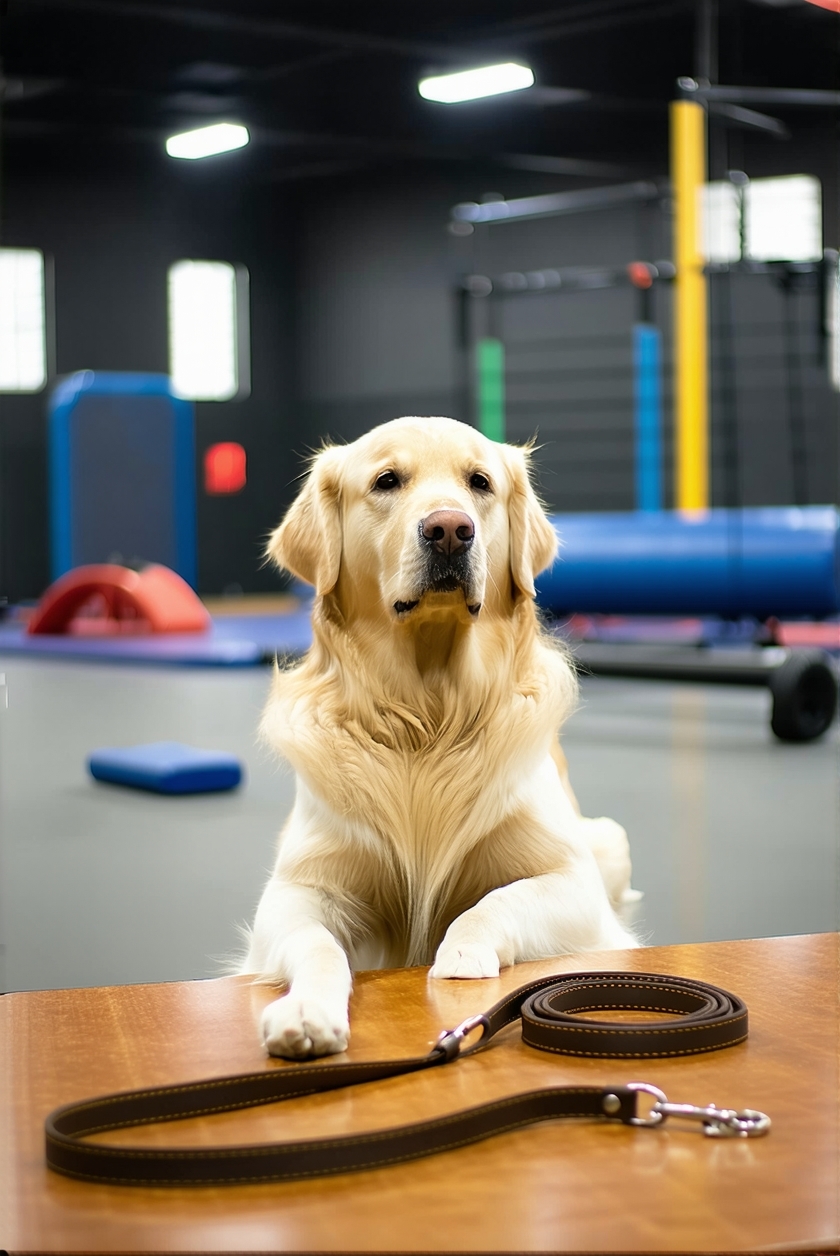
Finding the right support network can transform your dog training journey from overwhelming to manageable. When you’re juggling career demands, professional trainers can provide tailored strategies that fit seamlessly into your busy schedule, without requiring extra time you don’t have.
You’ll discover that virtual training sessions and online resources offer the flexibility you need, allowing you to learn at your own pace while maintaining your work commitments.
Consider joining local training classes where you’ll connect with other busy dog parents who understand your challenges. If you’re frequently tied up with work, a reliable dog walker or pet sitter can reinforce training principles while keeping your furry friend active and engaged.
Time-Efficient Training Games and Activities
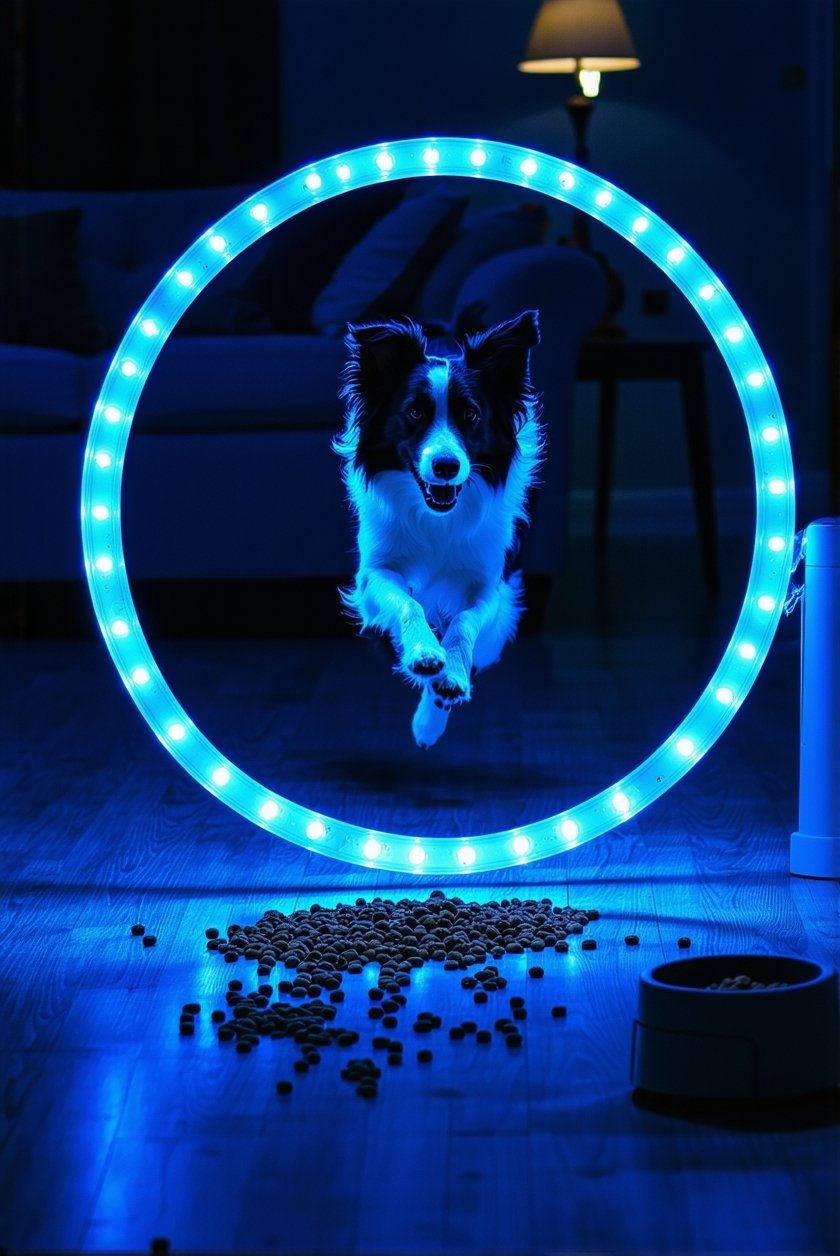
Once you’ve established your support network, you can enhance your training success with quick, engaging activities that maximise every minute.
Even with a packed schedule, you’ll find pockets of time to train through creative solutions that blend seamlessly into your daily routine.
Here are three effective ways to make the most of your training time:
- Transform feeding time into training opportunities by asking for a sit or stay before meals.
- Turn your daily walks into interactive games by practising commands between fetch throws.
- Use food puzzles and mental stimulation toys during your work breaks to keep your pup learning.
Creating Structured Training Environments at Home
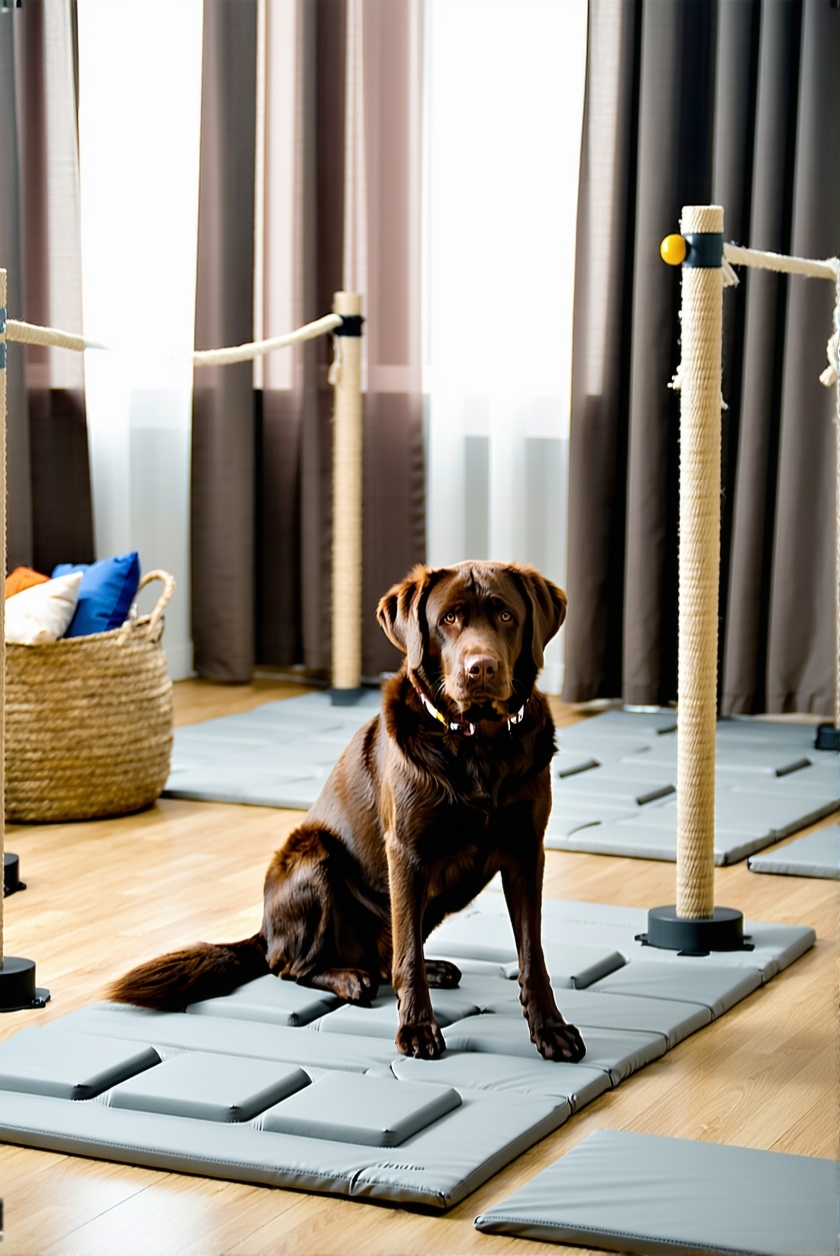
Setting up a structured training environment is the foundation for successful dog training at home, especially when time is limited.
You’ll want to designate specific areas for training sessions and quiet time, using gates and pens to create clear boundaries. This helps your pup understand when it’s time to learn and when it’s time to relax.
Start by establishing a distraction-free zone where you can work together. As your dog masters basic commands, gradually introduce controlled distractions to build their focus.
Keep training tools like treats and toys readily available in your structured environment, and use crates or designated rest areas for downtime.
Remember to reward your dog for settling calmly in their space – this reinforces that good behaviour happens naturally in a well-organised setting.
Adjust your setup as needed to support your dog’s progress and changing needs.
Building Consistency: Training Habits for Career Success
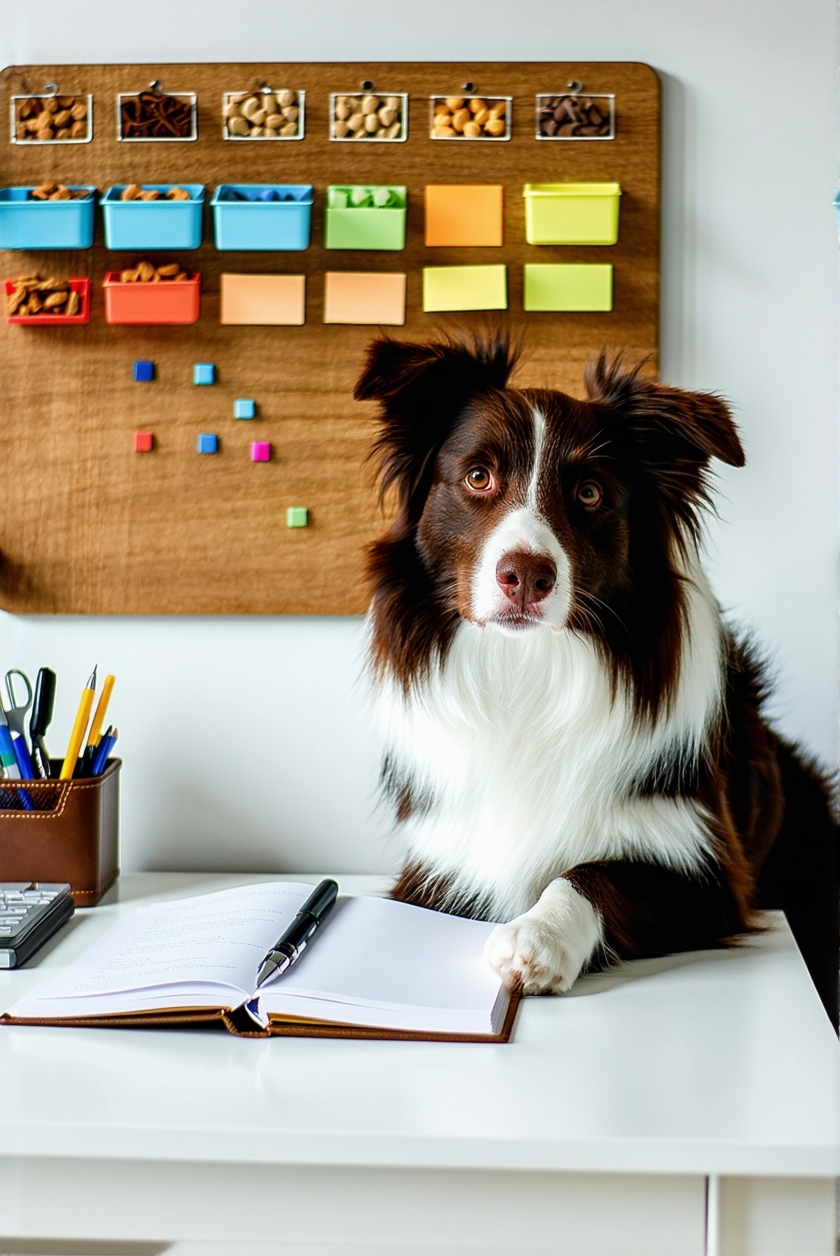
When you’re managing a busy career, building consistent training habits with your dog becomes essential for long-term success.
By integrating quick 3-7 minute training sessions into your daily routine, you’ll create a strong foundation for your pup’s development without overwhelming your schedule.
Here are three effective dog training tips that will fit into your busy lifestyle:
- Pair training with daily activities – ask for a sit before meals or walks.
- Keep a simple training log on your phone to track progress and celebrate small wins.
- Start with basic cues during your morning routine, then gradually increase complexity as your dog masters each skill.
Frequently asked questions
How Do I Train My Dog to Be on a Busy Schedule?
You can successfully train your dog on a busy schedule by breaking training into mini-sessions throughout your day.
Utilise everyday moments like feeding time to practice commands, and you’ll be amazed at how quickly your pup learns.
Don’t worry if you’ve only got 3-5 minutes – that’s perfect! Incorporate training into your morning routine, and consider hiring a dog walker to help maintain consistency.
What Is the 5 Second Rule in Dog Training?
The 5 Second Rule is your key to effective dog training communication.
When you give your pup a command, you’ll want to wait up to five seconds for their response. If they don’t act within that time, you’ll need to either repeat the command or guide them to success in a different way.
This helps keep your training sessions engaging and prevents your dog from losing focus or becoming frustrated.
What Is the Rule of 3 in Dog Training?
You know that wonderful moment when your pup gets a command right? The Rule of 3 builds on that success.
It’s a simple principle: you’ll want your dog to respond correctly to a command three times in a controlled setting before moving to more challenging environments.
When you’re practising “sit” in your quiet living room, and your furry friend nails it three times, you’re ready to try it in the garden.
It’s all about building confidence together.
What Are the Three C’s of Dog Training?
The three C’s of dog training are Consistency, Clarity, and Calmness.
You’ll want to be consistent with your commands and rewards so your pup can learn reliably.
Keep your signals clear and straightforward, making it easy for your dog to understand what you’re asking.
And remember to stay calm during training sessions – your relaxed energy will help your furry friend feel secure and receptive to learning.
These principles will strengthen your bond and make training more effective.
Wrapping up the rules
You’re not letting your professional commitments stand in the way of raising a well-behaved pup! By implementing these time-smart training strategies, you’ve proven that career success and pet parenting can go paw in paw. Remember, it’s not about the quantity of training time but the quality of your connection. Keep celebrating those small victories, and you’ll soon discover your furry friend has become your perfect work-life companion.