The most efficient times to walk your dog are early morning (5-7 AM) and evening (5-7 PM), when temperatures are moderate and streets are less crowded. You'll want to avoid midday walks around 2 PM due to hot pavement and peak temperatures that can stress your pet. These optimal walking windows allow for proper energy release and create a consistent routine for your dog. Factors such as season, breed, and age can further refine your ideal schedule.
Some key takeaways
- Early morning walks between 5-7 AM provide optimal energy release and a tranquil environment for both dogs and owners.
- Evening walks from 5-7 PM offer comfortable temperatures and reduced street activity for stress-free exercise.
- Midday walks should be avoided during summer months due to hot pavements and peak temperatures around 2 PM.
- Winter schedules benefit from afternoon walks around 2 PM when temperatures are warmest and daylight is available.
- Walking times should be adjusted based on the dog's age, breed, and health conditions, ensuring at least two daily walks.
Morning Walks: The Golden Hours for Energy Release

When you're looking to establish a healthy routine for your dog, morning walks between 5-7 AM offer the perfect combination of benefits.
You'll find these early morning hours provide a peaceful environment where your canine companions can focus on energy release without the distractions of bustling streets and crowds.
The best time for these walks isn't just about convenience – it's about maximising your dog's well-being. You're setting them up for success by allowing them to relieve themselves before you head out for the day, preventing indoor accidents.
Plus, you'll notice your dog's anxiety levels decrease considerably when they start their day with exercise. The cooler temperatures during these golden hours make it more comfortable for both you and your furry friend to maintain a consistent walking routine.
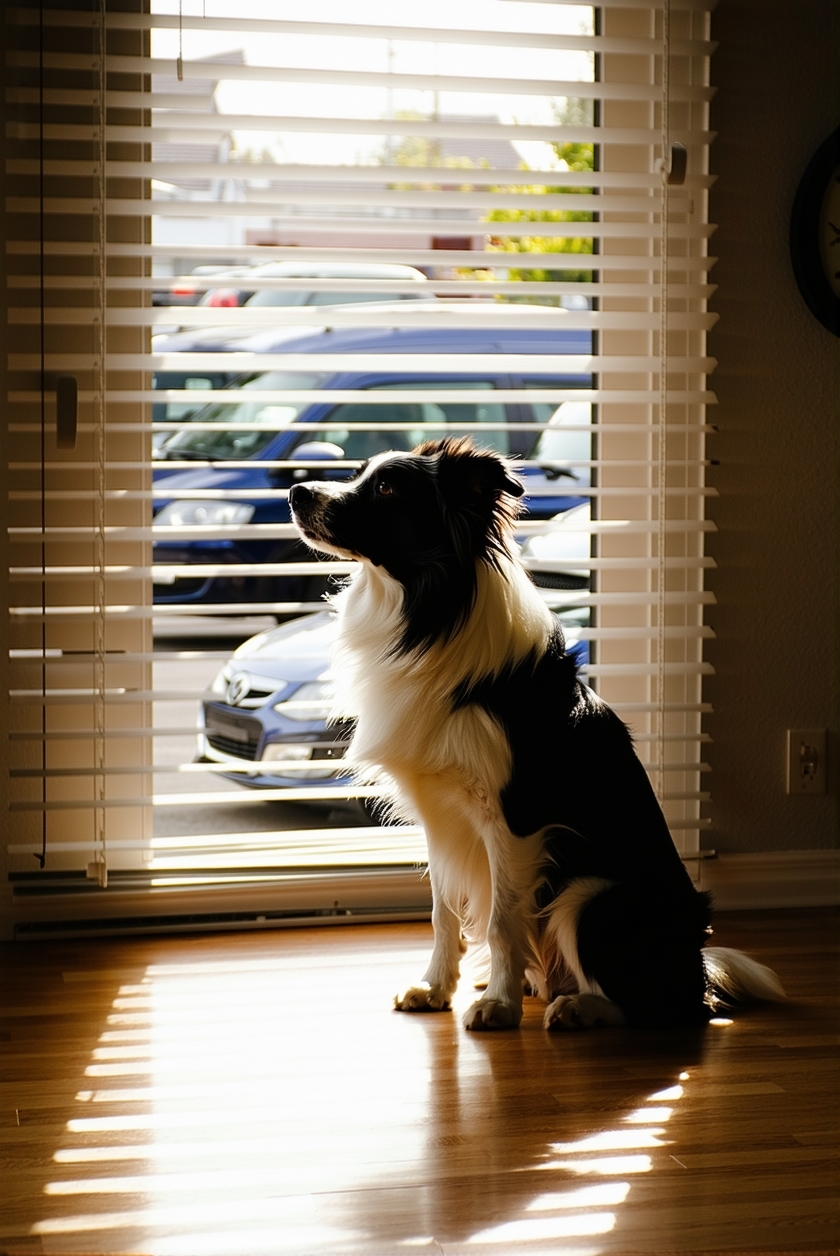
Although midday walks might seem convenient for your schedule, they present unique challenges that require careful planning.
When considering the best times to walk your dog, it's essential to understand that temperatures peak around 2 PM, making midday walks potentially hazardous for your furry companion.
As a thoughtful dog owner, you'll need to monitor both temperature and traffic conditions during these hours. Hot pavements can burn your dog's sensitive paw pads, while crowded urban streets may increase their stress levels.
If you must walk during midday, choose shaded routes and watch for signs of overheating, especially in brachycephalic or smaller breeds.
For your dog's comfort and safety, consider rescheduling walks to cooler hours when temperatures soar, ensuring both you and your pet can enjoy a more pleasant walking experience.
Evening Schedules: Balancing Rest and Exercise
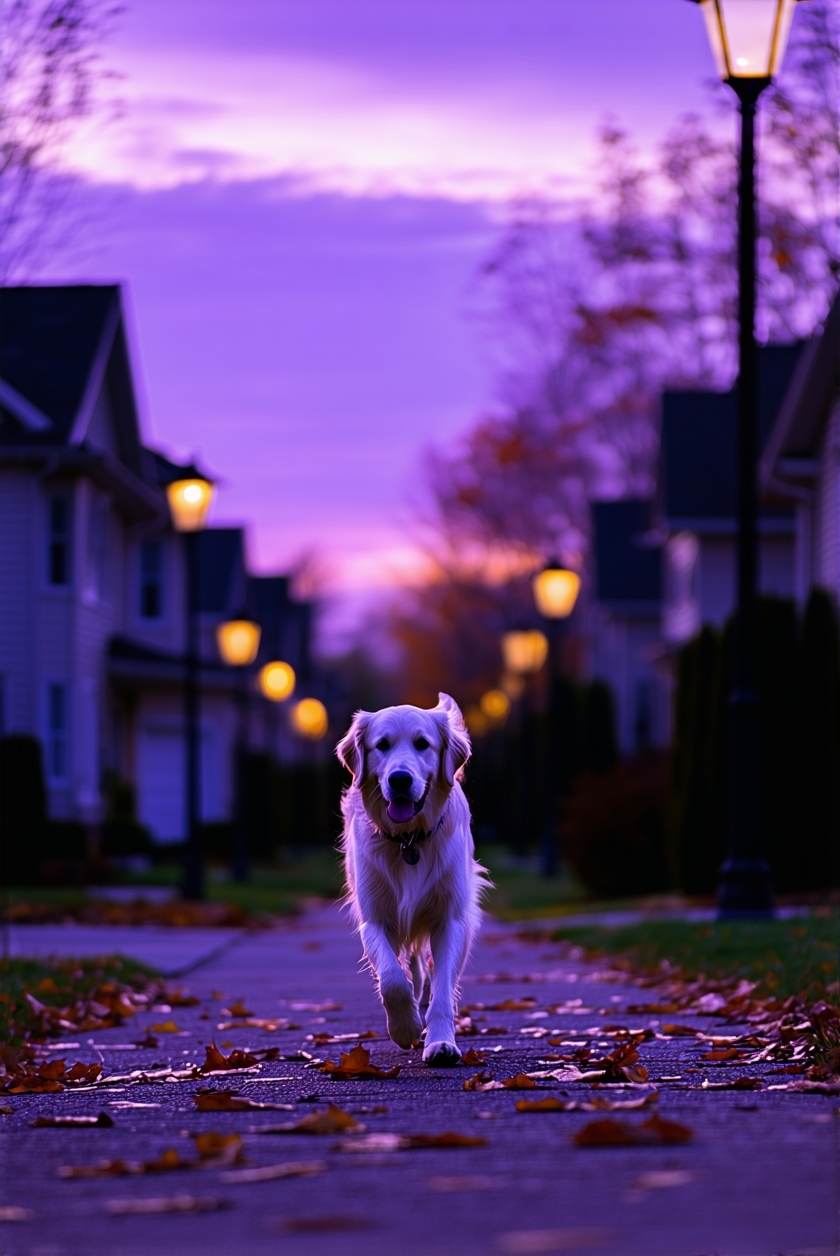
Evening walks offer a practical alternative to midday outings, combining ideal temperatures with reduced street activity. The best time to go is typically between 5-7 PM, when you'll find fewer people on the streets and more comfortable conditions for your four-legged friend.
For high-energy dogs, evening walks provide essential benefits:
- They help release pent-up energy before bedtime.
- They create a consistent routine that helps your dog feel secure.
- They offer quality bonding time when you're less rushed.
Remember that this time of day requires additional safety measures. You'll want to invest in reflective gear to ensure you're visible to others.
Seasonal Adjustments for Walking Routines
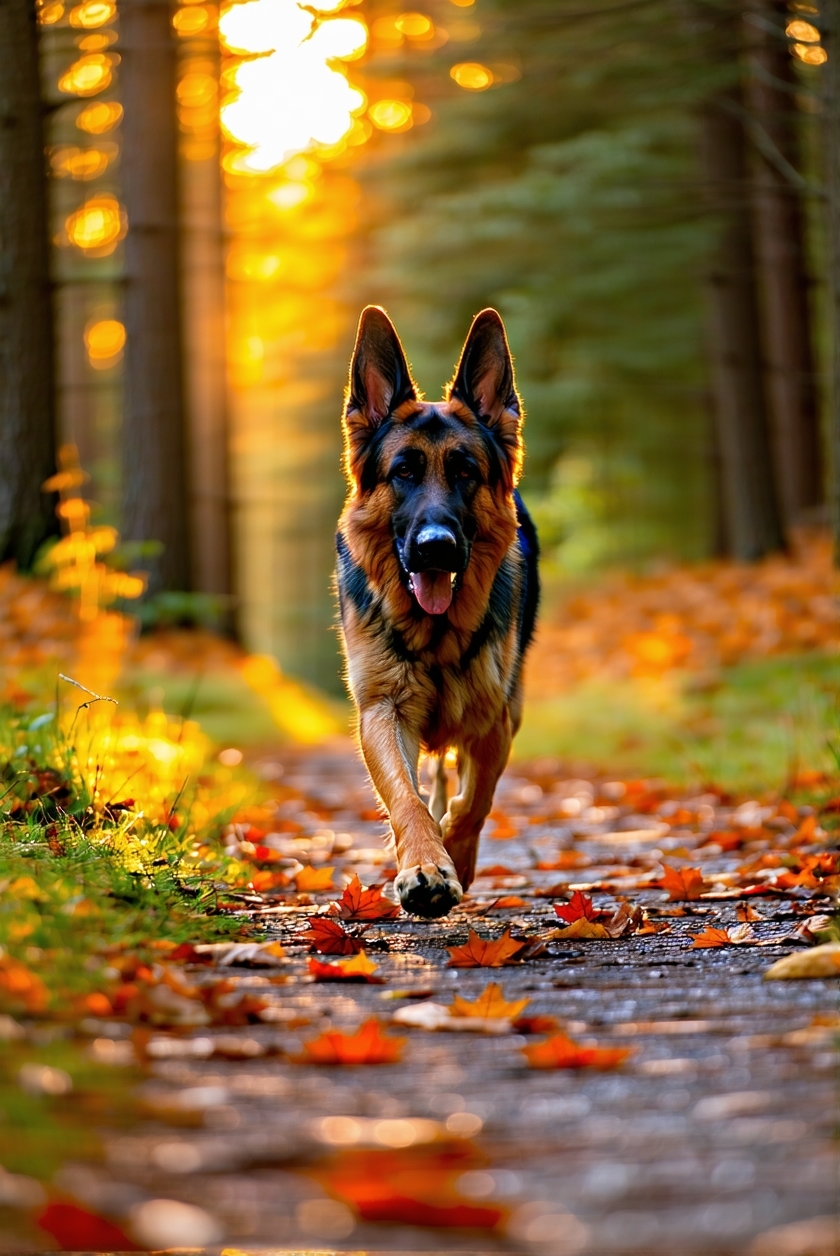
Throughout the year, your dog's walking schedule needs strategic adjustments to accommodate changing weather patterns and daylight hours. The best time for walks shifts with seasonal changes, requiring you to adapt your routine each day to ensure your pup's comfort and safety.
During the summer months, plan walks early in the day, between 5-7 AM, when temperatures are cooler and paths are less crowded. It's best to avoid walking during peak heat to protect your dog's sensitive paw pads.
Winter presents different challenges, making afternoon walks around 2 PM more suitable than chilly morning outings. Consider adjusting your evening walks between 5-7 PM, particularly during summer when temperatures begin to drop.
Remember to factor in daylight saving time to maintain consistent timings for your walks throughout the year.
Health-Based Timing: Age and Breed Considerations
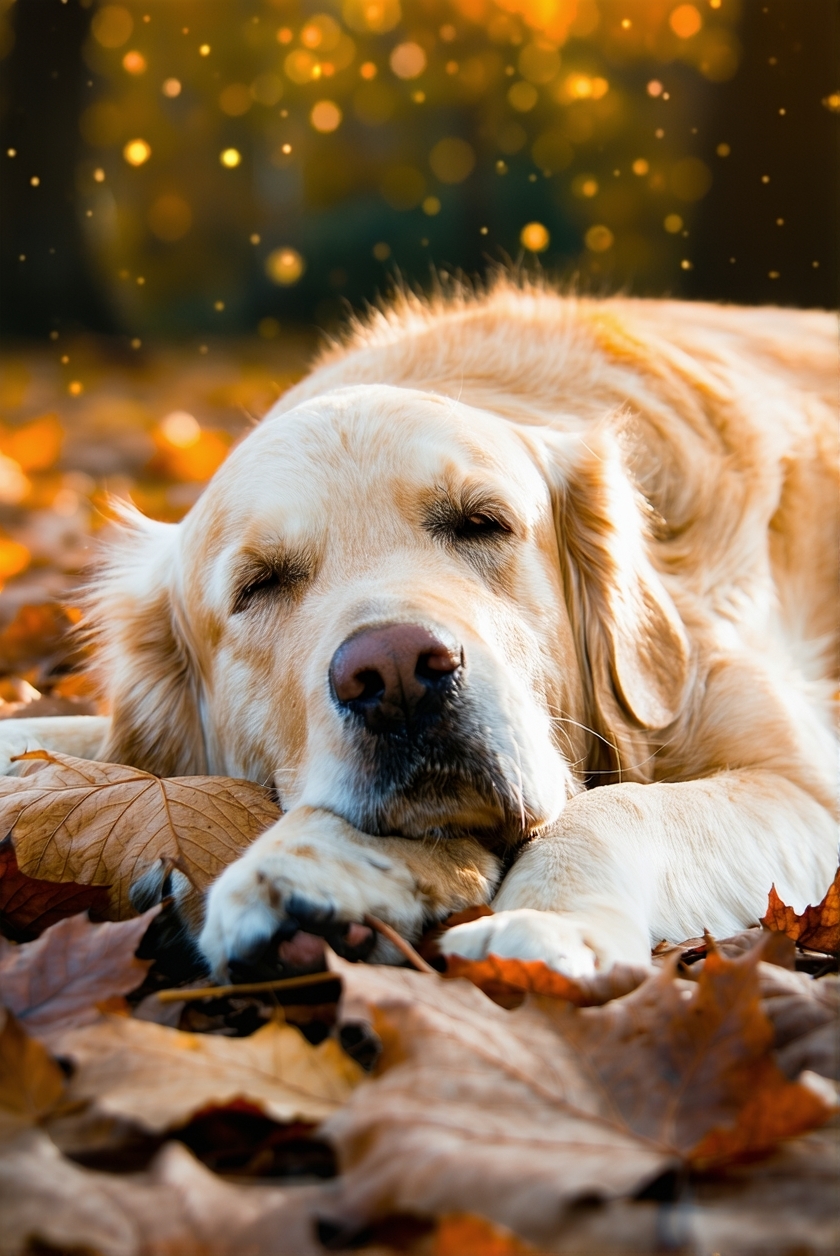
When determining ideal walking times for your dog, their age and breed characteristics play crucial roles in scheduling.
Professional dog walkers understand that different life stages require specific time-of-day considerations for optimal health and comfort.
Consider these essential timing guidelines:
- If you have a puppy under six months old, schedule shorter walks after their vaccinations, focusing on gentle exercise during mild temperature periods.
- For brachycephalic breeds, avoid afternoon walks during warm weather—stick to early morning or evening walks to prevent breathing difficulties.
- With older dogs, plan more frequent but shorter walks during cooler hours, allowing for additional bathroom breaks.
Small breeds typically prefer warmer walking times, while larger dogs can better tolerate cooler temperatures.
Remember to maintain at least two daily walks regardless of breed or age.
Frequently asked questions
What Are the Best Times of Day to Walk Your Dog?
The best times to walk your dog are during the early morning hours, between 5-7 AM, when temperatures are cool and your pup can expend energy for the day ahead.
For afternoon walks, aim for after 2 PM when the heat subsides.
Evening walks from 5-7 PM provide a tranquil environment with less foot traffic.
What Is a Good Walking Schedule for Dogs?
You'll want to establish a consistent routine with at least two 30-minute walks each day for your furry friend.
Begin with an early morning walk between 5-7 AM, when it's cooler and quieter, helping your dog release energy for the day ahead.
Schedule your second walk in the late afternoon or early evening, around 5-7 PM, when temperatures have dropped.
This routine will keep your pup healthy, happy, and well-adjusted.
What Is the 5 Second Rule for Walking Dogs?
The 5 Second Rule is a helpful technique you'll use during walks with your dog.
When your dog pulls or stops to sniff, you should pause for five seconds, allowing them to explore while teaching patience.
You'll only move forward once they're calm and walking nicely.
It's a fantastic way to establish better leash manners and create a stronger bond with your dog while respecting their natural need to investigate their surroundings.
Is 2 Walks a Day Enough for a Dog?
Two walks a day is typically sufficient for most adult dogs, but you'll need to take into account your pet's specific needs.
It's important to ensure each walk lasts at least 30 minutes to provide adequate exercise and mental stimulation.
If you notice your dog displaying signs of restlessness or engaging in destructive behaviour, they might require more activity.
To summarise
You'll find that the perfect dog walking schedule isn't just about convenience—it's about understanding your furry friend's unique needs. While early mornings and evenings often prove ideal for most dogs, don't overlook how your pet's age, breed, and health status might influence the best walking times. Watch your dog's cues carefully; they'll show you when they're most energised and ready for adventure.