You will find significant variations in emotional support dog fees across major carriers. Budget airlines like Frontier charge £99, while premium carriers such as Delta require between £125 and £200. Southwest maintains a flat fee of £125, American Airlines charges £150, and Alaska Airlines offers competitive rates at £100. International carriers LATAM and Volaris stand out by providing complimentary ESA travel on select routes. Understanding the full cost structure, including hidden fees and documentation requirements, can help you make smarter travel choices.
Some key takeaways
- Delta charges £125 to £200 for ESA travel, making it one of the more expensive carriers among major U.S. airlines.
- Southwest Airlines maintains a straightforward £125 flat fee for pet travel across all routes.
- Budget carrier Frontier offers one of the lowest ESA fees at £99 for in-cabin pet travel.
- Alaska Airlines provides competitive rates at £100, positioning itself as a mid-range option for ESA travel.
- International carriers LATAM Airlines and Volaris stand out by offering complimentary ESA travel on select routes.
Current ESA Regulations for Major U.S. Airlines
Since the Department of Transportation's rule change in 2021, travelling with emotional support animals has become considerably more complex and costly.
Major airlines no longer recognise ESAs as service dogs, requiring them to adhere to standard pet policies instead.
When you're planning to fly with your emotional support animal, you'll need to prepare for fees ranging from £80 to £120 per flight, depending on your chosen airline.
Your ESA letter, while still important, won't exempt you from these charges.
You'll need to ensure your companion fits in approved pet carriers that meet airline size restrictions, typically 46 x 28 x 28 cm.
Remember, while some airlines allow pets in cargo, others like Southwest and Spirit don't offer this option.
Most importantly, your pet must meet strict behavioural standards to board, regardless of documentation.
International Carriers' ESA Fee Structures
While U.S. airlines have standardised their ESA policies, international carriers offer a more varied range of fee structures and accommodations.
You'll find that several airlines allow Emotional Support Animals to travel free of charge, particularly in Latin America. LATAM Airlines leads the way with complimentary ESA travel on select routes to Mexico, Colombia, and domestic flights within Colombia.
For your international flights, you'll need an ESA letter from a licensed healthcare professional. Air Canada and WestJet require this documentation, though their fees vary.
Aeroméxico maintains strict behaviour requirements and weight limits, accepting ESAs under 26 pounds with a psychiatrist's certification.
When planning your trip, remember that Volaris offers fee-free ESA travel on specific routes, making it a budget-friendly choice for travellers needing emotional support animal accommodation.
Hidden Costs Beyond Basic Pet Fees
Beyond the advertised pet fees, you'll uncover numerous additional expenses that can significantly impact your travel budget.
While basic emotional support animal fees range from £50 to £200, you'll need to account for the cost of pet carriers (£30 to £150) that meet airline specifications.
Don't forget about the required health certificates and veterinary documentation, which vary by location and can add considerable costs.
When travelling internationally with your service animal, you'll face extra challenges such as quarantine regulations and additional documentation requirements.
Even pet-friendly accommodations can strain your finances with daily fees.
For those with a disability that qualifies for an ESA, these hidden costs can be particularly burdensome.
Remember to research thoroughly and budget for these expenses before booking your flight to avoid unexpected financial surprises.
Budget Airlines Vs Premium Carriers: Fee Analysis
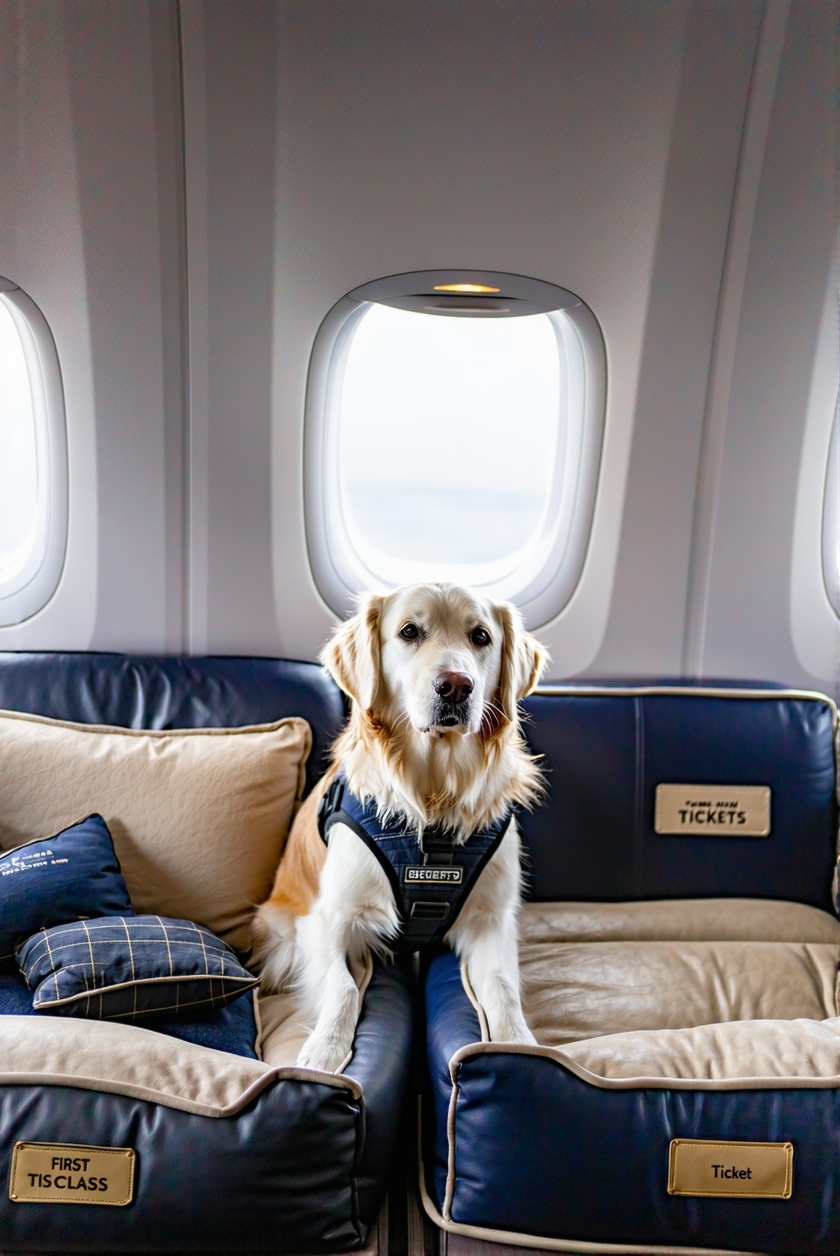
Understanding the fee structure between budget and premium carriers reveals significant variations in pet travel costs.
You'll find budget airlines like Frontier offering more economical options at £99 for in-cabin pet travel, while premium carriers such as Delta charge between £125-£200 depending on your destination.
When comparing airlines, Southwest stands out with its predictable £125 flat fee, making it easier to plan your travel budget.
American Airlines positions itself in the premium segment at £150, while Alaska Airlines offers a competitive £100 rate with the unique benefit of allowing multiple pets with an adjacent seat purchase.
Since the 2021 DOT ruling, emotional support animals no longer receive special treatment, so you'll need to factor in these standard pet fees regardless of your dog's designation.
Seasonal and Route-Based Fee Variations
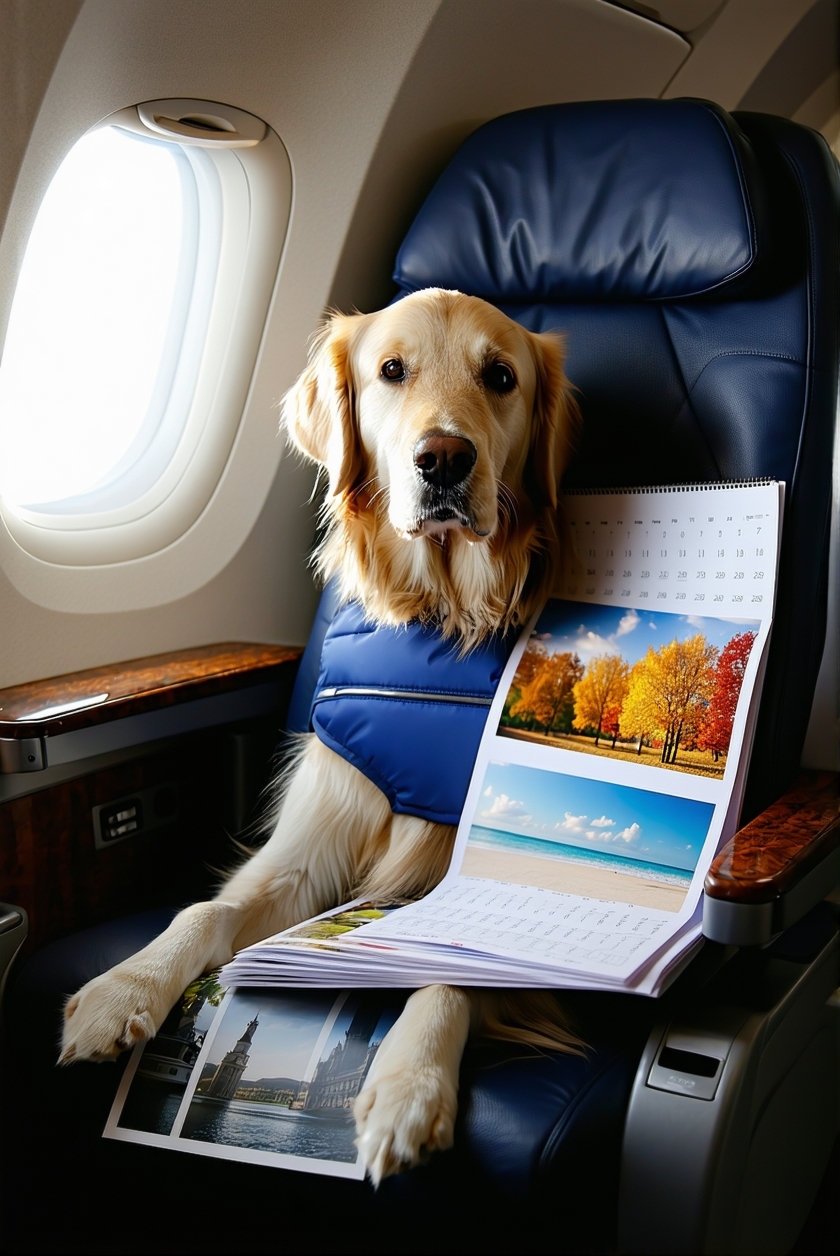
Depending on when and where you're flying with your dog, airline pet fees can fluctuate markedly throughout the year.
During peak seasonal travel periods, you'll find that in-cabin pet travel costs more and space is limited. While Delta charges £95 for domestic routes, you'll pay £200 for international flights with your furry companion.
Route-based fees vary greatly among pet-friendly airlines.
American Airlines' £150 fee might seem steep compared to Frontier's £99, but you'll need to take into account the specific route and timing of your trip.
If you're travelling to South America, you'll find some relief with carriers like LATAM and Volaris, which still accommodate emotional support animals free of charge on select routes, unlike most major airlines that have implemented strict pet fees.
Pet Carrier Size Requirements and Associated Costs
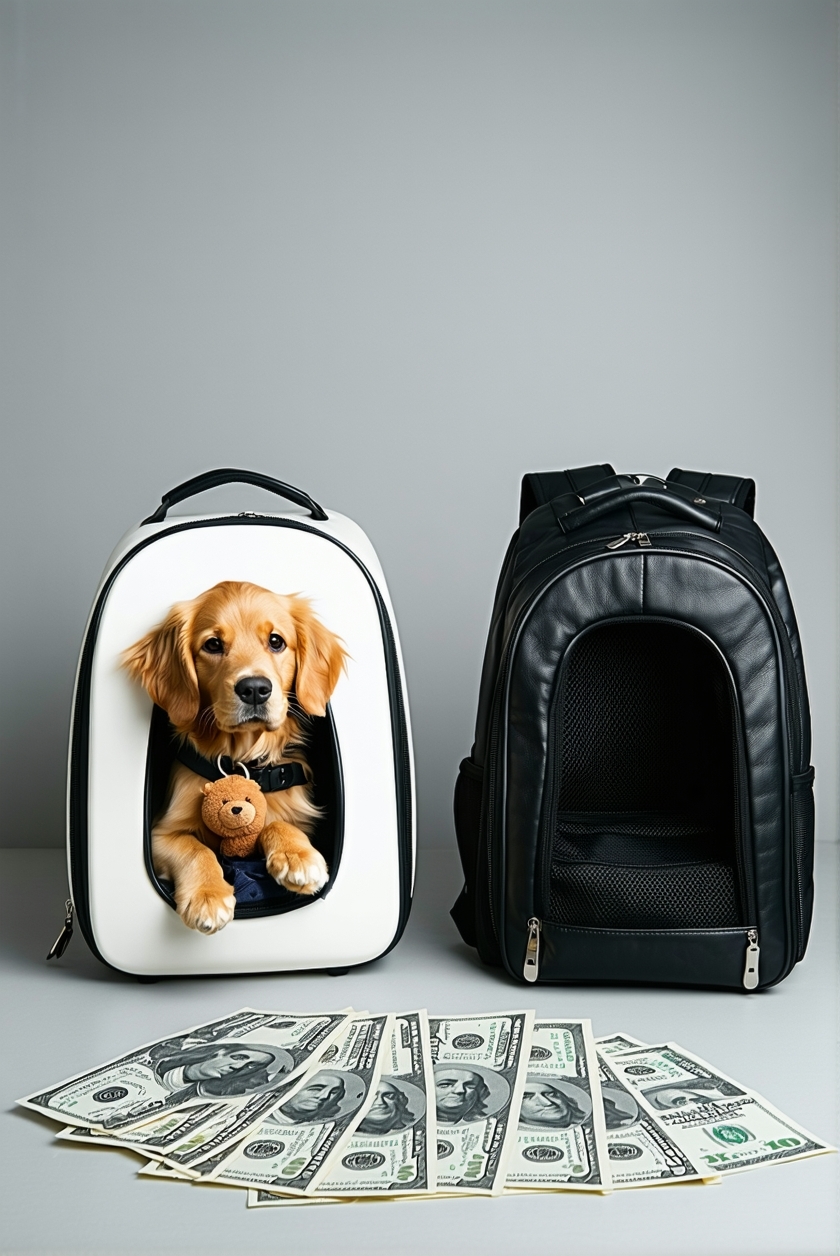
Three major factors determine your pet travel costs: carrier dimensions, airline policies, and travel class.
When travelling with emotional support animals, you'll need to comply with strict pet carrier size requirements that vary by airline. Delta and American Airlines limit carriers to 18 x 11 x 11 inches for in-cabin travel, while Southwest Airlines allows slightly larger kennels at 18.5 x 13.5 x 9.5 inches.
Your pet travel costs will range from £99 to £150 per flight. Alaska Airlines offers the best value, allowing two pet carriers per passenger at £100, while American Airlines charges £150 for cabin travel.
Before booking, measure your carrier carefully – it must fit under the seat and comply with your chosen airline's pet policies. Remember that most airlines won't accommodate oversized carriers in the cabin.
Documentation Fees and Medical Certificate Expenses
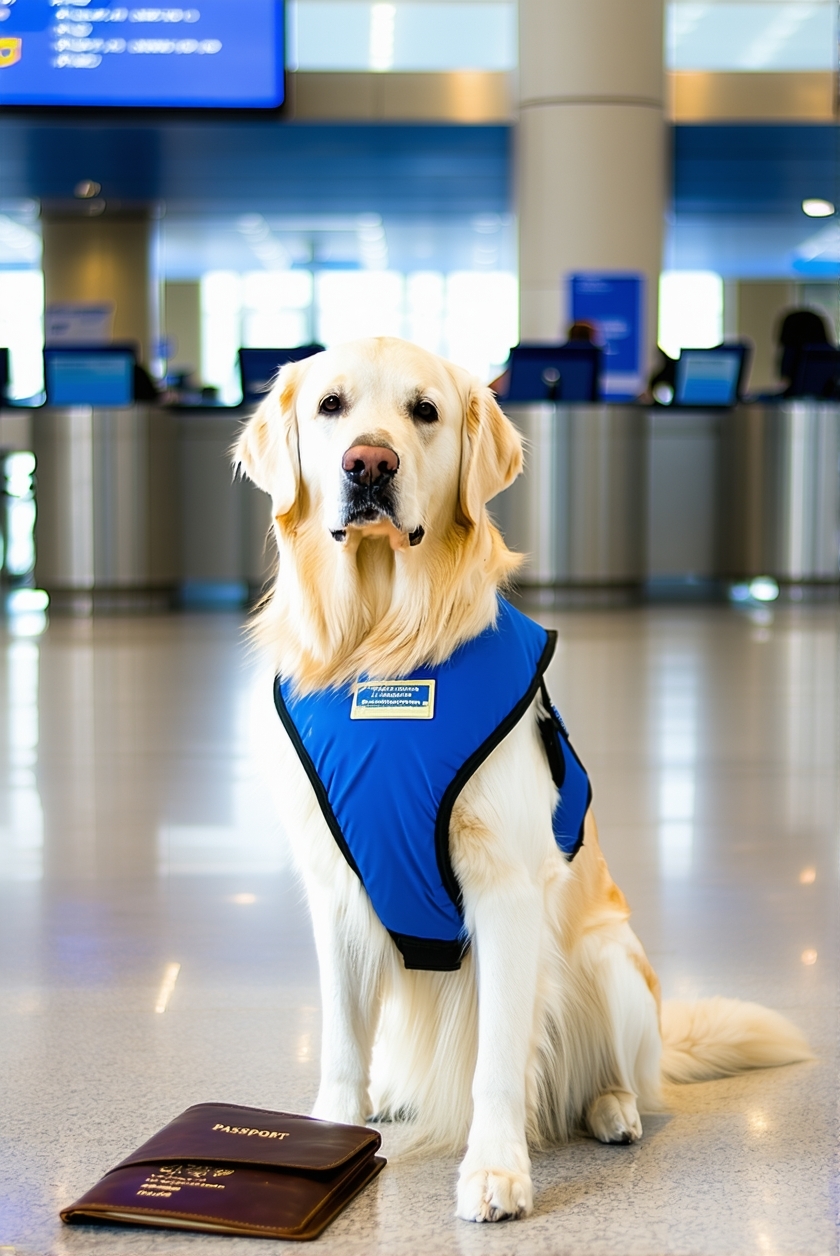
Several crucial documentation requirements come with travelling with an emotional support animal, and you'll need to budget accordingly for these expenses.
As your trusted advisor in managing airline requirements for emotional support animals, I'll help you understand the essential documentation fees you'll encounter.
- You'll need a letter from a licensed mental health professional, which typically costs between £40-£120.
- Airlines require health certificates from your veterinarian, ranging from £20-£80.
- Vaccination records and microchipping documentation are mandatory, costing £12-£80 each.
- Standard pet travel fees apply on most airlines, running £80-£160 per flight.
Remember to factor in printing costs for multiple copies of your documentation.
While these passenger expenses may seem substantial, proper preparation guarantees smooth travels with your emotional support companion.
Reward Programs That Offset Pet Travel Costs
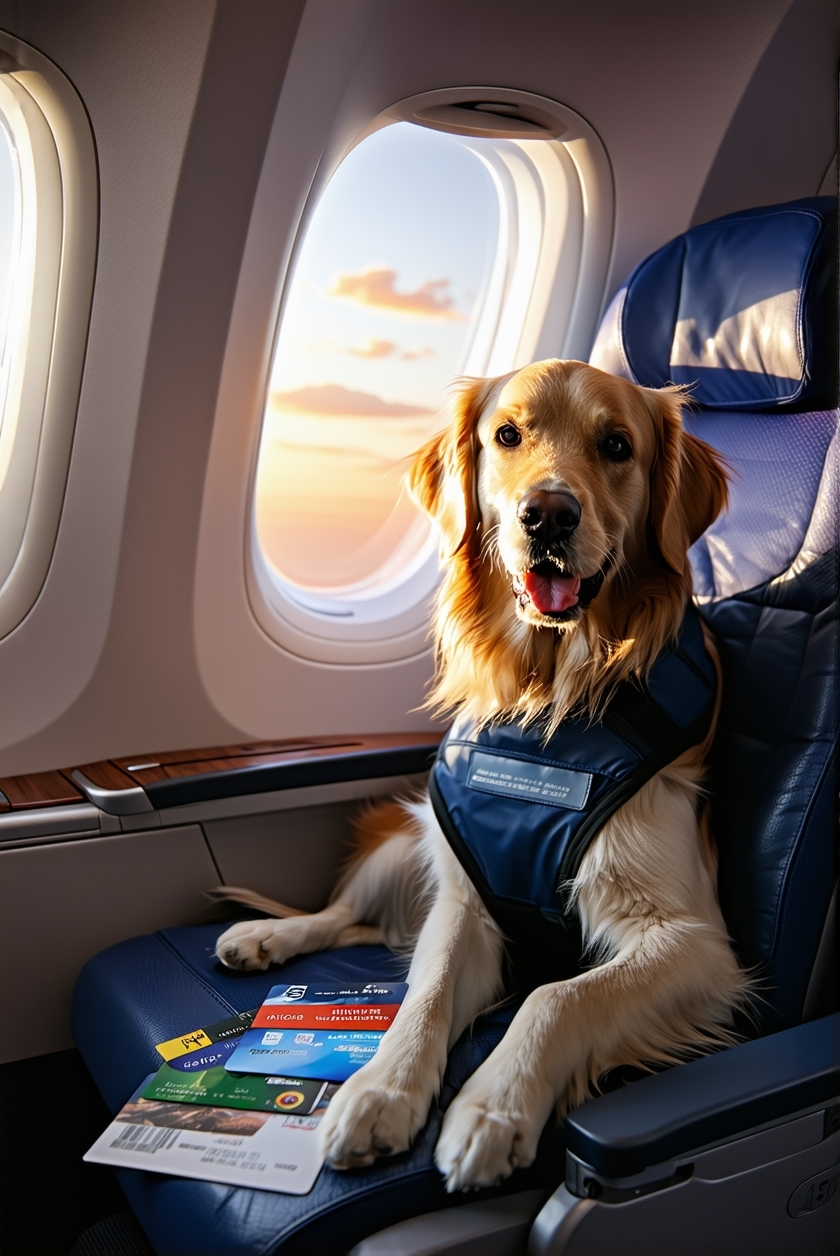
While travelling with your emotional support animal involves various fees, savvy pet owners can considerably reduce these costs through airline reward programmes.
You'll find valuable opportunities with major carriers' frequent flyer programmes to offset pet travel costs. Southwest Airlines' Rapid Rewards allows you to apply points towards their £125 pet fee, while Delta SkyMiles helps reduce their £95 domestic flights fee for emotional support animals.
Alaska Airlines' Mileage Plan members can earn miles to minimise their £100 pet fee impact.
Don't overlook airline-affiliated credit cards, which often provide travel credits you can use for pet fees.
Comparing Direct Vs Connecting Flight Pet Fees
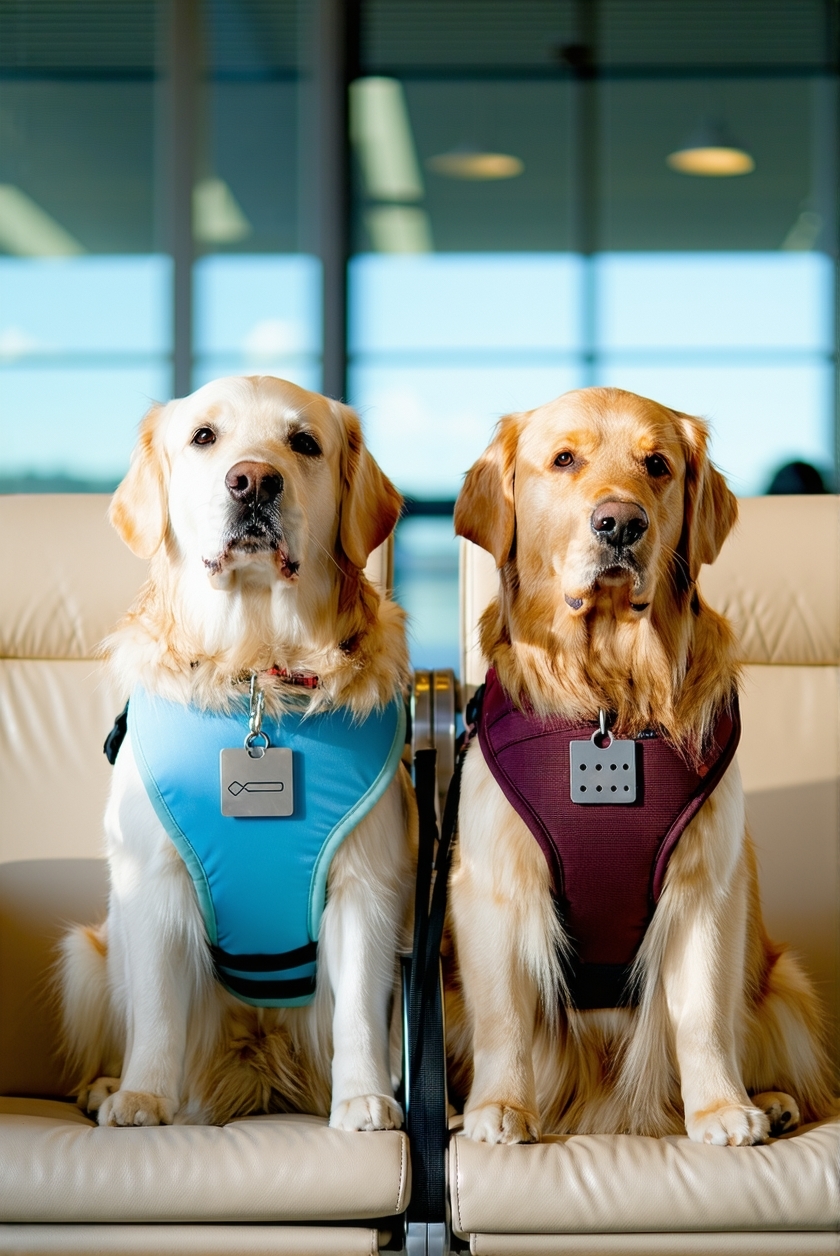
Understanding direct versus connecting flight fees is essential when budgeting for your emotional support animal's travel expenses.
When flying with your ESA, you'll find that airlines' fees can vary greatly between direct and connecting flights. A single domestic flight might cost you between £75-£100 for your pet fee, but connecting flights can multiply these costs.
- Direct flights typically require just one pet fee payment, saving you money and reducing stress.
- Connecting flights often charge per segment, doubling or tripling your travel costs.
- International travel with connections may incur both domestic and higher international pet fees.
- Airlines such as Delta charge different rates for domestic flights (£100) versus international segments (£160).
Consider booking direct flights whenever possible to minimise additional fees and make your journey with your ESA more cost-effective.
Alternative Travel Options When ESA Fees Are High

When airline fees for emotional support animals become prohibitively expensive, savvy travellers can explore numerous cost-effective alternatives.
Consider upgrading your ESA to a psychiatric service dog if you qualify, as PSDs fly free under UK law. You'll also find relief with alternative airlines like LATAM and Volaris, which still welcome ESAs without charging additional fees.
If you're flexible with carriers, Frontier Airlines offers relatively low fees at £99 per pet.
Ground transportation provides viable options too. Trains and coaches typically accommodate emotional support animals with minimal restrictions and lower travel costs.
For maximum flexibility, hire a vehicle for your journey – you'll avoid airline pet fees entirely while maintaining complete control over your travel schedule and stops, ensuring a stress-free experience for both you and your companion.
Frequently asked questions
Which Airline Has the Lowest Pet Fee?
If you're looking to travel with your furry companion, you'll be pleased to know that Frontier Airlines offers the most budget-friendly pet fee at £99 per direction.
As your trusted pet travel advisor, I must point out that this is significantly lower than American Airlines' £150 fee or Delta's variable rates.
While Alaska Airlines comes in as a close second at £100, Frontier remains your best bet for cost-effective pet travel.
Do Airlines Charge Extra for Dogs?
Your furry friend's plane ticket might make your wallet whimper – airlines absolutely charge extra for dogs.
As your trusted pet travel advisor, I'll tell you that you're looking at fees ranging from £75 to £150 per flight segment.
Here's the real scoop: since 2021, even your emotional support pup isn't getting a free ride anymore.
You'll need to factor these costs into your travel budget.
Can My Dog Fly With Me as Emotional Support?
As an experienced animal behaviourist, I must inform you that most UK airlines no longer recognise emotional support dogs as service animals.
You'll need to travel with your dog as a regular pet, which means paying standard pet fees and adhering to in-cabin pet policies.
If you're planning to fly, it's advisable to check specific airline requirements well in advance and prepare your dog for travel using a carrier that meets airline specifications.
Can I Fly With My Emotional Support Dog UK?
Just like a ship's captain needs proper credentials to navigate waters, you'll find that flying with your emotional support dog in the UK isn't as straightforward as in some other countries.
You can't rely on emotional support status alone, as UK airlines don't recognise these dogs as service animals.
You'll need to follow standard pet travel policies – meaning you'll pay regular pet fees and meet airline-specific requirements for pet transport.
To summarise
When your furry family member needs to travel, you'll want to carefully consider each airline's "companion comfort charges." While some carriers might lighten your wallet a bit, there's usually a way to make the journey more manageable. Don't let the numbers send you barking up the wrong tree – remember that reward programmes and seasonal deals can help cushion the financial impact of travelling with your four-legged friend.