You can raise a happy, healthy dog without breaking the bank by making smart choices in key areas. Start with bulk food purchases and subscription services for regular savings, then master basic grooming at home. Create DIY toys from household items, and focus on preventative health care through regular check-ups and maintenance. Utilise free online training resources and connect with other dog owners for support. These practical strategies will open up a world of cost-effective pet care solutions.
Some key takeaways
- Invest in DIY grooming tools and learn basic grooming techniques to save hundreds of pounds annually on professional services.
- Buy pet food in bulk through subscription services, utilising first-time discounts and consistent delivery for cost savings.
- Create homemade toys from household items and rotate them regularly to keep dogs entertained without expensive purchases.
- Utilise free online training resources and make homemade treats instead of purchasing costly training tools.
- Practice preventative healthcare through regular at-home checks and maintain a basic first-aid kit to minimise vet visits.
Smart Food Shopping: Bulk Buying and Meal Planning

While caring for a dog can strain your wallet, smart food shopping strategies can dramatically reduce your monthly expenses. Start by embracing bulk buying for your dog food – larger bags offer better value per serving, and you'll make fewer trips to the shop. Your pup will love the consistency, too.
Take meal planning to the next level by preparing homemade treats and supplemental foods. You can incorporate safe kitchen scraps into their diet, adding variety while stretching your budget.
Consider signing up for subscription services that offer discounted rates on regular deliveries of your pup's favourite foods.
Keep track of your dog's actual consumption to avoid overbuying. This helps you adjust your bulk purchases and ensures you're not wasting food or money.
DIY Grooming Techniques and Tools
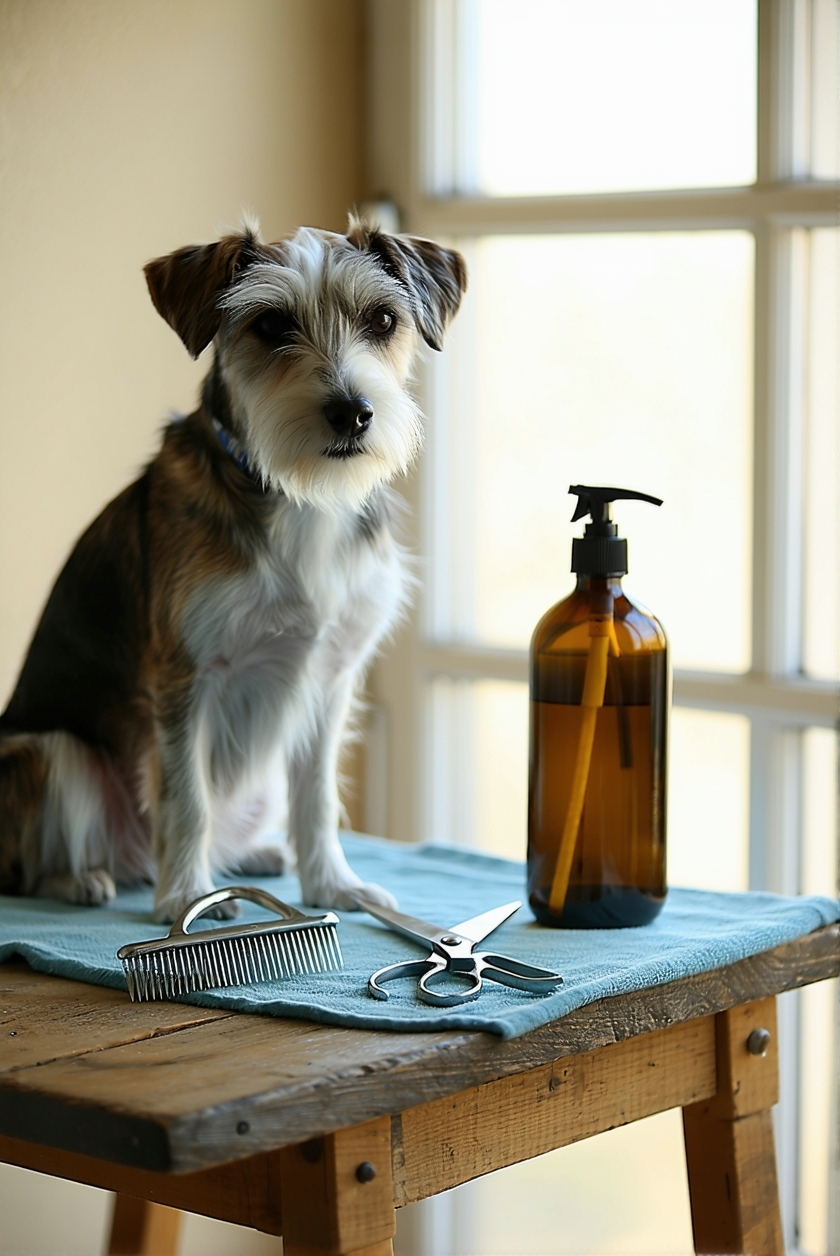
Professional grooming services can significantly dent your budget, but you can easily master basic grooming skills at home to keep your dog looking and feeling fantastic.
Start by investing in quality clippers, brushes, and nail trimmers – they'll pay for themselves after just a few DIY sessions.
Make grooming a regular bonding activity with your dog. Brush their coat regularly to prevent matting and reduce shedding, just as you'd always prepare their food with care.
Set up a simple bathing station using lukewarm water and suitable dog shampoo. Learn to trim their nails every 3-4 weeks, and don't overlook essential tasks like ear cleaning and teeth brushing.
With helpful online tutorials and a bit of patience, you'll develop the confidence to manage these grooming tasks, saving money while strengthening your connection with your furry friend.
Preventative Health Care Strategies

Just as an ounce of prevention is worth a pound of cure, investing in preventative health care for your dog can save you thousands in potential veterinary bills.
By taking care of your pup's basic health needs at home, you'll create a foundation for long-term wellness that's both effective and budget-friendly.
Start with a regular worming programme and consistent flea prevention to avoid costly infestations.
Keep a well-stocked pet first-aid kit handy for addressing minor injuries at home.
You'll find that combining these preventative health care strategies with routine grooming practices helps ward off expensive health issues before they start.
Don't skip those regular vet check-ups, though – they're essential for catching potential problems early when they're less expensive to treat and easier to manage.
Natural Enrichment and Homemade Toys

Creative pet parents know that entertaining a dog doesn't require expensive shop-bought toys. You can save a few pounds while keeping your furry friend engaged by transforming everyday household items into exciting playthings. Turn old t-shirts into tug toys, or create a challenging puzzle using a muffin tin and tennis balls.
Natural enrichment opportunities are all around your home. Convert cardboard boxes and paper towel rolls into exploration stations that stimulate your dog's senses. Make a homemade snuffle mat from fabric scraps to encourage natural foraging behaviours.
Keep things fresh by rotating these DIY toys regularly – when your pup seems to lose interest in one item, simply swap it out for another creative solution. Your dog won't know the difference between these budget-friendly alternatives and pricey pet shop options.
Budget-Friendly Training Methods
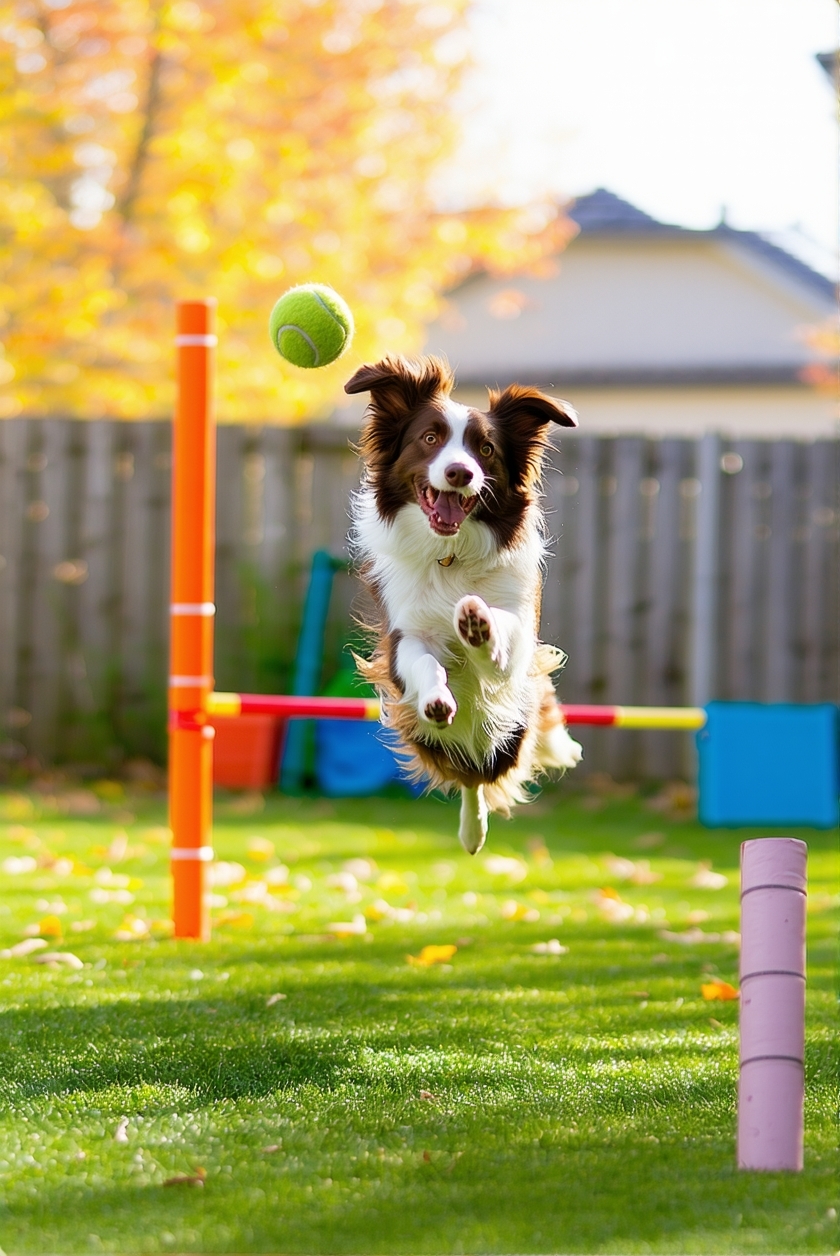
Training your dog effectively doesn't require costly professional classes or fancy equipment. Instead, you can adopt budget-friendly training methods by utilising free online resources and video tutorials that teach positive reinforcement techniques.
Make training treats at home using simple ingredients, which can be healthier and more economical than shop-bought options.
Create a consistent training schedule that suits both you and your dog every day. Collaborate with other dog owners for group training sessions, where you can share experiences and learn from one another.
Get creative with DIY training tools – your voice can be just as effective as a shop-bought clicker. While these methods are cost-effective, always consult your vet if you notice any behavioural concerns that might require professional attention.
Essential vs. Optional Pet Supplies

Every new dog owner needs to distinguish between must-have supplies and nice-to-have extras to maintain a realistic budget.
To take care of your furry friend properly, focus on the essentials first: high-quality food for proper nutrition, a sturdy collar and lead for safe walks, and a comfortable bed for rest.
Add basic grooming tools like brushes and nail clippers, plus a pet first-aid kit for emergencies.
While it's tempting to splurge on optional items like designer outfits or fancy accessories, your pup doesn't need them to thrive.
Instead, invest in a few durable toys that'll keep your dog mentally stimulated and physically active.
Cost-Effective Exercise Solutions

Keeping your dog fit and healthy doesn't have to empty your pocket. With a bit of common sense and creativity, you'll discover numerous cost-effective exercise solutions that benefit both you and your furry friend.
- Take daily walks or jogs together – it's free and strengthens your bond.
- Play fetch or tug-of-war at local parks using simple toys.
- Create DIY obstacle courses using household items for mental and physical stimulation.
- Join neighbourhood dog walking groups for free socialisation and exercise.
- Access online training resources to learn new exercise routines together.
These budget-friendly activities demonstrate that keeping your dog active without breaking the bank is easier than you might think.
Building an Emergency Pet Fund

Financial preparedness is a significant aspect of responsible pet ownership that often gets overlooked. Dogs need a safety net for unexpected medical bills and emergencies, which is why building an emergency pet fund is essential.
Start by setting aside just £10 monthly in a dedicated savings jar or account – it'll add up quicker than you think.
Always check your spending habits and redirect money saved from skipping unnecessary pet accessories into your emergency fund. Aim for a cushion of £500-£1,000 to handle surprise vet visits or health issues.
Make the most of subscription service deals for pet essentials, and put those initial savings straight into your fund. By consistently reviewing your budget and making regular contributions, you'll create a reliable financial buffer for your furry friend's future needs.
Alternative Pet Care Services

Beyond building your emergency fund, savvy pet parents can tap into a network of budget-friendly care options that won't compromise their dog's wellbeing.
Alternative pet care services are transforming how pet owners manage their furry friends' needs while keeping costs down.
- Exchange pet-sitting duties with trusted friends and family for mutual support.
- Join local pet-care co-ops to share resources and split costs with other owners.
- Connect with community volunteer groups offering affordable pet-care options.
- Use pet-sharing platforms to find budget-friendly dog walkers and sitters.
- Explore mobile grooming services with multi-pet discounts.
These creative solutions help you provide quality care while fostering meaningful connections within your community.
You'll discover that affordable pet-care options often come with the added benefit of creating a supportive network of fellow animal lovers who understand your commitment to your four-legged family member.
Money-Saving Pet Product Subscriptions

While traditional pet supply shopping can strain your budget, subscription services offer a smart way to save money on your dog's essential needs. You'll find incredible first-time discounts of up to 50% off, making it the perfect opportunity to stock up on your pup's favourite items.
These money-saving subscription services do more than just cut costs – they bring convenience to your doorstep. You can customise delivery schedules and product selections to match your dog's exact needs, eliminating wasteful purchases.
When your furry friend's appetite or needs change, you're not locked in – most services let you easily pause or adjust your orders. Take time to research different subscription options and compare their offerings.
Frequently asked questions
What Is the Hardest Age to Raise a Dog?
You'll find that raising a dog between 6 to 18 months old can be your biggest challenge.
During this teenage phase, your pup is going through their rebellious period – testing boundaries and often "forgetting" commands they've already learned.
They'll need extra patience as they experience surges in energy, independence, and curiosity.
Don't worry though – with consistent training and plenty of exercise, you'll both get through this exciting developmental stage together.
Can a Dog Be Left Alone for 8 Hours?
Yes, you can leave your adult dog alone for 8 hours, but it's not a one-size-fits-all rule.
Your pup's ability to handle solo time depends on their age, personality, and training. Before heading out, make sure you've given them a good walk and some mental stimulation.
Set them up for success with interactive toys and establish a consistent routine.
What Is the Hardest Dog Breed to Raise?
The Belgian Malinois is widely regarded as the most challenging breed to raise.
These intelligent dogs require constant mental stimulation and vigorous exercise—typically over 2 hours each day. They're intense and driven, and if not adequately engaged, they can become destructive.
While they're incredibly loyal and capable, they'll certainly test your limits as an owner.
If you're considering bringing one into your home, ensure that you have the time, energy, and experience to meet their demanding needs.
What Is the Hardest Stage of Owning a Dog?
The puppy stage (8 weeks to 6 months) is undoubtedly the most challenging period as a dog parent.
You'll encounter sleepless nights, the need for constant supervision, and the trials of teething. Your pup's developing brain means you'll be dealing with house training accidents, nipping behaviours, and boundless energy.
But don't worry – this demanding phase is temporary! Every moment you invest in training and socialisation now will shape your furry friend into a well-adjusted adult dog.
To summarise
Raising a happy, healthy dog doesn't have to strain your finances. By implementing these money-saving strategies, you'll join the 47% of pet owners who spend less than £50 a month on their dogs while still providing excellent care. Remember, it's not about cutting corners but making wise choices. Your pup won't distinguish between a designer toy and a DIY one – they'll simply appreciate your love, attention, and consistent care.