

Veterinary prescription diets are more expensive because they are scientifically formulated to address specific health conditions in your dog. When you purchase these diets, you are investing in extensive research, premium ingredients, and rigorous quality control standards that are not typically found in standard pet food. Furthermore, these diets are exclusively available through veterinary channels, which has an impact on pricing.
While the initial outlay may be higher, these therapeutic diets can ultimately save you money by enhancing your dog's health and helping to reduce ongoing medical expenses. Let us delve into what makes these diets a worthwhile investment.
Contents
- 1 Some key takeaways
- 2 Understanding the True Cost Drivers Behind Prescription Pet Food
- 3 Research and Development Investment in Therapeutic Diets
- 4 Quality Control Standards and Production Expenses
- 5 Market Dynamics and Distribution Channel Impact
- 6 Comparing Long-Term Value Vs Initial Price Tags
- 7 Frequently asked questions
- 8 To summarise
Some key takeaways
- Extensive research and development costs are invested in formulating specialised diets that target specific pet health conditions.
- Premium quality ingredients and strict manufacturing controls increase production expenses compared to regular pet food.
- Limited distribution through veterinary channels and controlled availability contribute to higher pricing structures.
- Rigorous quality testing and compliance with strict regulatory standards add significant costs to production.
- Long-term health benefits and potential reduction in medical expenses offset the higher initial cost of prescription diets.
Understanding the True Cost Drivers Behind Prescription Pet Food

While the higher price tag of veterinary-prescribed diets may seem steep at first glance, several key factors drive these costs beyond simple manufacturing expenses. When you're purchasing therapeutic pet food, you're paying for extensive research and specialised ingredients that target specific health issues in your dog.
Pet food manufacturers invest heavily in developing these prescription diets, ensuring they meet strict regulatory compliance standards. The production costs are naturally higher due to premium ingredients and rigorous quality control measures.
Additionally, limited availability through veterinary channels contributes to elevated food costs, as these diets aren't sold in regular retail stores. Marketing costs also play a role, as companies must focus on educating veterinary professionals rather than advertising to the general public.
These factors combine to create the final price you see on your vet's invoice.
Research and Development Investment in Therapeutic Diets

Behind every therapeutic pet diet lies an extensive research and development process that significantly impacts its final cost. When you purchase prescription pet food, you're investing in years of intensive research that ensures your dog's specific health needs are met.
The pet food industry conducts rigorous testing, including monitoring weight fluctuations, blood tests, and urine analysis, to validate these specialised formulations.
Veterinary therapeutic diets require substantial investment in high-quality ingredients and specialised manufacturing processes. Companies must maintain strict compliance with regulatory standards while continuously innovating their formulas to address emerging health challenges.
This commitment to research excellence explains why prescription diets cost more than standard dog food. You aren't just paying for ingredients – you're supporting the extensive scientific development that makes these diets effective for your pet's specific condition.
Quality Control Standards and Production Expenses
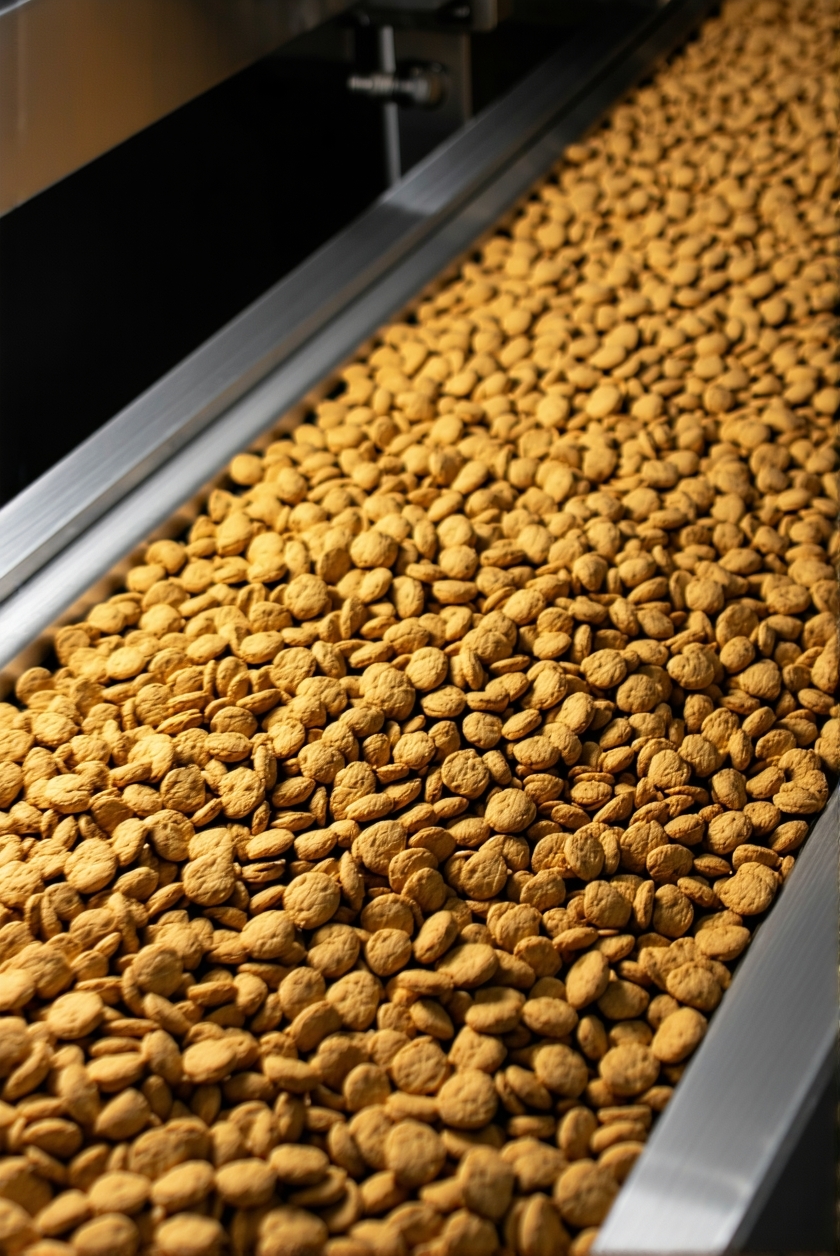
Maintaining exceptional quality control standards significantly increases the cost of veterinary prescription diets. When you purchase therapeutic foods for your dog, you're investing in rigorous testing that ensures nutritional adequacy and safety at every stage of production.
These quality control measures adhere to strict AAFCO standards and regulatory requirements that aren't typically applied to regular pet food.
Production expenses are considerably higher because prescription pet food manufacturers must utilise specialised ingredients tailored for specific health conditions. They carefully select and test each component while maintaining controlled manufacturing environments.
The limited distribution through veterinary channels also impacts pricing, as these therapeutic foods aren't mass-produced like conventional pet foods.
You're investing in a product that has undergone extensive testing and meets the highest quality control standards to support your dog's specific health needs.
Market Dynamics and Distribution Channel Impact

Because prescription diets are sold exclusively through veterinary channels, you'll find their prices significantly higher than regular pet food. The limited competition and controlled distribution create a market where these specialised pet foods naturally command premium prices.
- Your beloved dog's health depends on receiving the right nutrition, which can make you feel obligated to pay more for vet-prescribed diets.
- You're investing in your dog's wellbeing through diets that require a prescription and specialised research.
- Your local vet may stock these diets at varying prices, illustrating how local market dynamics affect what you'll pay.
- You might feel frustrated by the lack of competition, but there's a reason these diets aren't available in regular shops.
The restricted distribution system and the need for veterinary oversight contribute to why these specialised diets are more expensive than regular dog food.
Comparing Long-Term Value Vs Initial Price Tags

When evaluating vet-prescribed diets, looking beyond the price tag reveals their true value proposition.
While you'll notice a higher initial price compared to regular pet food, these specialised diets can lead to significant long-term savings by addressing your dog's specific health issues.
You're investing in quality ingredients and targeted nutrition that's backed by extensive research.
Vet-prescribed diets often reduce the necessity for ongoing medications and frequent veterinary visits, making them a cost-effective choice for managing your pet's chronic conditions.
The improved health outcomes you'll see in your furry friend can justify the upfront costs.
Frequently asked questions
Are Veterinary Diets Worth It?
If your dog has specific health issues, veterinary diets can be absolutely worth the investment.
They're scientifically formulated to target your pup's particular condition, whether it's kidney disease, allergies, or digestive problems.
While you'll pay more upfront, you might actually save money in the long run by preventing costly complications and reducing medication needs.
Think of it as preventive care – you're investing in your furry friend's health and happiness.
Why Do Vets Charge so Much More for Prescriptions?
Your vet's prescription pricing reflects several key factors.
You're not just paying for the medication – you're covering the expertise needed to diagnose your dog's condition, ensure proper dosing, and monitor potential side effects.
Additionally, vets must maintain licences, insurance, and comply with strict regulations for dispensing medications.
While it may seem expensive, you're investing in thorough care that includes professional oversight of your dog's health.
How Long Can a Dog Be on Hill's Prescription Diet?
You might think your pup's on a fancier diet than you're – and you're probably right!
But here's the good news: your dog can safely stay on Hill's Prescription Diet for life if they need to.
It's all about your furry friend's specific health needs.
You'll want to keep regular check-ups with your vet to monitor their progress and make any necessary adjustments.
There's no one-size-fits-all timeline – it's as unique as your pup!
Why Do Vets Push Prescription Food?
Your vet recommends prescription food because they've seen it effectively manage specific health conditions in dogs.
These specialised diets are scientifically formulated to address issues such as kidney disease, allergies, or digestive problems that regular food can't handle.
While it's true that vets do make some profit, they're primarily motivated by your dog's health outcomes.
They've witnessed firsthand how these diets can improve your pup's quality of life and manage chronic conditions.
To summarise
Like a master chef crafting a life-saving elixir, your vet's prescribed diet comes at a premium for good reason. You're not just paying for ingredients; you're investing in years of research, rigorous quality control, and targeted therapeutic benefits. While these diets may strain your wallet like Scrooge's first charitable donation, they're often your best defence against costly health complications down the line. Consider them your pet's medical insurance in food form.


