Quick-schedule puppy training is effective because it aligns with your puppy's natural learning patterns during their most receptive period (3-12 weeks). By dividing training into short sessions of 5-10 minutes throughout the day, you cater to your puppy's attention span while keeping their enthusiasm intact. Consistent routines and positive reinforcement help create lasting associations, making it easier for them to learn commands. The science behind these methods illustrates why timing and structure are crucial components for your puppy's success.
Some key takeaways
- Short 5-10 minute training sessions align with puppies' natural attention spans, helping to prevent mental fatigue.
- Consistent daily routines establish predictable environments where puppies can easily comprehend and retain training expectations.
- Training during the critical 3-12 week period optimises the puppy's inherent receptiveness to learning new behaviours.
- Regular positive reinforcement through treats and praise reinforces desired behaviours and fosters lasting training success.
- Scheduling training sessions around mealtimes and typical daily activities assists puppies in forming stronger associations with commands.
The Science Behind Quick-Schedule Training Success

When you understand the science behind quick-schedule puppy training, you'll see why it's so effective during your pup's critical socialisation period. Your puppy's brain is most receptive to new experiences between 3-12 weeks, making this the perfect time to establish clear expectations through consistent schedule training.
You'll find that short training sessions of 5-10 minutes work best with your puppy's natural attention span. By incorporating positive reinforcement through treats and praise, you're building a strong foundation for lasting behavioural success.
Regular potty breaks and playtimes keep your pup engaged while supporting their overall well-being. This scientific approach helps your puppy feel secure and confident in their environment, creating a deep bond between you while developing essential skills that will last a lifetime.
Essential Components of an Effective Training Timeline
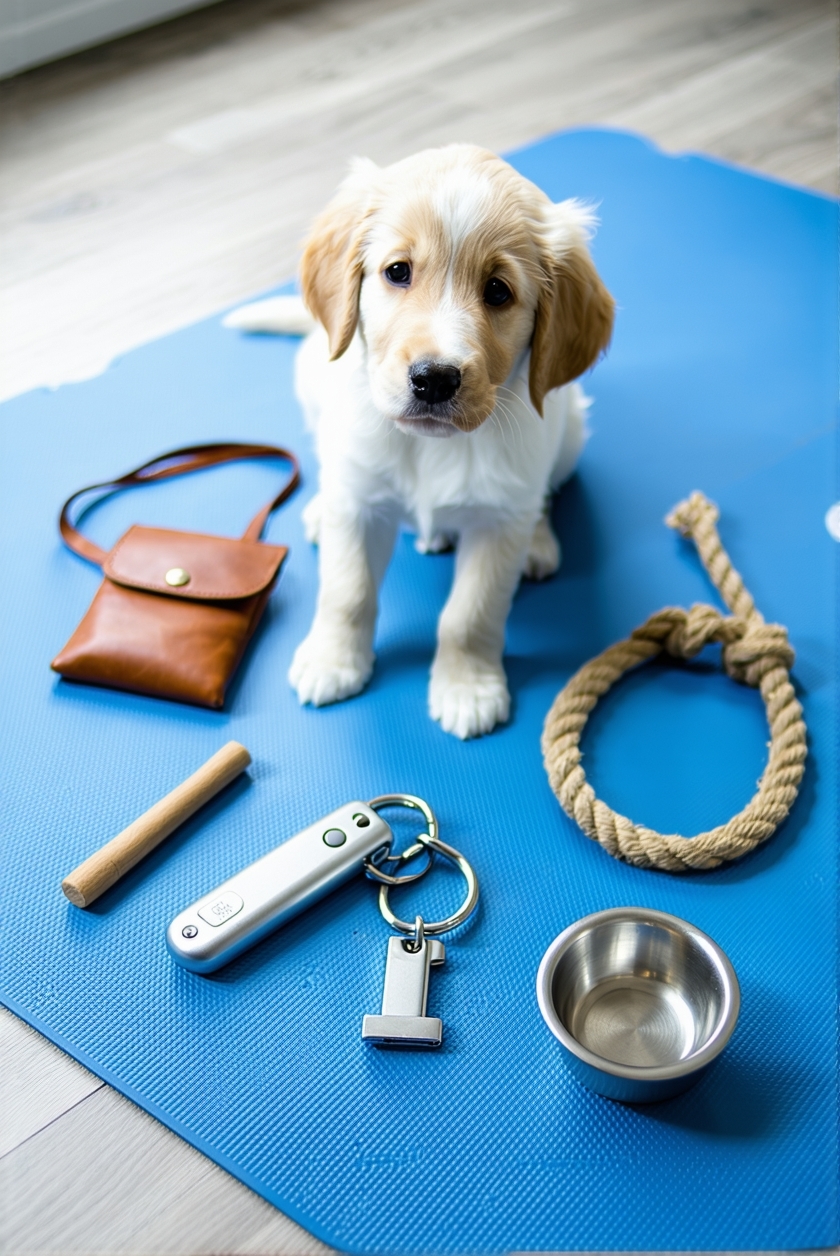
As you plan your puppy's training journey, a well-structured timeline built around key developmental stages will set you both up for success.
Start by maximising the vital socialisation period between 3-12 weeks, exposing your pup to various experiences that will shape their confidence and behaviour.
Create a consistent daily routine that includes scheduled potty training, feeding times, and basic obedience work. You'll want to keep training sessions short—just 5-10 minutes—to match your puppy's attention span while providing adequate mental stimulation.
Remember that your training techniques should remain consistent among family members to avoid confusion.
Incorporate positive reinforcement throughout your puppy training schedule, using treats and praise to reward desired behaviours. This gentle approach helps your pup understand expectations while building a stronger bond between you.
Building Daily Routines That Reinforce Learning
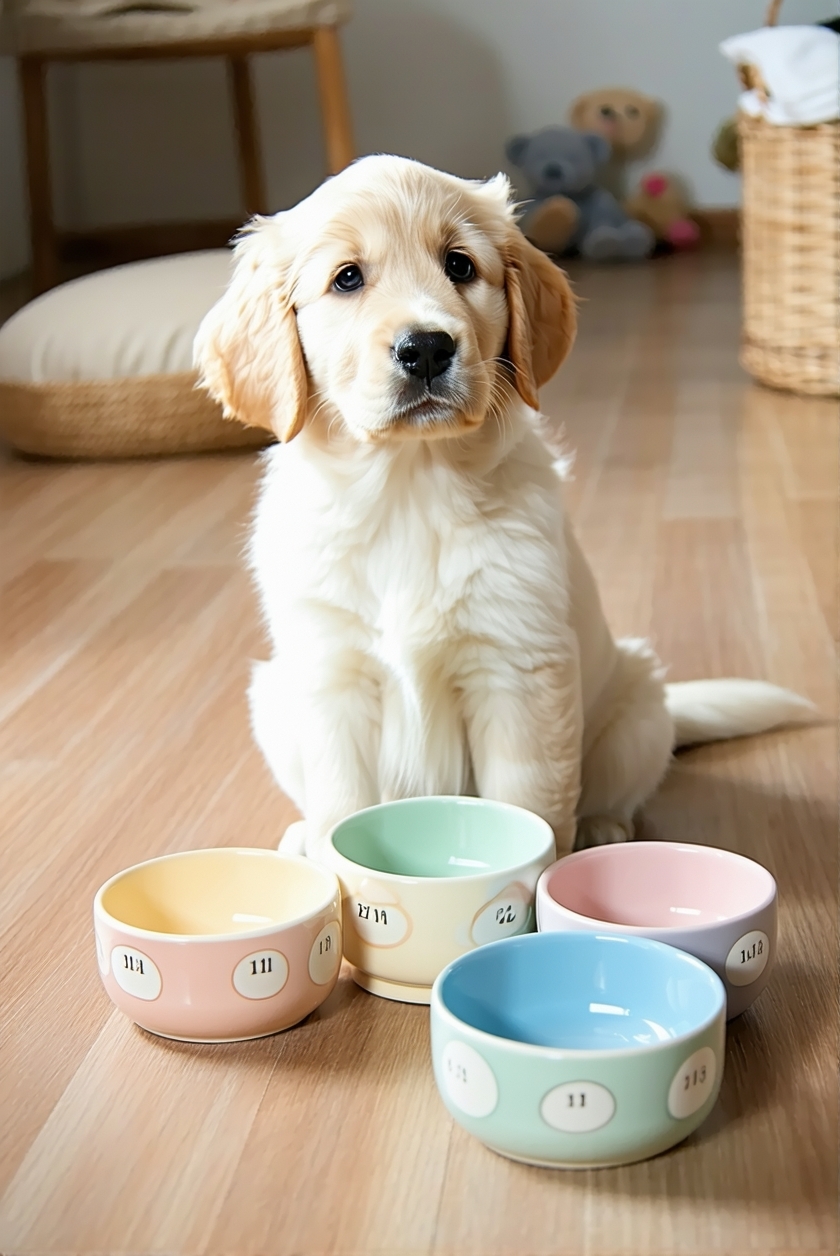
A structured daily routine serves as the cornerstone of successful puppy training, creating a predictable environment where your young dog can thrive.
You'll want to break your day into manageable chunks, incorporating short 5-10 minute training sessions that keep your puppy engaged without feeling overwhelmed.
Set consistent potty breaks every two to four hours, especially after meals and play sessions, to support effective house training.
Your daily training should include dedicated playtime with puzzle toys and interactive games that stimulate your puppy's mind while reinforcing positive behaviours.
By maintaining this structured routine, you're not just training – you're building a confident, happy puppy who understands what to expect throughout the day.
Maximizing Training Results in Short Time Blocks
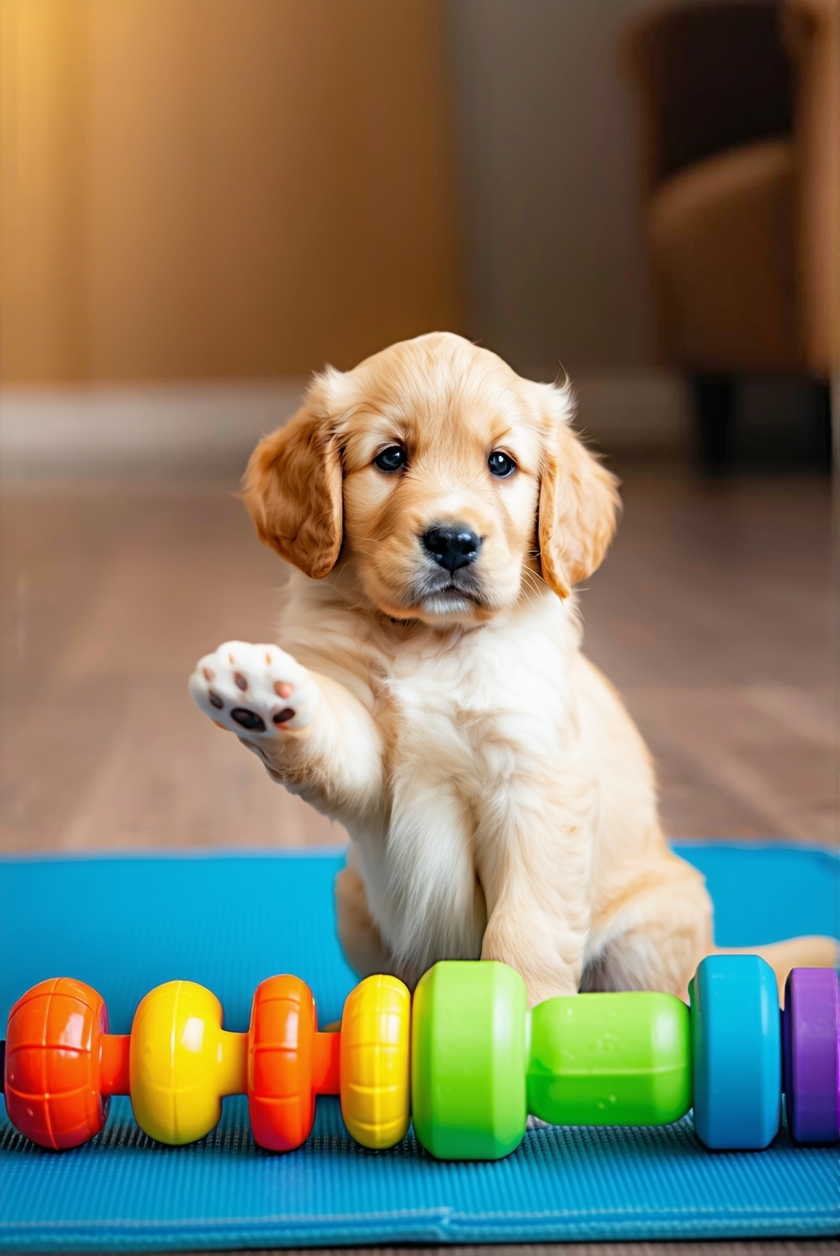
Effective puppy training doesn't require lengthy sessions to achieve remarkable results. By focusing on short training sessions of 5-10 minutes, you'll match your puppy's natural attention spans and maximise their learning potential.
These quick sessions, when paired with mealtime routines, create perfect opportunities for focused learning and positive reinforcement.
You'll find consistency is key in these brief interactions. Use the same commands and rewards during each session to help your puppy understand what you're asking.
Whether you're working on basic obedience or house training, keep your approach gentle and reward-based. As your puppy grows, practise these desired behaviours in different environments to ensure adaptable training.
Creating Positive Associations Through Structured Sessions
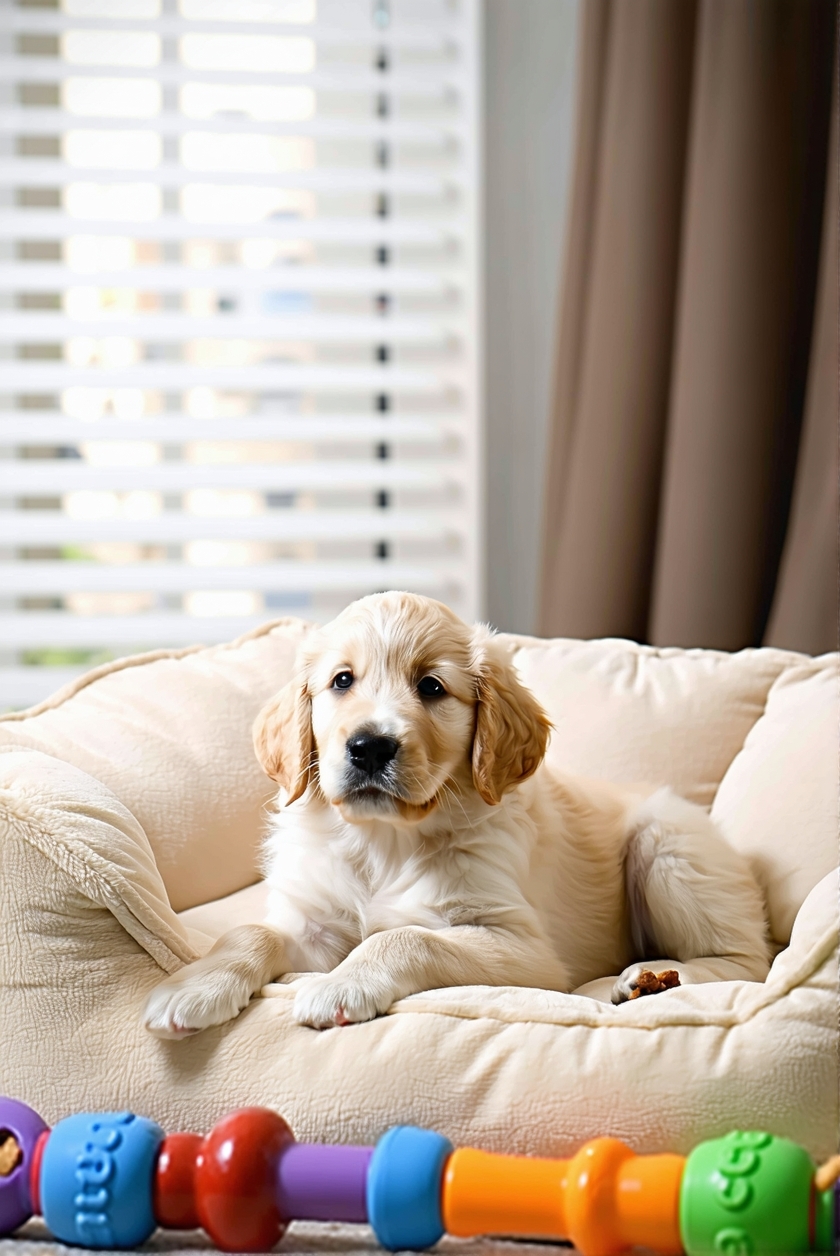
Through structured training sessions, you'll build lasting positive associations that make your puppy enthusiastic to learn and participate.
Your puppy's behaviour will naturally improve as you establish a consistent training schedule that includes short, focused training sessions of 5-10 minutes.
These engaging experiences help your furry friend connect commands with rewards.
Adapting Training Methods to Your Puppy's Learning Style

Just as each puppy brings unique charm to your life, they also come with distinct learning preferences and capabilities. Understanding your puppy's learning style allows you to adapt training methods for maximum engagement and success.
Whether your pup responds best to visual demonstrations, verbal cues, or hands-on guidance, you'll want to tailor your approach accordingly.
- Keep training sessions short and sweet (5-10 minutes) to maintain your puppy's focus and enthusiasm.
- Incorporate interactive games and favourite toys to make learning feel like playtime.
- Mix up positive reinforcement techniques using treats, praise, and playful rewards that match your pup's motivation.
Measuring Progress and Adjusting Your Training Strategy
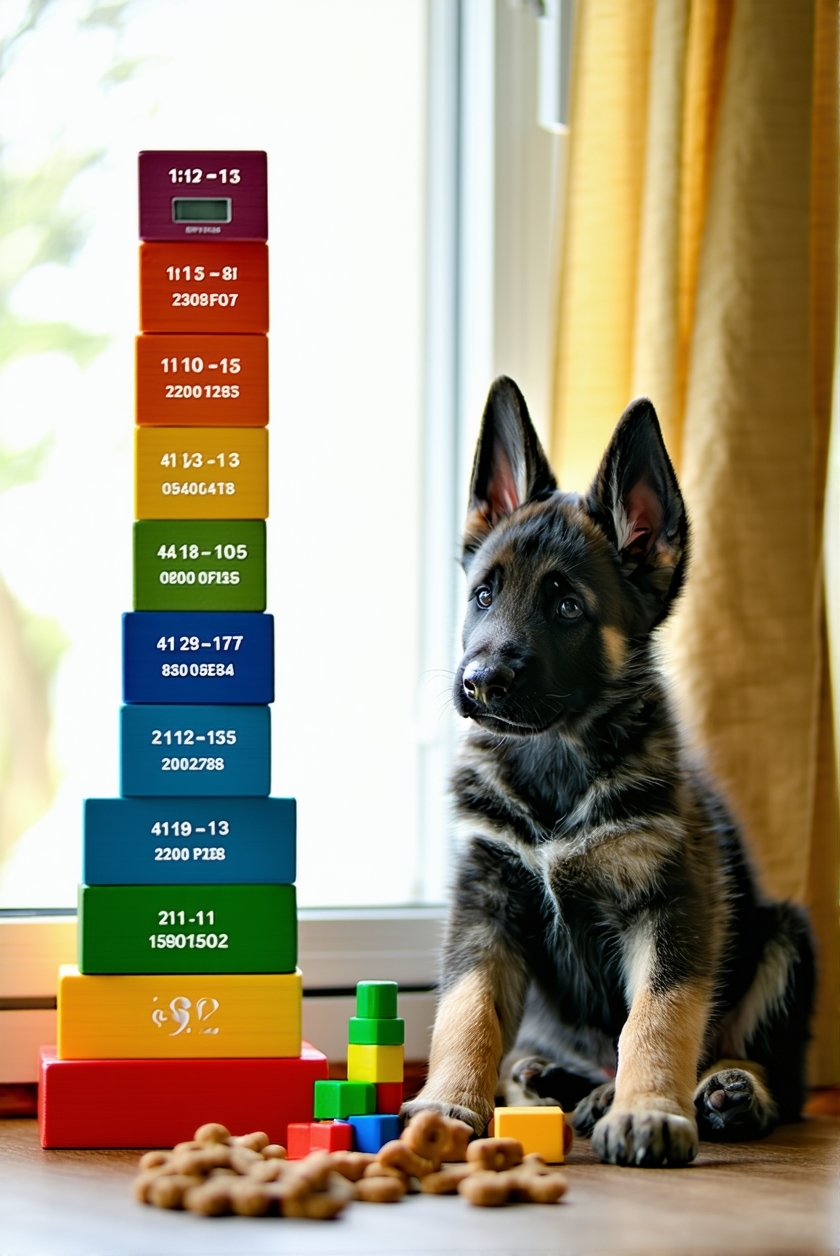
Monitoring your puppy's training progress helps you fine-tune your approach and celebrate their achievements along the way. Keep a training journal to track your sessions, noting which commands your pup masters quickly and which ones need more attention. You'll spot patterns in their learning pace and can adjust your strategy accordingly.
Observe how your puppy responds to different commands and assess whether they're ready to move forward or need more practice. Set achievable goals for each training session, and don't hesitate to modify them based on your pup's performance.
Ensure that everyone in your household maintains consistency with commands and routines; this creates a clear, supportive learning environment. When you notice certain behaviours need reinforcement, increase rewards or simplify the task to keep your furry friend engaged and motivated.
Frequently asked questions
What Is the 10 Minute Rule for Puppies?
The 10 Minute Rule means you'll want to keep your puppy's training sessions short and sweet – just 5-10 minutes at a time.
Your pup's young mind is like a sponge, but it can get overwhelmed quickly.
You'll see better results with brief, enjoyable sessions scattered throughout your day.
Remember to end each mini-session on a positive note, and you'll build your puppy's confidence while keeping their tail wagging.
What Is the Hardest Week With a Puppy?
Ever wondered when your puppy's behaviour might peak in difficulty?
You'll typically face your biggest challenges between weeks 12-16. During this time, your pup's going through teething and discovering their independence.
They'll test boundaries more, and you'll notice increased nipping and rebellious behaviour.
Don't worry though – it's completely normal!
Focus on gentle, consistent training, maintain your routines, and remember that this challenging phase will pass.
Your patience will pay off.
How Long Does It Take for a Puppy to Get Used to a Schedule?
You'll typically see your puppy adapt to a new schedule within 1-2 weeks, though every pup learns at their own pace.
When you maintain consistent feeding times, potty breaks, and play sessions, you're helping your little one feel secure and understand what to expect.
The 8-12 week age is your sweet spot for establishing routines, as your puppy's particularly receptive during this time.
With your loving patience and regular positive reinforcement, they'll settle into the rhythm naturally.
What Is the Fastest Way to Train a Puppy?
Think you can transform your wild fur-baby into a perfectly trained pooch overnight? While there's no magic wand, you'll see the fastest results by starting early at 8 weeks.
You'll want to keep training sessions short and sweet—just 5-10 minutes—using treats and praise to reward good behaviour.
Don't forget to socialise your pup before 16 weeks and maintain consistent routines.
Structure their day with regular potty breaks, meals, and playtime.
To summarise
Like the old saying goes, "Rome wasn't built in a day," but your puppy's training can make incredible strides with a well-structured schedule. You'll find that consistent, short sessions paired with positive reinforcement create lasting results. By staying flexible, celebrating small wins, and adapting to your pup's unique learning style, you're setting the foundation for a lifetime of good behaviour and a joyful bond.