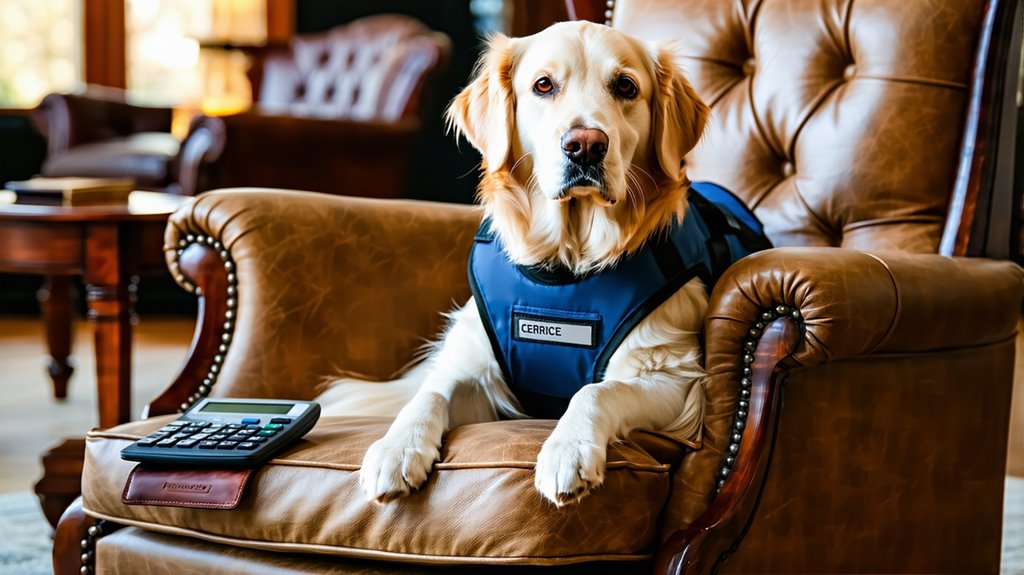
You don't need to pay any registration fees for service animals in the UK or EU, as there's no official government registry. Be cautious of websites charging around £50 for registration, as these are likely scams with no legal recognition. While emotional support animals may require documentation from medical professionals (typically costing £50), legitimate service animal status comes through proper healthcare channels, not paid registries. Understanding the real requirements will help you avoid unnecessary expenses.
Some key takeaways
- Genuine service animal registration in the UK and EU is free, as there is no official government registry in place.
- Online platforms that charge around £50 for service animal registration are often fraudulent and offer no legal value.
- Emotional Support Animal (ESA) certification costs approximately £50 but does not have legal recognition in the UK and EU.
- The real costs are associated with consultations and documentation from medical professionals, rather than registration fees.
- Authentic assistance animal providers concentrate on training and placement services instead of imposing registration fees.
Understanding Legitimate Service Animal Registration Costs
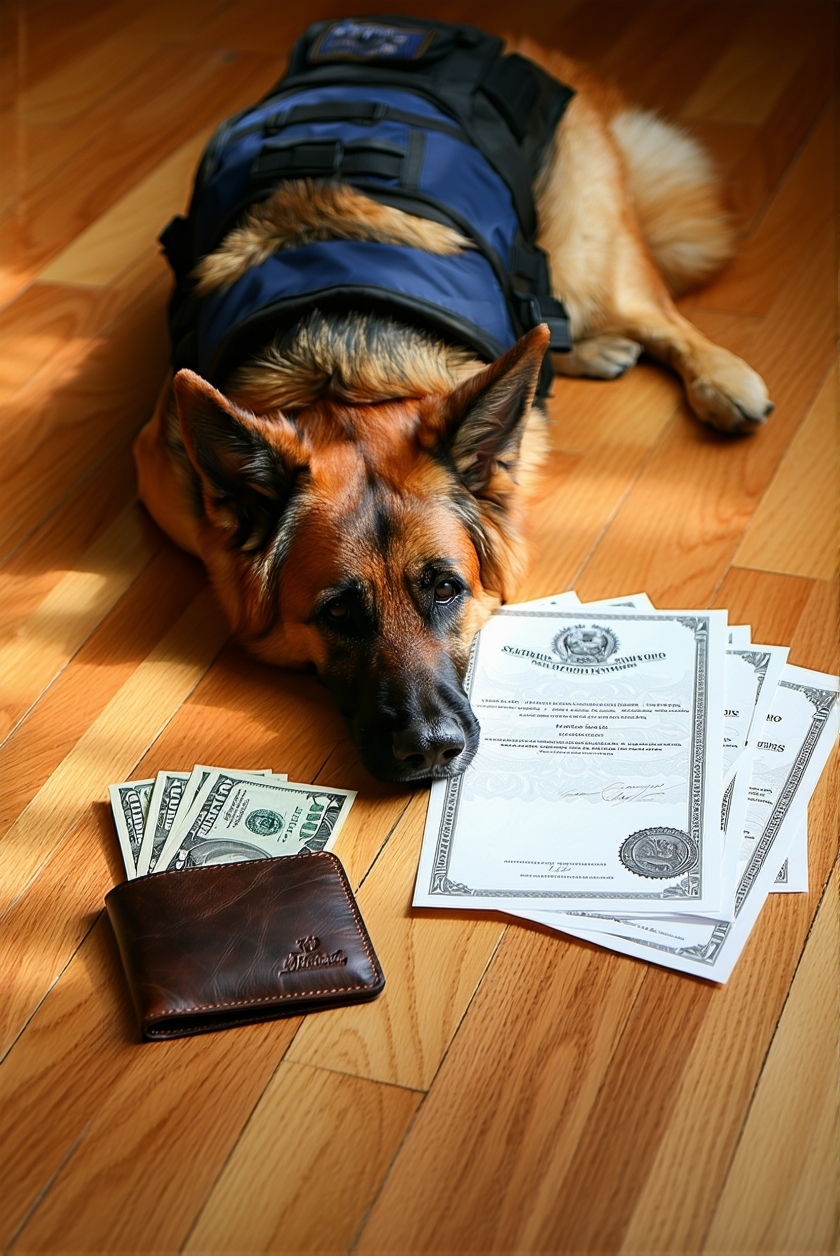
When it comes to registering service animals in the UK and EU, it's crucial to understand that legitimate registration doesn't involve any fees.
It's important to be aware that no official government registry exists for service animals under UK law, making any paid registration process potentially fraudulent.
If you're seeking assistance for psychological disabilities, focus on obtaining proper documentation from a qualified medical professional rather than paying for unnecessary registrations.
While some organisations may charge around £50 for Emotional Support Animals (ESAs) certifications, these don't provide legal recognition in the UK.
You'll save money and protect yourself by understanding that legitimate service animal documentation comes through healthcare providers, not through paid registries.
Avoid falling victim to companies that profit from non-existent registration schemes.
The Truth About Registration Requirements in the UK
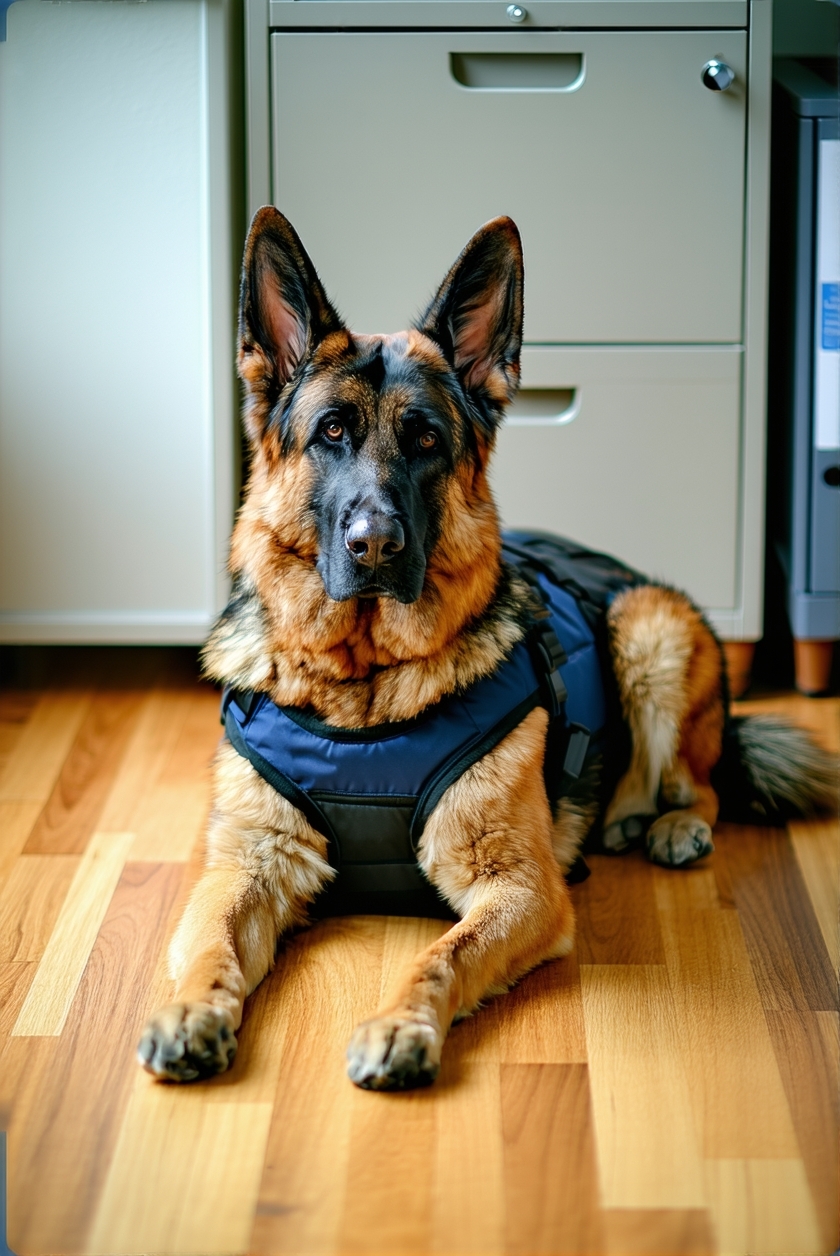
Despite common misconceptions, service animals in the UK don't require any official registration or certification.
It's important to note that there's no government-sanctioned registry for assistance dogs, and any claims suggesting otherwise are misleading.
While you may come across websites offering to register your Emotional Support Animals for a fee (typically around £50), these registrations don't confer any legal rights or protections.
The truth is, legitimate recognition for service animals is established through proper medical documentation, not paid registrations.
Many online services attempt to profit from pet owners by selling unofficial certificates, but don't be deceived – these hold no legal weight in the UK.
Instead of pursuing costly registrations, focus on obtaining the appropriate medical documentation if you require a recognised service animal.
Breaking Down Common Registration Fee Structures

Although many websites claim to offer legitimate service animal registration services, their fee structures often reveal their questionable nature.
When you're looking to establish an emotional support dog or ESA registration, be wary of sites charging around £50 for supposed "official" documentation.
In the UK, there's no government registry for Emotional Support Animals (ESAs) or assistance animals, making paid registration unnecessary.
While some organisations offer support dog services with membership fees, legitimate assistance animal providers don't charge for registration itself. Instead, they focus on the actual training and placement of these animals.
If you're seeking an ESA in the UK, remember that any website demanding Emotional Support Animals UK registration fees is likely not providing a genuine service.
Focus instead on working with recognised charities and healthcare professionals.
Hidden Expenses and Additional Documentation Charges

Beyond the misleading registration fees, prospective ESA owners should be aware of significant hidden costs that can quickly accumulate.
While you might encounter websites charging around £50 for Emotional Support Animal registration, these fees often provide little value since there's no official registry system.
The real expenses lie elsewhere. You'll need to budget for consultations with medical professionals to obtain your ESA letter, as well as additional documentation fees for medical certificates that verify your need for emotional support.
Be cautious of scam registration sites that could drain your wallet without providing legitimate credentials.
Recognizing Fraudulent Registration Schemes

While scammers continue to exploit vulnerable individuals seeking service animal registration, it's crucial to recognise the warning signs of fraudulent schemes.
Be cautious of websites claiming to be official registries or government departments that charge registration fees between £50 and £100. These fraudulent registration schemes often target people seeking Emotional Support Animals (ESAs) or those with mental health issues.
You can identify red flags by watching for promises of guaranteed therapeutic benefits or easy solutions.
Remember, there's no legitimate government registry for service animals in the UK or EU. When you come across professional-looking websites demanding fees for registration, examine their fine print carefully.
You'll often find disclaimers revealing that they don't provide any real benefits or official recognition for your service animal.
Real Costs of Medical Documentation and Certification

The legitimate costs associated with emotional support animal documentation stand in stark contrast to fraudulent registration schemes.
When you're seeking proper medical documentation for your emotional support animals, it's important to consider several genuine expenses that contribute to your well-being.
Here's what you should typically budget for:
- ESA letter from a licensed mental health professional: £50-£200
- Annual veterinary care and routine check-ups: £60-£120
- ESA certificate and processing fees: £30-£50
- Pet insurance coverage: approximately £280 per year
While registration fees aren't officially required in the UK, the total cost of proper documentation and assistance can range from £150-£500 annually.
These expenses ensure that your emotional support animal maintains proper certification and receives the necessary care.
Cost Comparison Between Official and Private Registries

Since legitimate service animal registration doesn't require fees in the UK, private registries that charge £50-£100 for certificates are fundamentally selling unnecessary documentation.
You'll find that these private registries often market themselves as official sources for Emotional Support Animals Registry services, but they provide no real legal benefits.
When comparing costs, you'll notice a stark contrast: official medical documentation from qualified professionals carries legitimate weight, while fees paid to private registries offer no enhanced legal protection or support.
Don't be misled by companies promising quick solutions through paid registration. Your money is better spent obtaining proper medical documentation that actually validates your need for a service animal.
Frequently asked questions
How Do I Register My Dog as a Service Animal in the UK?
You don't need to officially register your dog as a service animal in the UK, as there's no government registry.
Instead, focus on obtaining proper documentation from your licensed healthcare provider confirming your disability and the need for a service dog.
Ensure your dog is trained to perform specific tasks related to your disability.
Be cautious of private companies charging registration fees, as these aren't legally required or officially recognised.
How Much Is a Dog Boarding Licence?
While you might think dog boarding licences are standardised across the UK, they actually vary by location.
You'll typically need to budget between £100 to £300 for your initial licence, depending on your local council.
Don't forget about annual renewal fees, which often fall within the same range.
It's best to contact your specific council directly, as they'll also consider factors such as your facility's size and the number of dogs you'll board.
Can a Cat Be a Service Animal in the UK?
No, you can't register a cat as a service animal in the UK.
The law only recognises dogs and, in specific cases, miniature horses as official service animals.
While your cat can serve as an emotional support animal and provide valuable comfort, it won't have the same legal protections or access rights as service dogs.
If you require emotional support, you can obtain a letter from a mental health professional documenting your cat's supportive role.
How Much Does It Cost to Get a Dog License in the UK?
You don't actually need a dog licence in the UK anymore – it's as outdated as a fax machine.
However, you'll need to get your furry friend microchipped, which will cost you between £10 and £30.
While some local councils offer optional licences for £10 to £20, they're not legally required.
Don't skip the microchipping though – you could face a hefty £500 fine if your pup isn't chipped by eight weeks old.
To summarise
Legitimate service dog certification costs vary widely, but you shouldn't pay hefty registration fees. Like a lighthouse guiding ships to safe harbour, authentic documentation protects your rights without exploiting your needs. You'll typically spend £100-£150 for proper medical documentation, while so-called "registries" charging more are often deceptive. Stay anchored to official channels and avoid costly schemes that prey on handlers' vulnerabilities.