
Cut your pet care costs in half with these proven strategies. Start by joining loyalty programmes at pet shops, using auto-ship subscriptions, and buying non-perishables in bulk. You'll save significantly by learning basic grooming skills, practising home dental care, and creating DIY toys. Focus on preventive health through regular check-ups, proper nutrition, and at-home training. Implementing these smart money hacks from day one will transform your journey as a new dog parent.
Some key takeaways
- Join pet shop loyalty programmes and utilise auto-ship subscriptions for regular items to save between 5-15% on essential supplies.
- Learn basic grooming and dental care skills through online tutorials to avoid costly professional services.
- Purchase high-quality food in bulk during sales and measure portions carefully to prevent waste and overfeeding.
- Schedule regular preventive care and vaccinations to avoid expensive emergency veterinary visits later on.
- Create DIY toys from household items and utilise online training resources instead of splurging on expensive pet entertainment products.
Smart Shopping Strategies for Essential Dog Supplies
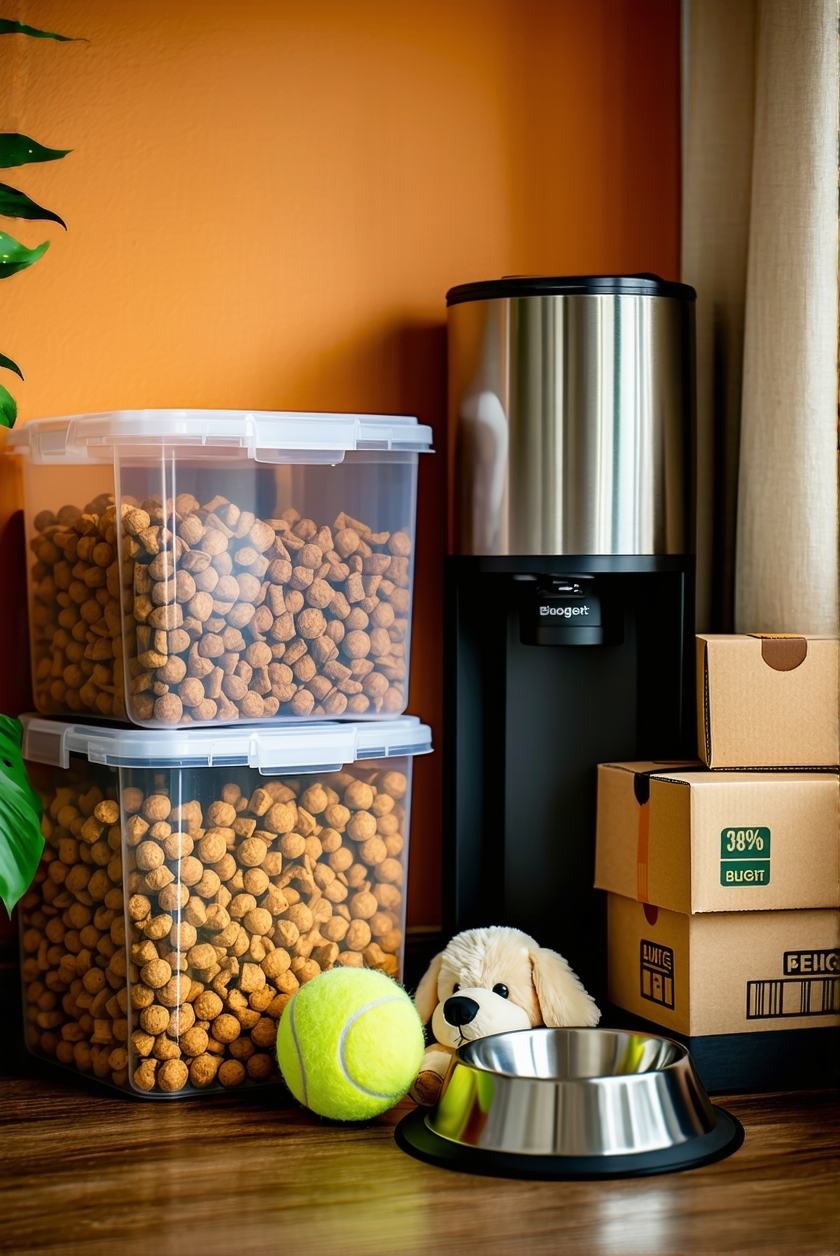
When it comes to welcoming a new dog into your home, smart shopping can significantly reduce your long-term expenses without compromising on quality.
You'll want to start by researching prices across different pet shops, as costs for the same items can vary considerably. Take advantage of subscription services like Chewy's auto-ship programme, which offers up to 10% off recurring orders for essentials.
Don't overlook the power of buying in bulk for non-perishable items – it's a proven strategy to lower your per-unit costs.
Join loyalty programmes at your favourite pet shops to earn rewards and free items.
While you're focusing on smart shopping strategies to save money, consider exploring online marketplaces for gently used supplies.
These savvy approaches will help you maintain a budget-friendly household while ensuring your furry friend receives everything they need.
Preventive Healthcare to Avoid Costly Treatments

Just as prevention is better than cure in human healthcare, investing in preventive care for your dog can protect both their health and your wallet.
Implementing smart preventive healthcare strategies will help your furry friend stay healthy while keeping those daunting vet bills at bay.
Here's how you can save money through preventive care:
- Keep vaccinations up-to-date to prevent costly diseases like parvovirus and distemper.
- Maintain regular parasite prevention for fleas, ticks, and worms to avoid expensive treatments.
- Schedule six-monthly check-ups with your vet for early detection of health issues.
- Join a pet health plan to spread the cost of essential preventive care.
- Control your dog's weight through proper diet and exercise to prevent obesity-related problems.
Home Grooming and DIY Pet Care Tips

Learning to groom your dog at home can significantly reduce pet care expenses while creating valuable bonding time with your furry friend. Start by mastering basic brushing techniques through online tutorials, which will help you maintain your dog's coat and detect any skin issues early on.
You'll save money on professional grooming services while keeping your pup comfortable and healthy.
Don't forget to incorporate nail trimming into your home grooming routine – it's easier than you might think and prevents costly complications from overgrown nails. Daily tooth brushing is another essential skill that will save you money on dental procedures in the long run.
When it comes to entertainment, get creative with DIY dog toys using household items like old t-shirts or tennis balls. These simple solutions provide just as much fun as store-bought toys at a fraction of the cost.
Choosing Cost-Effective Quality Nutrition

Making smart choices about your dog's nutrition doesn't mean breaking the bank. You can save some money while ensuring your furry friend gets the best nutrition possible with these money-saving hacks for pet food purchases.
- Look for AAFCO-approved high-quality dog food, which often requires smaller portions and leads to better health outcomes.
- Take advantage of bulk buying options or subscription services that offer up to 10% discounts on regular deliveries.
- Measure portions carefully according to your dog's weight and activity level to avoid overfeeding and waste.
- Mix in healthy household ingredients like approved fruits and vegetables to stretch your pet food budget.
- Consider signing up for pet store loyalty programmes and stock up during sales to maximise your savings.
Building an Emergency Pet Fund

While welcoming a new dog into your life brings joy and companionship, preparing for unexpected veterinary expenses can help prevent financial stress down the road.
Start your emergency fund by setting aside just £3 each week – it's a small amount that'll make a significant difference over time.
Set up automatic transfers to a dedicated pet savings account, aiming for a cushion of £1,000 to cover routine care and unexpected veterinary costs. You'll find peace of mind knowing you're ready for anything from vaccinations to emergencies.
Take a close look at your current spending and identify areas where you can redirect money into your fund. As your dog grows, keep monitoring potential health needs and adjust your financial preparedness goals accordingly – especially if your pup's breed has specific health considerations.
Pet Insurance Versus Self-Insurance Options

When deciding between pet insurance and self-insurance, you'll need to weigh the unique benefits of each approach for your furry friend's healthcare needs.
Both options can help you save money, but they work differently to protect your pet's well-being.
- Pet insurance typically covers 80-100% of costs after deductibles, offering you peace of mind for unexpected veterinary bills.
- Monthly premiums average £15-£18, while self-insurance requires disciplined weekly savings of £2-£8.
- Insurance often includes bonus perks like routine care coverage.
- You'll gain access to negotiated veterinary rates with insurance plans.
- Consider your dog's breed-specific health risks when making your choice.
Think of pet insurance as a safety net that catches large expenses, while self-insurance puts you in control of your savings.
Your choice should align with your financial style and your pup's specific needs.
Low-Cost Training and Socialization Methods

Training and socialising your new dog doesn't have to drain your wallet if you know where to look for resources. You'll find a wealth of free tutorials and training guides on YouTube and dedicated dog training websites that can help you master effective techniques at home.
Get creative with low-cost training by incorporating commands into your daily walks and playtime. Use positive reinforcement with homemade treats like small pieces of chicken or cheese instead of expensive shop-bought options.
You can also join local dog training groups or attend community meet-ups, where you'll connect with fellow dog owners while giving your pup valuable socialisation opportunities. These group settings provide both peer support and a chance for your dog to learn proper social skills without the hefty price tag of private training sessions.
Affordable Exercise and Enrichment Ideas

Keeping your dog physically and mentally stimulated doesn't require expensive equipment or memberships. Smart pet owners know that spending quality time with their furry friends can be both enriching and budget-friendly.
Keep an eye on these simple yet effective activities that'll bring joy to your pup while being cheaper in the long run:
- Take advantage of free local parks and trails for daily adventures and social interactions.
- Create DIY toys from household items like old socks and tennis balls for engaging play sessions.
- Set up playdates with neighbour dogs for cost-free socialisation opportunities.
- Transform daily walks into training sessions by practising basic commands.
- Design home obstacle courses using chairs and boxes for physical and mental challenges.
These activities not only strengthen your bond but also provide the exercise and mental stimulation your dog needs to thrive.
Money-Saving Dental Care Practices

Just as regular exercise keeps your dog physically fit, proper dental care safeguards their long-term health and your finances. Money-saving dental practices begin with daily brushing using dog-specific toothpaste and brushes—a small investment that can prevent costly periodontal disease later on.
Help your pup maintain good oral health by introducing dental chews and treats into their routine. These affordable alternatives complement regular brushing and make dental care more enjoyable for your furry friend.
When you brush your dog's teeth consistently, you're not just preventing bad breath; you're avoiding expensive veterinary treatments that could cost hundreds or even thousands of pounds.
Start early and stay consistent with your dog's dental care routine. Your dedication to their oral hygiene today will translate into significant savings and a healthier, happier companion tomorrow.
Budget-Friendly Wellness Routines

Prevention is the cornerstone of a cost-effective pet care strategy.
By establishing budget-friendly wellness routines, you'll save thousands in potential veterinary costs while keeping your furry friend healthy and happy.
Create a thorough wellness plan that includes these money-saving practices:
- Schedule regular health checks twice a year to catch issues early
- Measure food portions precisely to prevent obesity-related health problems
- Maintain a consistent vaccination schedule to avoid costly disease treatments
- Practice daily dental care to prevent expensive periodontal procedures
- Join a pet health plan to spread costs and get discounted services
These simple practices not only protect your pet's well-being but also your wallet.
Frequently asked questions
What Are the Three Biggest Expenses of Owning a Dog?
When you welcome a furry friend into your life, you'll find that food, veterinary care, and grooming make up your biggest expenses.
You'll need to invest in quality nutrition, which will keep your pup healthy and happy.
Your pet's medical care, including regular check-ups and vaccinations, guarantees their wellbeing and can often be a significant expense, sometimes costing upwards of £100 a year for routine treatments.
Don't forget about grooming – keeping your dog clean and well-maintained is essential for their comfort and health, and can range from £30 to £100 depending on the breed and specific needs.
How to Prepare Financially for a Dog?
You'll want to start by creating a detailed budget that includes both one-off costs and monthly expenses.
Set up a dedicated pet emergency fund with regular contributions, even if it's just £10 a month.
Consider pet insurance early on – it's often more affordable when your dog is young.
Research local low-cost veterinary clinics for routine care, and don't forget to factor in recurring costs like food, grooming, and preventative medications.
What Do Dog Owners Spend the Most Money On?
You might be surprised, but veterinary care typically takes the biggest bite out of your wallet as a dog parent.
While you'll regularly spend on food and treats, it's those vet visits – both routine and unexpected – that can really add up, often reaching thousands of pounds annually.
After vet bills, you'll find your second-largest expense is quality food, followed by insurance premiums, and then grooming costs, especially if you've got a high-maintenance breed.
What Do Dog Owners Need the Most?
You'll need a solid foundation of love, patience, and commitment to be a successful dog parent.
Beyond the emotional investment, your pup needs consistent veterinary care to stay healthy, proper nutrition to thrive, and daily exercise to maintain physical and mental well-being.
You'll also want to establish a routine that includes regular training sessions and grooming care.
Most importantly, your dog needs your time and attention to feel secure and loved.
To summarise
Your journey as a new dog parent doesn't have to deplete your finances. Like a well-tended garden, your financial preparedness will flourish when you implement these money-saving strategies. You'll discover that small, consistent actions – from DIY grooming to preventive care – create a solid foundation for your pet's wellbeing. By staying proactive and resourceful, you're not just saving money; you're building a thriving, happy life with your furry companion.