Local group dog training provides your pet with invaluable opportunities to develop social skills while learning obedience in a controlled, supportive environment. You'll benefit from cost-effective sessions where your dog can practice focus amid real-world distractions and build confidence through structured interactions with other breeds. The connections you'll make with fellow dog owners create a lasting support network for continued growth. There's much more to discover about how community-based training transforms good dogs into great companions.
Some key takeaways
- Dogs develop vital social skills by interacting with various breeds in a controlled, professional environment.
- Group settings provide real-world distractions that help dogs learn focus and maintain composure in everyday situations.
- Shared costs make professional training more affordable, encouraging consistent attendance and better behavioural outcomes.
- Structured pack interactions teach proper communication and reduce fear-based responses through positive reinforcement.
- Regular group sessions create support networks among owners, leading to continued socialisation opportunities beyond class.
The Power of Community-Based Training Environments

When dogs learn alongside their peers in a community setting, they develop essential social skills that extend far beyond basic obedience.
In community-based training, your dog will practise positive social behaviours while navigating controlled distractions that mirror real-world situations.
You'll find that group classes provide a supportive environment where both you and your dog can grow together.
Professional training in this setting helps your pet learn to focus despite external stimuli, making daily life smoother and more enjoyable.
As a dog owner, you'll connect with others who share your commitment to raising well-adjusted pets, often forming lasting friendships within the community.
This social network creates an invaluable support system that enhances your training journey, making it more effective and enjoyable for both you and your four-legged companion.
Cost Benefits of Local Group Training Sessions
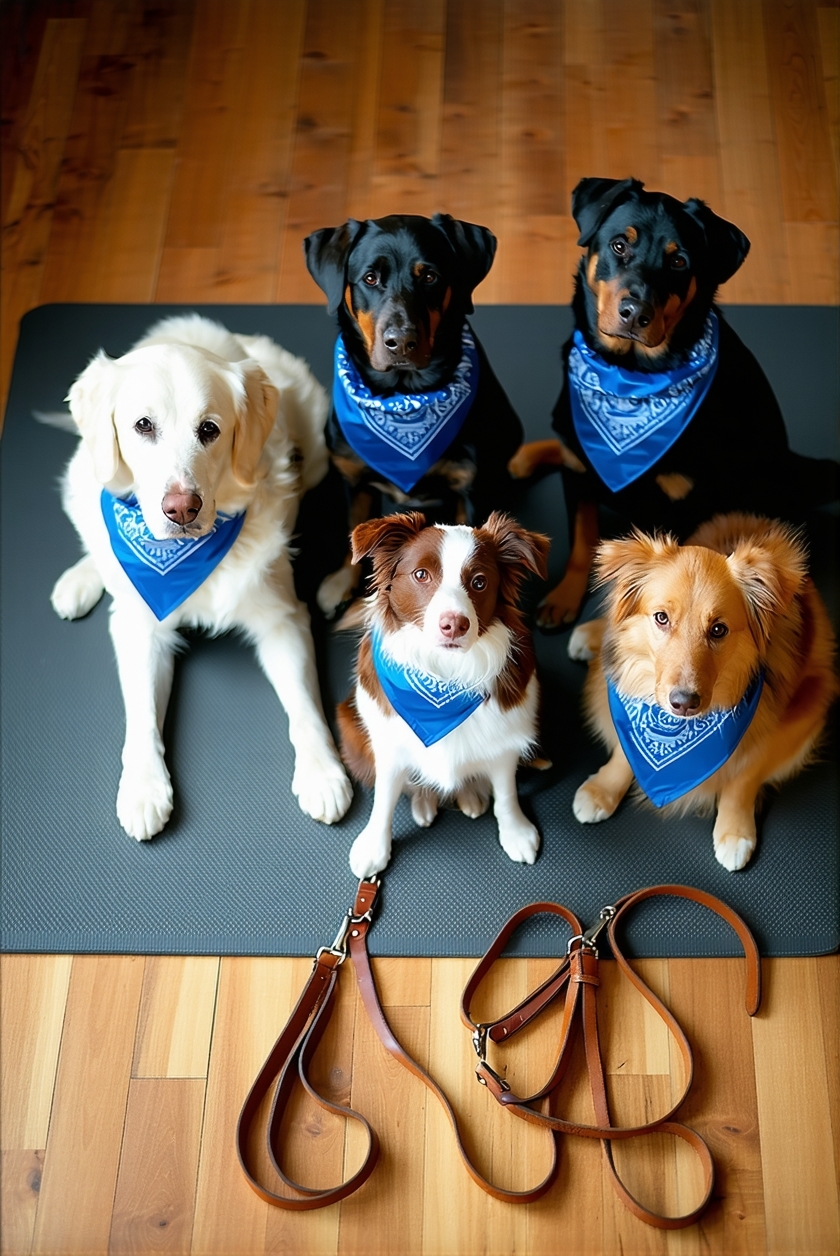
The financial advantages of group training make it an attractive option for responsible pet owners who want professional guidance without straining their budget.
You'll discover that cost-effective group training classes offer exceptional value while providing access to professional expertise alongside other dedicated pet parents.
Here's why group training delivers outstanding financial benefits:
- Multiple participants share the trainer's time and resources, considerably reducing individual costs.
- You'll gain access to specialised equipment and facilities that might be too expensive in private sessions.
- Families with multiple dogs can take advantage of discounts for enrolling more than one pet.
- Affordable sessions encourage consistent training, leading to better long-term behavioural outcomes.
When you choose group training, you're investing wisely in your dog's future while building valuable skills in a budget-friendly environment.
Building Social Skills Through Structured Pack Interactions
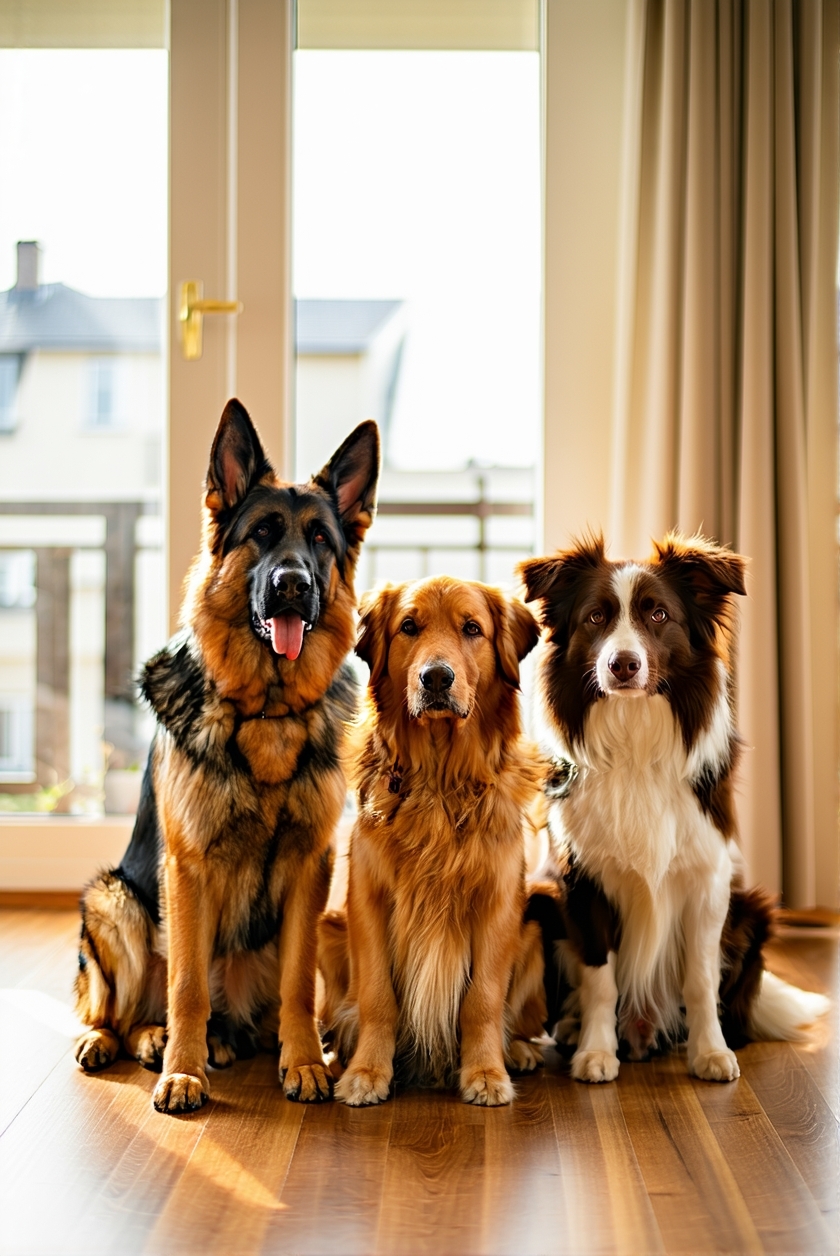
Structured pack interactions serve as an essential foundation for developing your dog's social intelligence and behavioural skills.
Through group setting training, your furry companion learns acceptable behaviours by engaging with other dogs under professional guidance, creating lasting positive experiences that shape their social development.
When you enrol your dog in structured interactions, they'll benefit from exposure to diverse breeds and temperaments, building confidence and adaptability.
You'll watch as your dog masters positive play behaviours and learns to read social cues from their canine classmates.
The controlled environment allows for immediate feedback, helping your pup develop proper communication skills with other dogs.
Early socialisation in these group settings greatly reduces fear-based responses and aggression, setting your dog up for a lifetime of healthy social interactions.
Mastering Real-World Distractions in Group Settings
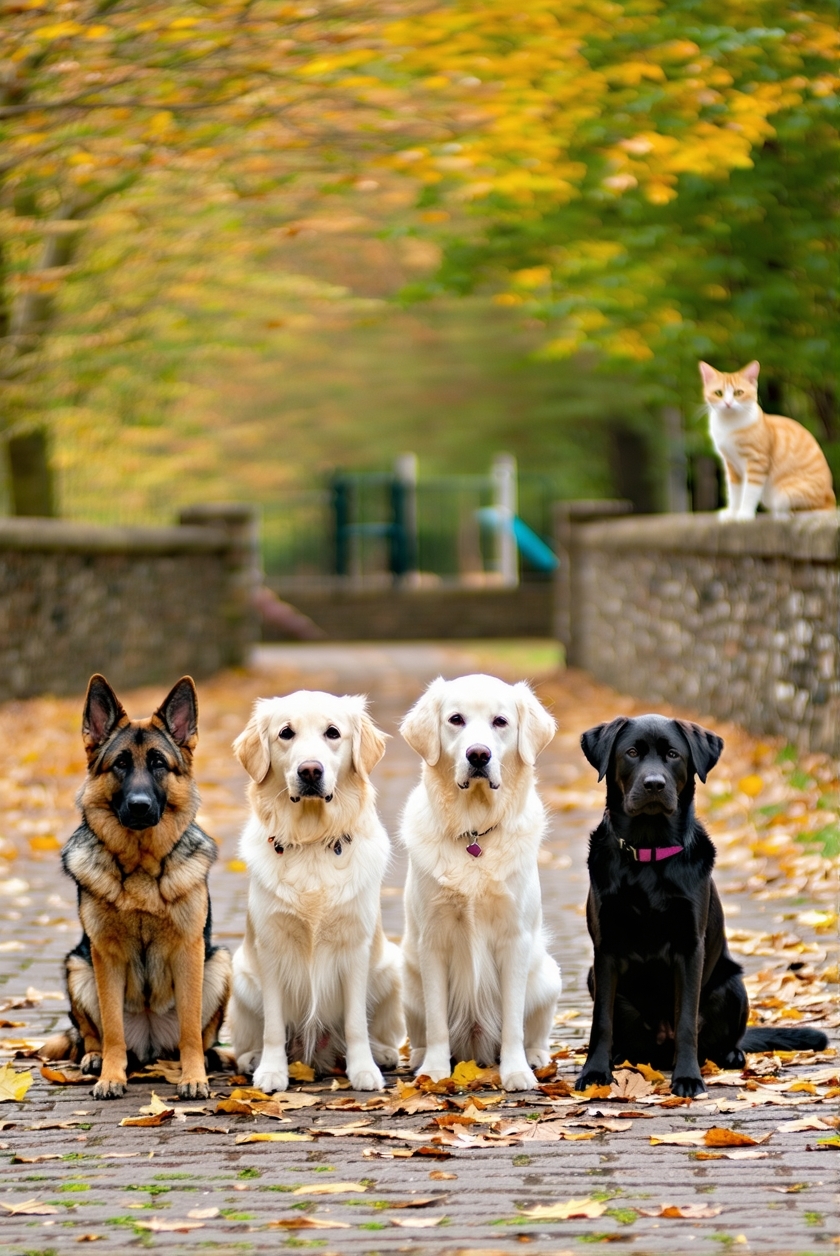
Learning to maintain focus amid distractions represents one of the most valuable benefits of group training settings.
When your dog learns to interact with other dogs and people in a controlled environment, they're developing essential skills that enhance their quality of life. Training classes offer structured distraction training that builds confidence and creates a stronger bond between you and your pet.
A good trainer will help your dog master real-world challenges through:
- Progressive exposure to controlled distractions
- Positive reinforcement during encounters with new stimuli
- Structured practice maintaining focus despite environmental challenges
- Safe opportunities to build confidence around other dogs
This scientifically-proven approach helps your dog develop the mental tools needed to stay calm and focused in various situations, from busy parks to veterinary visits, making everyday life more enjoyable for both of you.
Creating Lasting Bonds With Fellow Dog Owners

While mastering dog training techniques is valuable, building meaningful connections with fellow dog owners can enrich your training journey in unexpected ways.
Group classes offer you the perfect setting to share experiences and exchange training tips with others who understand your challenges and celebrate your successes.
You'll discover that the camaraderie formed during these sessions often blossoms into lasting friendships. As you support one another through training hurdles, you're creating a tight-knit community that extends beyond the classroom.
This network of like-minded dog owners becomes an invaluable resource for continued growth and encouragement. Whether you're arranging playdates or sharing advice, these connections help maintain your motivation and commitment to training goals.
The relationships you build will enhance both your dog's development and your own experience as a pet parent.
Expert Guidance in Your Neighborhood
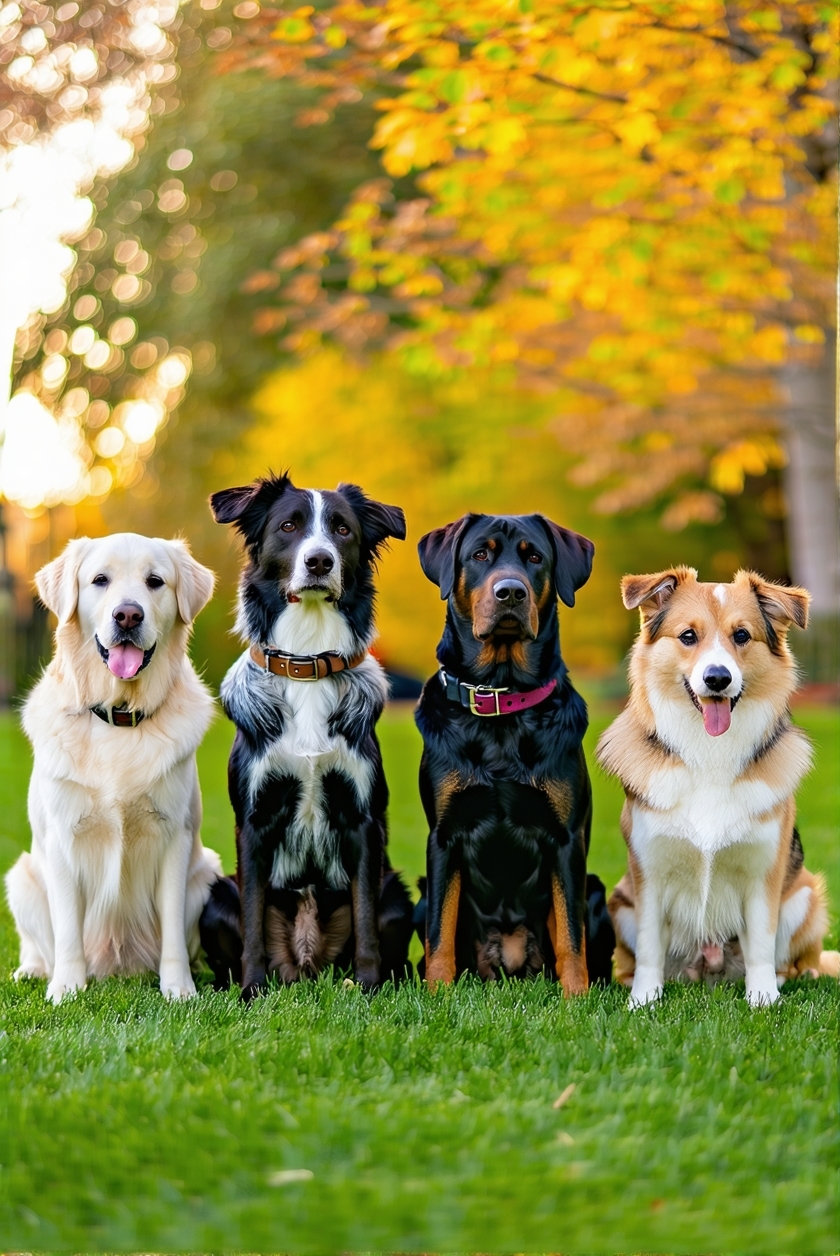
The expert guidance available through local group dog training elevates your learning experience beyond basic instruction.
When you join neighbourhood training classes, you'll connect with trainers who understand your community's unique needs and challenges.
Consider these key benefits of group training with local experts:
- You'll receive personalised attention tailored to your dog's specific needs while working in a controlled environment.
- Your trainer's familiarity with local breeds and common behavioural issues guarantees relevant, practical solutions.
- You'll learn thorough training techniques through a structured curriculum designed for lasting results.
- The supportive atmosphere allows you and your dog to practise new skills while receiving real-time feedback.
These classes provide the perfect blend of expert guidance and peer support, creating an environment where both dogs and their owners can thrive together.
The Long-Term Value of Local Training Networks
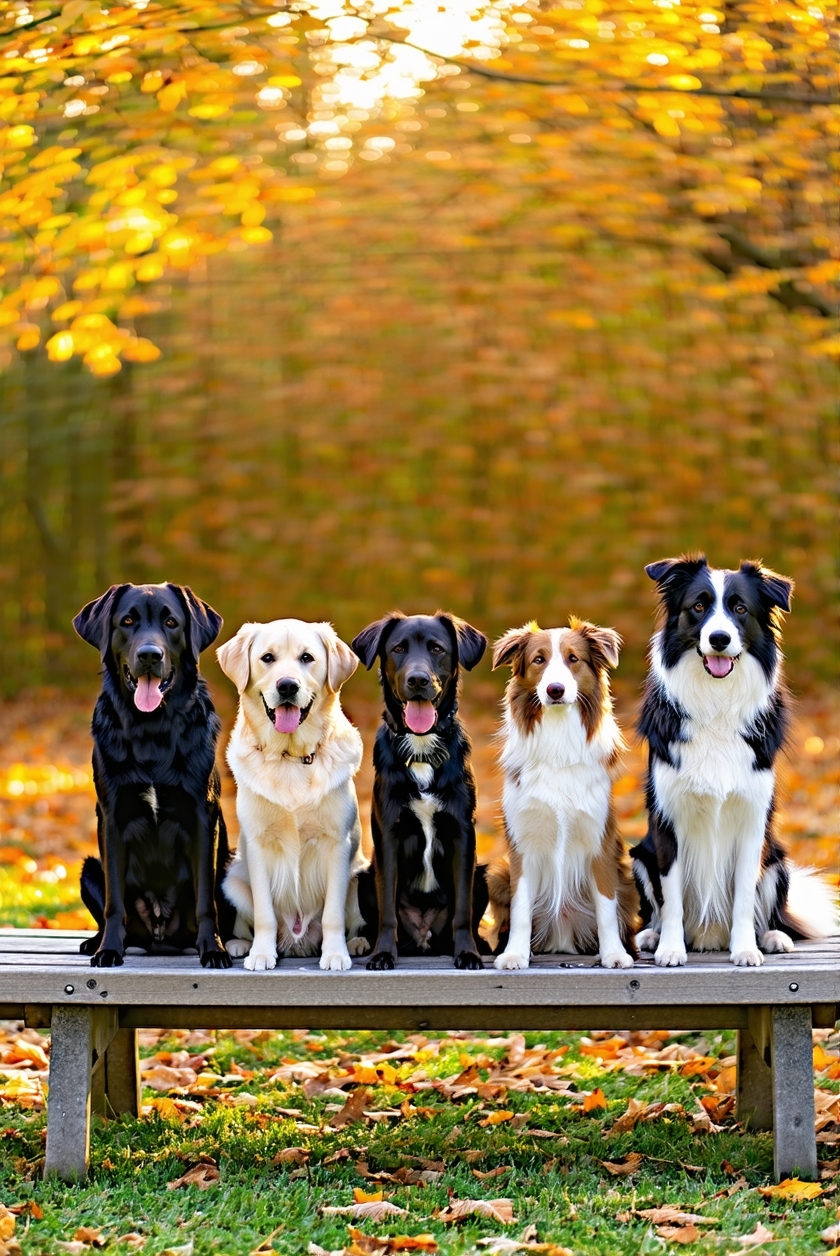
Joining a local dog training network offers benefits that extend far beyond the initial classes. When you participate in dog training classes regularly, you'll find yourself part of a supportive community that celebrates your pet's progress and helps you stay committed to the training process.
Local training networks provide ongoing support through shared experiences and immediate feedback from experienced trainers. You'll connect with fellow pet owners who understand your journey, leading to lasting friendships and valuable socialisation opportunities for your dog.
Community events and group sessions help maintain consistency in your training routine while building your dog's social skills in a controlled environment. These connections create opportunities for playdates and outings, ensuring your pet continues to develop confidence and positive behaviours long after the formal training ends.
Frequently asked questions
Is Group Training Good for Dogs?
Yes, group training is fantastic for your dog!
You'll see your pup develop essential social skills while learning to focus amid distractions. It's like sending your furry friend to a positive learning environment where they'll make new doggy friends and build confidence.
You'll love watching them master commands in real-world scenarios, and you'll connect with other pet owners who share your commitment to raising a well-behaved companion.
Do Dogs Do Better in Groups?
Your dog will thrive, learn, and grow in group settings.
Just like humans, dogs are social creatures who benefit from structured interactions with their peers. You'll notice your pup developing better communication skills, gaining confidence, and learning to manage distractions when training alongside other dogs.
Moreover, they'll pick up positive behaviours through observation and practice.
Group environments create well-rounded, socially adept pets who'll make you proud.
What Are the Benefits of Dog Training Classes?
Dog training classes offer numerous benefits for both you and your canine companion.
They provide structured learning environments where your dog can practise focus while navigating real-world distractions. You'll receive expert guidance to address specific behaviours, and your pup will develop essential social skills through positive interactions with other dogs and people.
Additionally, you'll save money compared to private sessions, all while strengthening the bond with your dog.
What Is the Rule of 3 in Dog Training?
The Rule of 3 in dog training means you'll need to teach your pup each command in three different contexts to help them truly master it.
You'll want to practise in various locations, with different distraction levels, and at different times of day.
When you're consistent with this approach, you're helping your furry friend understand that "sit" means the same thing whether they're at home, in the park, or meeting new friends.
To summarise
You'll find that dogs who participate in local group training are 68% more likely to maintain their learned behaviours long-term compared to solo-trained pets. By opting for community-based training, you're not just investing in your dog's education – you're building a sustainable support network of fellow pet owners and professionals. Together, you'll create positive, lasting changes that benefit both your pet and your local dog community.