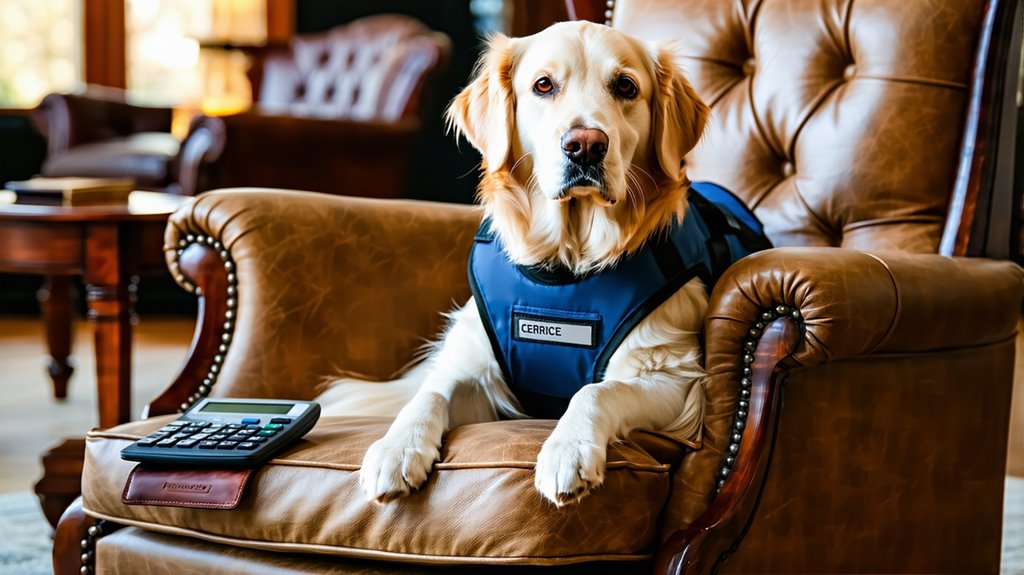
Living with a therapy dog requires careful financial planning. You'll need to budget between £1,200 and £2,000 for initial training and certification, plus £40 to £90 monthly for food and supplements. Annual veterinary care costs range from £200 to £400, while housing modifications can run from £200 to £1,500. Don't forget about insurance coverage, which can cost between £100 and £300 per year. Understanding these real costs helps you prepare for successful therapy dog ownership, along with many additional factors to evaluate.
Some key takeaways
- The initial training and certification for a therapy dog necessitates a considerable investment of £1,200 to £2,000, along with annual refresher costs ranging from £100 to £200.
- Monthly expenses for food and supplements generally fall between £40 and £90, depending on the size of the dog and its dietary requirements.
- Annual veterinary care and health screenings typically average between £350 and £700, with the need for emergency funds to cover any unexpected medical issues.
- Modifications to the home and necessary equipment can cost between £850 and £4,200, which includes essential items such as pet doors, fencing, and training aids.
- Insurance and liability coverage for therapy dogs can range from £100 to £300 per annum, with additional coverage options recommended for comprehensive protection.
Initial Therapy Dog Training and Certification Expenses

Every prospective therapy dog owner should prepare for significant upfront training and certification costs.
You'll need to budget between £1,200 and £2,000 for initial training, which covers essential skills and behavioural conditioning.
Before your dog begins training, you'll face temperament assessments costing £50 to £150 to ascertain your pet's suitability.
Certification expenses will add another £100 to £300 to your investment, though you might find package deals that combine training and certification at a better value.
Don't forget to factor in ongoing training costs of £100 to £200 annually to maintain your therapy dog's skills.
While these expenses may seem substantial, they're necessary investments in ensuring your dog meets professional standards and can effectively serve in therapeutic settings.
Monthly Food and Nutrition Requirements

Beyond the initial training investment, your therapy dog's ongoing health and performance depend heavily on proper nutrition.
You'll need to budget between £30 and £60 monthly for quality dog food that provides a balanced diet essential for your companion's wellbeing.
Don't forget to factor in nutritional supplements, which can add £10 to £30 to your monthly expenses based on specific health requirements.
- Plan for 1 to 2 cups of dry dog food daily, depending on your therapy dog's size and activity level.
- Choose high-quality brands that contain proper ratios of protein, carbohydrates, and fats.
- Monitor food prices and maintain a flexible budget to accommodate potential cost increases.
Understanding these nutrition basics helps you provide ideal care while managing expenses effectively, ensuring your therapy dog stays healthy and ready to serve.
Regular Veterinary Care and Health Screenings

While training and nutrition form the foundation of therapy dog care, maintaining a comprehensive veterinary care schedule is essential for your dog's long-term service capability.
You'll need to budget between £200 and £400 annually for regular veterinary care, which includes annual check-ups, vaccinations, and dental cleanings.
Health screenings are particularly important, adding an additional £150 to £300 each year for tests that can detect conditions such as hip dysplasia and heart disease.
Don't forget to factor in £100 to £200 for preventive treatments and grooming, alongside £50 to £150 for therapy-specific certifications.
It's also wise to set aside funds for unexpected health issues, as emergency veterinary expenses can exceed £1,000.
Housing Modifications and Equipment Needs

Just as your therapy dog needs proper medical care, they also require a well-designed living space to thrive.
Housing modifications and equipment needs can be significant investments, but they're essential for your dog's comfort and effectiveness. You'll need to take into account everything from specialised harnesses to accessibility modifications, depending on your specific situation.
Here are the key areas you'll need to address:
- Basic housing modifications: Install pet doors and secure fencing (£200-£1,500)
- Essential equipment: Invest in specialised harnesses, leads, and training aids (£50-£300)
- Comfort and accessibility: Set up bedding areas, non-slip flooring, and ramps if needed (£600-£2,400)
Don't forget to budget for grooming tools and supplies, which you'll need to maintain your therapy dog's professional appearance throughout the year.
Insurance and Liability Coverage Details

Although therapy dogs provide invaluable support, they don't receive the same legal protections as service animals in the UK.
As a therapy dog owner, it's essential to secure proper liability coverage to protect yourself from potential pet-related incidents.
Start by checking your homeowners insurance policy to verify that it covers therapy animals. Many policies include basic liability coverage, but you may need additional protection.
Your therapy dog training organisation might recommend insurers who specialise in coverage for therapy animals. Expect to pay between £100 and £300 annually, with costs varying based on your location, dog's breed, and claims history.
Consider adding umbrella insurance for extra protection beyond your standard coverage. This supplemental policy can provide essential financial security if your therapy dog is involved in an incident.
Grooming and Maintenance Essentials

Proper grooming keeps your therapy dog healthy, clean, and presentable for their important work.
You'll need to budget for professional grooming sessions, which can cost between £30 and £70, with long-haired breeds requiring more frequent visits.
Don't forget to factor in hypoallergenic shampoos and specialised grooming tools for at-home maintenance.
- Regular grooming costs:
- Professional sessions: £200 to £600 annually
- Quality grooming tools: £50 to £100 one-time investment
- Specialised products: £10 to £30 per bottle
Remember to schedule routine vet visits for grooming-related health checks, including dental care and ear cleaning, which typically cost between £50 and £150 per visit.
While these expenses might seem substantial, they're essential investments in your therapy dog's well-being and professional appearance.
Travel and Transportation Considerations
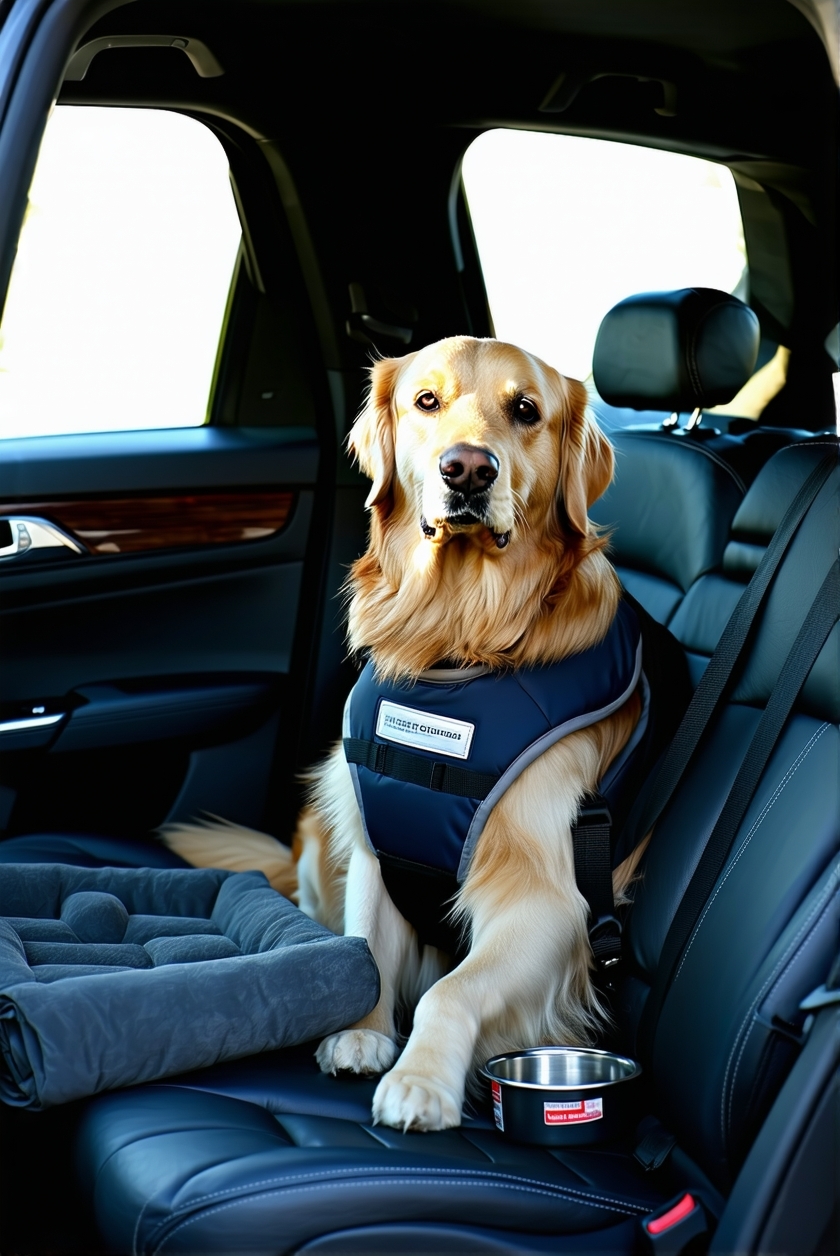
Traveling with a therapy dog necessitates careful planning and a thorough understanding of various transportation policies. It's essential to research the regulations of airlines and trains, including size restrictions and documentation requirements, prior to booking your journey.
Many public transportation systems in the UK are accommodating to therapy dogs, but it's advisable to keep proper identification readily available.
When arranging accommodations, it's important to check the pet policies in advance. Not all hotels or rental properties permit therapy dogs, and those that do may impose additional fees.
Additionally, you'll need to budget for transportation costs, pet-friendly lodging, and essential travel supplies, such as portable water bowls and travel crates.
Consider connecting with therapy dog organisations that provide travel training; they can assist you and your companion in developing the necessary skills to navigate various travel situations with confidence and safety.
Ongoing Professional Development and Recertification
Just as planning your travels requires attention to detail, maintaining your therapy dog's certification demands ongoing commitment to excellence.
You'll need to invest time in ongoing professional development to keep your team's skills sharp and certification current. Most organisations require annual recertification and specific volunteer service hours.
To maintain your therapy dog team's effectiveness, you'll want to:
- Attend workshops and seminars focused on animal-assisted therapy techniques
- Complete continuing education courses in animal behaviour and specialised interventions
- Document your volunteer service hours and participate in required assessments
Frequently asked questions
Do People Charge for Therapy Dogs?
You won't find therapy dogs charging for their services, as they're typically part of volunteer programmes.
While you might encounter some costs for handler training or certification, the actual therapy dog visits are usually free of charge.
If you're interested in receiving therapy dog visits, you'll find that most organisations offer these services at no cost.
They may welcome donations, but they won't require payment for their comforting companionship.
How to Afford a Therapy Dog?
Like Sarah, who crowdfunded for her PTSD therapy dog, you can make your dream of having a therapy dog a reality.
Start by researching grants and scholarships from organisations like Service Dogs for America.
You'll want to set up a dedicated savings account and consider using your Flexible Spending Account (FSA) with a medical necessity letter.
Don't forget to explore fundraising options through platforms like GoFundMe, and connect with local support groups for additional resources.
Can My Dog Be Classed as a Therapy Dog?
Your dog can become a therapy dog if they meet specific requirements.
They need to be at least one year old, complete basic obedience training, and pass a temperament assessment through a registered therapy organisation.
Your pup should be friendly, calm, and comfortable around strangers.
You'll need to apply through an approved therapy organisation that will evaluate your dog's suitability and provide the necessary certification.
Does Pet Therapy Really Work?
You'll be amazed – pet therapy isn't just effective; it's life-changing!
Research shows it's a powerhouse for your mental and physical health. You'll notice your stress melting away, your mood lifting, and even your heart health improving when you interact with therapy animals.
Studies confirm that it's not just a feel-good experience; you're getting real, measurable benefits. From relief from depression to faster recovery times, pet therapy's proven success is backed by science.
To summarise
When you're ready to bring a therapy dog into your life, plan for £3,000-£5,000 in first-year costs and about £1,500-£2,000 annually thereafter. Much like a trusty old cassette player that never let you down, your therapy dog will be worth every penny. Be sure you've budgeted for all expenses covered here, including certification, healthcare, and ongoing training. You'll need this financial foundation to provide the best care for your service companion.