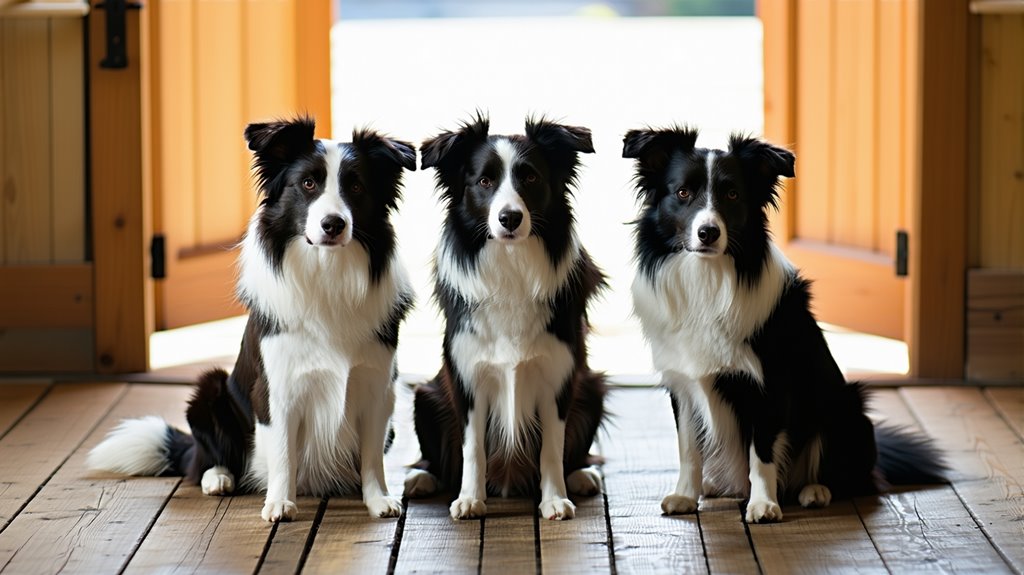
Training multiple dogs together offers practical advantages for both your time and wallet. You’ll benefit from household discounts, shared resources, and combined training sessions that streamline the learning process. Dogs naturally learn from each other, often mastering skills faster through observation. Using smart group training methods like DIY obstacle courses, collective commands, and systematic rewards keeps your pack engaged while maximising efficiency. Discover how these proven strategies can transform your multi-dog training experience.
Some key takeaways
- Group training sessions reduce costs with household discounts and shared resources for multiple dogs, helping you save pounds.
- Schedule back-to-back 5-10 minute training sessions with all dogs to maximise time efficiency.
- Use older, trained dogs to demonstrate commands, aiding younger dogs in learning behaviours more quickly.
- Create DIY obstacle courses and training games using household items to save money on equipment.
- Establish designated spots for each dog during group rewards to prevent competition and maintain order.
Group Training Benefits That Save Money
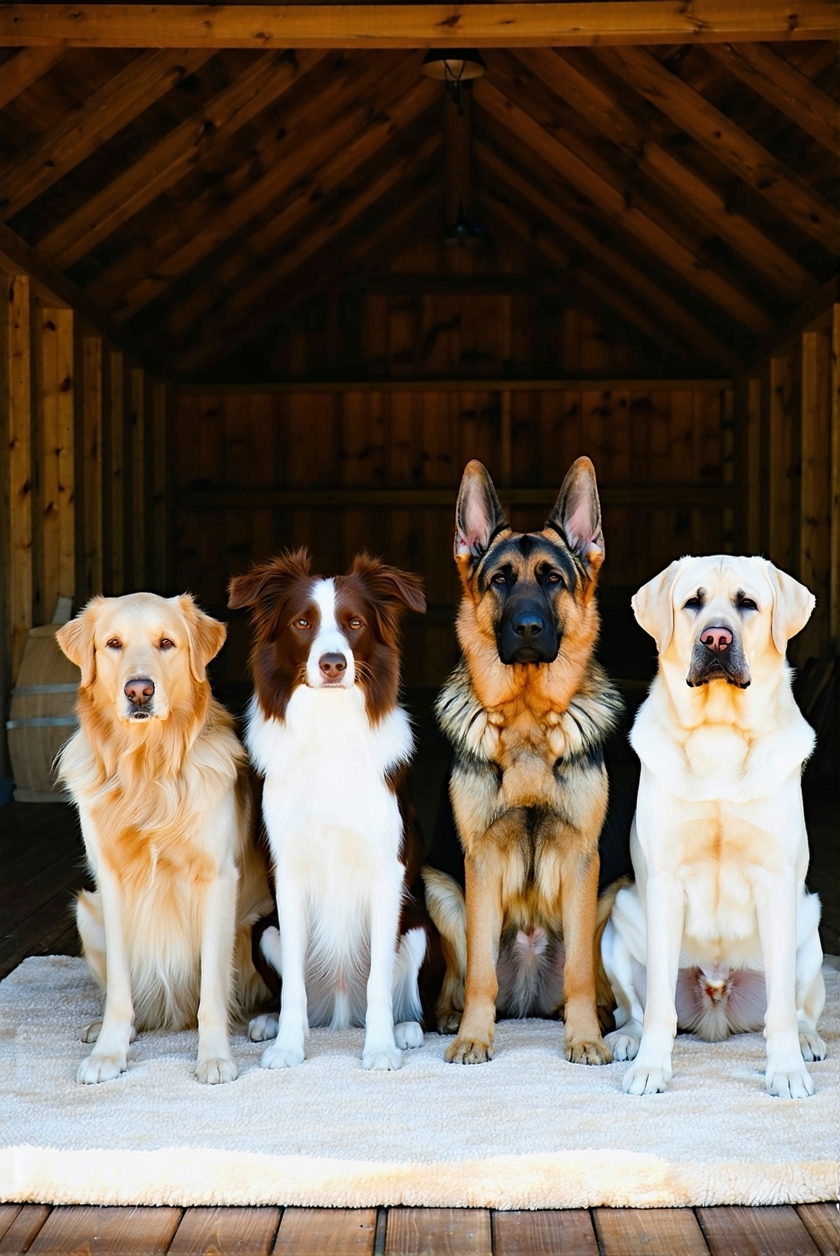
When you train multiple dogs together, you’ll discover numerous cost-saving benefits that make group training sessions a smart financial choice. Many trainers offer household discounts when you bring several dogs to train simultaneously, considerably reducing your per-dog costs.
You’ll save valuable time by combining your dogs’ training sessions into one efficient block, eliminating the need for separate appointments.
By training your dogs as a group, you’ll also benefit from shared resources – you can purchase training supplies in bulk and use the same equipment for all your furry friends. Your dogs will learn from each other too, often mastering new skills more quickly through observation and friendly competition.
Additionally, you’ll connect with other pet parents in group settings, sharing valuable tips and resources that lead to even more cost savings.
Essential Equipment for Multi-Dog Sessions
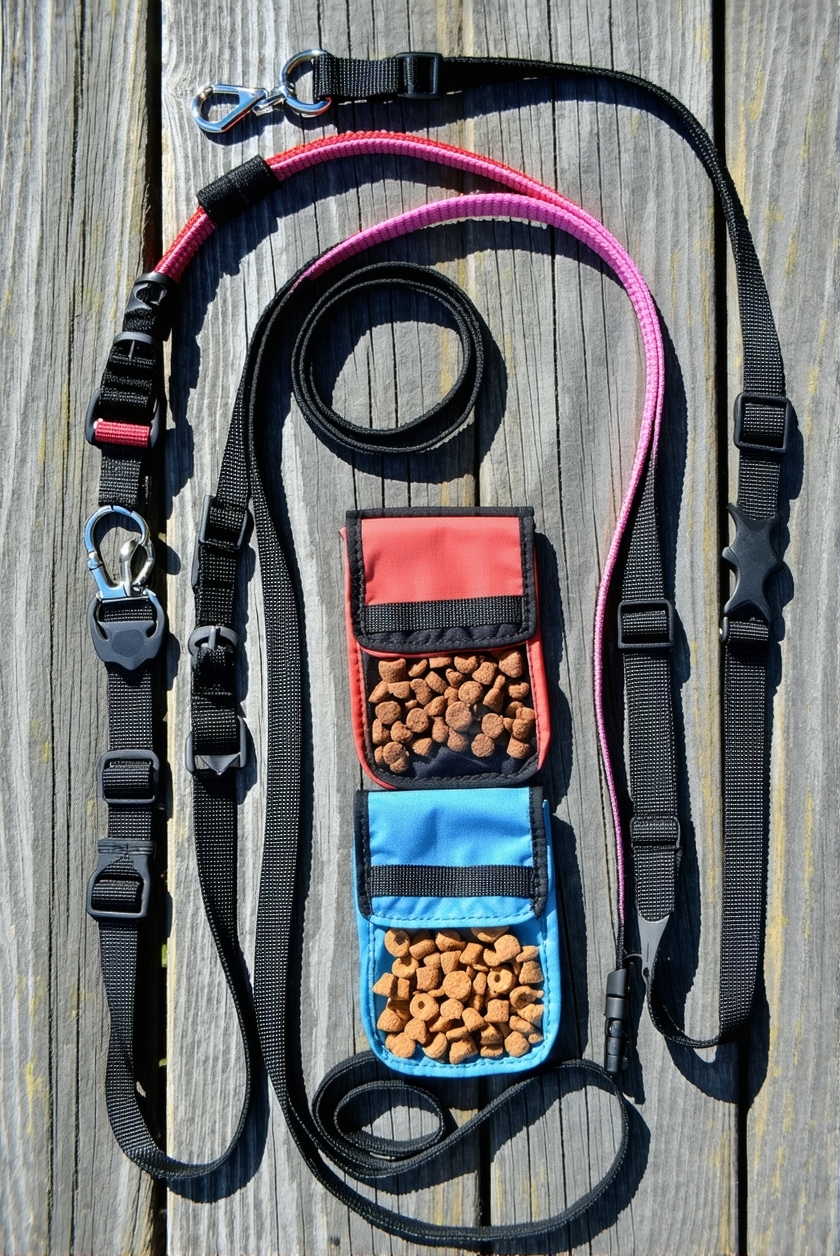
Successful multi-dog training begins with having the right tools at your disposal. When training multiple dogs, you’ll need high-quality, adjustable leads that enable you to maintain individual control while smoothly shifting between pups during sessions.
Keep your essential equipment organised with treat pouches, clickers, and portable training mats for efficient group work.
Don’t forget to invest in durable training equipment like sturdy harnesses or head collars – they’re vital for safe, controlled lead work with multiple dogs.
You’ll also want to set up separate crates or designated areas for when your dogs need breaks.
For positive reinforcement during organised multi-dog training, stock up on treat dispensers and interactive toys to keep everyone engaged and motivated.
Having these tools ready will help you create structured, rewarding sessions that benefit all your furry students.
Time-Efficient Training Methods and Schedules
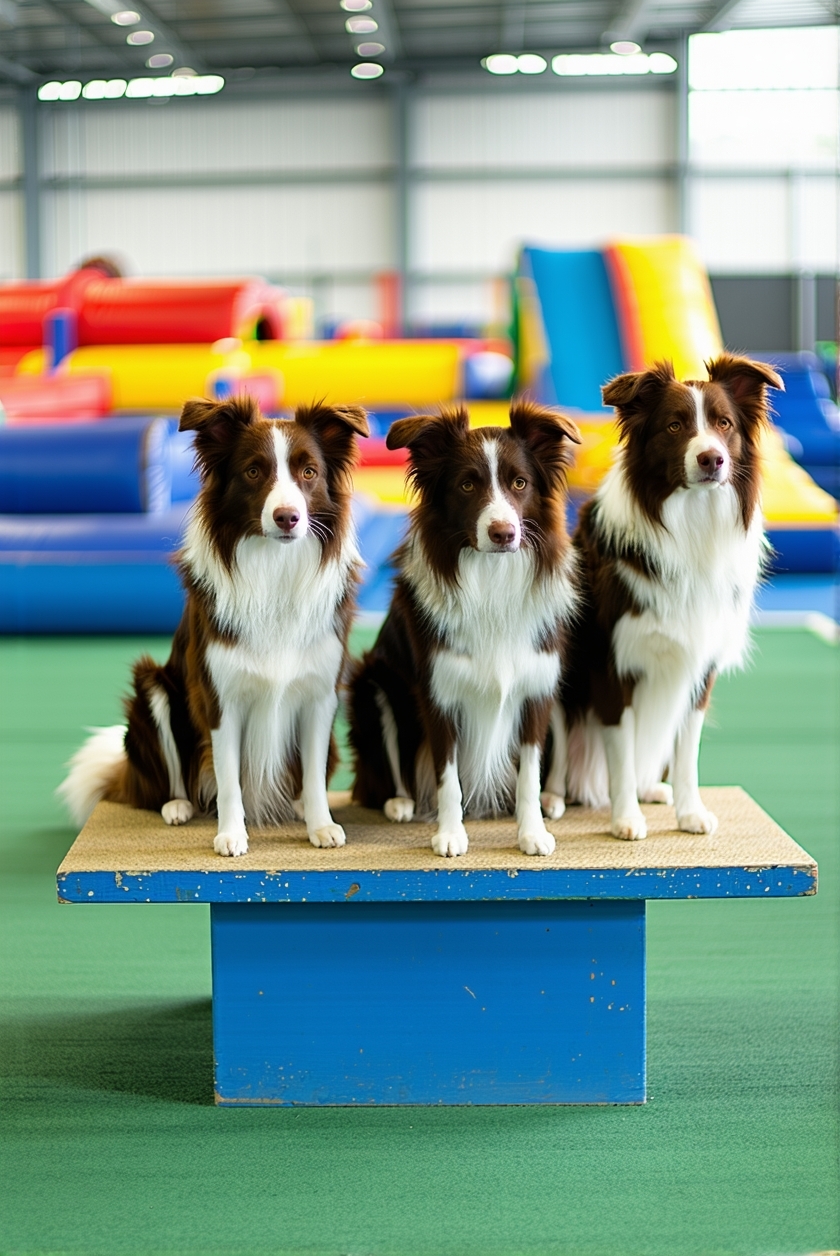
Three key principles drive time-efficient training for multiple dogs: brevity, structure, and consistency.
You’ll achieve the best results by implementing short 5-10 minute sessions that keep your dogs engaged without causing mental fatigue.
Schedule training sessions back-to-back, using group commands like “Dogs, sit” to establish collective behaviour while giving each pup individual attention when necessary.
While you’re working with one dog, keep the others occupied in crates or separate areas to maintain focus and minimise distractions.
Make training two dogs easier by integrating practice into your daily routine.
Simple activities like mealtimes and walks become perfect opportunities for reinforcing commands.
This consistent routine helps your dogs learn faster while saving you valuable time.
Remember to transition smoothly between individual and group exercises to maximise your training efficiency.
Budget-Friendly Training Games and Activities
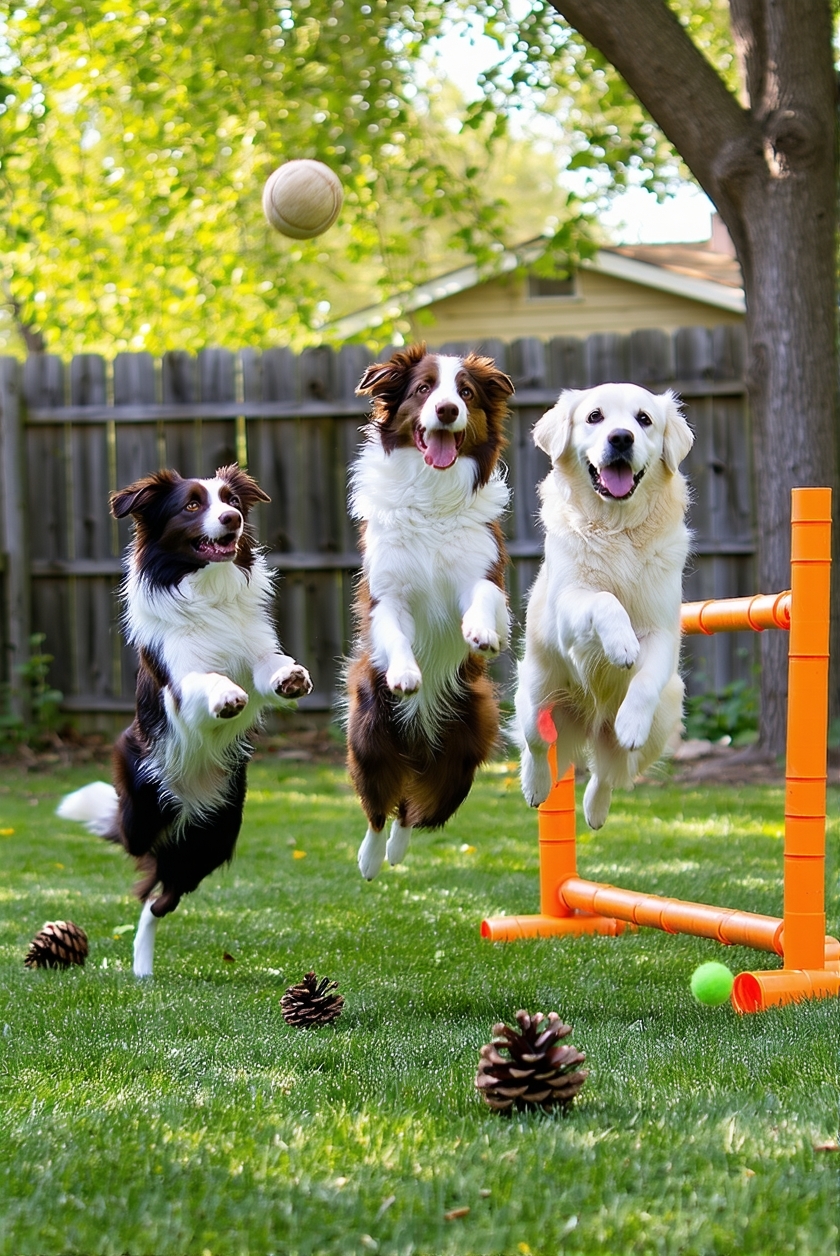
Training multiple dogs doesn’t require expensive equipment or professional classes to be effective. You can train both dogs while keeping costs down through creative, budget-friendly training games that engage multiple dogs simultaneously.
Transform your garden into an interactive training ground where your pups can learn and have fun together.
- Set up DIY obstacle courses using household items like cardboard boxes and garden poles.
- Organise group fetch sessions where dogs practice waiting their turn and following commands.
- Play “Simon Says” to reinforce basic obedience while keeping all dogs mentally stimulated.
- Create homemade puzzle toys using empty containers and treats for independent learning.
These engaging activities not only save money but also strengthen the bond between you and your dogs while teaching essential skills.
Plus, training your puppy alongside an older dog often accelerates learning through observation and friendly competition.
Smart Strategies for Group Rewards and Treats
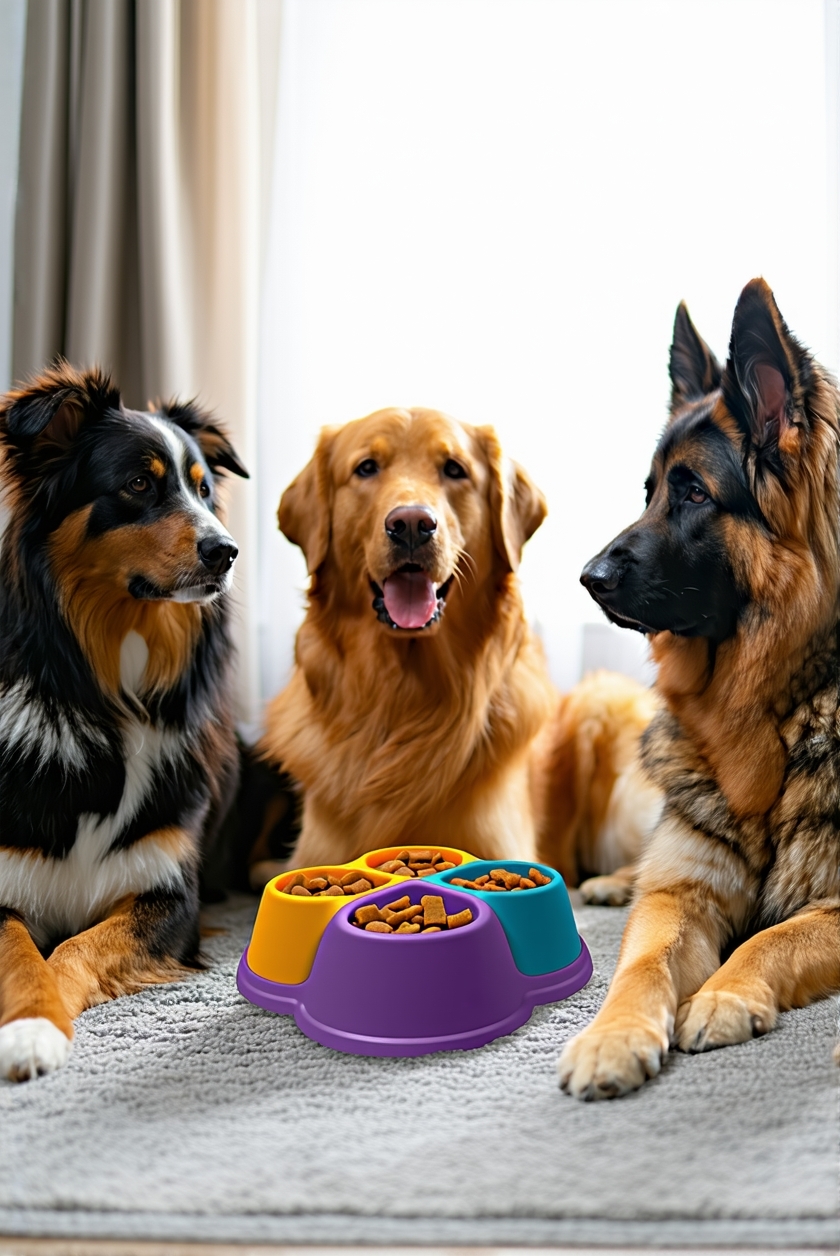
When teaching multiple dogs simultaneously, a well-planned reward system becomes essential for maintaining order and motivation during training sessions. Using each dog’s name while distributing group rewards helps maintain their focus and prevents chaos during training time.
Keep a single treat pouch at your hip and reward your dogs one at a time in a rotating sequence. This approach works particularly well when practising loose lead walking with two or more dogs. Set up designated spots or stations for each pup, and reward them for staying in position until called. This prevents competition and rushing for treats.
For efficient group training, use a collective command followed by systematic rewarding. Say “Dogs, sit” and distribute treats in a consistent order, ensuring each dog learns patience while maintaining their enthusiasm for training.
Frequently asked questions
Is It Easier to Train 2 Dogs at Once?
No, it’s not easier to train two dogs simultaneously.
You’ll find that each dog requires your undivided attention to learn effectively. When you’re training multiple dogs at once, they often distract each other and compete for your attention and treats.
Your best approach is to train each dog individually first, establishing solid foundations.
Once they’ve mastered basic commands separately, you can gradually introduce joint training sessions.
What Is the 3 Second Rule in Dog Training?
The 3-second rule is your key to effective dog training!
When your pup performs a desired behaviour, you’ll want to reward them within three seconds to help them make a clear connection between their action and the reward.
Your quick timing guarantees they understand exactly what they did right.
It’s like capturing a perfect snapshot of good behaviour – if you wait too long, they won’t associate the treat with the action.
What Is the Rule of 2 With Dogs?
Did you know that dogs trained in pairs show a 40% better retention rate of commands?
The Rule of 2 means you’ll want to work with just two dogs at a time during training sessions. You’ll find it’s easier to manage their attention and prevent overwhelm.
Start by teaching each dog their name and using distinct commands. It’s like having a conversation – you’ll want both pups to understand who you’re talking to and what you’re asking.
How Much Time Should I Spend Training My Dog Each Day?
You’ll want to spend 5-10 minutes per dedicated training session with your dog, as shorter sessions help maintain their focus and enthusiasm.
Aim for at least one focused session daily, but don’t stop there! Weave quick training moments throughout your day – practice “sit” before meals, work on “stay” during walks, or reinforce commands during playtime.
No time to waste, what did we learn?
Training multiple dogs together presents both challenges and rewards – much like conducting an orchestra rather than teaching a single instrument. You’ll save money on equipment, treats, and professional sessions whilst your dogs learn from one another. Don’t let the initial complexity deter you; with consistent practice and positive reinforcement, you’re fostering an efficient, harmonious pack that enhances both your life and the lives of your dogs.