You can successfully balance a thriving career with raising a happy, well-adjusted dog through strategic planning and smart routines. Set consistent schedules for meals, walks, and training sessions, while using puzzle feeders and interactive toys during work hours. Break quality time into manageable segments, focusing on short, engaging interactions. Create a dedicated pet care budget and emergency fund. With the right approach, you'll discover how to nurture your professional growth while being an excellent pet parent.
Some key takeaways
- Establish fixed routines for meals, walks, and training sessions to ensure consistency while managing professional commitments.
- Break dog care into short, manageable segments throughout the day instead of lengthy, time-consuming sessions.
- Use interactive toys and puzzle feeders during work hours to keep dogs mentally stimulated when you're busy.
- Schedule regular vet visits and grooming appointments in advance to prevent conflicts with work commitments.
- Create an emergency pet fund while utilising cost-effective strategies like bulk purchasing and community resources.
Establishing Time-Smart Routines for Dog Care

While juggling a busy lifestyle with pet ownership can seem challenging, establishing time-smart routines for your dog creates a foundation for both your success and their happiness. To make your dog feel secure and content, set consistent daily schedules for meals, walks, and playtime.
Here are some smart tips to help you create an efficient routine: integrate 5-10 minute training sessions throughout your day, which keeps your happy dog learning without overwhelming your schedule. During work hours, provide mental stimulation through puzzle feeders and interactive toys.
The key to successful dog training isn't lengthy sessions, but rather consistent, quality interactions. Schedule regular vet visits and grooming appointments in advance, ensuring your pup's health needs align seamlessly with your professional commitments.
Creating a Work-Compatible Training Strategy
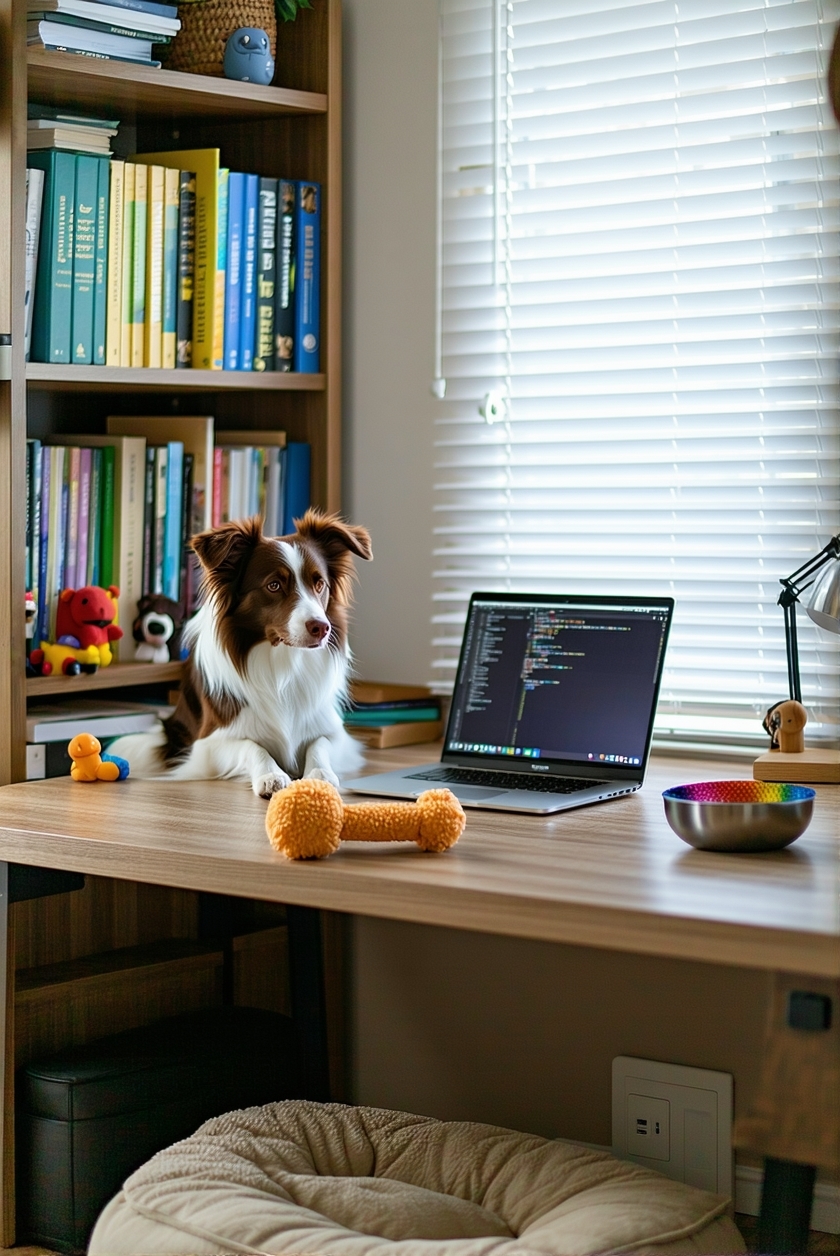
How can you maintain effective dog training while managing a full-time job? The key lies in creating a seamless strategy that fits naturally into your workday. By breaking training into short, focused sessions, you'll keep your dog engaged without disrupting your workflow.
Start by establishing a crate training routine to help prevent separation anxiety and provide your furry friend with a secure space during work hours.
Throughout the day, use quick breaks to practise commands and reinforce positive behaviours. Keep your happy pup mentally stimulated with puzzle feeders and interactive toys while you're busy.
Maximizing Quality Bonding in Limited Time

Even with a demanding schedule, you can forge a deep bond with your dog through intentional, focused interactions. Make sure to dedicate at least 30 minutes daily to quality time that makes your dog feel safe and cherished.
Break this time into manageable segments – a morning walk, quick training sessions, or playful breaks between work tasks.
Keep your dog happy throughout the day by providing interactive toys and puzzle feeders that stimulate their mind while you're busy. Create a consistent routine they can count on, from regular feeding times to predictable exercise sessions.
When you spend time together, be fully present – put away your phone and give them your undivided attention. Remember, it's not about the quantity of time you spend together, but the quality of your interactions that strengthens your bond.
Managing Pet Expenses Within Your Career Budget
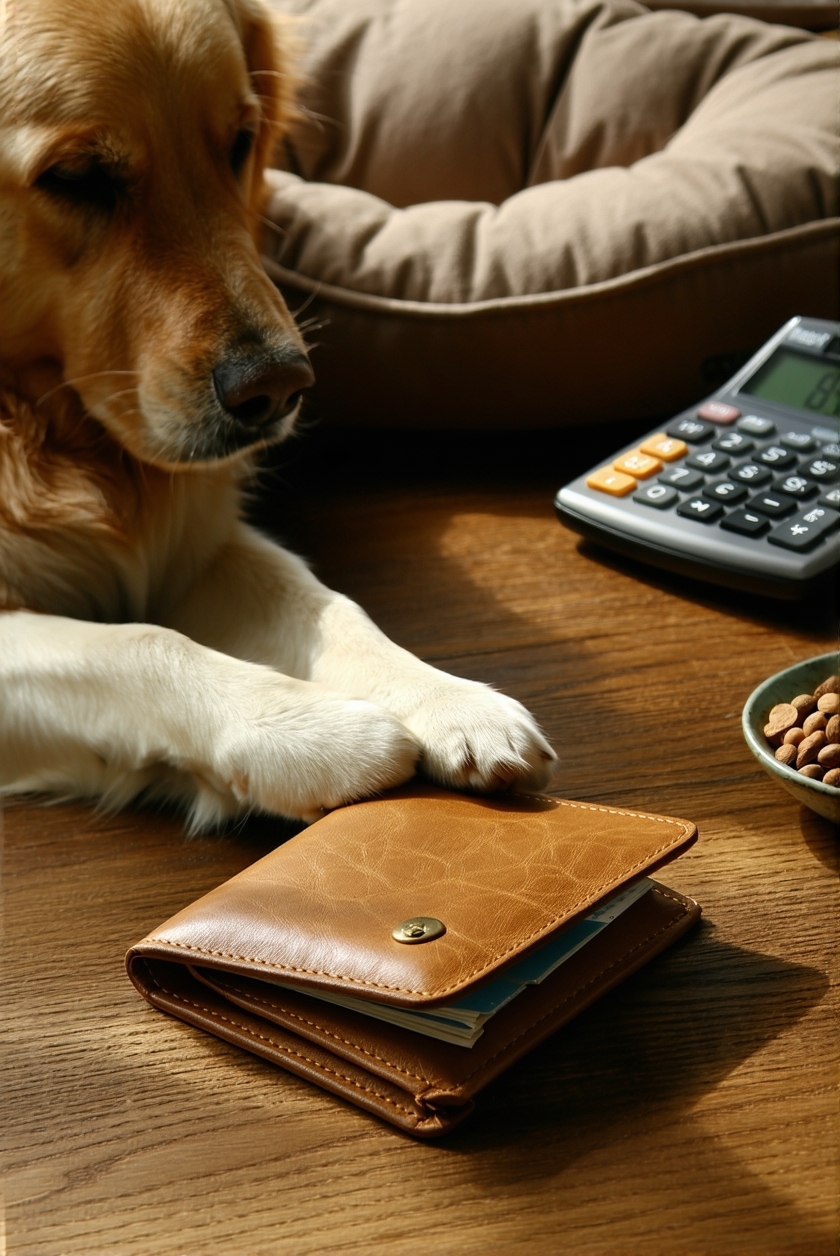
Balancing your career aspirations with responsible pet ownership requires smart financial planning. To make your budget work, create a detailed monthly plan that accounts for every aspect of your dog's care, from food to veterinary visits.
You'll feel more confident knowing exactly where your money goes and how to optimise it. Your dog must receive proper care, but that doesn't mean you have to spend time worrying about costs.
Consider money-saving strategies like bulk purchasing, subscription services for food, and preventative care options. Take advantage of community resources such as low-cost vaccination clinics and training workshops.
Most importantly, build an emergency fund of £500 to £1,000 specifically for unexpected pet expenses. This strategic approach guarantees you can provide excellent care for your furry friend while maintaining your career goals.
Balancing Professional Growth With Pet Commitments

Success in both your career and pet parenthood requires a strategic approach to time management. Happy dogs thrive on routine, so integrate dedicated training sessions into your daily schedule. You'll make a difference in your dog's behaviour while maintaining your professional momentum.
While you're focused on career growth, ensure your dog feels valued by incorporating interactive toys and puzzle feeders during work hours.
Whether you're raising puppies or adult dogs, combine exercise with your daily activities – take a walking meeting with your pup or schedule play sessions between virtual calls. These small adjustments can create a significant impact.
Frequently asked questions
How Do I Keep My Dog Happy While I'm at Work?
To keep your dog happy while you're at work, it's essential to create an engaging environment at home.
Start by providing interactive toys and puzzle feeders to stimulate their mind.
Don't forget to exercise them before you leave; a tired dog is a happy dog!
You might also consider hiring a dog walker for midday breaks, and ensure there's a cosy crate space for them to relax in.
When you're home, make the most of your time together with training sessions and plenty of cuddles.
What Is the 10 Minute Rule for Puppies?
The 10 Minute Rule assists you in safely exercising your puppy according to their age.
For each month of your pup's life, you should provide them with 5 minutes of exercise twice daily. Therefore, if your puppy is 4 months old, they'll require 20 minutes per session.
This straightforward guideline helps to protect your little one's developing joints and prevent exhaustion.
You'll find this recommendation particularly useful for establishing a consistent routine that keeps your puppy healthy and happy.
What Are the 7 Most Important Dog Commands?
Did you know that dogs can learn over 150 commands, but mastering these seven essential ones will cover 90% of your daily needs?
You'll want to focus on teaching your pup "Sit," "Stay," "Come," "Down," "Heel," "Leave It," and "No."
These commands aren't just about obedience – they're your toolkit for keeping your furry friend safe and happy.
Start with "Sit" as your foundation, and you'll be amazed at how quickly your bond grows through these basic commands.
How Much Do You Get Paid to Train Guide Dogs?
As a guide dog trainer in the UK, you can expect to earn between £24,000 and £40,000 annually, depending on your experience and location.
If you're working hourly, you'll typically make between £12 and £20 per hour.
Many organisations offer additional benefits such as health insurance and paid time off.
Moreover, you can enhance your income by conducting workshops or private training sessions.
While non-profit organisations may pay less than those in the private sector, the work is incredibly rewarding.
To summarise
Like a skilled juggler keeping multiple balls in the air, you can absolutely thrive in your career while giving your furry friend an amazing life. By implementing smart routines, efficient training methods, and meaningful bonding moments, you're setting yourself up for success in both realms. When you're intentional about balancing work commitments with pet care, you'll create a fulfilling journey that enriches both your professional goals and your dog's wellbeing.