To make studio living work for your dog, you'll need to choose a breed that suits your space constraints and establish dedicated zones for rest and play. Focus on creating a consistent exercise routine with multiple short walks and indoor activities for mental stimulation. Build positive relationships with neighbours through open communication, and maintain a structured training schedule. Proper planning and attention to your dog's needs will help you both thrive in your cosy environment.
Some key takeaways
- Choose a dog breed suited for small spaces, focusing on low-energy, calm temperaments such as Bulldogs or Greyhounds.
- Create a dedicated comfortable space with a bed, toys, and access to a window for natural light and entertainment.
- Maintain consistent exercise routines through daily walks, park visits, and indoor play to prevent restlessness.
- Practise positive reinforcement training for essential commands and bathroom habits to ensure harmonious studio living.
- Foster good relationships with neighbours through open communication and proper noise management in shared spaces.
Choosing the Perfect Breed for Studio Living
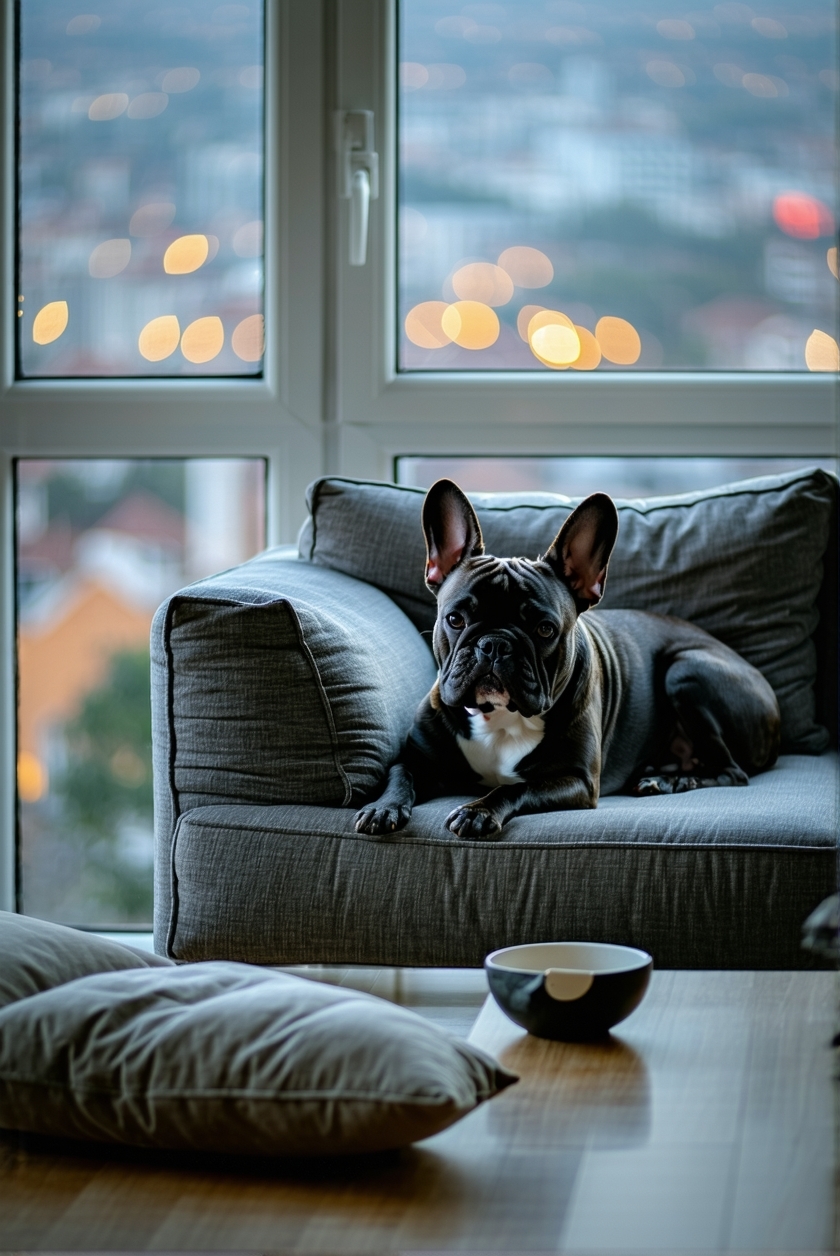
When you're living in a studio apartment, selecting the right dog breed can make all the difference in creating a harmonious living space. Your best choices include low-energy breeds like Bulldogs and Boston Terriers, who thrive in a small living space without requiring extensive exercise.
Consider naturally calm temperaments when making your selection. Greyhounds and Basset Hounds, despite their size, are surprisingly adaptable to studio living and won't disturb your neighbours with excessive barking.
Chihuahuas and French Bulldogs offer the added benefit of minimal grooming needs, which is particularly valuable in compact quarters.
Remember that individual personality matters as much as breed characteristics. You'll want to spend time with your potential companion to verify their energy levels and disposition align with your studio lifestyle.
This personal assessment helps guarantee a successful match for both you and your future furry roommate.
Creating a Comfortable Dog Zone in Limited Space
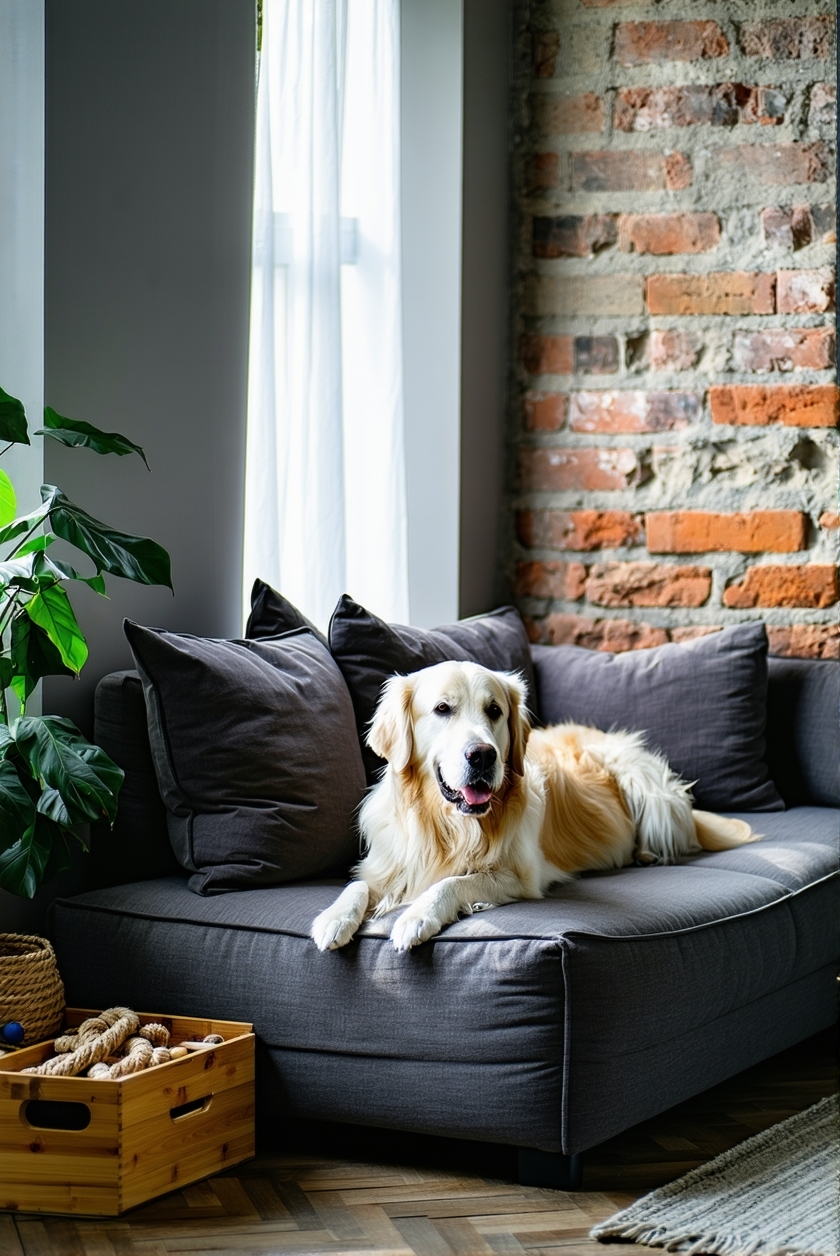
Once you've selected your ideal studio companion, your next step is maximising your limited space to create a dedicated haven for your dog.
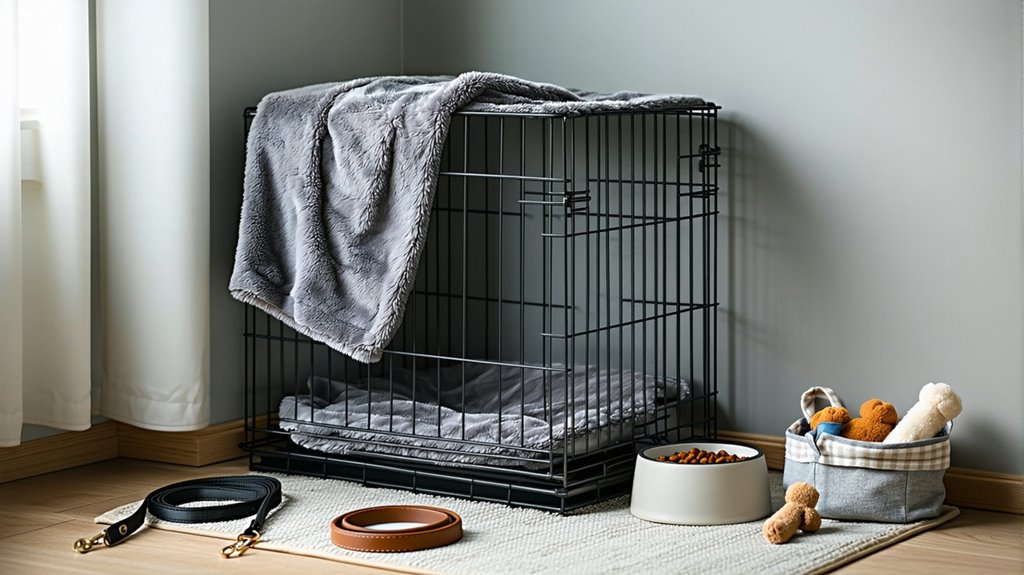
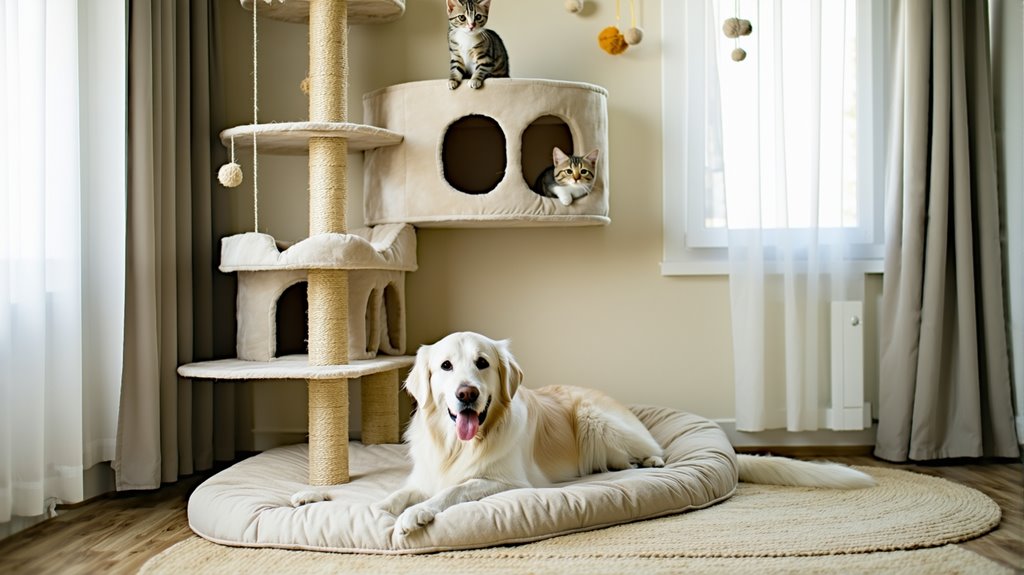
In your studio flat, designate a specific corner where you'll place a comfortable dog bed, favourite toys, and a crate – establishing a space that's uniquely theirs.
Make the most of vertical storage by installing shelves for your pup's supplies, keeping the floor clear for movement and play.
Position their cosy retreat near a window, allowing natural light and fresh air to create an inviting atmosphere.
Add soft touches like a plush rug or blankets to craft a calming environment where your dog can relax.
Keep their area organised by regularly sorting through toys and supplies, ensuring your small space remains manageable and welcoming for both you and your furry friend.
Establishing an Urban Exercise Routine
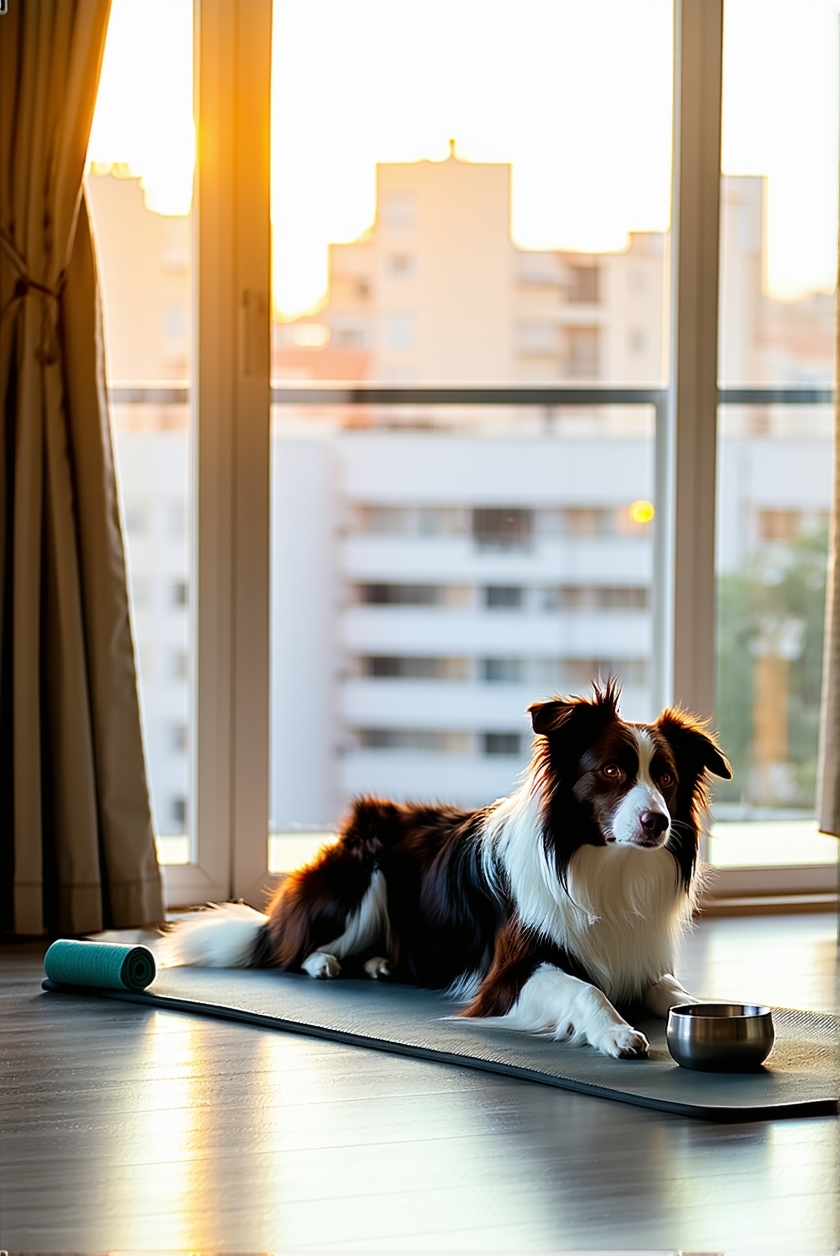
Living in a studio flat doesn't mean compromising on your dog's exercise needs. You can establish a fulfilling routine by breaking up daily exercise into manageable segments throughout the day. Aim for at least 30 minutes of activity, whether it's brisk walks around your neighbourhood or playing fetch in nearby parks.
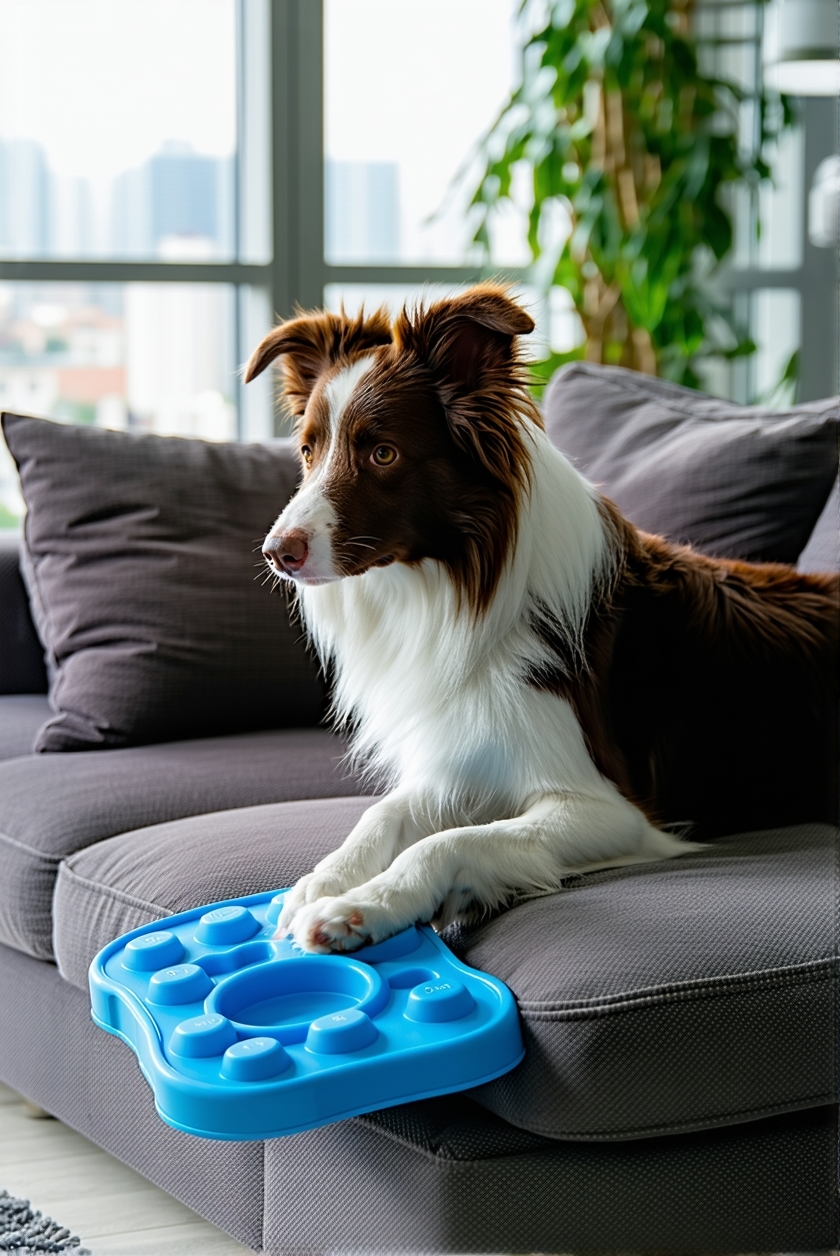
Make your dog's exercise routine more engaging by incorporating interactive toys and brain games that challenge them mentally. Consider joining local dog-walking groups or scheduling regular playdates to provide socialisation opportunities.
By setting consistent walking times, you'll help your dog understand when to expect outdoor adventures. Remember, a well-exercised dog is typically calmer in your flat space.
With dedication and creativity, you can guarantee your furry friend maintains an active lifestyle, even in an urban setting.
Building Positive Relationships With Neighbors

Building strong relationships with your neighbours is essential for harmonious studio living with a dog. Start by initiating open communication about your pet's routines and needs, demonstrating that you value their comfort and concerns.
Keeping them informed about your dog's schedule can help prevent misunderstandings and build trust.
Consider organising casual meet-and-greets where your neighbours can interact with your dog in a relaxed setting.
Be mindful of noise levels, especially during quiet hours, and show your commitment to being a considerate pet owner.
Share your pet care knowledge when appropriate, and be receptive to their feedback.
Mastering Indoor Training Techniques
Successful studio living with dogs hinges on mastering indoor training techniques that complement your neighbourly relationships.
You'll need to establish a consistent potty training schedule that works within your apartment living constraints, ensuring your pup knows exactly when it's time for bathroom breaks.
Incorporate indoor potty solutions like puppy pads strategically, using positive reinforcement to reward your dog's proper bathroom habits.
Teaching basic commands isn't just about obedience – it's essential for maintaining harmony in close quarters. When your dog responds to "quiet" or "stay," you're building a foundation for respectful apartment living.
Watch your dog's body language closely to catch potential behavioural issues early.
Balancing Work and Pet Life in Small Spaces
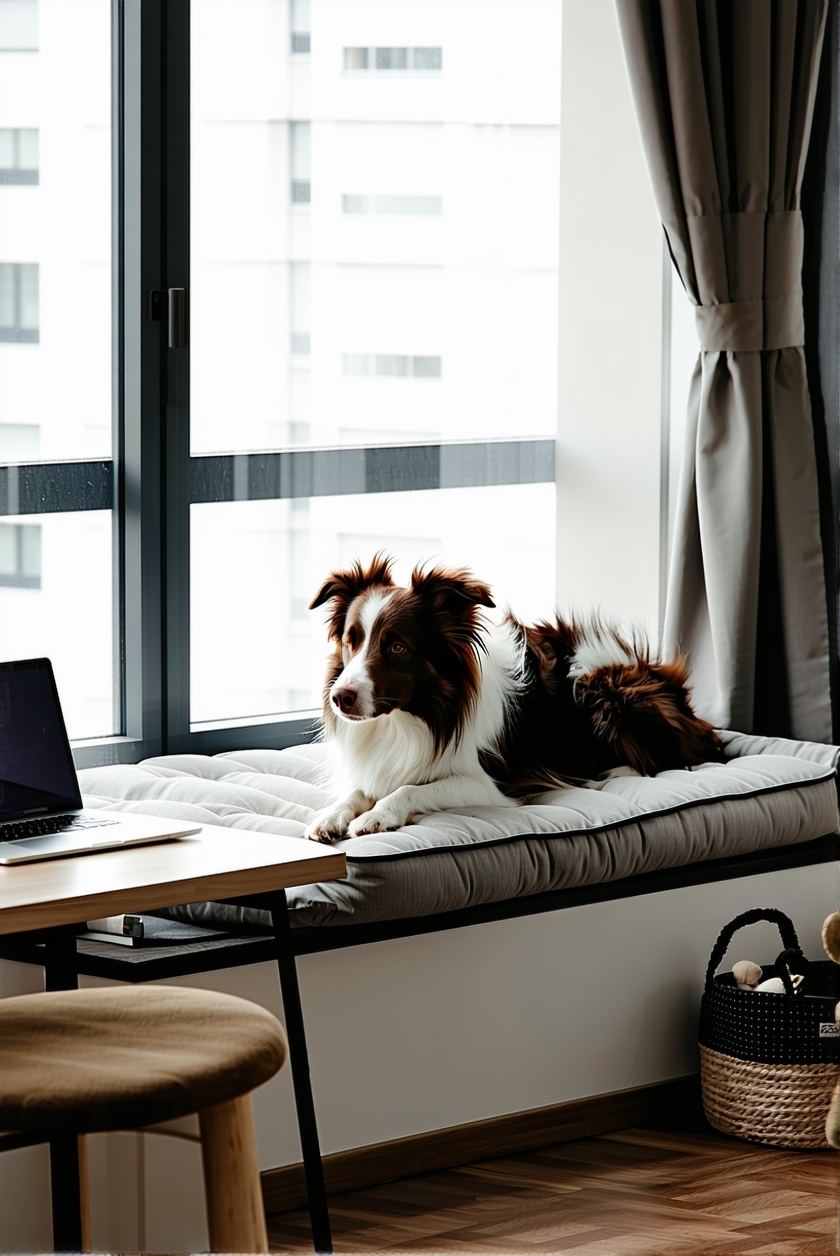
While working from home in a studio flat presents unique challenges, creating a balanced routine for you and your dog is vital for harmonious coexistence.
Make flat living work for both of you by establishing a structured schedule that helps your dog feel secure and engaged throughout the day.
To help your dog thrive in your shared workspace:
- Set specific times for focused work and ensure your good dog gets enough exercise during scheduled breaks.
- Create a cosy corner with their bed and puzzle toys for independent playtime.
- Use interactive feeders during your busy hours to keep them mentally stimulated.
- Maintain open communication with housemates about shared pet care responsibilities.
Frequently asked questions
Can a Dog Be Happy in a Studio Apartment?
Yes, your dog can absolutely thrive in a studio flat!
You'll need to focus on meeting their exercise needs through daily walks and playtime, typically 30 minutes to 2 hours depending on your pup's breed.
It's crucial to create a cosy designated space with their bed and toys, maintain consistent training, and provide mental stimulation.
Why Is Living in a Studio Better?
Living in a studio is advantageous because it fosters a more intimate living space that nurtures closer connections.
You'll spend less time maintaining your home and more time focusing on what truly matters. The simplified layout helps you stay organised and mindful, while the cosy environment encourages meaningful interactions.
You'll find it easier to establish routines, reduce stress, and create a peaceful atmosphere that promotes emotional well-being and personal growth.
Plus, with fewer rooms to manage, you may even save on costs, allowing you to allocate your pounds more effectively towards experiences that enrich your life.
Can a Dog Be Left Alone for 8 Hours?
While you can leave your dog alone for 8 hours, it's not ideal for their emotional well-being.
You'll want to take into account your dog's individual needs and temperament. If you must be away for this length of time, you should provide plenty of mental stimulation through puzzle toys and ensure they get exercise before you leave.
It's best to arrange for a dog walker or pet sitter to break up their day with a visit, particularly if this is a regular schedule.
Can You Make a Living Working With Dogs?
Yes, you can certainly make a living working with dogs through training, grooming, walking, or boarding services.
There are opportunities available in established businesses or you can choose to start your own venture.
While entry-level positions might begin around £25,000, experienced professionals can earn over £50,000 annually.
Obtaining certification in your chosen specialty will enhance your earning potential.
With the steady growth of the pet industry and the increasing demand for pet services, you'll find numerous pathways to build a rewarding career.
To summarise
As they say, "good things come in small packages," and that's particularly true for studio living with your dog. With thoughtful planning, creative space management, and a commitment to your pup's needs, you'll discover that size doesn't restrict the quality of life you can provide. By implementing these strategies and maintaining a consistent routine, you can create a harmonious living space where both you and your four-legged friend will flourish.