Transform your tiny home into a pet paradise by maximising vertical space with wall-mounted shelves, perches, and climbing zones. Install multi-functional furniture such as storage ottomans that double as pet beds, and create designated play areas with collapsible toys to minimise clutter. Establish feeding stations in low-traffic corners, and utilise easy-to-clean materials for simplified maintenance. With smart space optimisation and strategic design choices, you'll uncover endless possibilities for a harmonious pet-friendly sanctuary.
Some key takeaways
- Maximise vertical space with wall-mounted shelves, perches, and cat trees to create climbing zones while preserving floor space.
- Install multi-functional furniture like storage ottomans and elevated pet beds that double as side tables.
- Establish designated feeding and play zones in low-traffic areas using easy-to-clean materials and collapsible toys.
- Create cosy pet retreats by tucking beds into quiet nooks and using sound-dampening materials like rugs and curtains.
- Maintain organisation with clear storage bins, weekly decluttering, and dedicated cabinets for pet supplies in accessible locations.
Space-Saving Design Strategies for Pet Comfort
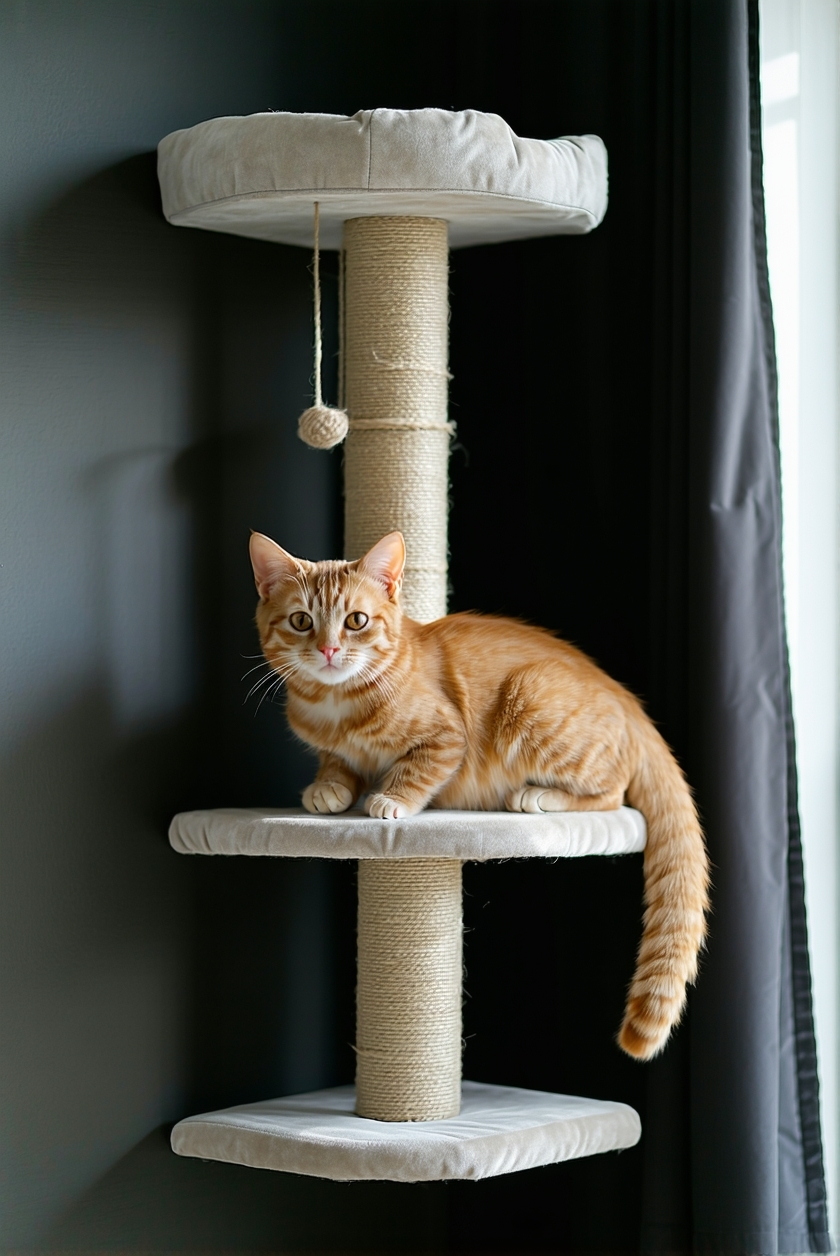
While living in a tiny home presents unique challenges for pet owners, clever space-saving design strategies can transform your compact space into a comfortable haven for your furry companions.
Begin by utilising vertical space with wall-mounted shelves and perches, providing your pets with multiple levels to explore and rest. Incorporate multi-functional furniture, such as storage ottomans that double as pet beds, to maximise the efficiency of your small space.
Create designated play zones with collapsible toys that can be tucked away when not in use, ensuring your pets remain active without cluttering your living area.
Opt for easy-to-clean materials for flooring to simplify maintenance, and consider installing pet doors to connect indoor and outdoor spaces.
These thoughtful design elements help keep your pets happy whilst maintaining a functional, organised tiny home environment.
Vertical Solutions for Pet Play and Rest
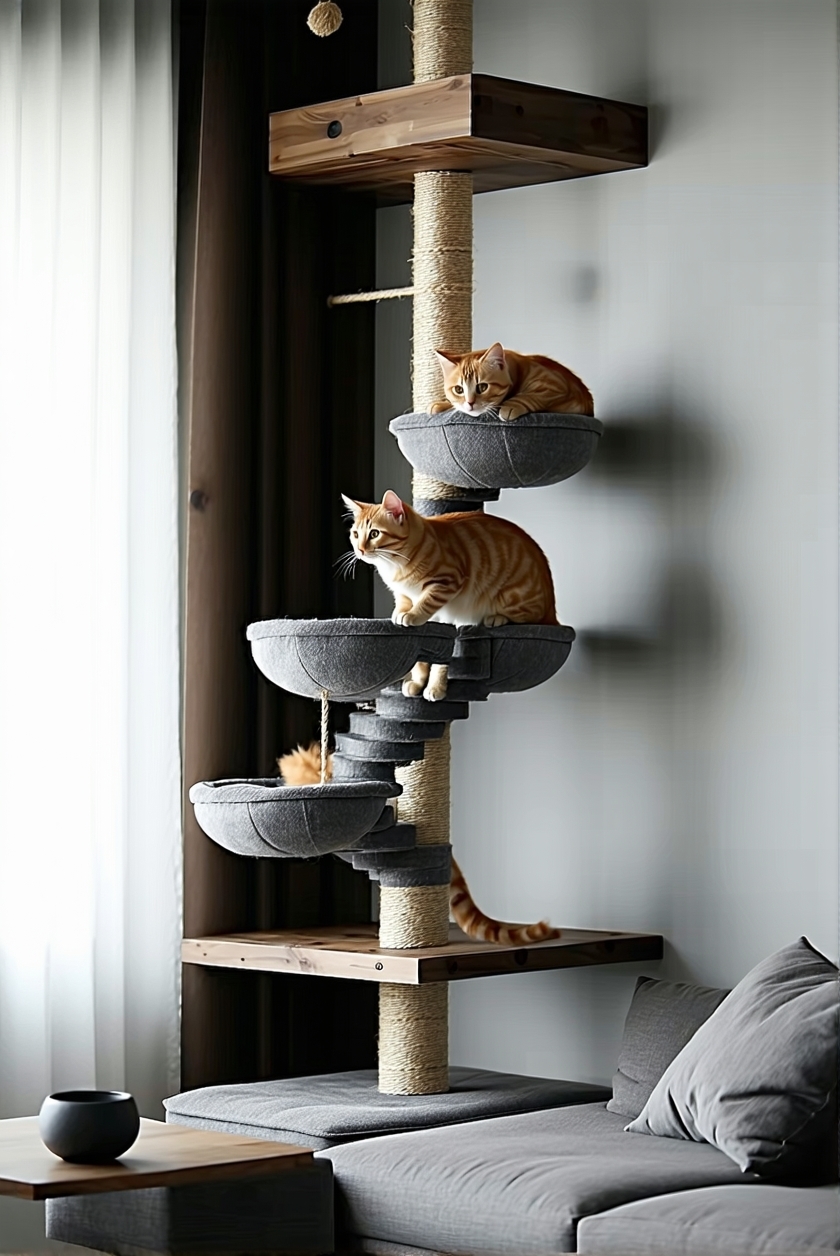
Since vertical space remains largely untapped in most tiny homes, transforming these areas into pet-friendly zones offers an ingenious solution for both play and relaxation.
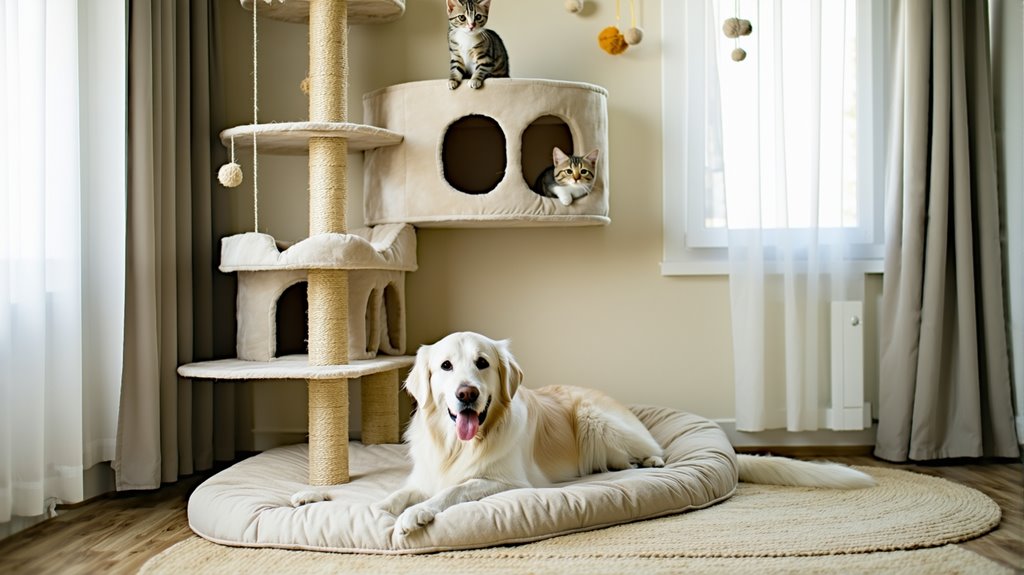
You'll maximise your home's potential by mounting shelves and cat trees along walls, creating dynamic play areas that satisfy your pets' natural instincts to climb and explore.
For your feline friends, install climbing structures at various heights to encourage exercise and mental stimulation. Your cats will love engaging with these elevated perches while keeping your floor space clear.
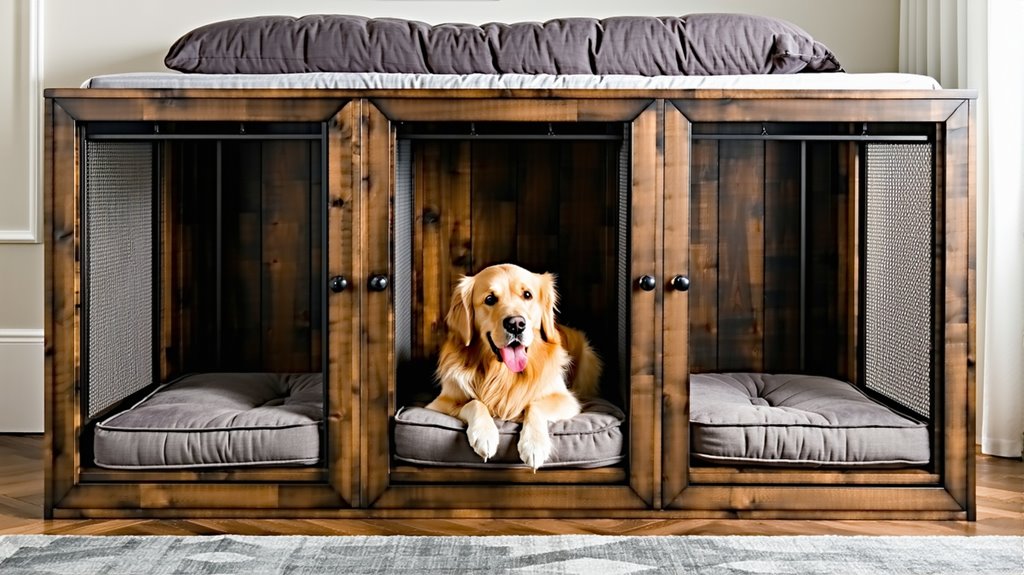
If you're a dog owner, consider implementing bunk-style arrangements that provide cosy retreats underneath and comfortable resting spots above.
These vertical solutions not only maintain a clean environment but also enhance your tiny home's aesthetic appeal. Your pets will thrive in their newly designed vertical playground while preserving valuable living space.
Multi-Purpose Furniture for Humans and Pets
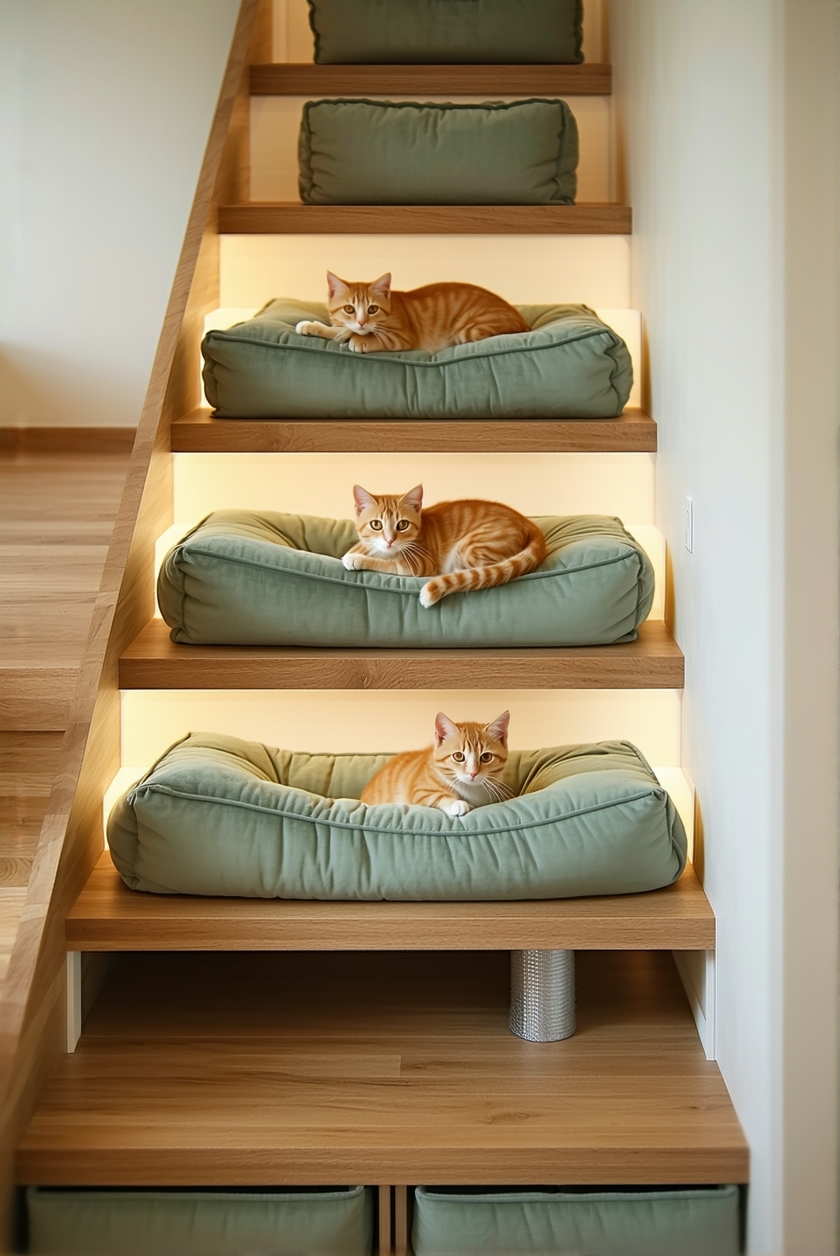
Living in a tiny home demands creative solutions, especially when sharing the space with pets. Multi-purpose furniture offers the perfect balance between human comfort and pet convenience.
You'll love how an ottoman with hidden storage keeps pet supplies organised while providing extra seating. Transform your living area with elevated dog beds that double as side tables, creating a cosy resting spot without sacrificing precious floor space.
Make the most of your versatile living arrangement by installing built-in benches with storage compartments. These serve as both comfortable seating and a designated area for your pet's belongings.
Don't forget to choose furniture with removable and washable covers to maintain a clean, pet-friendly environment. Consider a foldable dining table that adapts to your needs while accommodating pet feeding areas.
Smart Storage Solutions for Pet Supplies
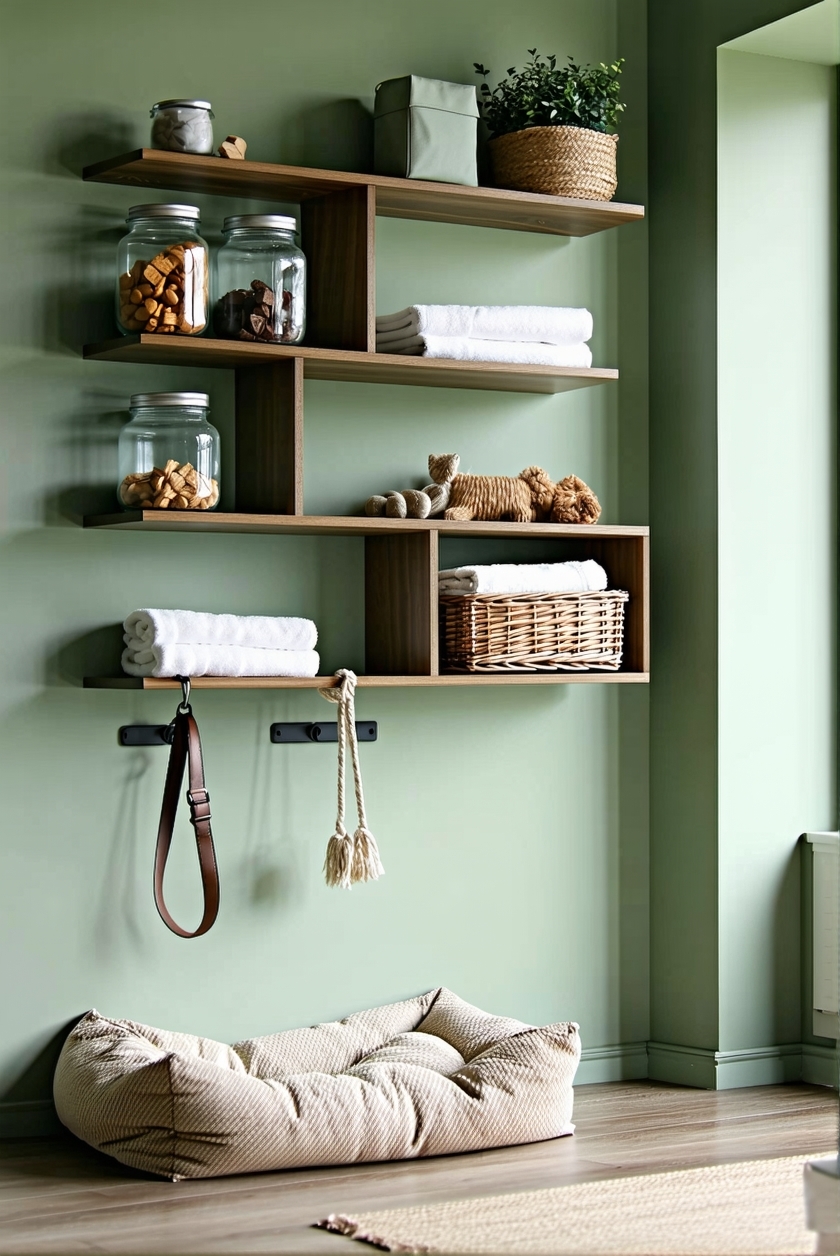
Three essential strategies can transform your tiny home's pet storage from chaotic to organised.
First, embrace multi-functional furniture like ottomans and benches with hidden compartments to store your pet supplies while preserving valuable floor space. You'll love how these pieces serve double duty for both you and your furry friend.
Next, maximise vertical space by installing wall-mounted shelves and cabinets for leads, toys, and grooming tools. Combine this with under-bed storage bins for larger items like pet food to create a clutter-free environment.
Finally, establish a designated pet supply area using a compact cabinet or cart, equipped with clear, labelled containers for easy access. This smart storage solution keeps everything in one spot, making daily pet care routines effortless while maintaining your home's streamlined appearance.
Creating Cozy Pet Zones in Limited Space
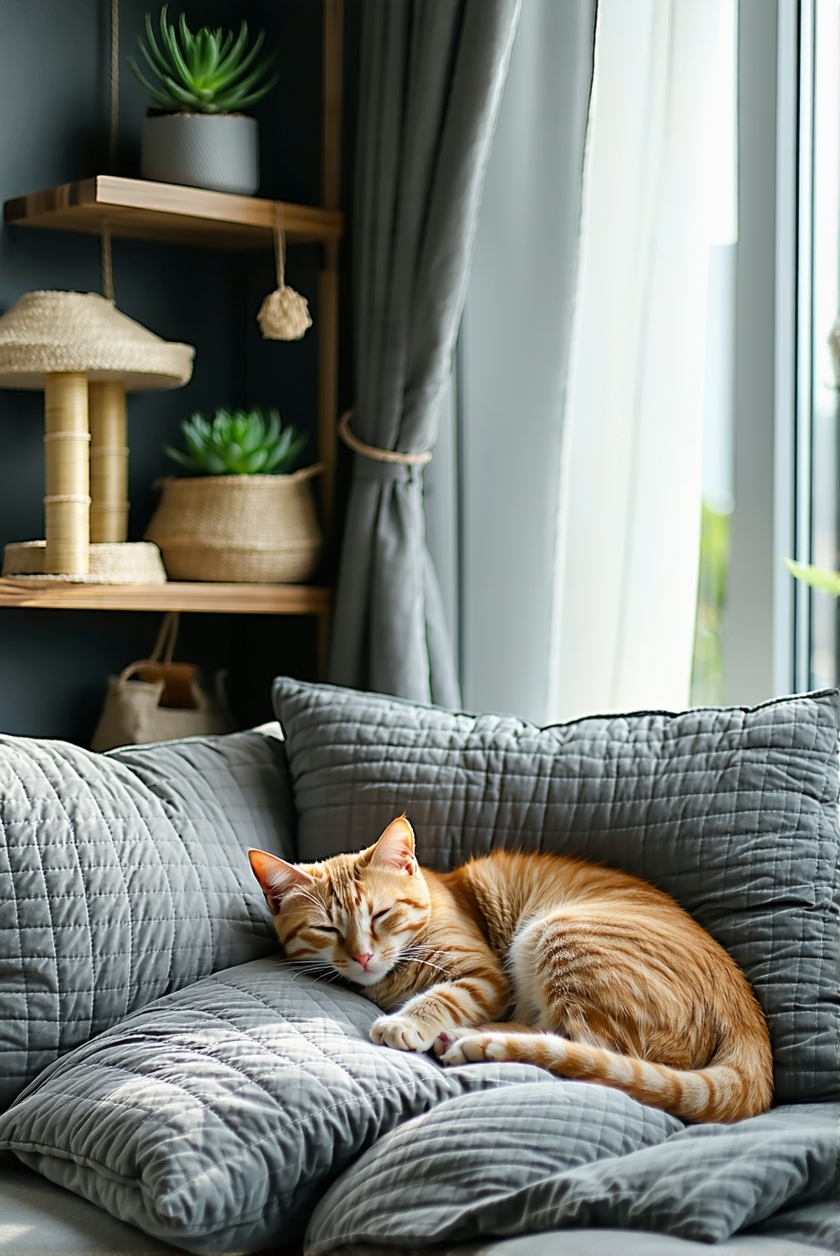
While maximising space in a tiny home presents unique challenges, creating dedicated pet zones doesn't require sacrificing your living area. By strategically planning designated areas for your furry friends, you'll create a harmonious living environment that works for everyone.
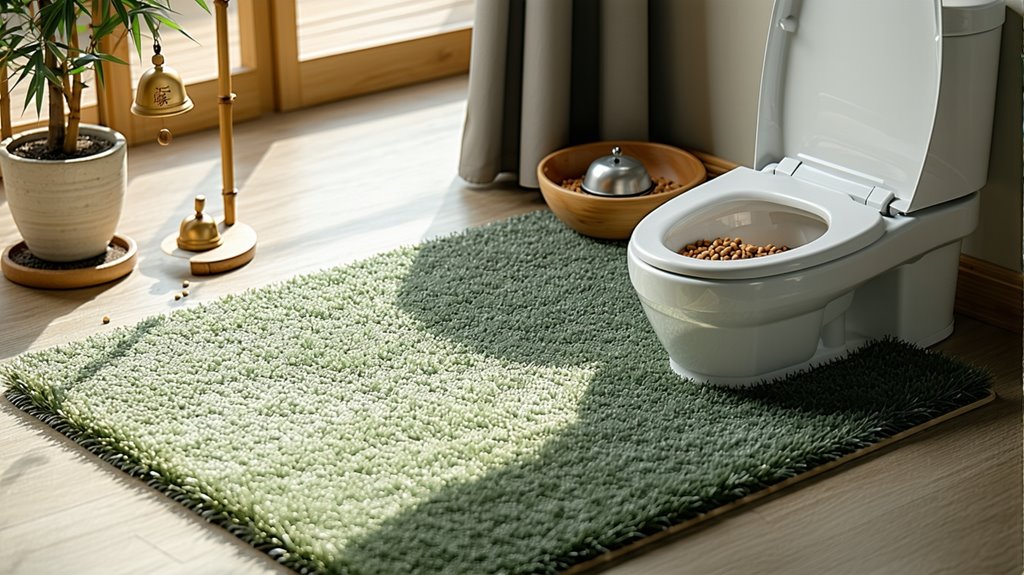
Start by establishing feeding stations in low-traffic corners, using multi-functional furniture with built-in storage for pet supplies.
Make the most of vertical space by installing wall-mounted perches or shelving that doubles as climbing zones. Choose pet-friendly materials like easy-to-clean vinyl flooring to maintain a fresh living space.
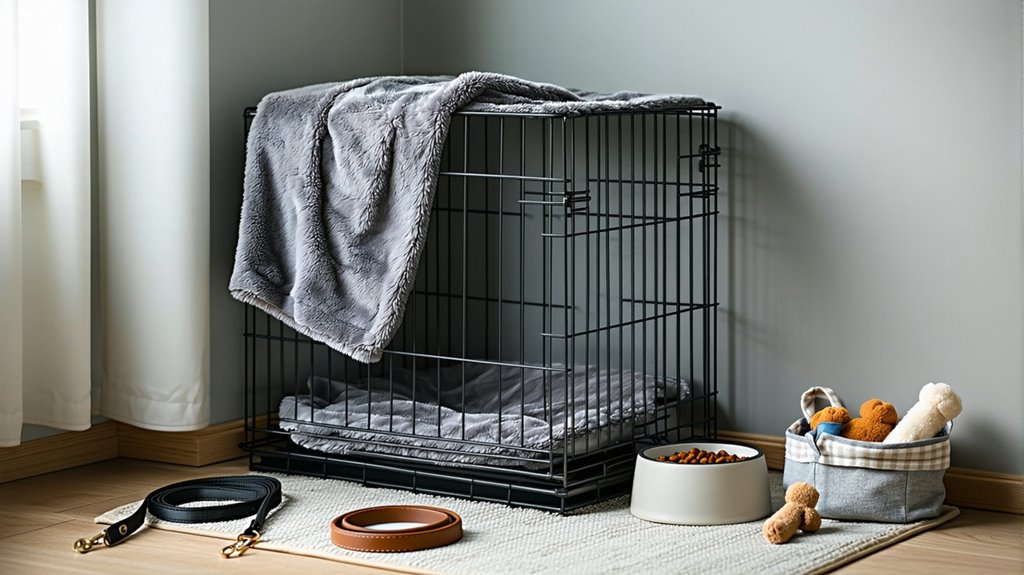
Create a cosy spot by tucking a pet bed into a quiet nook or under furniture, and designate specific play zones using portable toys that can be stored when not in use.
Your pets will feel secure and content in their thoughtfully designed spaces.
Easy-Clean Materials and Surfaces
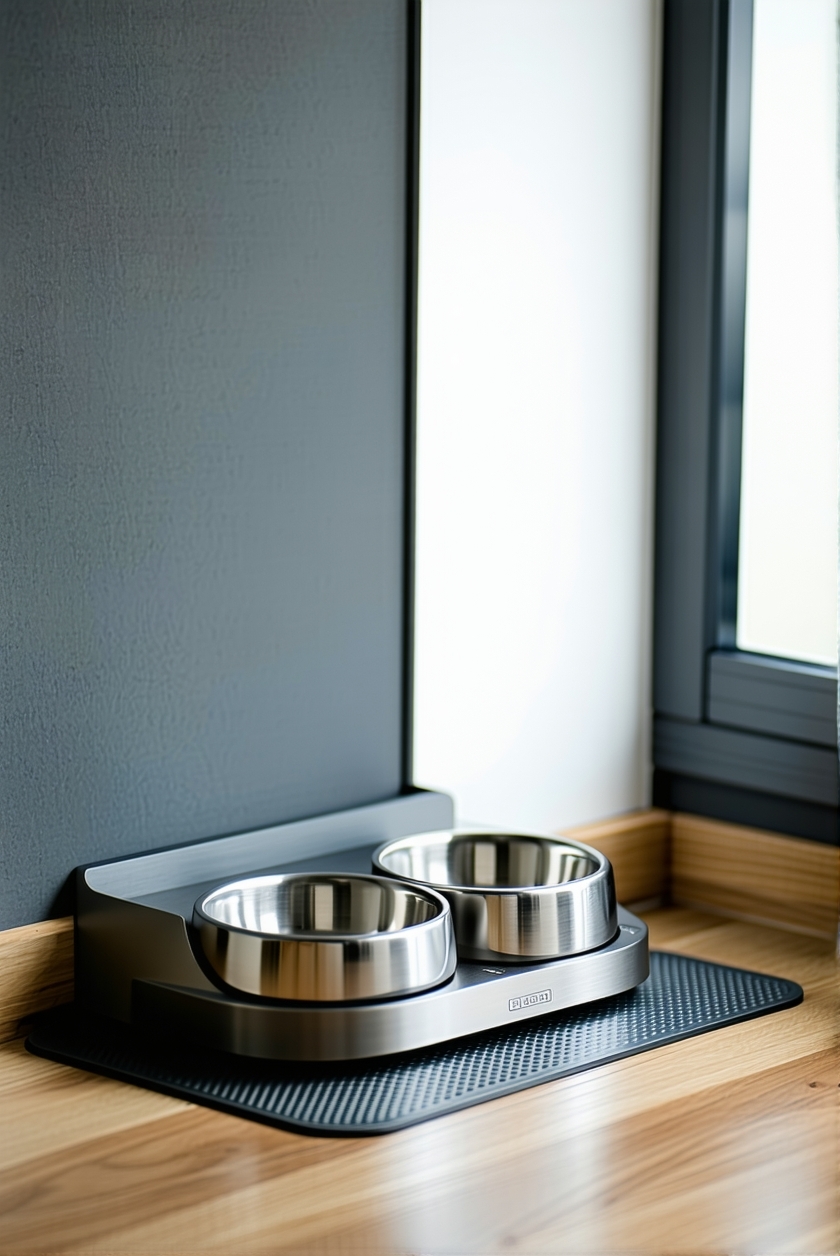
Maintaining a clean tiny home with pets becomes considerably easier when you select the right materials and surfaces. Start by installing hard flooring such as tile or laminate, which you'll find more forgiving when dealing with pet accidents and daily wear.
You'll want to protect your furniture with washable slipcovers, allowing you to quickly refresh your living space whenever needed.
To balance comfort with cleaning efficiency, incorporate stain-resistant area rugs in high-traffic zones. If you're considering carpeted areas, opt for low-pile carpets that won't trap pet hair and dander.
Remember to stock your cleaning supplies with pet-friendly cleaning products that won't harm your furry friends. These easy-clean materials create a practical foundation for your tiny home, ensuring you spend less time cleaning and more time enjoying your pet's company.
Indoor-Outdoor Flow for Pet Activities
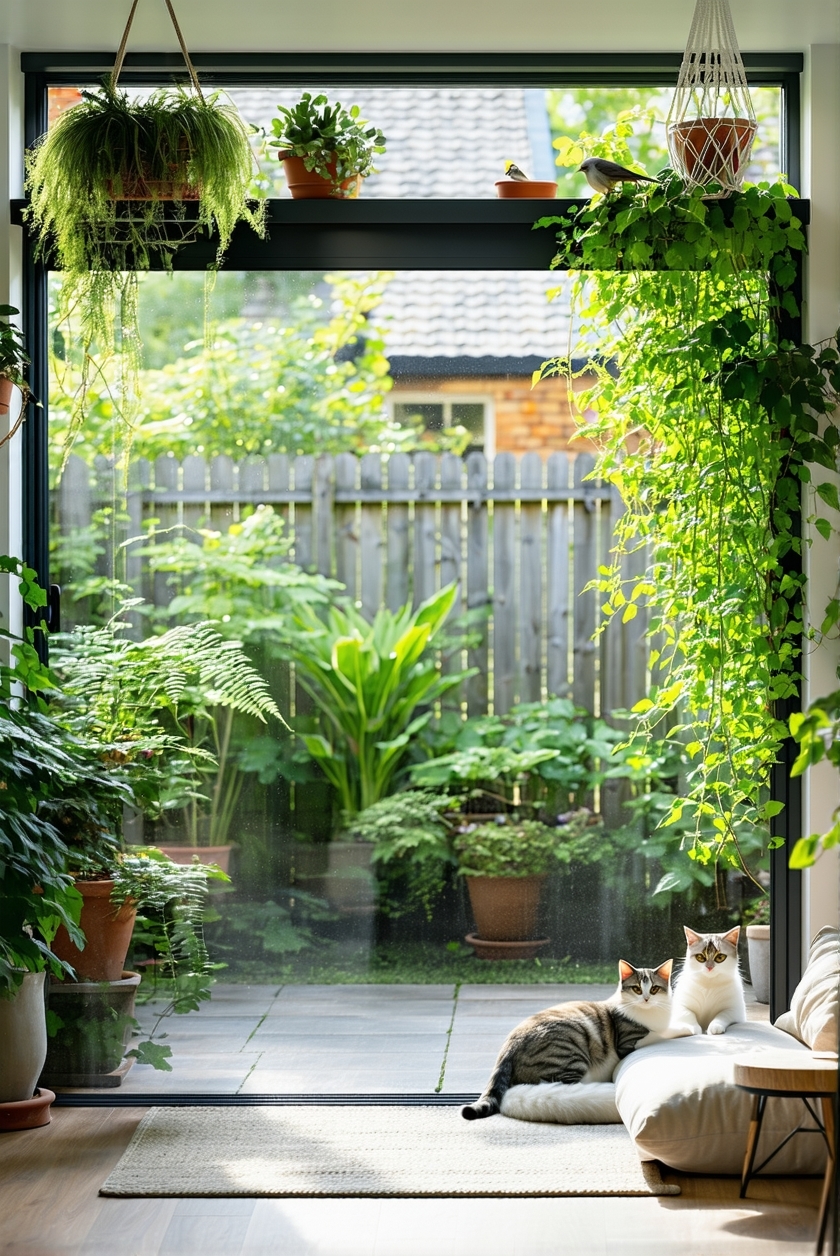
Creating a seamless connection between indoor and outdoor spaces maximises your tiny home's livability for pets. By installing pet doors and designing thoughtful outdoor areas, you'll meet your pets' needs for exercise and exploration while maintaining a comfortable environment in limited square footage.
- Your pets will feel the freedom to roam and play at their own pace.
- They'll discover cosy spots perfect for afternoon naps in the fresh air.
- You'll watch them thrive with newfound independence.
- They'll enjoy stimulating vertical spaces that spark joy.
- You'll share precious moments together in your expanded living area.
Transform your outdoor area with pet-friendly surfaces and climbing shelves, ensuring it's safe from potential hazards.
Add shade structures and artificial grass to create an inviting retreat.
This indoor-outdoor flow not only enriches your pets' daily experience but also maximises your tiny home's functionality.
Temperature Control and Ventilation
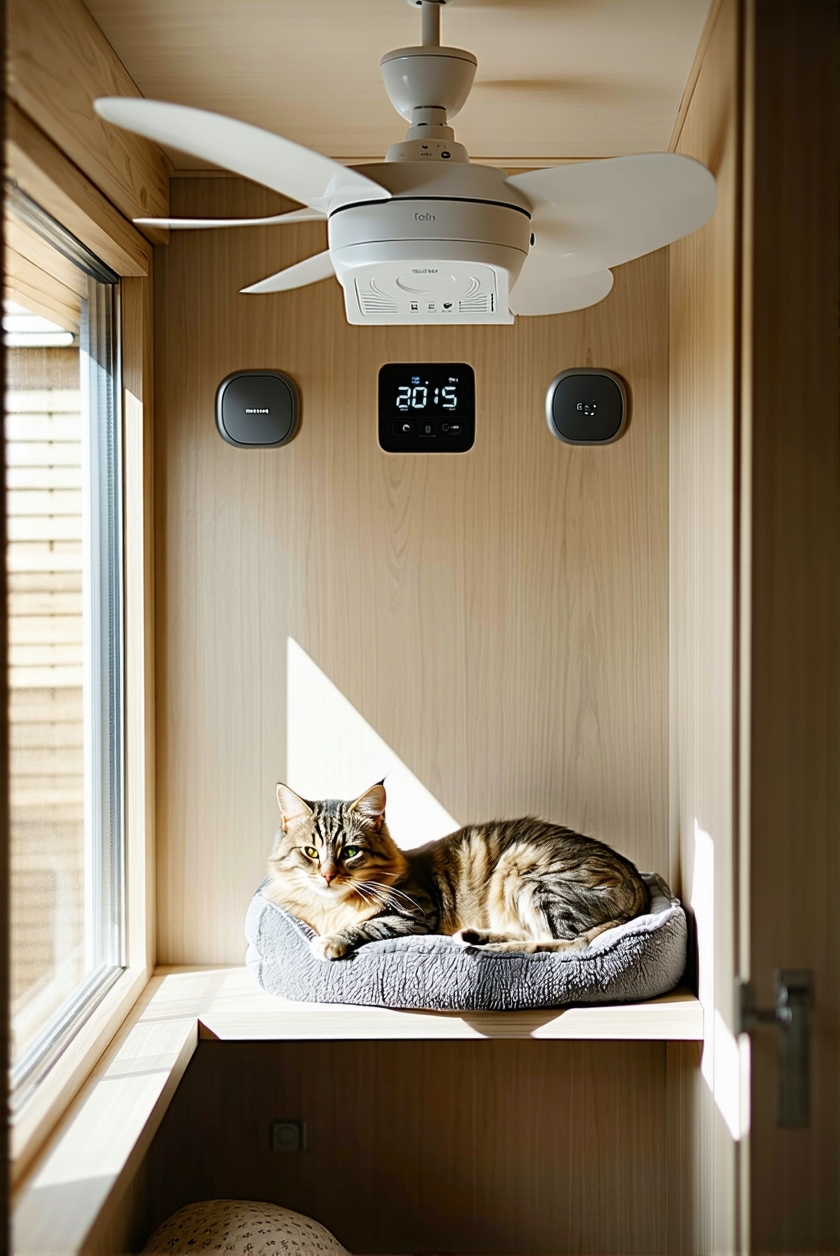
Because tiny homes present unique climate control challenges, establishing effective temperature regulation and ventilation systems is essential for your pets' comfort and well-being.
Install a gas or pellet stove to maintain a comfortable indoor temperature throughout winter, and complement this with insulated windows and doors to prevent heat loss while ensuring proper airflow.
Create a cosy spot for your furry friend by setting up electric heating mats or pet-safe blankets in a warm, sheltered corner of your tiny home.
You'll want to monitor these heating elements carefully to prevent any safety issues.
Don't forget to maintain your ventilation systems regularly – clean vents and filters will keep the air fresh and healthy for both you and your pet.
This balanced approach to temperature control will transform your tiny space into a comfortable haven year-round.
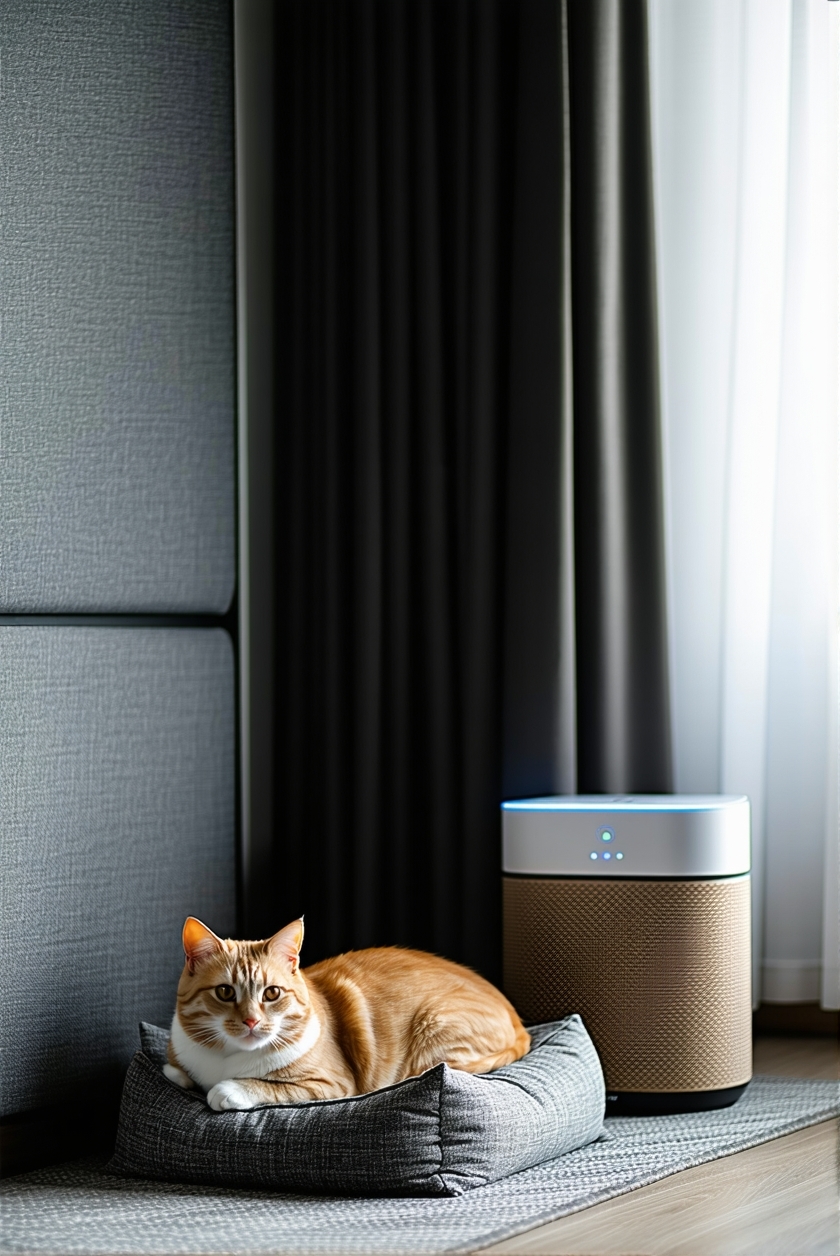
Living in a tiny home means every sound is amplified, so effective noise management becomes essential for harmonious coexistence with your pets.
Creating a peaceful environment starts with establishing a consistent daily routine to reduce anxiety in your furry companions. Well-socialised pets adapt better to shared spaces, while interactive toys keep them engaged and minimise disruptive behaviours.
- Place acoustic panels strategically to absorb your curious pets' unexpected noises.
- Arrange pet-friendly plants to help diffuse sound throughout your space.
- Install thick curtains that double as sound barriers and cosy decorative elements.
- Position interactive toys away from quiet zones to keep them engaged.
- Create designated play areas to contain noise disturbances.
These thoughtful adjustments will transform your tiny home into a serene sanctuary where both you and your pets can thrive together.
Pet-Friendly Organization Systems

Efficient organisation becomes paramount when sharing a tiny home with pets, as every square inch must serve multiple purposes.
You'll find that implementing pet-friendly organisation systems transforms your space through strategic solutions. Start by installing multi-functional furniture with hidden storage compartments for pet supplies, making the most of your tidy living space.
Maximise vertical space with wall-mounted shelves and cabinets, keeping essentials within reach while freeing up valuable floor area for your furry friend.
Create designated zones for feeding and play, using clear bins to sort and label items by category. This systematic approach guarantees you'll always know where to find leads, toys, and grooming tools.
Remember to declutter weekly, maintaining these organised spaces to keep your tiny home functioning smoothly for both you and your pet.
Frequently asked questions
How Do I Introduce a New Pet to My Existing Pets?
When introducing a new pet, take it slow and controlled.
Start by keeping your pets in separate spaces, allowing them to get used to each other's scents.
You'll want to supervise their first face-to-face meetings in a neutral area where neither pet feels territorial.
Keep these interactions brief and positive, rewarding good behaviour.
If you notice tension, separate them immediately and try again later.
Patience is key to successful pet introductions.
What Plants Are Toxic to Pets in Small Living Spaces?
Did you know that the ASPCA handles over 200,000 calls each year about pets ingesting toxic plants?
It's essential to avoid common houseplants such as lilies, pothos, and snake plants, as they can be lethal to your furry friends.
Additionally, be cautious with aloe vera, peace lilies, and philodendrons.
If you have a cat, you must be particularly vigilant with lilies – even a small amount of pollen can lead to kidney failure.
How Often Should I Replace Pet Bedding in a Tiny Home?
You'll need to replace your pet's bedding at least once a week, though it's best to wash it every 2-3 days in a tiny home where odours can concentrate quickly.
If you notice any stains, dampness, or strong smells, don't wait—change it immediately.
For pets that shed heavily or have skin conditions, you might need daily changes.
Keep a spare set handy so you're never caught without clean bedding.
Can Multiple Species of Pets Safely Coexist in Limited Space?
You can successfully house multiple pet species together in a small space, but you'll need to carefully consider their compatibility and natural behaviours.
Start with species that are known to get along, such as cats and dogs that have been properly socialised.
You'll want to create distinct territories using vertical space, separate feeding areas, and multiple retreat spots.
What's the Ideal Pet-To-Square-Footage Ratio for Tiny Homes?
While there's no universal formula for pet-to-square-footage ratios, you'll want to allow 20-30 square feet per cat and 40-50 square feet per small-to-medium dog in your living space.
For ideal comfort, you shouldn't exceed 2-3 pets in homes under 400 square feet.
To summarise
You'll find that transforming your tiny home into a pet paradise coincidentally addresses many human comfort needs too. As you've discovered, space-saving solutions for pets often enhance your own living space, while smart storage keeps both species organised. By implementing these dual-purpose design strategies, you're creating a harmonious environment where both you and your pets can thrive in your compact sanctuary.