
Monthly dog expenses can remain affordable when you concentrate on seven key areas: food and nutrition costs ranging from £160 to £400, basic preventive healthcare between £50 and £150, sensible insurance coverage from £20 to £50, DIY grooming supplies costing around £10 to £45, budget-friendly training through online resources at £10 to £30, enrichment toys, and effective supply management. By planning for these essential categories, you can ensure your pet's health and happiness while keeping costs manageable. Discover how to optimise each category for maximum value.
Some key takeaways
- Opt for DIY grooming with basic tools costing £10-£45 instead of professional sessions that range from £25-£80 per visit.
- Choose cost-effective online training classes at £10-£30 per session over expensive in-person options at £75 per session.
- Maintain preventive healthcare through routine check-ups costing £35-£50, which can potentially help you avoid costly emergency treatments later.
- Select basic pet insurance plans starting at £20 per month to protect against unexpected medical expenses.
- Plan food expenses by following portion guidelines and purchasing quality food in bulk, averaging £27-£98 per month.
Essential Food and Nutrition Planning

When planning your dog's nutritional needs, establishing a solid feeding routine is one of the most important responsibilities of pet parenthood.
You'll need to budget between £325 and £1,170 for annual food expenses, depending on the quality and brand you choose.
To maintain your dog's health, provide at least two meals daily, adhering to the portion guidelines on the packaging.
While treats are excellent for training and bonding, use them sparingly – expect to spend between £100 and £250 annually on these rewards.
You can manage food expenses by buying in bulk or exploring quality own-brand options.
Don't hesitate to consult your veterinary team for personalised nutrition advice.
They'll help tailor your pet care strategy based on your dog's size, breed, and age, ensuring you're meeting all their nutritional needs while staying within your budget.
Basic Preventive Healthcare

To keep your furry friend healthy and happy, investing in preventive healthcare is essential and more cost-effective than treating illnesses later. Basic preventive healthcare typically adds £50 to £150 to your annual expenses, covering routine vaccinations and preventive treatments that protect your dog's wellbeing.
Regular vet visits for health checks, costing between £35 and £50 each, help monitor your pup's overall health.
You'll need to budget for annual vaccinations (£95 to £185 for initial visits) and regular flea treatments, as well as tick and worm prevention (£50 to £200 yearly).
Since one in three pets eventually require emergency medical care, investing in preventive care now can save you from costly treatments in the future.
Smart Insurance Coverage Options

Protecting your dog with the right insurance coverage can significantly alleviate financial stress when unexpected medical needs arise. With monthly expenses ranging from £20 to £50, pet insurance provides essential protection against costly veterinary bills, especially given that one in three pets will require emergency treatment during their lifetime.
When selecting your coverage level, it's important to consider both your financial commitment and your dog's health risks. While basic plans typically cover accidents and injuries, more comprehensive policies include routine care and illness treatments.
You'll find that investing in broader coverage can save you thousands in annual expenses, particularly as emergency treatments can range from £500 to £3,000. By choosing the right insurance plan, you're not only managing unforeseen costs but also ensuring that your furry friend receives the care they need, when they need it.
DIY Grooming and Maintenance

Smart pet parents can significantly reduce their monthly expenses through DIY grooming and maintenance. By investing in quality grooming supplies and learning essential grooming techniques, you can save considerably compared to professional grooming costs, which can range from £25 to £80 per session.
Get started with these money-saving strategies:
- Purchase basic grooming tools (£10-£45) to handle regular maintenance tasks such as brushing and nail clipping.
- Utilise online resources and tutorials to master proper grooming techniques for your dog's specific coat type.
- Establish a consistent home grooming routine to maintain your pet's coat health between occasional professional visits.
Even if you have high-maintenance breeds, you'll find that DIY grooming becomes easier with practice.
Additionally, the intimate bonding time with your furry friend is an added benefit that makes the learning process worthwhile.
Cost-Effective Training Solutions

While professional dog training can be expensive, there are numerous budget-friendly alternatives that deliver excellent results. Online training classes offer significant savings at just £10-£30 per session, compared to traditional in-person training that can cost up to £75.
You can enhance your pet ownership experience by utilising free resources like YouTube tutorials and dog training blogs. Many animal shelters provide complimentary training workshops, making it easier to acquire essential skills without straining your finances.
Consider enrolling in group classes, which typically cost £10-£20 per session, offering both affordability and socialisation benefits for your dog.
For the most cost-effective approach, combine these affordable options with consistent positive reinforcement training at home. This balanced strategy helps you develop a well-trained companion while keeping your monthly expenses manageable.
Budget-Friendly Toys and Enrichment

Keeping your dog mentally stimulated doesn't have to drain your wallet. As budget-conscious dog owners, you'll find plenty of cost-effective strategies to keep your furry friend engaged and happy.
Interactive toys offering mental engagement are available for £10-£30, while basic budget-friendly toys can cost as little as £5.
Here's how to maximise your toy budget:
- Create DIY toys from old t-shirts or plastic bottles for unique play experiences.
- Take advantage of sales and discounts at pet supply stores to stock up on favourites.
- Rotate your dog's toys regularly to keep their interest without the need for constant new purchases.
Practical Pet Supply Management
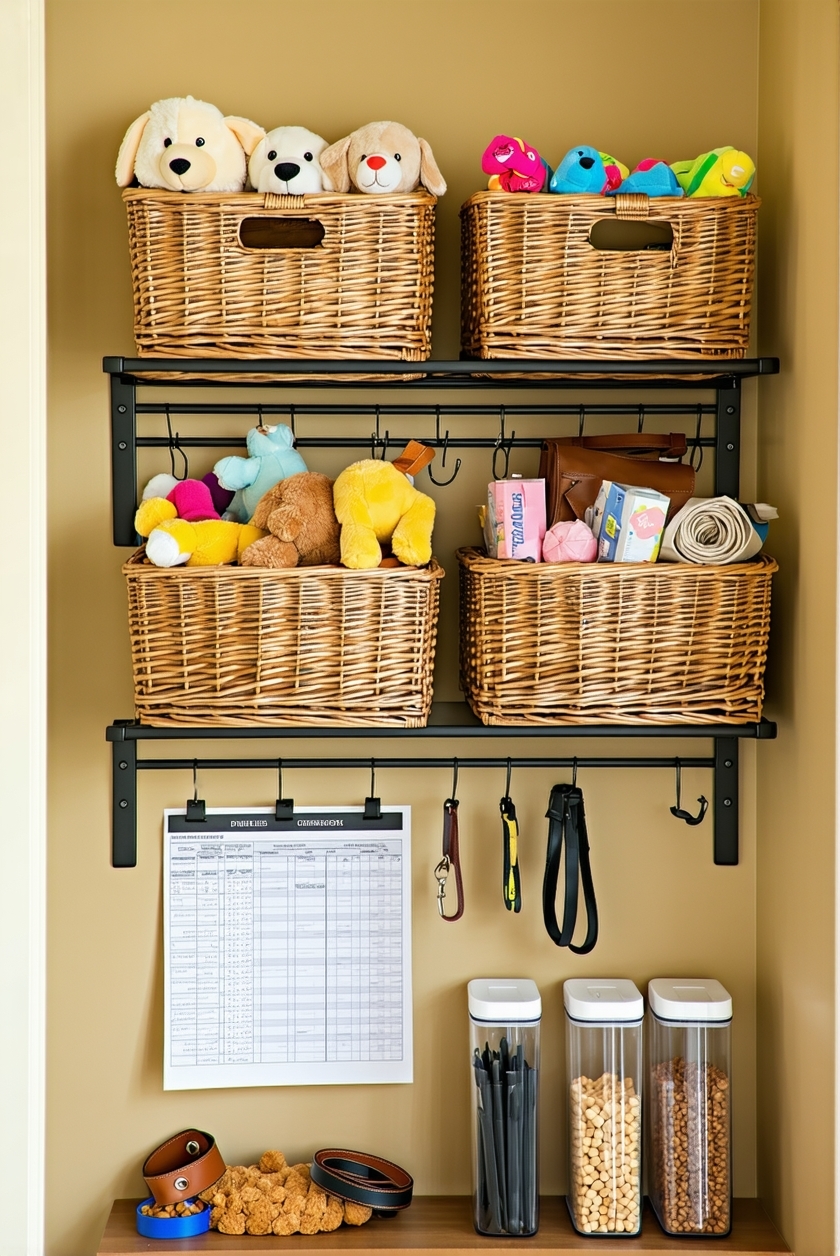
Beyond fun toys and enrichment activities, effective supply management forms the backbone of affordable pet care.
You'll find significant savings by buying dog food and treats in bulk, potentially reducing your annual expenses by hundreds of pounds. Make the most of price comparison across different retailers, as monthly costs for pet supplies can vary dramatically.
Consider crafting homemade dog treats, which offer healthier options while being gentle on your wallet.
To minimise grooming expenses, master basic grooming tasks at home and reserve professional services for specialised needs.
Stay alert for discounts and sales on pet supplies through online platforms and local stores.
Smart pet owners know that combining bulk purchases with strategic shopping can transform a £1,170 annual food budget into a more manageable expense.
Frequently asked questions
How Much Should I Budget for My Dog per Month?
You'll want to budget between £115 and £240 per month for your furry friend.
This includes £27-£100 for quality food, £35-£50 for routine veterinary care, and £20-£50 for pet insurance.
Don't forget to set aside £10-£60 for treats, toys, and grooming essentials.
While these costs might seem steep, they're an investment in your pup's health and happiness – and that's priceless!
How Much Does It Cost a Month to Keep a Dog?
You'll need to budget between £110 and £270 per month for your furry friend, depending on their size and needs.
This includes £27-£90 for quality food, £20-£50 for insurance, and £10-£45 for grooming.
Don't forget to factor in routine vet check-ups, which typically cost about £3-£4 monthly when spread across the year.
These costs can vary based on your dog's breed, age, and specific requirements.
How Much Does It Cost to Feed a Dog per Month in the UK?
You can expect to spend between £30 and £100 per month on dog food in the UK, depending on your choice of brand and your dog's size.
If you opt for premium brands, you'll likely be at the higher end of this range, whereas supermarket brands typically cost between £30 and £50 monthly.
Additionally, don't forget to account for treats, which can add another £10 to £20 to your monthly food budget.
For optimal health, it's recommended that you feed your pup twice daily.
What Is the Life Expense of a Dog?
Precious pups pack a powerful impact on your purse!
You'll typically spend between £4,500 and £13,000 throughout your dog's life, though larger breeds can cost up to £30,000.
Your furry friend's lifetime expenses include regular vet visits (£150-£300 annually), food (£200-£600 yearly), and insurance (£240-£600 per year).
Don't forget extras like grooming, toys, and potential emergency care that can add to these basic costs.
To summarise
Being a responsible dog parent doesn't mean emptying your wallet. While premium kibble and vet visits represent necessary expenses, DIY grooming and homemade toys offer creative savings. You'll find that smart budgeting transforms costly care into manageable monthly payments. By balancing essential needs with cost-effective alternatives, you're creating a sustainable, loving home for your furry friend without sacrificing quality or comfort.