
Book your vet visits during quieter periods, such as early mornings or mid-week, to help minimise your dog's anxiety. It's important to gather all medical records and document any changes in behaviour before the appointment. Opt for time slots when your pup is naturally more relaxed, and be sure to communicate any specific concerns clearly when scheduling. For routine check-ups, maintain a consistent schedule, but be aware of when to request emergency slots for urgent matters. There's a wealth of knowledge to be gained in mastering the art of stress-free vet visits.
Some key takeaways
- Schedule appointments during quieter periods, such as early mornings or mid-week, to minimise stress and reduce wait times.
- Gather all medical records, vaccination history, and insurance documents before booking to streamline the appointment process.
- Use online booking systems to select ideal time slots and specify whether it's a routine check-up or an emergency visit.
- Document specific health concerns, behaviour changes, and questions before the appointment to maximise consultation time.
- Book routine check-ups consistently at the same time slots to establish a familiar pattern for your pet.
Timing Your Vet Appointments Strategically

When it comes to booking your pet's veterinary visits, timing can make all the difference in creating a positive experience. To minimise anxiety for your furry friend, schedule appointments during quieter periods, such as early mornings or mid-week, when the environment is calmer and more relaxed.
Your pet's health and comfort are top priorities, so consider their natural daily routine when selecting appointment times. Avoid scheduling check-ups right after meals or during their usual playtime. Instead, choose moments when they're naturally more settled.
You'll find that online booking systems make it easy to secure ideal time slots that work for both you and your pet.
Remember to establish a regular schedule for annual check-ups, helping your pet become more familiar with the vet's office while maintaining their ongoing health needs.
Essential Records to Gather Before Booking

Preparing your pet's medical history before booking a vet appointment will help ensure a smooth and productive visit.
Start by gathering all veterinary paperwork, including vaccination records and previous health assessments from your breeder or former vet. You'll want to document any changes in behaviour you've noticed, from eating habits to unusual symptoms.
Create a detailed list of questions or concerns you'd like to discuss during the health check, particularly about diet, exercise, or specific issues.
Don't forget to organise your pet's medical records, noting all previous vaccinations and treatments they've received. If you have pet insurance, keep that documentation handy too – it'll make discussing treatment options and coverage much easier.
Having these records ready shows you're a caring, proactive pet parent and helps your vet provide the best possible care.
Choosing the Right Time Slots for Your Dog
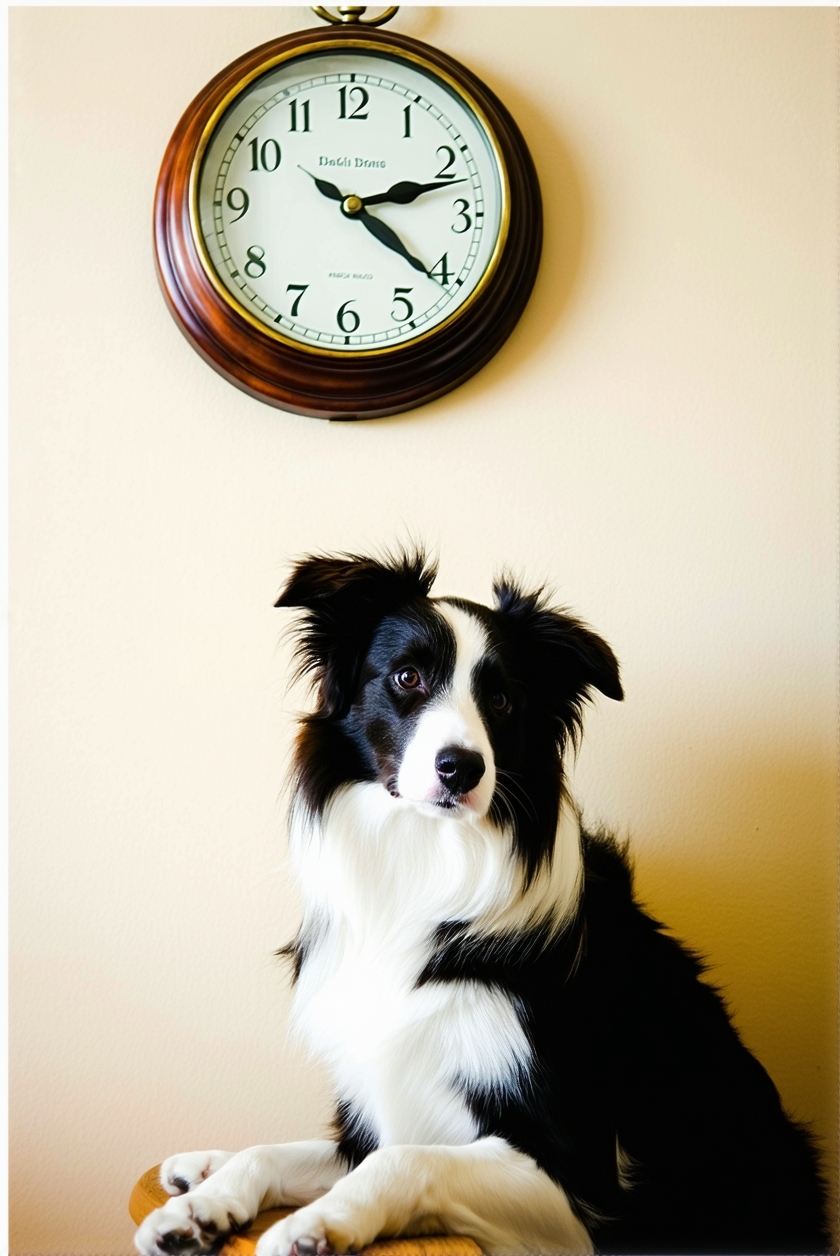
The right timing can make all the difference in your dog's vet experience. When scheduling vet visits, aim for mid-week or early morning slots to create a calmer environment for your anxious pets.
Pay attention to your furry friend's energy levels and book appointments when they're naturally more relaxed. For nervous pets, consider scheduling during less busy times, such as late morning or early afternoon.
You'll enjoy quicker check-ins and reduced waiting times, making the experience more comfortable for your pup. If your dog needs regular check-ups, try to maintain a consistent routine by booking appointments at the same time each month.
Don't hesitate to ask your vet clinic about their quietest periods – they'll be happy to help you find the perfect time slot that works best for your beloved companion.
Communicating Pet Concerns Effectively

Clear communication with your vet's office sets the foundation for your dog's successful healthcare journey. When booking your appointment, be specific about your health concerns, whether it's routine vaccinations or changes in your furry friend's behaviour. This will help ensure that your vet can provide the most tailored care for your pup's needs.
Before vet visits, take time to document any shifts in your dog's appetite, energy levels, or daily routines. Create a focused list of questions you'd like to discuss during the appointment – this helps your vet diagnose potential issues more effectively.
If your beloved companion experiences anxiety at the clinic, don't hesitate to communicate this in advance. Your vet's team can implement comfort measures to make the visit less stressful, guaranteeing a more positive experience for your four-legged family member.
Understanding Emergency vs. Routine Bookings

Knowing when to schedule a routine check-up versus rushing to an emergency appointment can make all the difference in your dog's health care.
When your furry friend shows signs of urgent health concerns, such as difficulty breathing, severe bleeding, or sudden lethargy, don't hesitate to request emergency bookings. Your vet's practice will prioritise critical cases and allocate immediate resources for your pup's care.
For scheduled check-ups and vaccinations, routine bookings help maintain your dog's overall health through preventive care.
Many clinics now offer convenient online booking systems that clearly distinguish between emergency and routine appointments, making the appointment process smoother.
Just remember to communicate clearly when booking an emergency visit—this guarantees your beloved companion receives timely attention when they need it most.
Maximizing Value From Each Appointment

Maximising Value From Each Appointment
Making every minute count during your dog's vet visit guarantees ideal care and value for both you and your four-legged friend. Before each appointment, create a detailed list of symptoms and behavioural changes you've noticed, ensuring your beloved companion receives thorough attention.
Bring all documentation, including vaccination records, to give your vet a complete picture of your pup's health journey.
Schedule visits during quieter hours when your furry friend can enjoy more focused care from the veterinary team. Prepare your questions in advance, prioritising the most pressing health concerns.
After the visit, don't hesitate to follow up for clarification about your dog's care plan—your understanding is essential for their wellbeing.
Coordinating Multiple Pet Checkups

While juggling multiple pets can be a scheduling challenge, coordinating their vet visits together offers both convenience and peace of mind.
You'll save time and energy by booking appointments for all your furry family members on the same day, especially during quieter hours when they'll enjoy a calmer experience at the clinic.
Before your pets' check-ups, create a detailed list of health concerns for each one, and keep thorough records of their vaccination histories and treatments.
This preparation helps your vet address everyone's needs efficiently.
You'll want to set up a shared calendar reminder system to track upcoming appointments and ensure you never miss an essential check-up.
Building a Long-Term Vet Visit Schedule
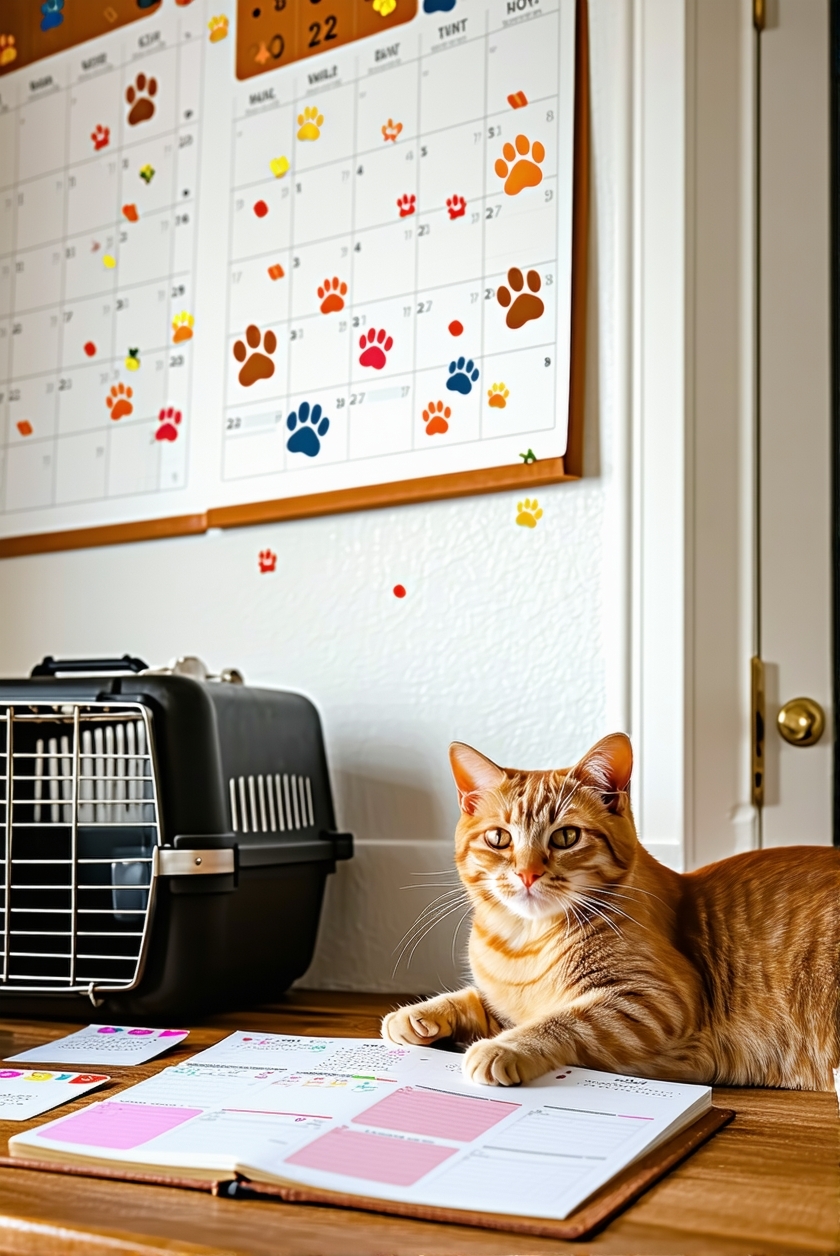
A thoughtfully planned vet schedule forms the foundation of your pet's long-term health care journey.
Start by mapping out annual check-ups with your vet, ensuring you're on track with vaccination timelines and booster shots. You'll want to mark these important dates on your calendar and set reliable reminders.
Keep a digital or physical journal to track your pet's health assessments and behavioural changes between appointments. This valuable information will help your vet provide more personalised care.
Take advantage of your clinic's online booking system to efficiently schedule seasonal check-ups, including spring consultations for flea and tick prevention and autumn wellness exams.
Frequently asked questions
What Is the Most Common Complaint in a Veterinary Clinic?
Your furry friend's skin troubles are the most common reason you'll visit the vet, accounting for 20-30% of all veterinary appointments.
If you've noticed your pup scratching, experiencing dry patches, or struggling with irritated skin, you're certainly not alone.
It's completely natural to feel concerned, but isn't it reassuring to know that your veterinarian frequently assists pet parents just like you in addressing these prevalent skin issues?
What Do Vets Do if You Can't Afford Treatment?
If you can't afford treatment, your vet will work with you to find solutions.
They'll often present multiple treatment options at different price points and may offer payment plans to help manage costs.
You can also inquire about sliding scale fees or local charitable assistance programmes.
Don't hesitate to discuss your financial concerns—vets want to help your furry friend and will explore every possible avenue to ensure they receive the care they need.
Why Are UK Vets so Expensive?
You'll find that veterinary costs in the UK reflect several key factors that ensure your furry friend receives the best care possible.
Your vet is investing in advanced medical equipment, extensive training, and skilled staff to provide exceptional treatment.
They're also contending with rising operational costs and a shortage of qualified professionals.
While it may seem expensive, you're paying for expertise that keeps your beloved pet healthy and safe, all backed by high medical standards.
What Do You Say When You Make a Vet Appointment?
Picture your furry friend's wagging tail as you pick up the phone – making that appointment is all about their well-being!
When you call, you'll want to share your pet's name, breed, age, and species first.
Then, explain what's prompted your call – whether it's time for vaccinations, a check-up, or if something's concerning you.
Don't forget to mention any allergies or past health issues, and you're all set!
To summarise
Your furry friend's health journey doesn't end at the vet's door. Think of each appointment as a stepping stone to a happier, healthier life together. By mastering the art of scheduling, staying organised, and communicating clearly, you're creating a tail-wagging experience that'll keep your pup bouncing back for more. You're not just booking appointments – you're building a lifelong partnership in your dog's wellness story.