Structure your dog’s day around consistent feeding, exercise, and potty breaks to create a balanced routine that aligns with their internal clock. Start with morning walks and breakfast at the same time each day, followed by mental stimulation through training or puzzle toys. Include 30-45 minutes of exercise, regular rest periods, and scheduled bathroom breaks after meals. Building this predictable schedule will improve your dog’s behaviour and well-being—discover how to customise these elements for your pet’s specific needs.
Some key takeaways
- Establish consistent feeding times 8-12 hours apart, with immediate potty breaks afterwards to maintain digestive health.
- Schedule 30-45 minutes of morning exercise followed by training to set a positive tone for the day.
- Incorporate mental stimulation through puzzle toys and training sessions between active periods.
- Balance activity with structured rest periods, adjusting duration based on your dog’s age and energy level.
- Create predictable potty break times, especially after meals, naps, and exercise sessions.
The Science Behind Your Dog’s Daily Clock
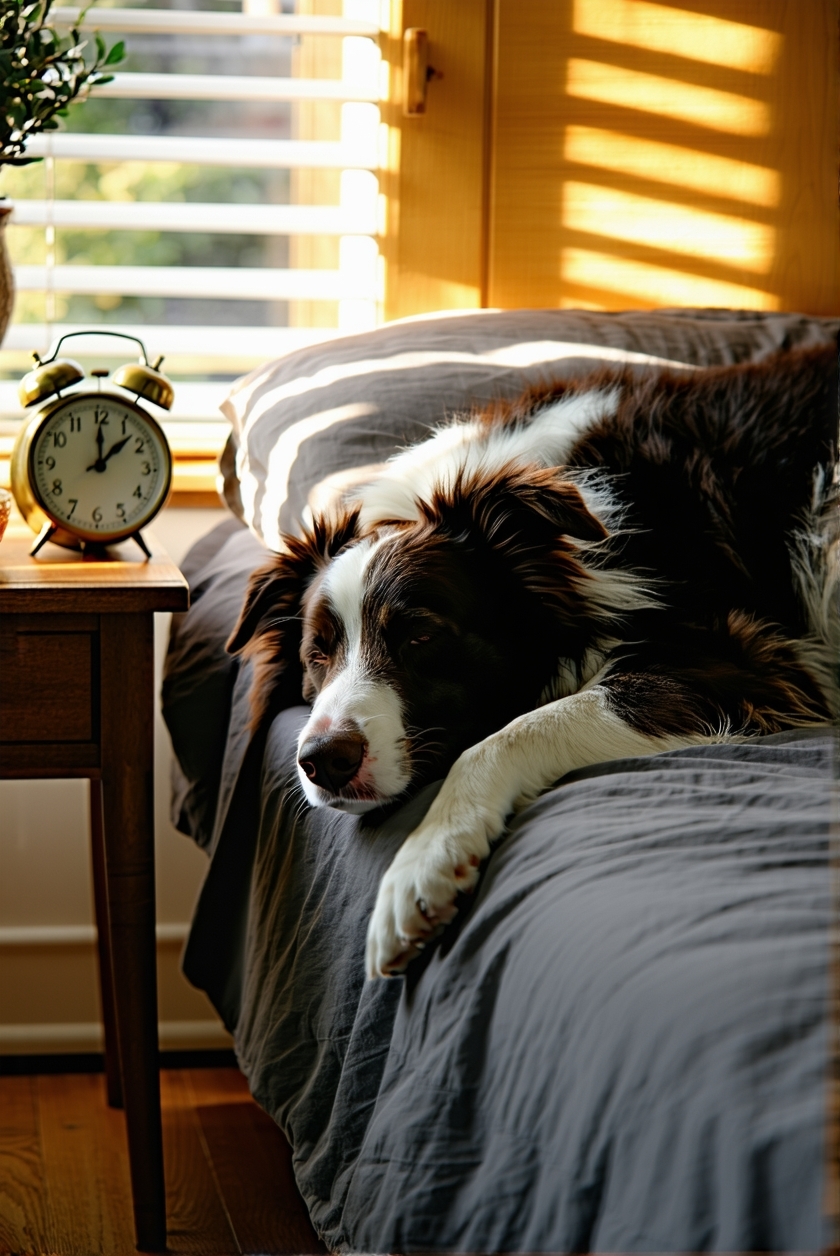
Why do dogs seem to know exactly when it’s time for dinner or their daily walk? Just like humans, your furry friend has an internal biological clock that guides their daily activities and behaviours throughout the day.
Dogs thrive on routine, and their bodies naturally align with predictable patterns of feeding times and exercise. When you establish a structured schedule, you’re working with your dog’s natural rhythms, helping them maintain ideal physical and mental health.
You’ll notice they often display predictable behaviours, like wanting to go out after meals or becoming energetic at specific times.
Essential Components of a Well-Structured Dog Day
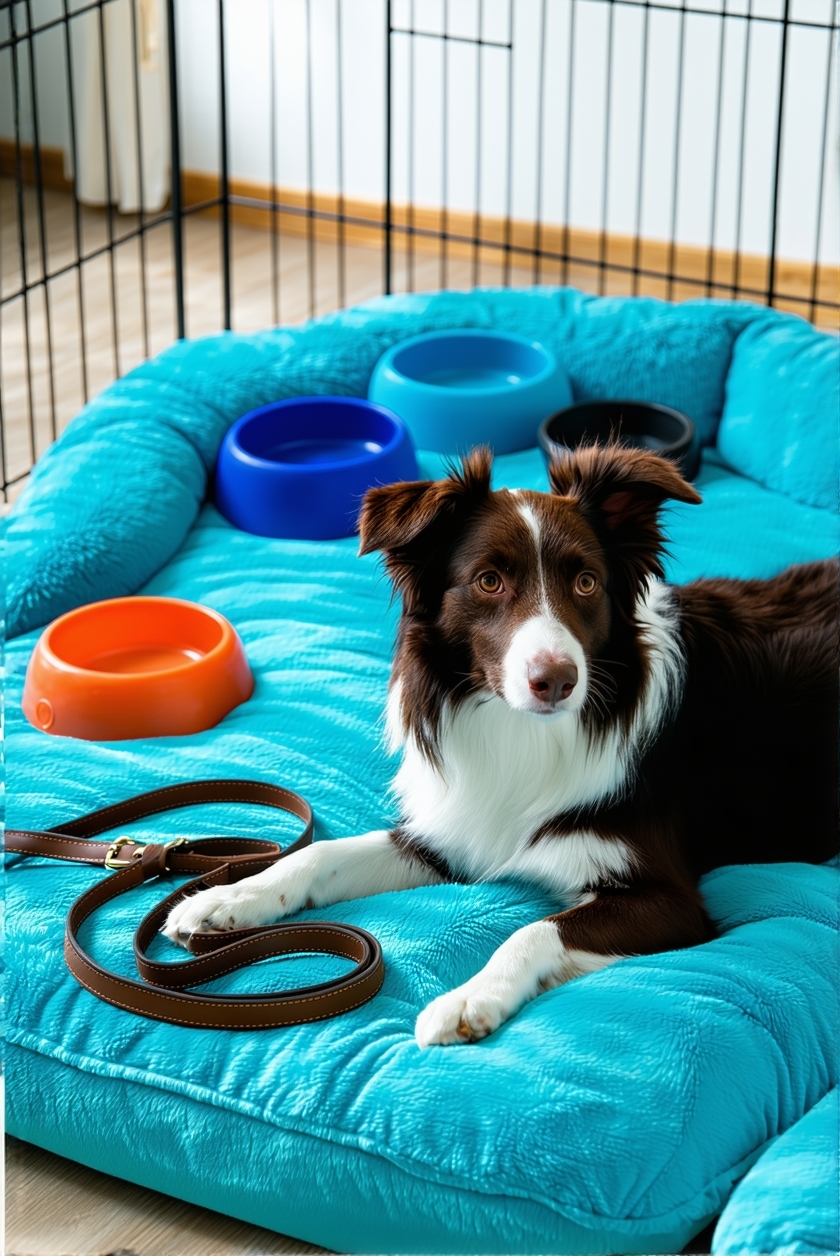
Five key elements form the foundation of a well-structured dog day: feeding, exercise, potty breaks, mental stimulation, and rest periods.
To create an effective daily routine, you’ll want to establish a consistent feeding pattern with two meals spaced 8-12 hours apart. Ensure you’re dedicating 30-45 minutes to physical activity through walks, playtime, or training sessions.
Schedule regular potty breaks, particularly after meals and naps, to help your dog develop reliable bathroom habits.
Don’t forget about mental stimulation—incorporate puzzle toys and training sessions throughout the day to keep your dog’s mind sharp.
Finally, establish a calming evening routine to help your furry friend wind down.
Morning Routines That Set Your Dog Up for Success
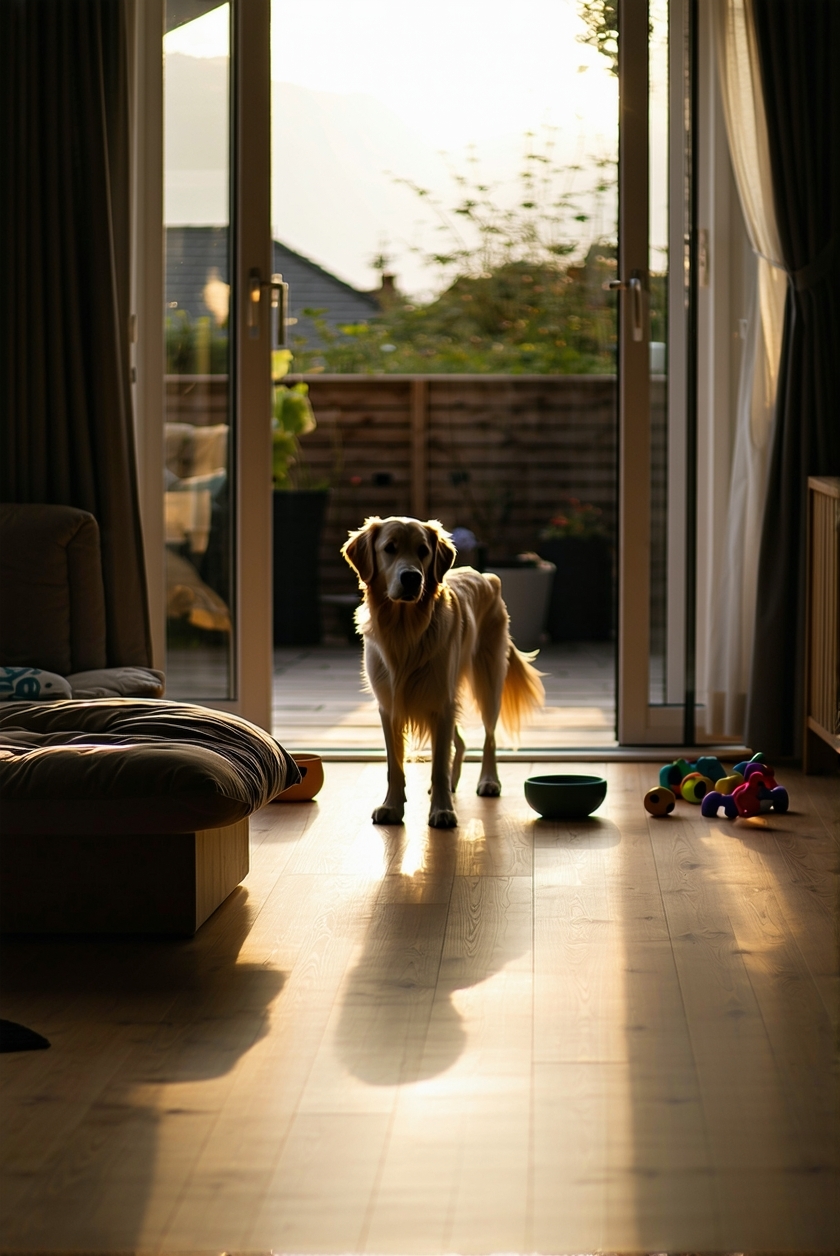
Starting your dog’s day with a consistent morning routine creates a foundation for balanced behaviour and emotional well-being. Your pup thrives on predictability, so establish a schedule that includes a potty break, exercise, and feeding at the same times each morning.
Begin with energetic activities like fetch or running for 30 minutes, followed by short training sessions to provide mental stimulation.
Here’s why your morning routine matters:
- Exercise releases excess energy and promotes calm behaviour throughout the day.
- Training sessions strengthen your bond and reinforce obedience while engaging your dog’s mind.
- Consistent feeding times after a sit command establish structure and help your dog settle before crate time.
Remember to allow time for a post-breakfast potty break to ensure your dog’s comfort and digestive health.
Balancing Exercise and Rest Periods
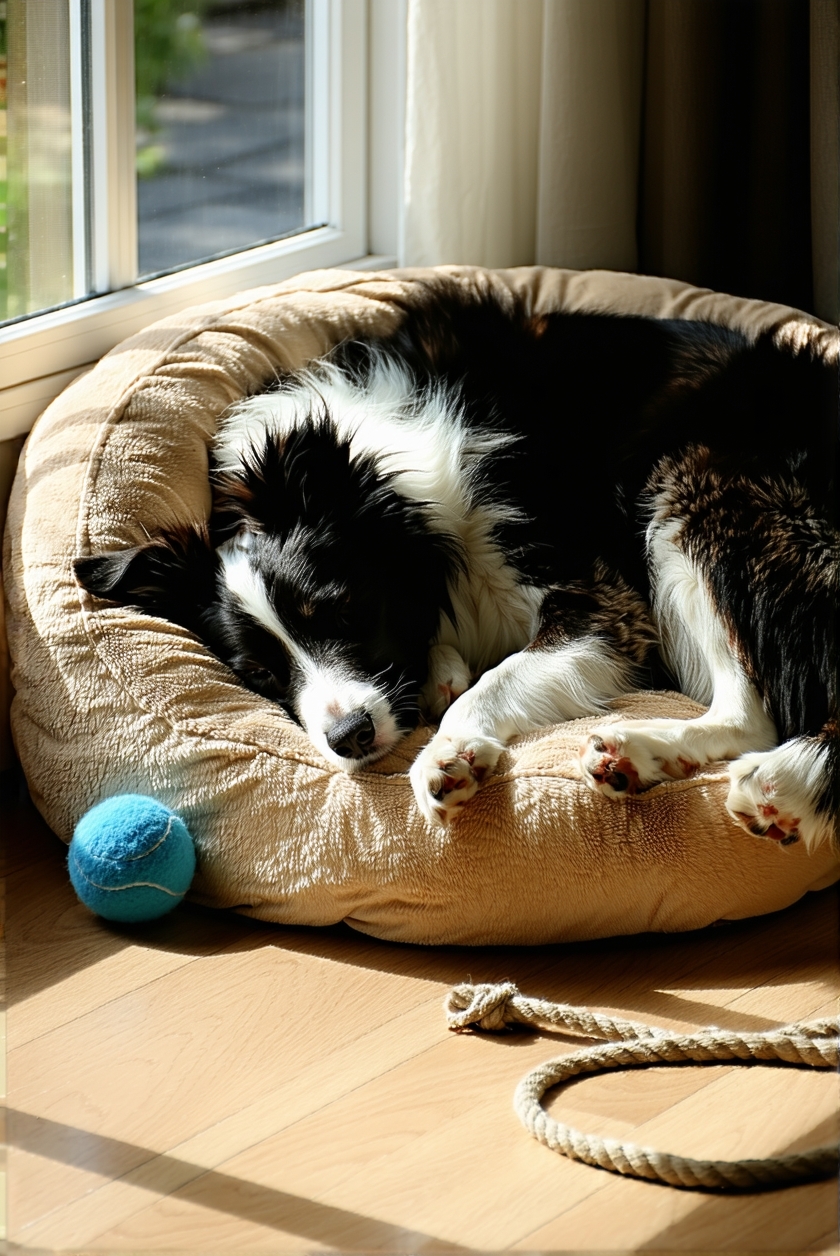
A well-structured balance between exercise and rest keeps your dog both physically fit and mentally balanced. Plan for 30-45 minutes of daily exercise, incorporating mental stimulation through play to prevent destructive behaviours.
You’ll want to establish a consistent routine that helps your furry friend understand their daily schedule.
Remember that high-energy dogs need structured cool-down periods after exercise to shift from activity to calmness. If you have puppies, break up their exercise into shorter bursts, as they’ll need frequent rest periods due to their limited attention spans.
For older dogs, focus on gentle activity with plenty of breaks to maintain their health without overdoing it. This thoughtful balance between movement and rest helps reduce anxiety while keeping your dog happy and well-behaved throughout the day.
Mealtime Strategies for Peak Health
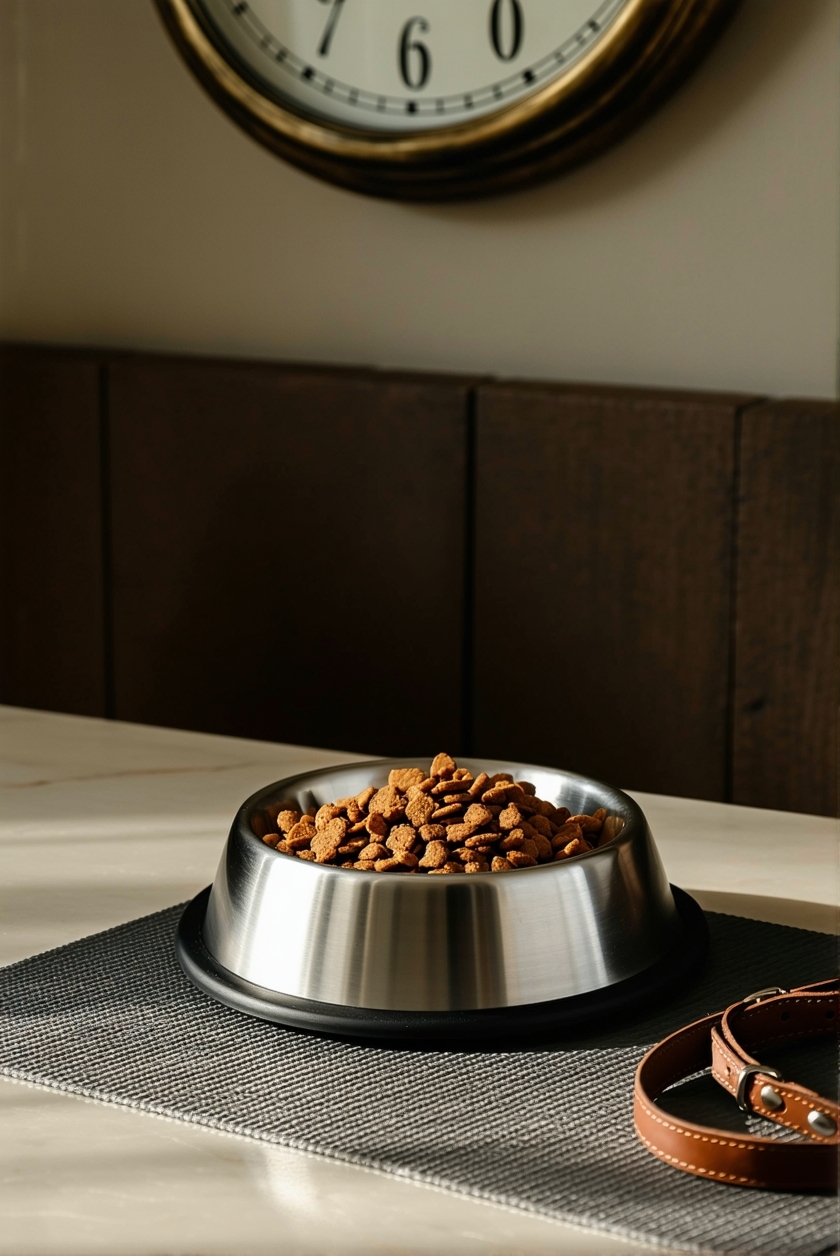
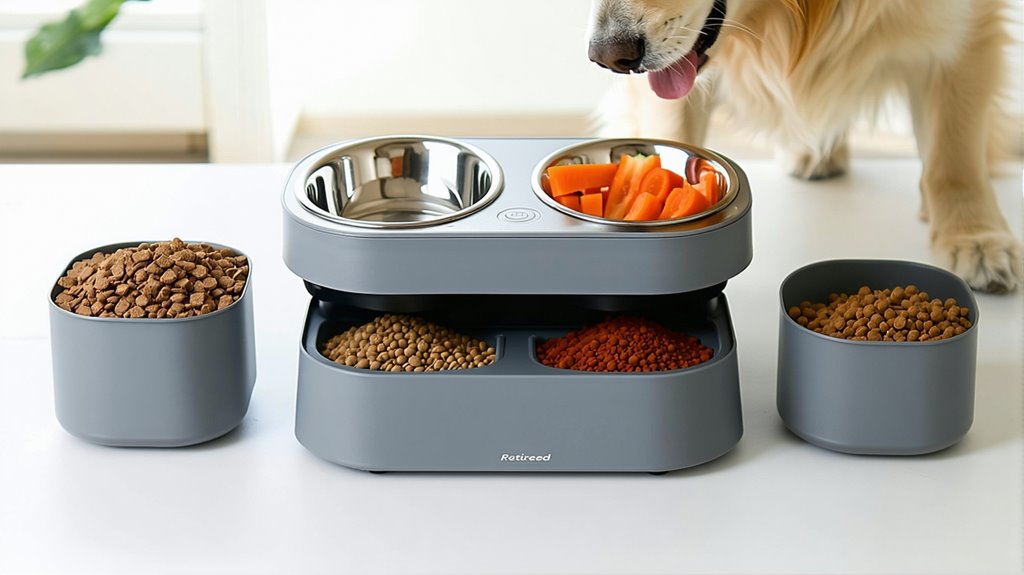
Establishing consistent feeding times forms the cornerstone of your dog’s daily routine and overall health. By feeding your furry friend at specific times, approximately 8-12 hours apart, you’ll support healthy digestion and maintain steady energy levels throughout the day.
An established routine helps reduce anxiety while ensuring your dog knows exactly when to expect their next meal.
- Schedule bathroom breaks immediately after meals, as dogs need to eliminate shortly after eating.
- Use a puzzle feeder during mealtime to provide mental stimulation and extend feeding duration.
- Plan the last meal well before bedtime to allow for proper digestion and evening potty breaks.
Consistent meal times create predictability in your dog’s day, fostering better behaviour and stronger bonds.
Remember that mealtime strategies aren’t just about nutrition – they’re opportunities to enhance your dog’s overall well-being.
Smart Solutions for Working Pet Parents
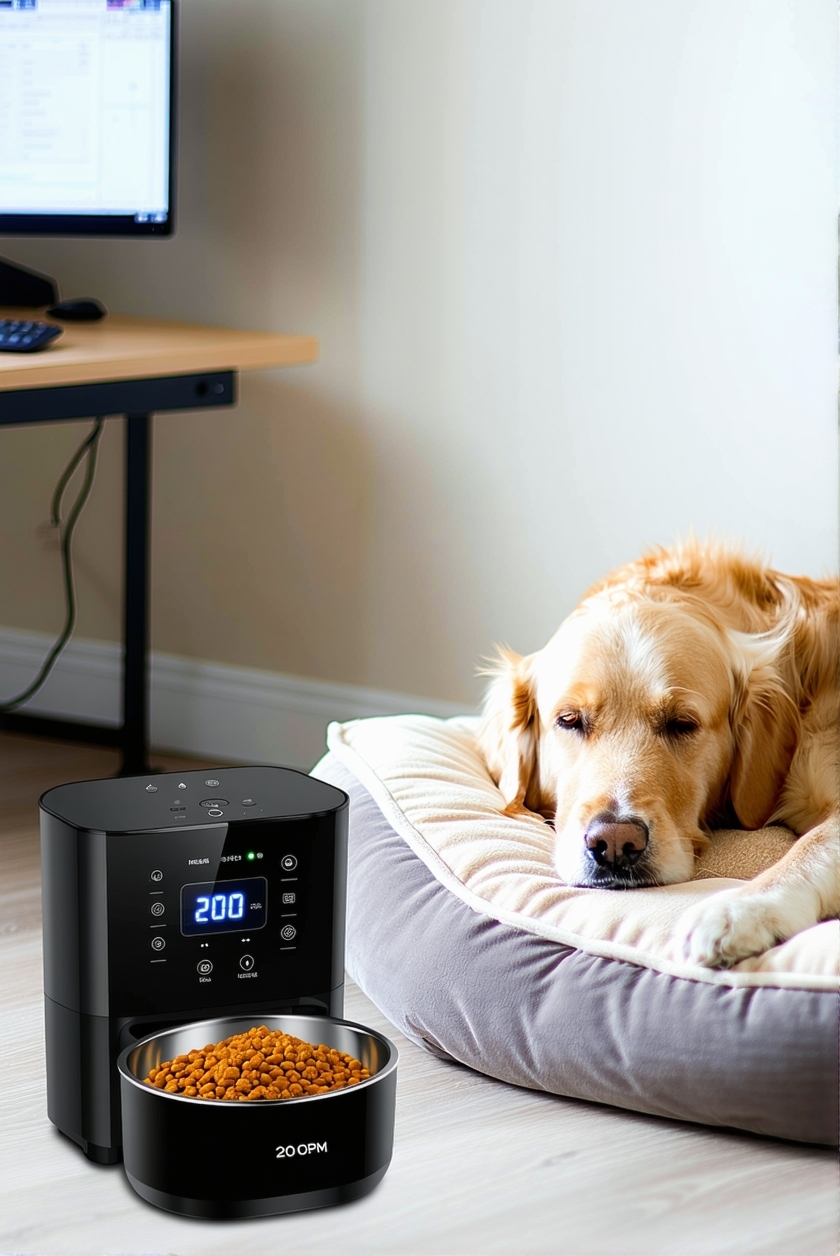
Professional pet parents face unique challenges when balancing work commitments with their dog’s daily needs. By implementing smart solutions, you’ll create a schedule that works for both you and your adult dog.
Start by establishing a consistent routine that includes structured crate time during work hours, providing your dog with a secure space to relax. Consider hiring a dog walker for essential midday breaks, ensuring your pup stays active and maintains healthy bathroom habits.
Transform feeding time into an engaging activity using puzzle toys, which keep your dog mentally stimulated throughout the day.
Don’t forget to prioritise evening engagement after work. Dedicate time for training sessions and interactive activities that strengthen your bond.
These daily interactions not only reinforce positive behaviours but also help your dog thrive in a structured environment, even when you’re away.
Adapting Schedules for Different Life Stages
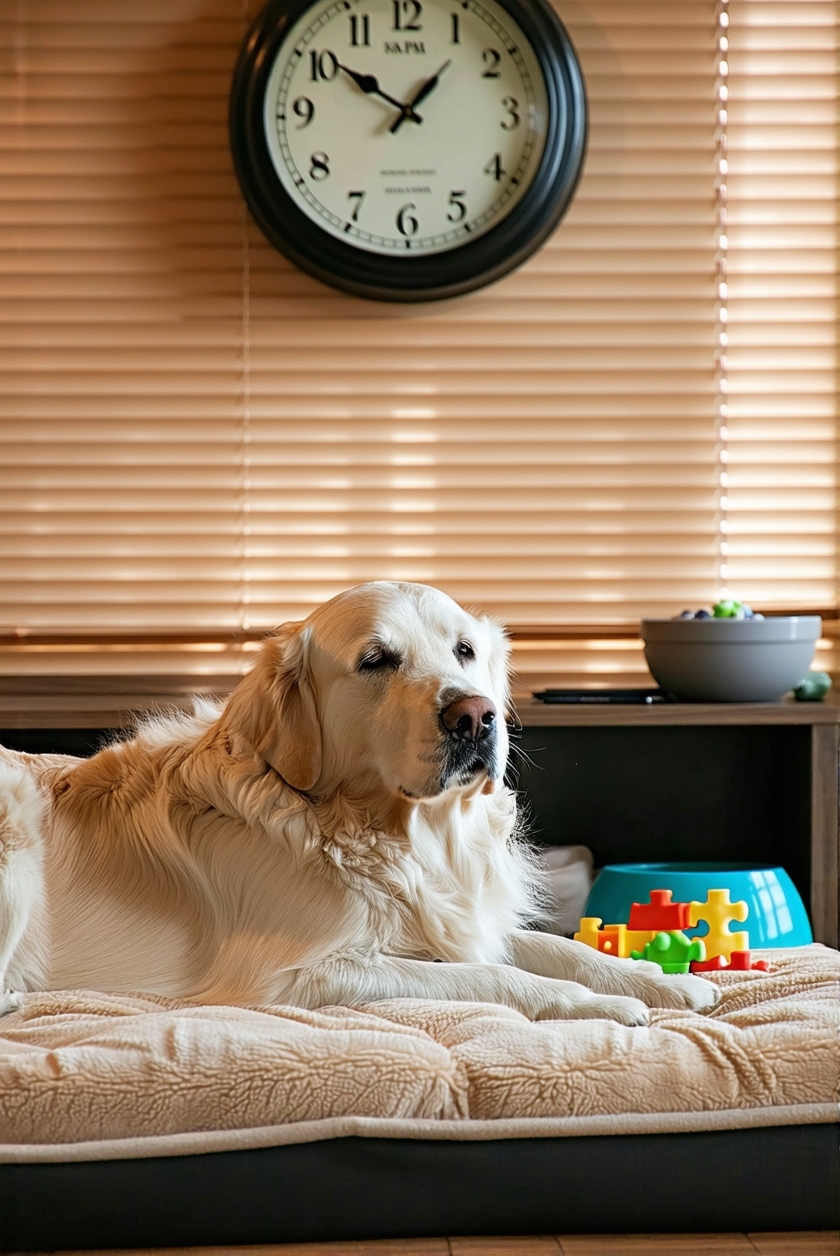
Just as your dog’s needs evolve throughout their life, their daily schedule must adapt accordingly. Your young puppy requires frequent bathroom breaks and multiple small meals, while adult dogs thrive on two daily visits to their food bowl. Senior dogs might need additional potty breaks due to health conditions, making flexibility in the schedule essential.
- Create designated training rewards and exercise times that match your dog’s energy level – more frequent for puppies, structured for adult dogs, and gentler for seniors.
- Plan consistent bathroom breaks that align with your pet’s life stage – every 2 hours for puppies, 3-4 times for adults, and more often for seniors.
- Schedule quality time with their human throughout the day, adjusting intensity and duration based on age – from short, frequent puppy interactions to calm, reassuring sessions for older dogs.
Frequently asked questions
What Is the Best Daily Routine for a Dog?
Begin your dog’s day with a morning walk followed by breakfast, and then allow time for a bathroom break.
Aim to schedule two main meals approximately 8-12 hours apart, ensuring that feeding times remain consistent.
Incorporate 1-2 daily exercise sessions, alternating between walks and playtime.
To add mental stimulation, consider engaging in training sessions or providing puzzle toys.
Conclude your evening with a gentle walk and another potty break.
What Schedule Should I Put My Dog On?
Start your dog’s day with a morning meal and potty break around 7 AM, followed by a brisk walk.
Schedule a second meal around 6 PM, with another walk afterwards.
You’ll want to include 2-3 additional potty breaks throughout the day.
Set aside 15-30 minutes for training or play sessions between meals.
Conclude your day with a final potty break around 10 PM, creating a calming bedtime routine your pup can rely on.
How Do I Give My Dog the Perfect Day?
Your dog will think they’ve died and gone to heaven with this perfect daily routine!
Start their morning with a revitalising walk and some training fun, followed by a nutritious breakfast.
Keep them engaged throughout the day with interactive play and short training sessions.
Don’t forget those essential potty breaks and social time.
End their evening with a cosy dinner, gentle cuddles, and a final potty break before bedtime.
What Is a Good Eating Schedule for Dogs?
For adult dogs, it’s advisable to establish a consistent twice-daily feeding schedule, spacing meals 8-12 hours apart.
Feed your furry friend their first meal in the morning, around 7-8 AM, followed by an evening meal between 5-7 PM.
If you have a puppy, they’ll need 3-4 smaller meals throughout the day.
Don’t forget to follow each meal with a potty break – your pup’s digestion will thank you!
Clocking off
Like a conductor leading a symphony, you’re now equipped to orchestrate your dog’s daily routine with precision and purpose. When you align your pup’s schedule with their natural rhythms, you’ll create harmony that extends far beyond basic care. Remember, you’re not just managing time – you’re crafting a life that nurtures your dog’s wellbeing. Take these tools and compose a daily masterpiece that will have your four-legged friend thriving.