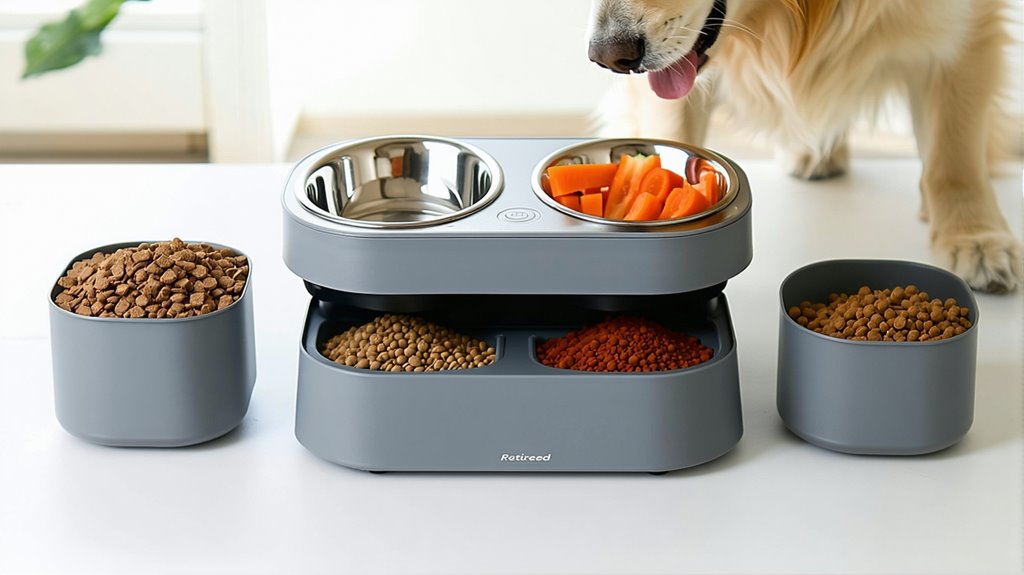
Working while dog-parenting presents the challenge of constantly splitting your attention between professional obligations and your pet's needs. You will encounter frequent interruptions for bathroom breaks, training sessions, and essential care routines approximately every 20 to 30 minutes, particularly during the first 18 months. Implementing time-blocking strategies, establishing a support network, and utilising technological solutions can assist you in managing this delicate balancing act. By understanding these core challenges, you will be better equipped with the tools to successfully navigate both roles.
Some key takeaways
- Frequent bathroom breaks and constant supervision requirements disrupt workflow, making it challenging to maintain professional productivity.
- Time management becomes complex as you balance work deadlines with essential dog care activities like walks and feeding.
- New puppies demand extensive training and attention during work hours, creating stress and divided focus.
- Working professionals often experience guilt and anxiety about leaving their dogs alone during long workdays.
- Limited flexibility in work schedules conflicts with unpredictable dog needs, requiring additional support systems or services.
The Reality of Split Attention: Managing Work Tasks and Dog Needs

While working professionals increasingly embrace dog parenthood, the demands of splitting attention between career responsibilities and pet care create unique challenges.
As you work from home, you may find yourself dealing with frequent interruptions, with puppies requiring bathroom breaks every 20-30 minutes and constant supervision during training.
Your workday transforms into a delicate balancing act, where you must weave time with your dog into your professional schedule.
Like many dog owners, you'll discover that establishing consistent routines for walks and feeding becomes vital for maintaining productivity.
Strategic breaks for mental stimulation and playtime not only benefit your furry companion but also provide you with essential mental resets.
Time-Block Strategies for Balancing Professional Life With Pet Care
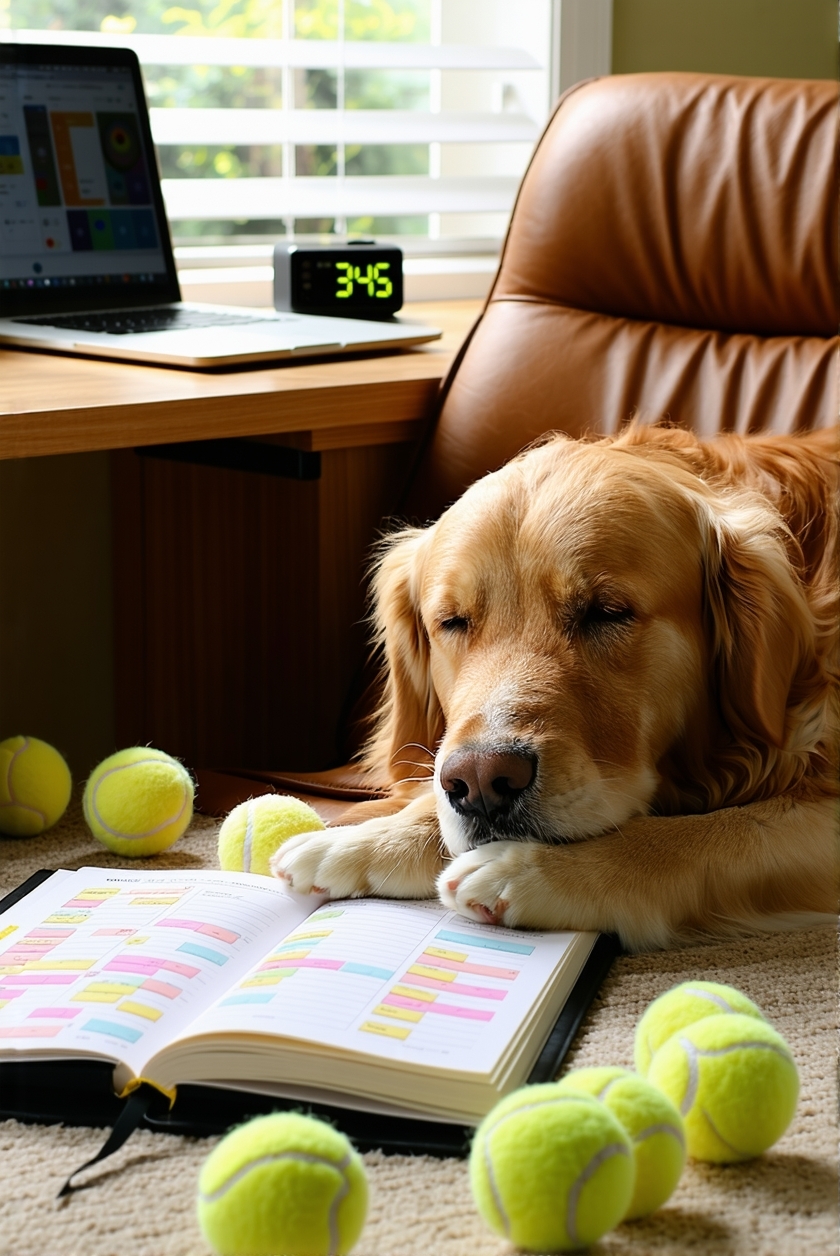
A well-structured time-blocking system offers the solution to managing both work responsibilities and pet care effectively.
You'll find that allocating specific time slots for focused work, while deliberately scheduling breaks for your dog's needs, creates a harmonious daily flow. By establishing consistent blocks for puppy walks, training sessions, and playtime, you're building a predictable routine that helps your four-legged friend feel secure.
Your time-blocking strategy should include regular reviews and adjustments to guarantee you're meeting both work deadlines and your dog's requirements.
This intentional approach eliminates the guilt of neglecting your pet during busy workdays. You'll discover that by integrating dedicated dog care periods into your schedule, you can maintain productivity while nurturing your bond with your furry companion.
Setting Realistic Expectations About Work-from-Home Pet Parenting

Initiating work-from-home pet parenthood requires setting clear, achievable expectations from day one.
As a puppy parent, you'll need to embrace the reality that your first 18 months will involve frequent interruptions while working from home. Your new companion will demand bathroom breaks every 20-30 minutes until properly house trained.
Accept that you can't maintain the same rigid work schedule you'd before. Instead, create a flexible routine that accommodates both your professional responsibilities and dog training needs.
Don't let guilt overwhelm you when juggling these demands – it's completely normal to feel stretched thin. Consider enlisting support through dog walkers, daycare services, or family members to help maintain your productivity.
Creating a Support Network for Your Dog's Daily Care
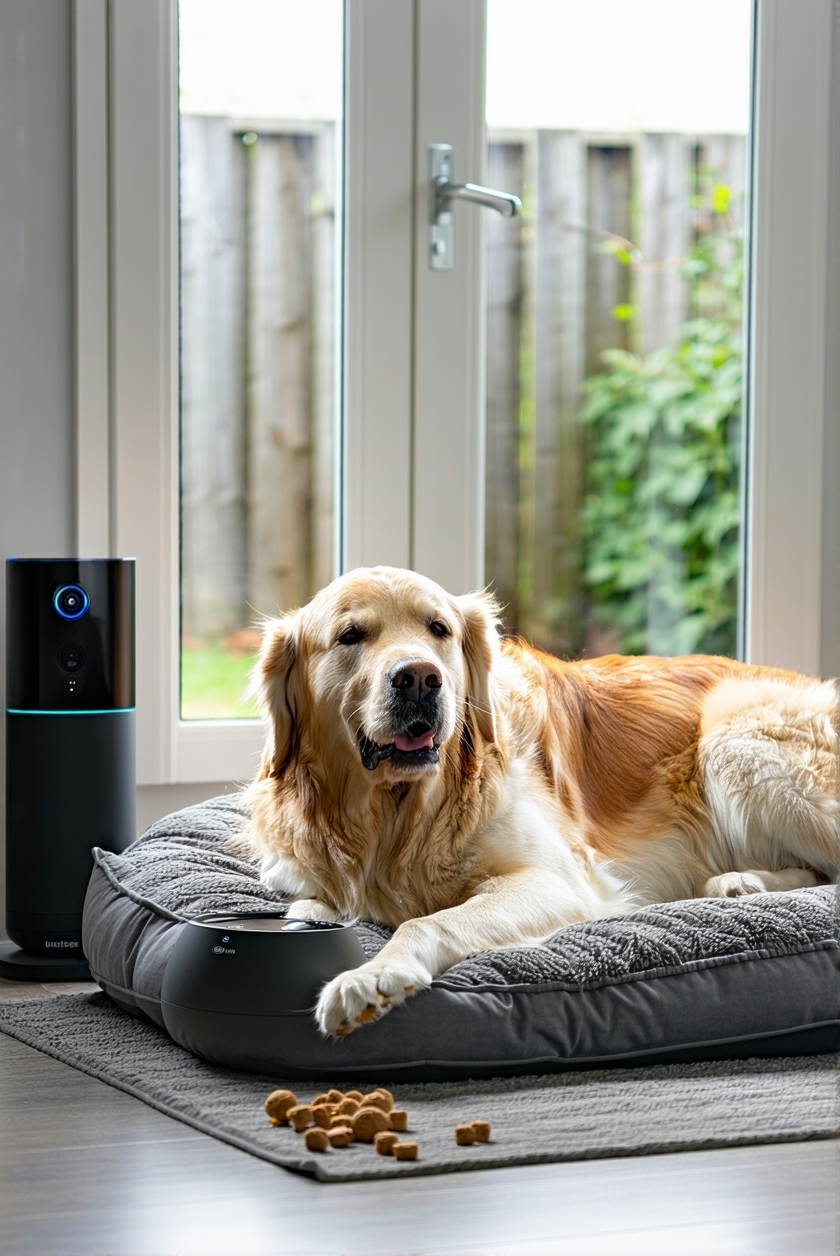
Building a strong support network for your dog's care transforms solitary pet parenting into a collaborative effort that benefits both you and your furry friend.
Don't hesitate to reach out to professional dog walkers, fellow pet owners, and trusted family members who can help maintain your pup's routine during long periods of time away from home.
Consider establishing relationships with reliable dog walking services that can provide structured exercise and socialisation while you're at work.
You'll find that organising regular playdates or enrolling in doggie daycare creates valuable opportunities for your dog to interact with other pets, making crate training more effective and reducing separation anxiety.
Connect with neighbouring dog owners to swap walking duties and share responsibilities, creating a dependable community that ensures your dog receives consistent care and attention throughout the day.
Maximizing Remote Work Flexibility for Better Dog Care
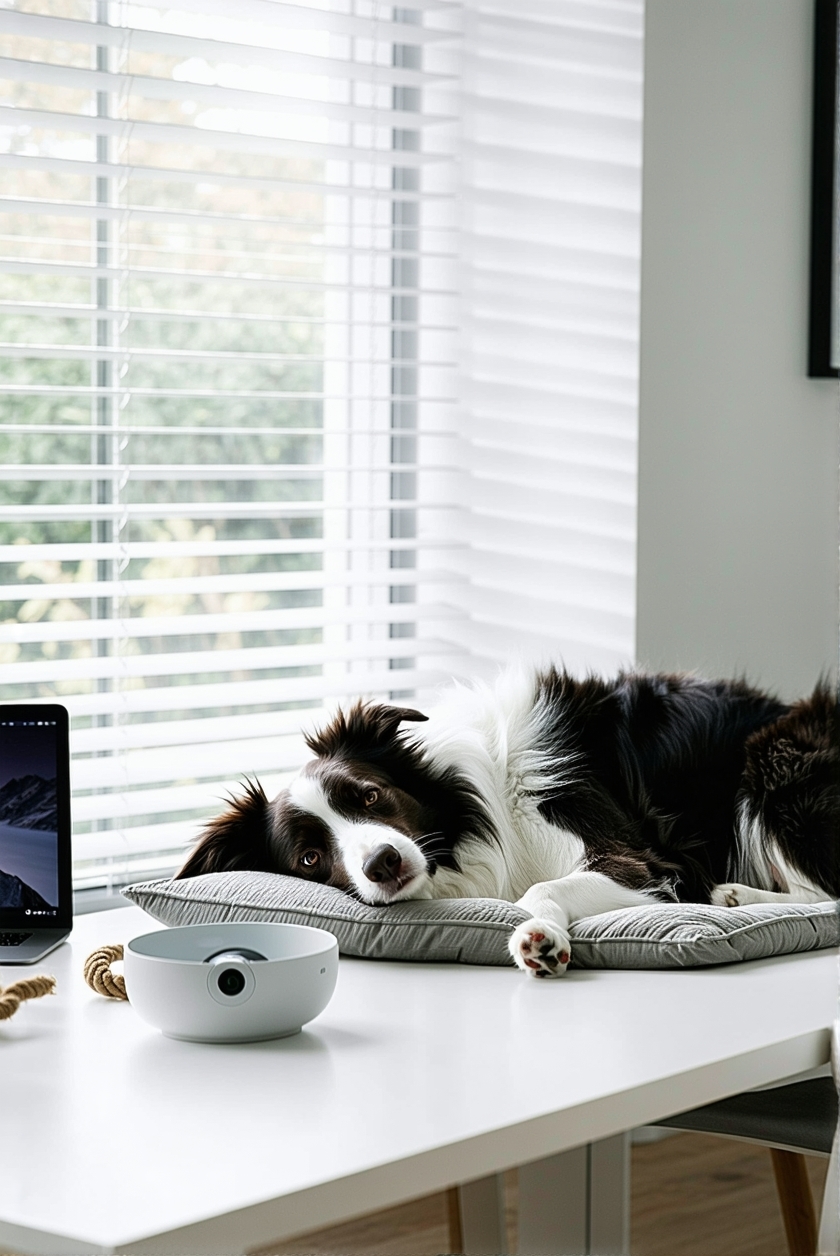
Remote work presents an unmatched opportunity to strengthen your bond with your dog while maintaining professional excellence.
You'll need to harness this flexibility strategically to keep your dog happy and healthy. Structure your day to include a break in the middle for walks and playtime, which energises both you and your furry companion before heading back to work.
For new dogs especially, utilise technology like pet cameras to monitor their adjustment while you're focused on tasks.
Time-blocking proves essential – schedule important meetings around your dog's established routines, and consider automated feeders to maintain consistent meal times.
When deadlines loom, don't hesitate to enlist professional support through dog walkers or daycare services.
This balanced approach guarantees your dog receives proper care while you excel in your remote career.
Financial Planning for Professional Dog Parents

While raising a dog brings immeasurable joy, smart financial planning ensures you're prepared for both routine and unexpected expenses.
You'll need to budget £400-£1,200 annually for essential pet care expenses, covering food, grooming, and routine veterinary visits.
Don't forget to maintain an emergency fund for unexpected vet visits, which can reach £800 or more.
Consider investing in pet insurance, with monthly premiums ranging from £25-£60, to protect against major health expenses.
If you're working full-time, factor in dog walker or daycare costs, which can range from £12-£40 daily.
Set aside funds for training classes and enrichment activities, typically £80-£250, to ensure your pup develops good behaviour.
Building Effective Daily Routines That Work for Both

Successful dog parenting requires a well-structured daily routine that aligns with your work schedule. When you're working full-time, it can be challenging to balance your professional responsibilities with your furry friend's needs, but you can make it work by establishing consistent patterns.
Ensure you're scheduling walks, meals, and playtime at the same hours each day, even if it means incorporating these activities into your work breaks.
Adjusting to a new rhythm doesn't have to be overwhelming. You can utilise technology such as pet cameras and interactive toys to keep your dog engaged while you're busy.
Build a support network of dog walkers and friends who can help share responsibilities. By synchronising your work schedule with your dog's needs, you'll create a harmonious routine that benefits both your career and your role as a pet parent.
Technology Solutions for Working Dog Parents

Modern technology has revolutionised the way working professionals care for their dogs, offering innovative solutions that bridge the gap between office life and pet parenting.
Interactive pet cameras allow you to check in on your furry friend throughout the day, dispense treats, and even speak to them when you're missing their wagging tail.
You'll find scheduling apps invaluable for managing your pup's daily routine, while automated pet feeders ensure they're receiving proper nutrition at consistent times.
GPS tracking collars provide real-time updates on your dog's location and activity levels, so you'll always know they're safe and getting enough exercise.
When you need guidance, online training resources offer expert advice and connect you with fellow working dog parents who understand your challenges, making the balance between work and pet care more manageable.
Frequently asked questions
Can I Leave My Dog Alone for 8 Hours While I Work?
While you can leave your dog alone for 8 hours, it's essential to prepare them properly.
Begin by gradually increasing their alone time and creating a comfortable space with engaging toys.
If your pup is under a year old or shows signs of anxiety, you may want to arrange for a midday dog walker or consider doggy daycare.
What Is the Hardest Stage of Owning a Dog?
The puppy stage, which can last up to 18 months, will truly test your patience and commitment.
You'll endure sleepless nights, frequent potty breaks every 20-30 minutes, and the demanding process of training and socialisation.
In those initial days, you may find yourself in the "What Was I Thinking?!" phase, feeling overwhelmed and uncertain.
However, rest assured that these challenges are temporary.
As you establish routines, your puppy will mature, and life will become significantly more manageable.
Should I Leave the TV on for My Dog While I'm at Work?
Yes, you should leave the TV on for your dog!
It's a simple yet effective way to provide comfort while you're away. Your furry friend will benefit from the background noise and human voices, which can reduce anxiety and loneliness.
Choose calm, pet-friendly programming and keep the volume at a moderate level.
Just watch your dog's reaction first – while most pups enjoy TV companionship, some might find it overstimulating. Adjust the content based on their response.
How Do I Keep My Dog From Being Bored While I'm at Work?
You can keep your dog engaged while you're at work by providing interactive puzzle toys and treat-dispensing feeders that challenge their mind.
Start their day with a vigorous walk or play session to burn off energy.
Consider hiring a dog walker for midday breaks or enrolling them in doggy daycare for socialisation.
Set up a pet camera to check in and interact remotely.
Create a consistent routine with designated meal times and activities to help them feel secure.
To summarise
Like juggling flaming torches, balancing work and dog parenting demands skill, practice, and courage. You'll succeed by embracing smart routines, leveraging technology, and building a reliable support network. Don't let guilt overshadow your efforts – you're creating a life that works for both you and your furry family member. With proper planning and realistic expectations, you'll master this challenging but rewarding dual role.