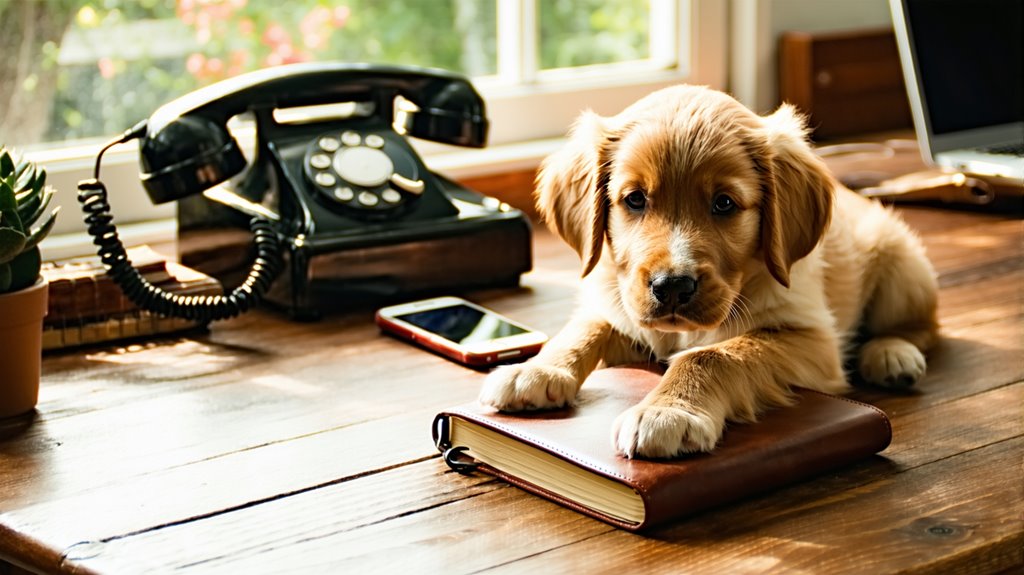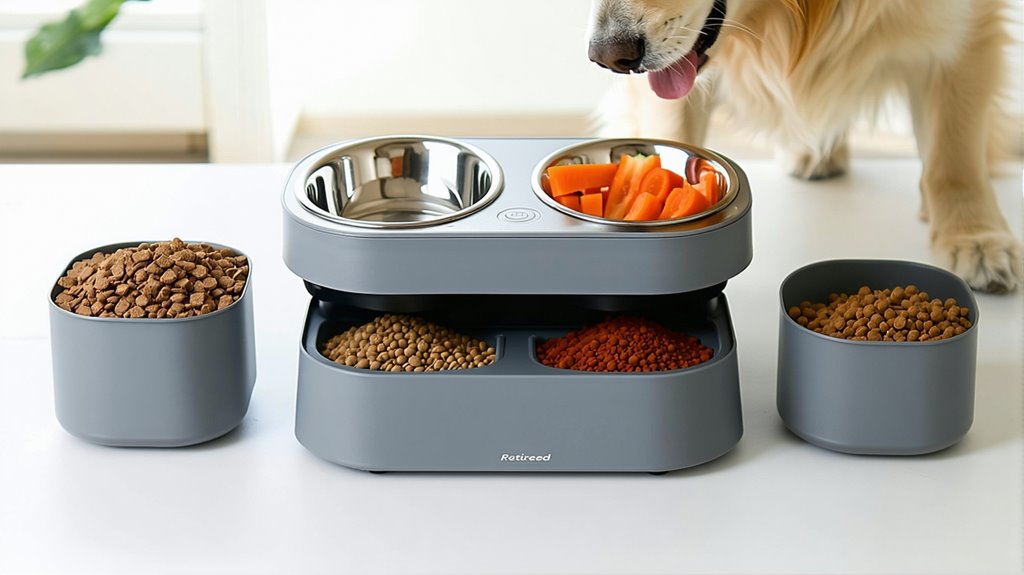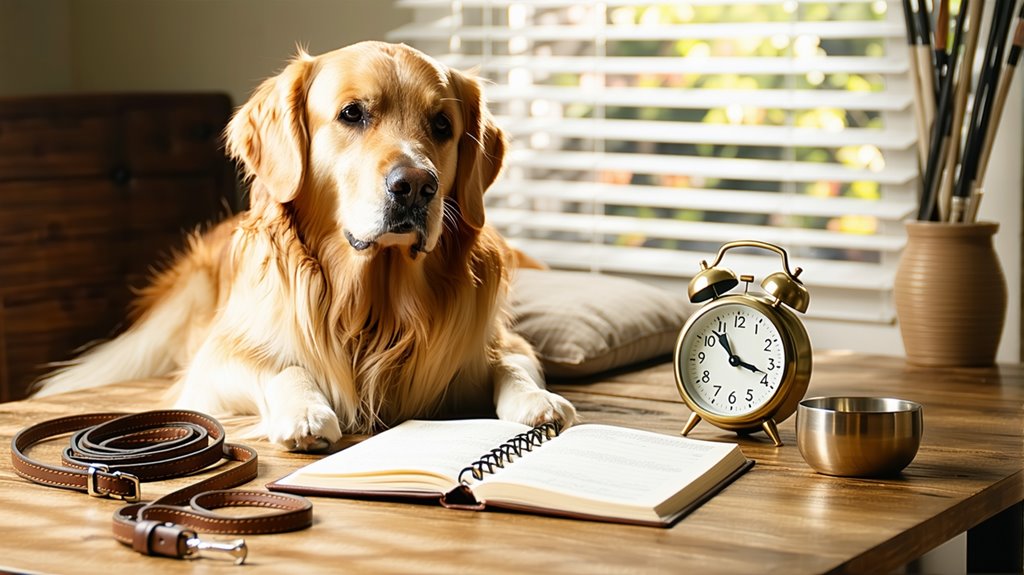
Structure your day around your dog’s essential needs by establishing consistent wake-up times, feeding schedules, and potty breaks. Plan regular exercise windows of 30-45 minutes, spacing them throughout the day for ideal energy release. Set meal times 8-12 hours apart, typically around 7 AM and 7 PM, and coordinate work hours accordingly. Don’t forget to include mental stimulation through training or puzzle toys. A well-planned routine leads to a happier, more balanced life for both you and your furry companion.
Some key takeaways
- Set a consistent wake-up time aligned with your dog’s feeding schedule, typically between 7:00 and 8:00 AM, followed by potty breaks.
- Schedule regular exercise windows totalling 30 to 45 minutes daily, split into manageable sessions during the cooler hours.
- Space meal times 8 to 12 hours apart and maintain consistent feeding times to support your dog’s digestive health.
- Plan potty breaks every 2 to 4 hours throughout the day, with extra attention after meals and exercise sessions.
- Balance weekend activities and special events by maintaining regular meal times while extending exercise and bonding opportunities.
Setting Up Your Morning Wake-Up Schedule

When establishing a morning routine with your dog, consistency is key to success. You’ll want to set your alarm for the same time each day, allowing enough time to tend to your furry friend’s needs within 30 minutes of waking.
Your morning routine should align with your dog’s natural feeding schedule, typically between 7-8 AM. After breakfast, take your pup out for a potty break, followed by 30 minutes of exercise through a brisk walk or engaging playtime. This helps your dog burn energy and sets a calm tone for the day ahead.
Don’t forget to incorporate mental stimulation into your feeding routine. A quick training session or puzzle toy can strengthen your bond while keeping your dog’s mind sharp.
This structured approach guarantees both you and your pet start each day on the right paw.
Planning Regular Exercise Windows
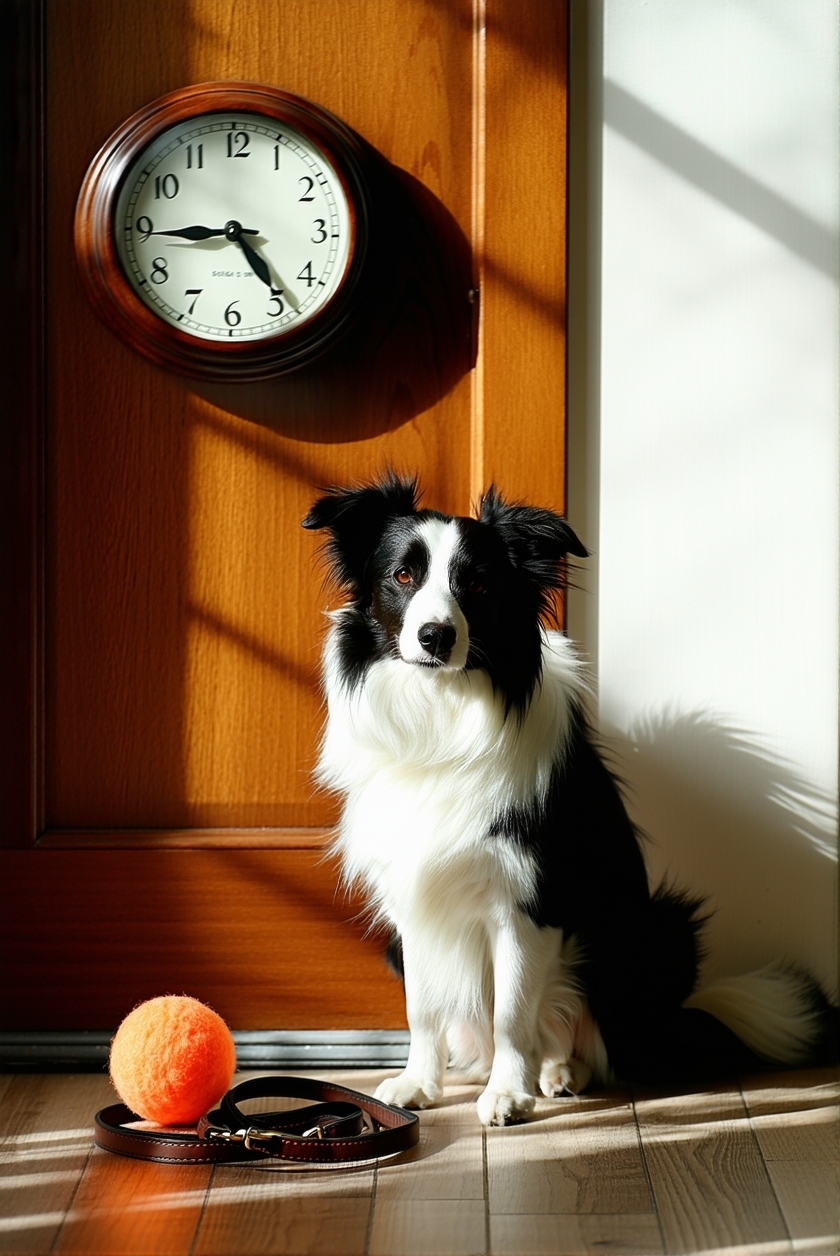
Because regular exercise is essential for your dog’s physical and mental well-being, establishing consistent activity windows throughout the day will help maintain their health and happiness.
Aim to dedicate 30-45 minutes of daily exercise, breaking it into manageable sessions that fit your schedule.
Start your daily routine with a morning walk or play session to set a calm tone for the day. After physical activities, spend 15 minutes on mental stimulation through puzzle toys or training exercises to strengthen your bond.
Remember to adjust your exercise plan based on your furry friend’s specific needs – high-energy breeds might require more vigorous activities, while older dogs may need gentler sessions.
During hot weather, schedule activities during cooler hours to protect your dog from heat exhaustion while still meeting their exercise requirements.
Coordinating Meal Times and Work Hours

Establishing a consistent feeding schedule that aligns with your work hours is essential for your dog’s digestive health and emotional well-being.
Plan to space out your pup’s meals 8-12 hours apart, with breakfast before you head to work and dinner after you return home. If you work typical hours, consider a 7 AM and 7 PM routine to maintain this ideal spacing.
Don’t forget to factor in potty breaks after meals, especially during your morning routine.
If your dog needs three meals daily, you’ll want to sync their feeding times with your own schedule – breakfast, lunch break, and dinner.
Creating Breaks for Potty Time
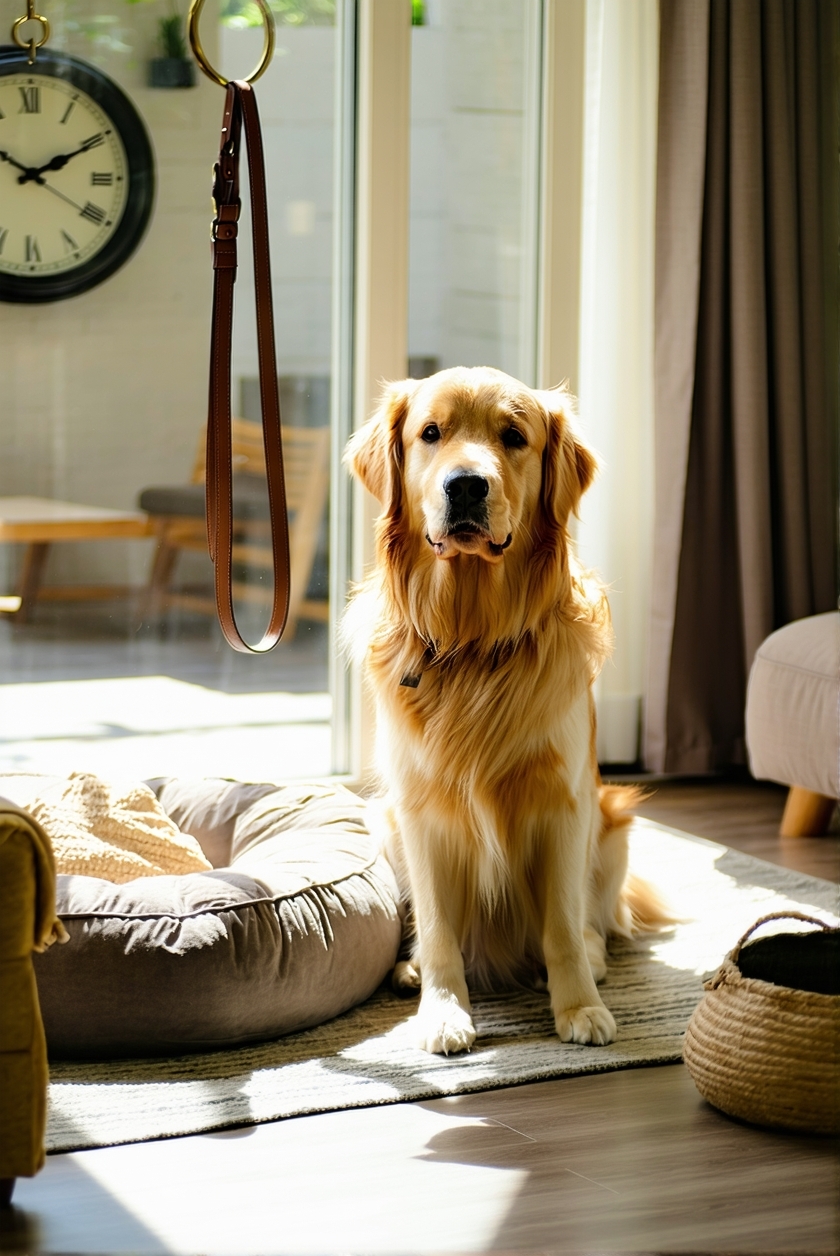
Regular potty breaks form the foundation of a well-structured daily routine with your dog. Your daily schedule should include potty opportunities every two to four hours, ensuring your furry friend stays comfortable and maintains good bathroom habits.
A routine is essential, especially after mealtimes and play sessions when your dog is most likely to need relief. Make these breaks consistent and predictable—your dog will quickly learn to anticipate and rely on these designated times.
While you’re supervising these outdoor sessions, you’re not just preventing accidents; you’re building trust and reinforcing positive behaviours. By weaving these potty breaks naturally into your day, you’ll create a rhythm that works for both you and your dog, leading to fewer accidents and a stronger bond between you.
Maximizing Quality Bonding Moments
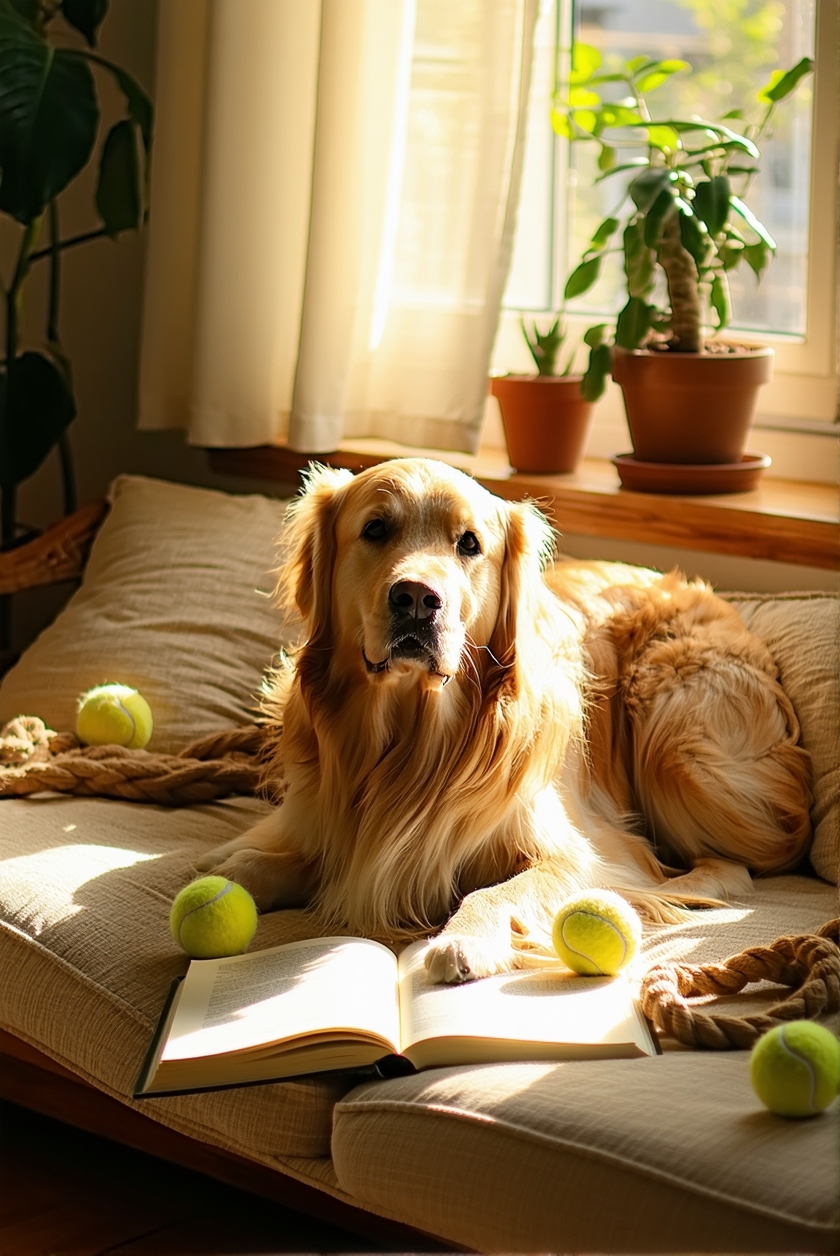
True bonding with your dog occurs during those intentional moments you carve out each day. By establishing a routine that includes dedicated quality time, you’ll foster a deeper connection that benefits both of you.
Begin by scheduling two consistent meal times, which naturally become opportunities for interaction and training.
Make the most of your day by incorporating at least 30 minutes of physical exercise, whether it’s a morning walk or an afternoon play session. During your work breaks, engage in short training exercises or cuddle sessions that reinforce your bond.
When you’re busy, provide puzzle toys that keep your dog mentally stimulated while maintaining their connection to you.
Remember that even quiet moments together, like reading while your dog rests beside you, strengthen your relationship and create lasting emotional ties.
Balancing Remote Work With Dog Care
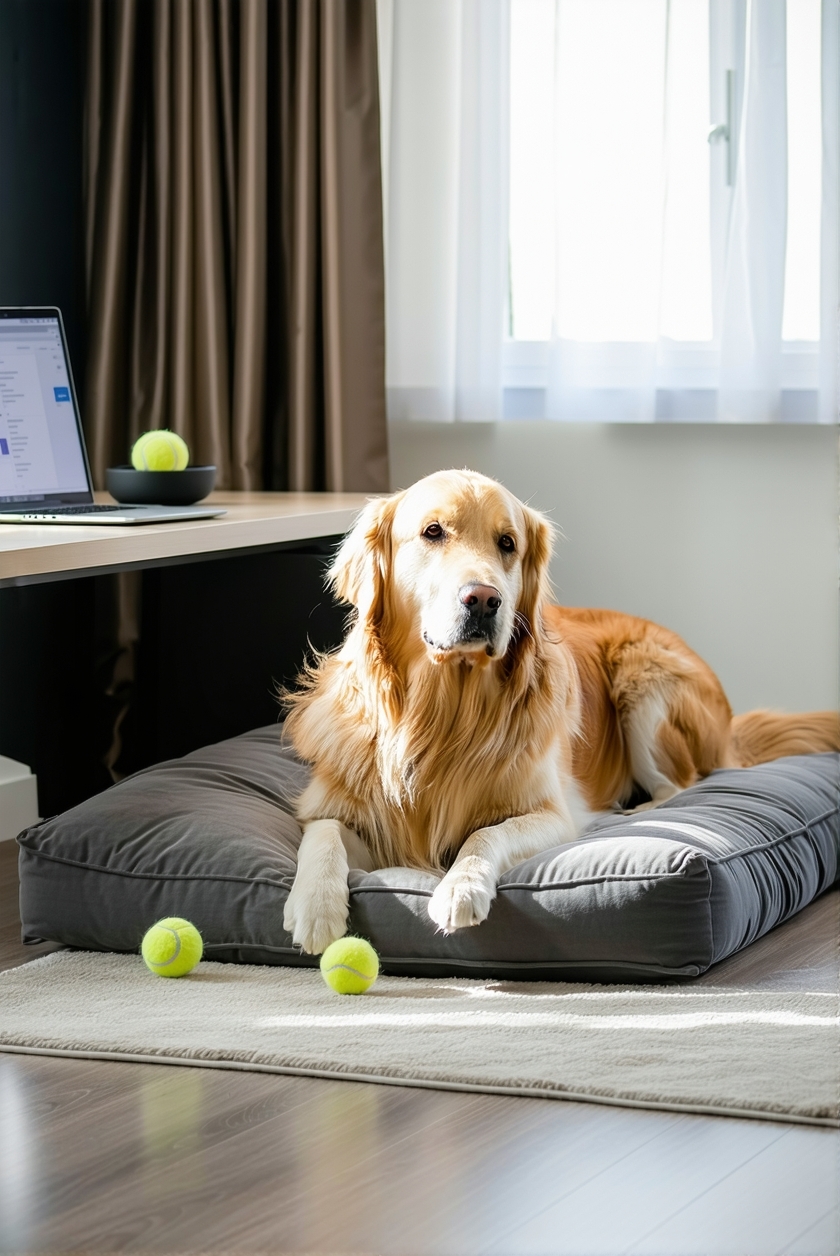
While remote work offers flexibility, successfully balancing your professional responsibilities with dog care requires thoughtful planning and consistent routines.
Start your day with 30 minutes of physical activity with your dog, followed by breakfast, to establish a productive rhythm for you both.
During your workday, schedule regular potty breaks every two to four hours, and use these moments to incorporate quick training sessions or puzzle toys.
These brief interactions help maintain your dog’s mental stimulation while meeting their basic needs. You’ll find that investing time with your dog during strategic breaks prevents disruptive behaviours and keeps them content.
Maintain evening consistency by walking and feeding your dog approximately 12 hours after breakfast.
Stay adaptable with your schedule, adjusting exercise and play sessions based on your dog’s energy levels throughout the day.
Organising Evening Wind-Down Activities

Creating a structured evening routine helps your dog shift smoothly from daytime activity to nighttime rest. Schedule your evening meal 12 hours after breakfast to maintain consistent feeding patterns that support your dog’s digestion.
After dinner, incorporate calming activities and wind-down time to help your furry friend transition into a peaceful night’s sleep.
- Start with dinner followed by an immediate bathroom break.
- Engage in 15-30 minutes of gentle play or basic training exercises.
- Set aside quiet bonding time for cuddling or light grooming.
- Create a cosy sleeping area with familiar bedding.
- Maintain a consistent bedtime schedule every night.
Your evening routine shouldn’t feel rushed or stressful. Instead, focus on creating intimate moments that strengthen your bond while preparing your dog for quality rest.
Structuring Weekend Activities
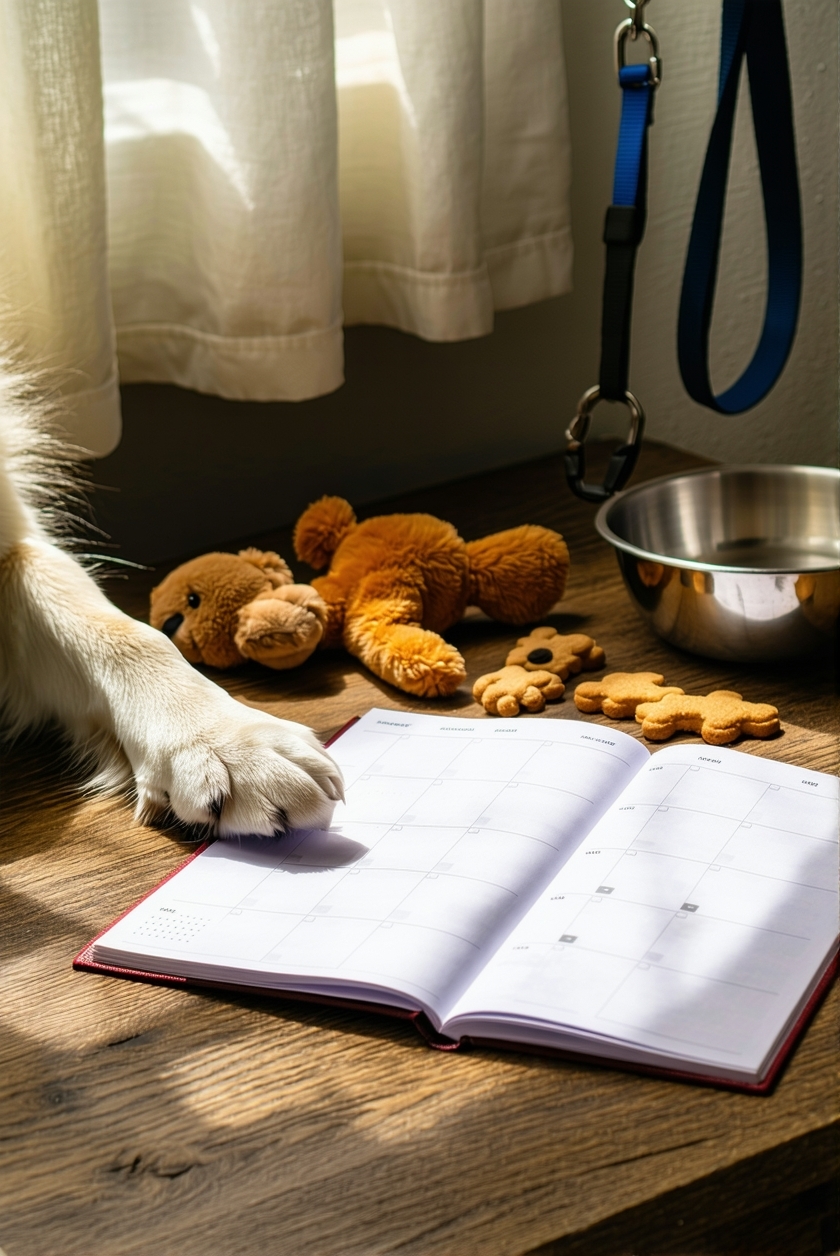
Weekends offer the perfect opportunity to enrich your dog’s daily routine while maintaining the core schedule that keeps them balanced.
You’ll want to stick to your regular feeding schedule, spacing meals 8-12 hours apart, just as you do during weekdays.
Take advantage of your extra free time by extending exercise sessions to 45-90 minutes, allowing your furry friend to burn off energy through engaging weekend activities like hiking or playing fetch.
Between adventures, maintain consistent potty breaks every 2-4 hours, especially after meals.
Dedicate 15-30 minutes to mental stimulation through puzzle toys or training exercises to keep your dog’s mind sharp and active.
Remember to stay flexible with your weekend schedule, adjusting activities based on your dog’s energy levels and ensuring they get enough rest between activities.
Adapting Your Schedule for Special Events

Special events need not disrupt your dog’s routine when you plan thoughtfully around their needs. Dogs thrive on consistency, so it’s wise to gradually adjust their schedule in the lead-up to the big day.
When you’re attending special gatherings, ensure your furry friend remains comfortable and calm by adhering to these essential guidelines:
- Feed your dog earlier than usual to alleviate any anxiety during the event.
- Schedule potty breaks every 2-4 hours, particularly after meals and activities.
- Plan exercise sessions before or after the event to help manage their energy levels.
- Arrange for a trusted dog walker if the event is set to last several hours.
- Keep them mentally engaged with puzzle toys or treat-dispensing games to keep their mind occupied.
Frequently asked questions
How Many Hours a Day Should You Spend With Your Dog?
You should aim to spend at least 2-3 active hours with your dog each day.
This includes their 30-45 minutes of exercise, training sessions, and quality playtime.
While you don’t need to actively engage every minute you’re together, your presence is important even during their rest periods.
What Schedule Should I Put My Dog On?
Like a well-oiled machine, your dog’s daily schedule should run smoothly and predictably.
You’ll want to feed your pup twice daily, spacing meals 8-12 hours apart. Plan potty breaks every 2-4 hours, especially after meals and naps.
Structure your day around 30-45 minutes of exercise, mixing walks with playtime. Remember to include plenty of rest periods – your furry friend needs 12-14 hours of sleep.
Keep the routine consistent but flexible to match your dog’s unique needs.
What Is My Dog Supposed to Do All Day?
Your dog’s day should include a mix of structured activities and downtime.
You’ll want to provide 30-45 minutes of exercise through walks or play sessions, plus mental stimulation with puzzle toys or training.
Space out potty breaks every 2-4 hours, and don’t forget those essential meal times.
Let your pup rest for 12-14 hours throughout the day – they need those naps!
Between activities, they’ll enjoy simply being near you.
What Time Should I Take My Dog Out in the Morning?
While you’re cosy in bed dreaming, your furry friend’s bladder is full and waiting.
You’ll want to take your dog out immediately after waking up – it’s their most urgent potty need of the day.
Plan to head outside within 5-10 minutes of getting up, then wait about 30 minutes before feeding breakfast.
This immediate morning relief prevents accidents and starts both your days with comfort and success.
Let’s recap
Structuring your daily schedule around your dog’s needs isn’t about limiting your life – it’s about enriching it. While you might worry that such careful planning will feel restrictive, you’ll find that establishing these routines actually creates more freedom and flexibility in your day. By understanding and accommodating your dog’s natural rhythms, you’re building a stronger bond while maintaining your own productivity and peace of mind.