You can successfully balance dog care with your career by creating structured morning and evening routines around work hours. Start with a 45-minute morning walk, then utilise professional dog walkers or daycare services for mid-day care (£10-£15 per visit). Install pet cameras for remote monitoring, and dedicate evening time to interactive play and training. Consistent schedules, positive reinforcement, and a reliable support network will help you build a thriving work-life-pet balance. Let's investigate proven strategies that make it all work seamlessly.
Some key takeaways
- Schedule a 45-minute morning walk and a 30-minute evening walk to ensure adequate exercise and maintain consistent routines.
- Invest in professional dog walkers or doggy daycare services for reliable mid-day care and socialisation opportunities.
- Use interactive toys and puzzle feeders during work hours to keep your dog mentally stimulated and engaged.
- Create a support network of neighbours and family members who can assist with emergency dog care needs.
- Incorporate quick training sessions into daily routines, using positive reinforcement to maintain good behaviour and strengthen bonds.
Morning Routines That Set Your Dog Up for Success

While juggling work responsibilities and family life can be challenging, establishing a well-structured morning routine will set both you and your dog up for daily success.
Dedicate one hour each morning to essential dog care, starting with a 45-minute walk that fulfills your pet's exercise needs while creating precious quality time together.
Use the remaining 15 minutes to shower and prepare your dog as your children get ready for school. This organised household approach creates stability and predictability that your furry friend craves.
Remember to build in a small buffer for unexpected delays, ensuring everyone stays on schedule.
Your consistent morning routine does more than just meet basic needs – it strengthens your bond and provides emotional support that carries both you and your dog through the day's changes.
Maximizing Quality Time During Work Hours

Although being away from your dog during work hours presents challenges, several strategies can help maximise their quality time and maintain their well-being throughout the day.
Consider hiring a dog walker or enrolling your pup in doggy daycare to ensure they receive structured activities and socialisation while you're working full time.
To prevent separation anxiety when you leave your dog, provide mental stimulation through interactive toys and puzzle feeders.
These engaging tools keep their minds active and occupied during solo hours.
Installing pet cameras allows you to check in regularly, offering reassurance and maintaining connection despite physical distance.
When choosing support services, prioritise providers who share detailed updates about your dog's activities.
This insight helps you better understand how they spend their day and guarantees that quality time together is truly maximised.
Essential Evening Care Strategies

Successful evening care for your dog requires a well-structured routine that balances exercise, bonding, and basic needs after a long workday.
Start by taking your pup for a 30-minute walk as soon as you get home, which provides essential exercise and mental stimulation after their day alone.
Make your evening routine more engaging with interactive play sessions using favourite toys, followed by short training sessions that reinforce positive behaviours.
During summer months, transform regular walks into family adventures that boost your dog's socialisation while creating precious quality family time.
Don't forget to maintain consistent feeding and bathroom breaks throughout the evening – they're vital for your dog's wellbeing and house training success.
This thorough approach guarantees your four-legged friend receives the care, attention, and structure they need to thrive.
Creating a Reliable Support Network

Beyond the daily routines, building a strong support network is essential for working dog parents. Start by connecting with trusted neighbours and family members who can provide reliable dog care during work hours. You'll find peace of mind knowing your furry friend has backup support when needed.
Consider professional help through experienced dog walkers who can offer midday check-ins and exercise, ensuring your pup stays active and engaged. Doggy daycare facilities provide another excellent option, offering structured playtime and socialisation opportunities with other dogs.
You can stay connected throughout the day using pet cameras to monitor your dog's well-being.
Don't forget to tap into local community groups and online forums for dog owners. These networks often share valuable recommendations for pet services and create a supportive environment where you can exchange insights with fellow pet parents.
Smart Solutions for Mid-Day Dog Care
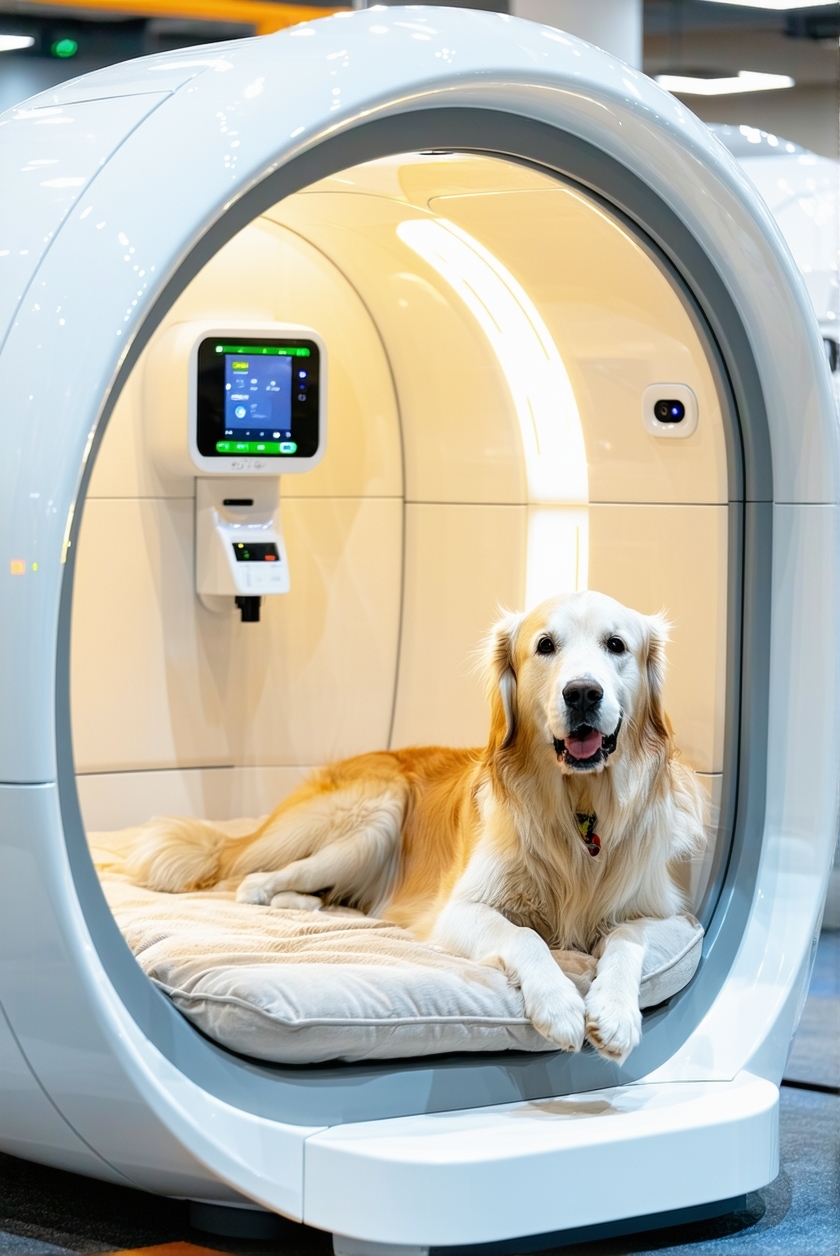
When you're away at work, implementing effective mid-day care solutions can make a significant difference in your dog's well-being.
As working pet owners, you'll want to ensure your furry friend receives proper care, exercise, and mental stimulation throughout the day.
Consider these practical options to keep your dog happy and healthy:
- Hire professional dog walkers for essential bathroom breaks and exercise (£10-£15 per visit).
- Enrol in doggy daycare for structured activities and socialisation with other dogs (around £15 per day).
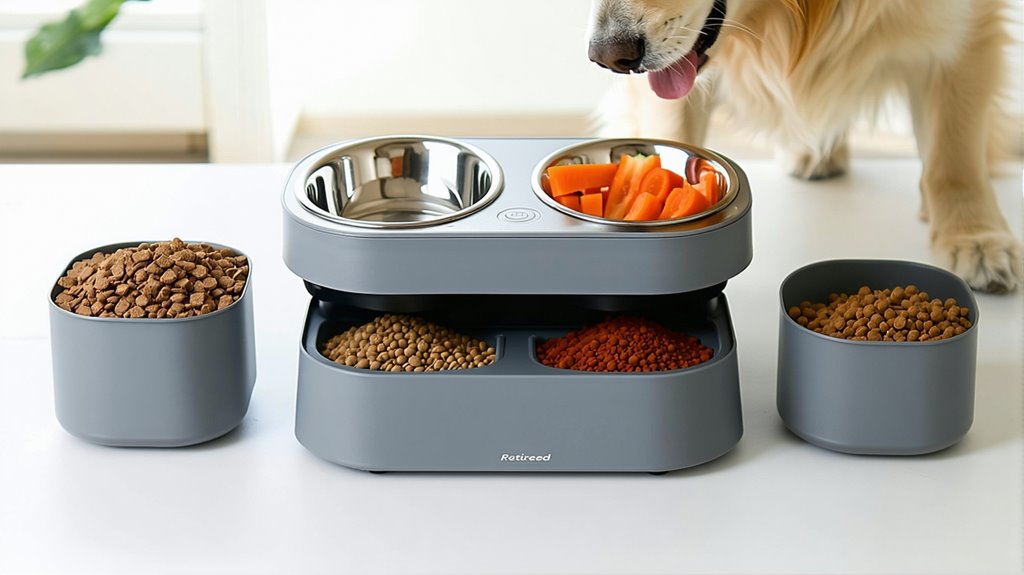
- Install automated pet feeders to maintain consistent meal times while you're away.
- Set up interactive toys and puzzle feeders for mental engagement during alone time.
Remember to coordinate daily check-ins with neighbours or friends to complement these solutions, creating an all-encompassing care routine that works for both you and your pet.
Enrichment Activities for Home-Alone Dogs
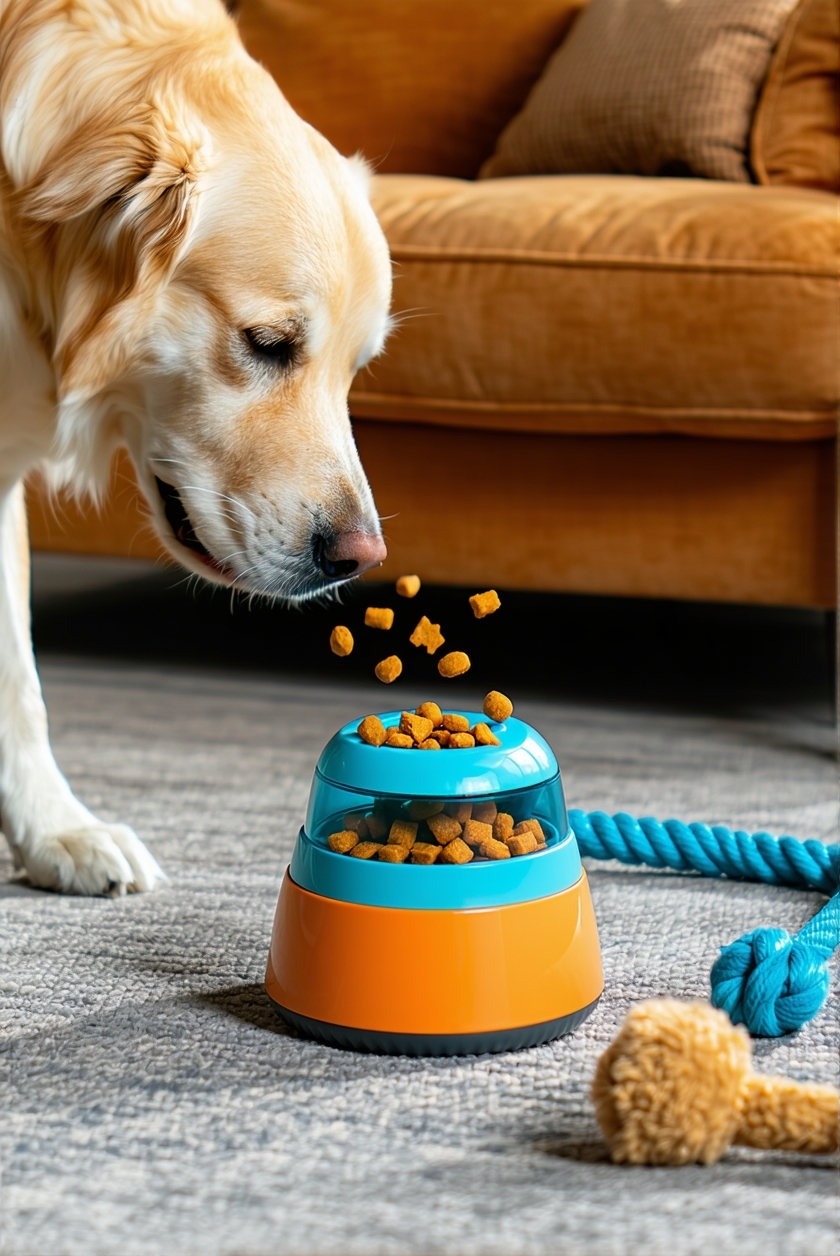
Building on your mid-day care arrangements, keeping your dog mentally stimulated during their alone time can make a world of difference in their daily happiness.
You'll want to create a regular routine of enrichment activities that engages your furry friend throughout the day. Start by introducing interactive toys like puzzle feeders and treat-dispensing toys that will keep them busy for hours.
Combat separation anxiety by setting up calming activities before you leave. Fill Kongs with tasty treats, lay out snuffle mats, or prepare licki-mats to give your pup a soothing task.
Don't forget to leave background noise from a TV or radio for companionship. For extra peace of mind, install pet cameras to check in and interact with your home-alone dogs through video calls, ensuring they're content and engaged with their activities.
Balancing Weekend Activities and Rest
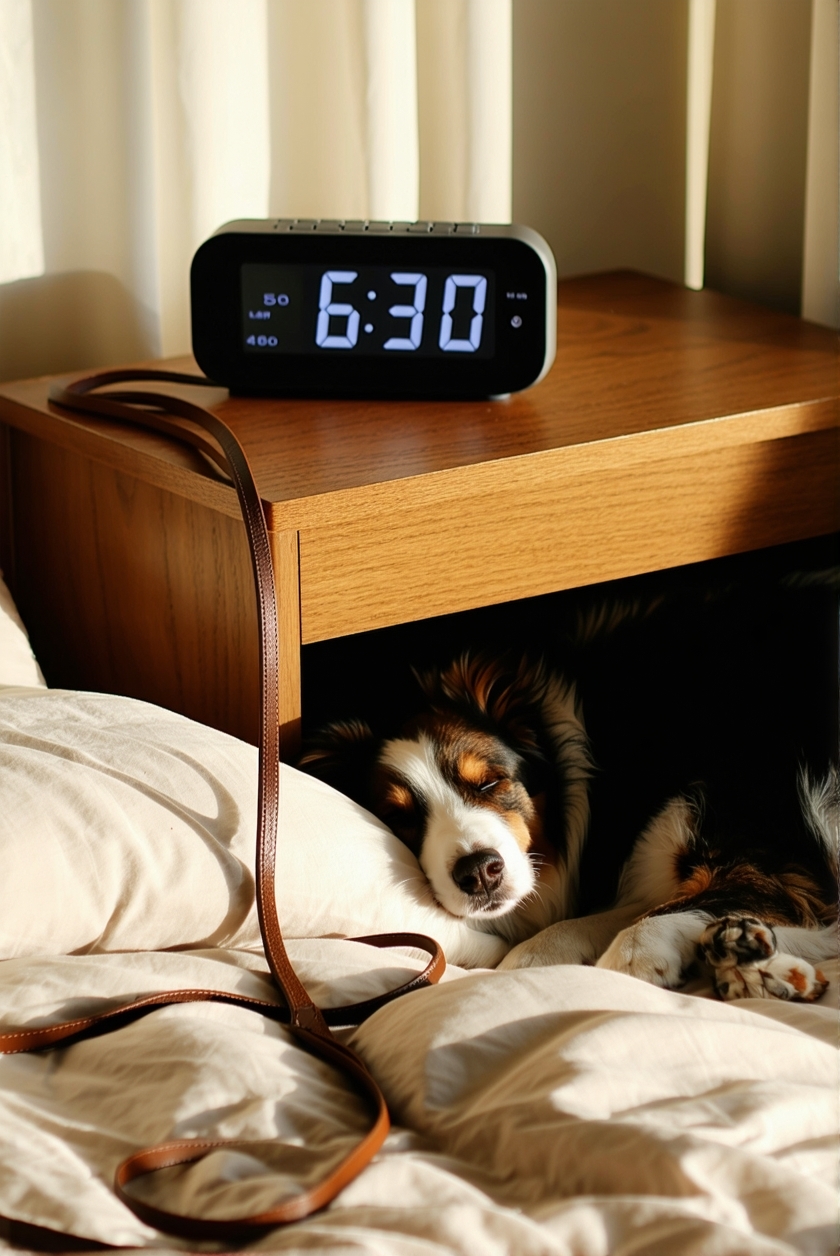
Although weekdays may be structured around your work schedule, weekends offer prime opportunities to balance quality time with your dog through both active engagement and essential rest periods.
The key to your dog's well-being lies in creating a mix of weekend activities that blend physical fitness with mental stimulation.
Consider structuring your weekends with these balanced elements:
- Start mornings with high-energy activities like hiking or visits to the dog park
- Schedule interactive play sessions mid-day for bonding and exercise
- Incorporate structured activities such as agility training or obedience work
- Plan relaxation periods between activities for recovery
Maintaining consistency in your weekend routine helps reduce separation anxiety during workdays.
Technology Tools for Remote Dog Monitoring

Modern technology offers working pet parents three essential tools for staying connected with their dogs during the workday: smart monitoring devices, interactive cameras, and activity trackers.
You'll gain peace of mind with puppy cameras that let you check on your dog's behaviour in real-time. Many pet monitoring devices feature two-way audio, so you can speak to your furry friend when they need reassurance.
Treat-dispensing cameras add an element of interactive engagement, allowing you to reward good behaviour or provide scheduled treats throughout the day. For active pups, tracking collars monitor exercise levels and alert you if there's unusual activity.
With mobile app integration, you'll have all these features at your fingertips, making remote monitoring seamless and ensuring your dog stays happy and safe while you're away.
Building Consistent Training Around Work Schedules
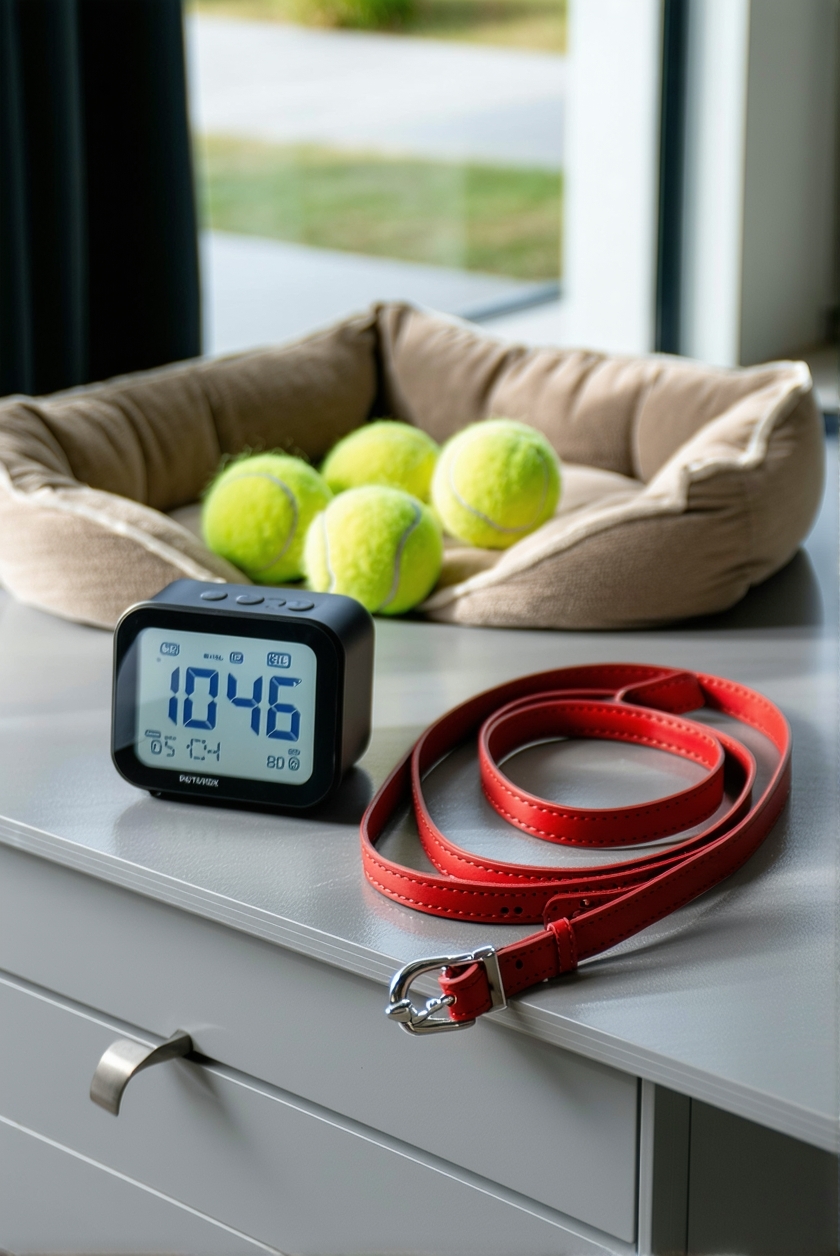
Successful dog training doesn't have to conflict with your work schedule – it's all about making the most of your available time. Even with a full-time job, you can establish a consistent daily routine that strengthens your bond while achieving training goals.
- Start each day with 5-10 minute training sessions during morning walks, using positive reinforcement to reinforce basic commands.
- Schedule longer weekend sessions for complex commands when you're not rushed by working hours.
- Make the most of evening dog care by incorporating quick training exercises while spending time together.
- Keep open communication with dog walkers to maintain consistent training methods.
Frequently asked questions
How Do People Take Care of Dogs if They Work All Day?
You've got several excellent options to keep your furry friend happy while you're at work.
You can hire a professional dog walker or use doggy daycare for exercise and socialisation.
If your pup's comfortable alone, establish a routine with morning and evening walks, and leave them with engaging toys like stuffed Kongs.
Consider installing a pet camera to check in during the day, and gradually train them to handle alone time confidently.
Can I Leave My Dog Alone for 8 Hours While I Work?
Time flies when you're at work, but your dog's day moves at a snail's pace.
While you can technically leave your dog alone for 8 hours, it's not ideal for their wellbeing.
You'll want to arrange a midday break – whether it's a trusted dog walker, a caring neighbour, or doggy daycare.
This gives your pup a chance to stretch, relieve themselves, and receive some much-needed attention.
Your dog's happiness is worth the extra effort.
Do Dogs Feel Abandoned When You Rehome Them?
Yes, dogs do feel abandoned when rehomed.
Your dog's deep emotional bond with you means they'll experience significant stress and confusion during this change.
You'll likely notice signs of their distress through behaviours like excessive barking, changes in appetite, or withdrawal.
While dogs can eventually adapt to new homes, they'll go through a period of grief and anxiety.
It's similar to how you'd feel if suddenly separated from your loved ones.
Where Do I Take My Dog if I Don't Want Him Anymore?
If you need to find a new home for your dog, there are several compassionate options available to you.
Firstly, consider reaching out to reputable rescue organisations in your area; they'll assist in matching your pup with the ideal family.
If your dog is a purebred, you can also contact breed-specific rescues.
Local animal shelters often have surrender programmes, but before taking that route, it's worth asking friends and family who might be willing to welcome your furry friend into their home.
To summarise
The juggling act of a million responsibilities doesn't mean your pup has to miss out on a fulfilling life. By implementing these strategies, you'll create a balanced routine that works for both you and your dog. From smart morning schedules to tech-savvy monitoring, you've got the tools to be a successful working pet parent. Trust in your plan, stay flexible, and watch your dog thrive despite your busy workdays.