Puppies naturally excel at time management through their instinctive routines and rhythms. You'll notice they balance focused activity with strategic rest periods, demonstrating how to structure your day more effectively. By following their example, you can establish clear boundaries, embrace single-tasking, and alternate between high-energy work and restorative breaks. Just like a puppy's training schedule, you can transform your productivity by incorporating these natural patterns into your daily life.
Some key takeaways
- Consistent daily routines for eating, sleeping, and activities create structure and improve time management efficiency.
- Alternating between focused work periods and strategic rest breaks maximises productivity and mental energy.
- Setting clear boundaries and dedicated time blocks helps prevent distractions and maintain a balanced schedule.
- Single-tasking with full attention on one activity at a time leads to better focus and task completion.
- Regular breaks and playtime throughout the day prevent burnout and enhance overall productivity levels.
The Power of Routine: Learning From Puppy Schedules
While many individuals perceive puppy schedules as merely a means to manage their new pet's basic needs, these routines impart invaluable lessons in time management that extend well beyond pet care.
By establishing set times for feeding, sleeping, and training your puppy, you're effectively mastering the art of structured planning that can be applied to your own life.
Just as puppies flourish on predictable schedules, you'll discover that taking the time to create consistent routines enhances your productivity and emotional well-being.
By managing your puppy's daily activities, you're acquiring essential time management skills that assist in balancing multiple responsibilities.
Consider your puppy's schedule as a template for success—it teaches you to allocate specific time blocks for different tasks while maintaining flexibility for socialisation and unexpected needs.
Balancing Work and Play: A Puppy's Natural Rhythm

Just as puppies naturally alternate between energetic play and restful naps, you'll discover that embracing similar rhythms can transform your daily productivity.
When you observe how puppies instinctively manage their time between bursts of activity and recovery periods, you'll recognise the need to change your own work patterns.
Try breaking your workday into focused segments, following a puppy's lead by incorporating both high-energy tasks and restorative breaks.
You'll find that scheduling deliberate playtime – whether it's a quick walk, a creative activity, or social interaction – helps prevent burnout and sparks innovation.
Like a puppy's natural inclination to balance exercise with rest, your productivity will soar when you honour your body's natural rhythms.
Energy Management Through Strategic Rest Periods

Mastering strategic rest periods can revolutionise your daily energy flow, much like how puppies naturally excel at this skill.
You'll notice that puppies instinctively alternate between bursts of playful activity and essential nap times, offering a powerful lesson in energy management.
You can boost your productivity by adopting this puppy-inspired approach to rest. Schedule short breaks throughout your workday to recharge your mental batteries and maintain sharp focus.
When you notice your concentration waning, don't push through – instead, take a brief pause. Just as puppies wake up refreshed and ready for their next adventure, you'll return to your tasks with renewed energy and clarity.
Setting Boundaries: When Puppies Demand Attention
Although puppies are adorable attention-seekers, establishing clear boundaries around their demands is essential for effective time management. When you set specific times for interaction and training, you'll help your puppy understand when it's appropriate to seek engagement and when to practise independence.
You'll find that creating a structured routine helps your furry friend adapt to your schedule while preventing demanding behaviours from developing. Schedule dedicated training sessions and playtime to ensure your puppy receives focused attention, but also teach them to respect periods of downtime.
This balance not only helps prevent separation anxiety but also creates a more harmonious household where both you and your puppy understand the value of personal space and patience.
The Art of Single-Tasking: Focus Like a Puppy

Puppies teach us a powerful lesson about focus and productivity through their natural ability to immerse themselves completely in a single activity. When you watch a puppy engrossed in playing with a toy or learning a new command, you'll notice their undivided attention leads to faster skill mastery and deeper engagement.
You can adopt this puppy-inspired approach to single-tasking by:
- Dedicating uninterrupted time blocks to specific tasks.
- Training your mind to stay present with one activity.
- Breaking complex projects into focused mini-sessions.
- Eliminating distractions before starting your work.
By implementing these strategies, you'll find that your productivity increases, much like a puppy's enthusiasm for their favourite toy.
Mindful Moments: Taking Cues From Puppy Behaviors

Learning mindfulness from our four-legged friends can transform your approach to time management. When you observe a puppy exploring their world, you'll notice they're fully immersed in each moment, whether they're investigating a new toy or mastering a command.
Take a page from your puppy's playbook by embracing their natural approach to life. Notice how they instinctively balance active periods with rest, creating a rhythm that maximises their energy and focus. You can mirror this by incorporating regular breaks into your schedule, just as puppies alternate between play and downtime.
Start by establishing consistent daily routines, and don't forget to nurture your curiosity – let it guide you towards new learning opportunities. When you feel overwhelmed, remember how puppies navigate their day: one moment at a time, with full attention and genuine engagement.
Prioritizing Essential Activities: A Puppy's Perspective

When it comes to managing your daily schedule, taking cues from a puppy's instinctive priorities can transform your approach to time management. Just as puppies naturally structure their day around essential activities, you'll find greater success by identifying and prioritising your core needs.
- Schedule fixed blocks for fundamental tasks, like puppies need consistent feeding and toilet breaks.
- Dedicate time for learning and growth through focused training sessions, even if they're just 10-15 minutes.
- Build in socialisation opportunities to expand your network and adaptability, similar to a puppy's need for new experiences.
- Balance productivity with play periods to maintain energy and enthusiasm throughout your day.
You'll discover that embracing this puppy-inspired approach creates a more sustainable and fulfilling daily rhythm, leading to improved productivity and well-being.
Creating Efficient Daily Systems Through Training
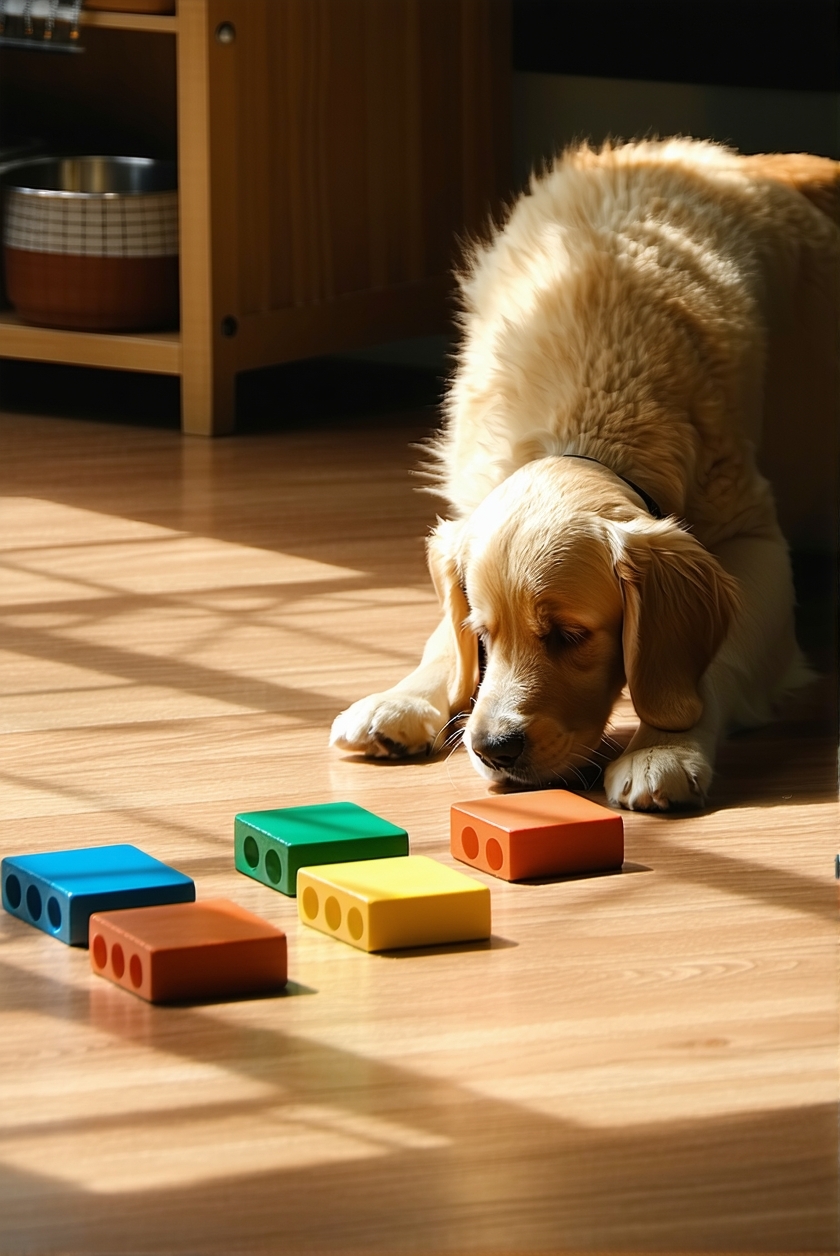
Just as a well-trained puppy develops reliable habits through consistent practice, you'll find that establishing efficient daily systems transforms your time management approach.
When you set specific times for feeding, training, and bathroom breaks, you're not just assisting your puppy – you're creating a framework for your own schedule management.
The Dance of Flexibility and Structure in Puppy Care

Raising a puppy requires mastering the delicate balance between structured routines and flexible responses.
You'll find that while consistency builds trust and good habits, your puppy's changing needs demand adaptability.
Think of it as a dance where you lead with structure but remain ready to adjust your steps.
- Set daily anchors for feeding, training, and potty breaks to create predictable patterns.
- Build in buffer time between activities to handle unexpected situations.
- Schedule socialisation opportunities while staying open to spontaneous learning moments.
- Maintain dedicated training sessions but adjust their length based on your puppy's energy.
When you embrace both structure and flexibility, you'll develop stronger time management skills.
Your puppy's journey teaches you that the most effective routines aren't rigid – they're thoughtfully designed frameworks that can bend without breaking.
Frequently asked questions
Do Puppies Have a Concept of Time?
Your puppy doesn't grasp the concept of time in the same way you do, but they're remarkably attuned to daily patterns and routines.
They'll sense the passage of time through environmental cues, such as changes in sunlight and your behaviours.
You may notice they anticipate meals, walks, and playtime based on the consistent schedules you establish.
While they can't read a clock, your pup's internal rhythm aids them in predicting what comes next in their daily life.
What Do Dogs Teach Us in Life?
Dogs impart invaluable life lessons through their natural behaviours.
You'll learn to cherish the present moment and find joy in simple pleasures, just as they do.
They'll demonstrate how unconditional love and loyalty can transform relationships.
You'll discover the importance of routine and consistency while maintaining a playful curiosity.
Through their example, you'll come to appreciate the value of regular exercise and self-care, making you a more balanced individual.
Can Dogs Make You More Productive?
Yes, your dog can significantly enhance your productivity!
When you take regular breaks to walk or play with your furry companion, you'll return to work with renewed focus and energy.
Your pup's need for routine will assist you in developing better time management skills, while training sessions impart valuable lessons in consistency and task prioritisation.
Furthermore, the stress relief and mental clarity you gain from spending time with your dog naturally improves your work performance.
Can You Teach Dogs the Concept of Time?
While you can't teach dogs to understand time in the same way humans do, you can assist them in developing a reliable sense of routine.
Your pup will learn to anticipate daily events through consistent scheduling and positive reinforcement. They'll pick up on environmental cues, such as your morning alarm or the sun setting, and link these with activities like walks or meals.
To summarise
Just like puppies who instinctively chase their tails in perfect circles, you'll find that effective time management is a continuous cycle of learning and adapting. By adopting your furry friend's natural approach to routine, rest, and focused attention, you're well-equipped to create a more balanced and productive lifestyle. Take these canine lessons to heart, and you'll transform your daily chaos into a well-orchestrated symphony of productivity.