Schedule your life with a new puppy by establishing fixed feeding times, coordinating potty breaks after meals, and mapping out your pup's natural energy patterns. You'll want to time-block training sessions around mealtimes, create consistent sleep routines, and align work hours with your puppy's rest periods. Don't forget to schedule regular grooming and healthcare, coordinate family responsibilities, and maintain clear boundaries for play sessions. These smart scheduling strategies will transform your puppy parenting journey.
Some key takeaways
- Establish fixed feeding and potty break schedules to create a predictable routine and minimise accidents throughout the day.
- Coordinate work meetings and important tasks during puppy nap times, which typically last 1-3 hours.
- Plan short training sessions of 5-10 minutes immediately after meals when puppies are naturally more responsive.
- Create designated quiet zones for puppy rest periods, ensuring they get 12-18 hours of daily sleep.
- Utilise early morning hours for high-energy activities and exercise to start the day with a well-exercised, calmer puppy.
Set Fixed Feeding Times for Predictable Potty Breaks
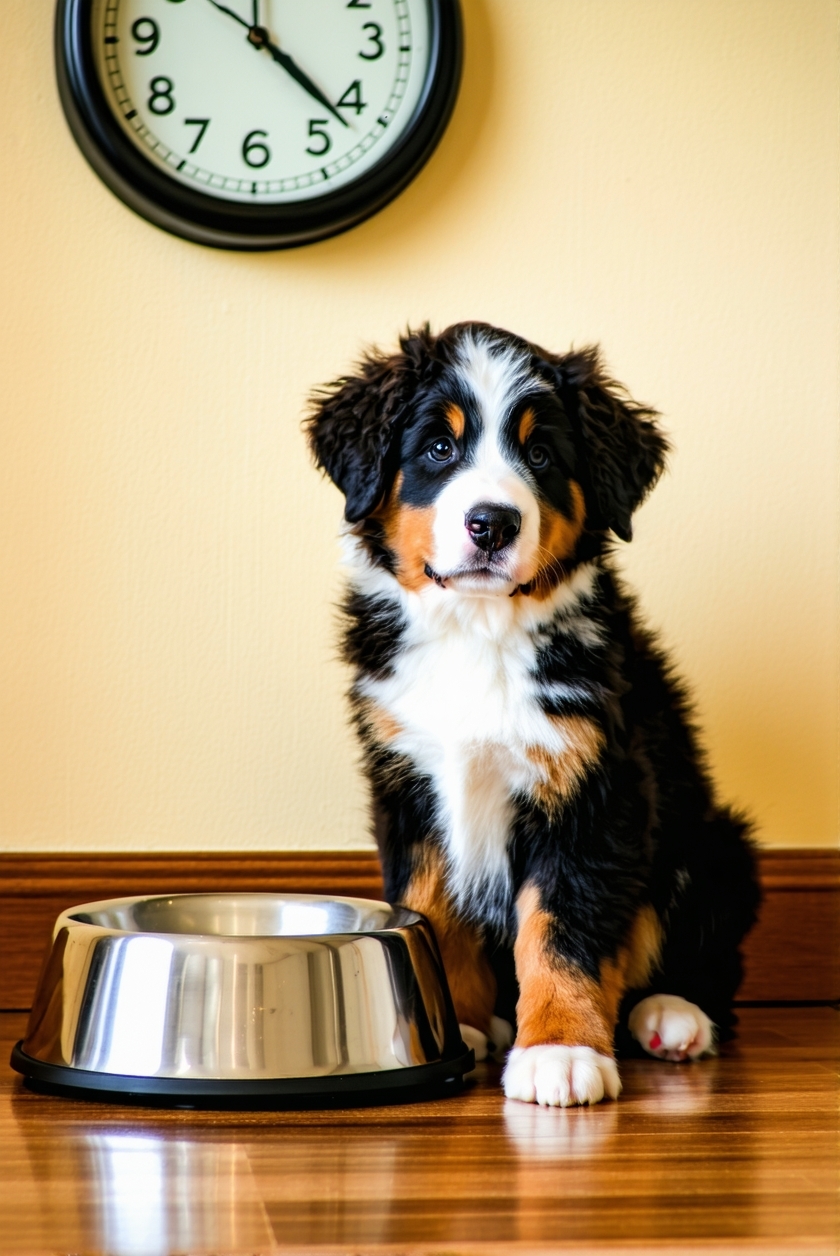
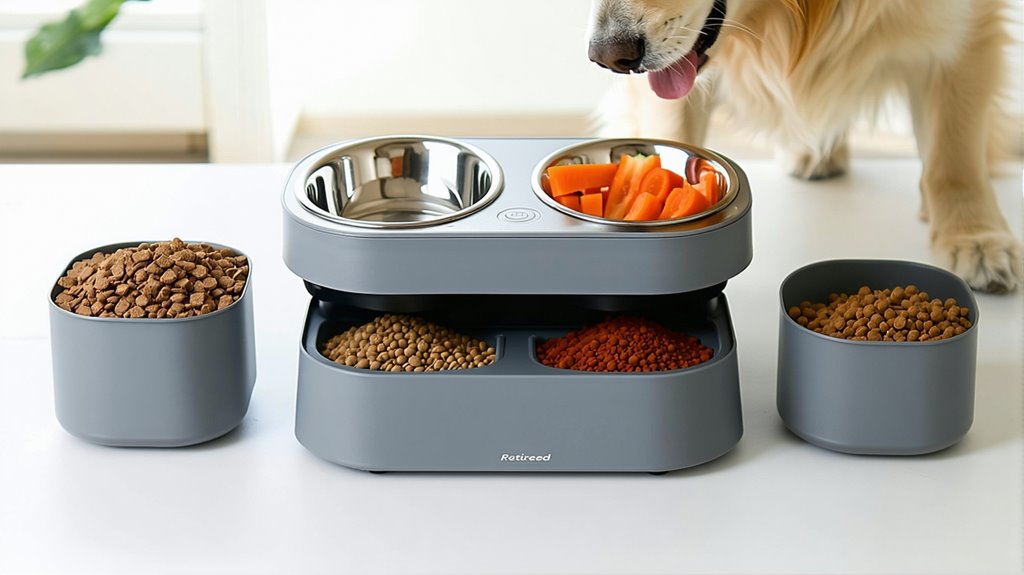
When you establish fixed feeding times for your puppy, you'll create a foundation for successful potty training and daily routines. By serving three meals a day and keeping food available for just 15 minutes, you'll help your puppy develop a predictable routine that makes house training more manageable.
You'll notice your puppy typically needs potty breaks shortly after meals, so scheduling regular bathroom opportunities every two to four hours helps prevent indoor accidents.
This consistency in feeding and potty schedules does more than just keep your floors clean; it creates a structured environment that can reduce anxiety in your puppy.
As your furry friend learns to anticipate meal times and subsequent potty breaks, they'll feel more secure knowing what to expect throughout their day, making the training process smoother for both of you.
Map Your Puppy's Natural Energy Peaks and Valleys

Just like understanding your puppy's feeding schedule, recognising their natural energy patterns can transform your daily routine.
You'll notice your puppy's energy levels peak after waking and following meals, making these perfect moments for playtime and mental stimulation. By observing your pup for a week, you'll uncover their unique rhythm of activity and rest.
Create a routine that aligns with these natural patterns. When your puppy's bursting with energy, engage them in training or exercise.
When you notice signs of tiredness after intense play, it's time for a nap. Younger pups require shorter, more frequent play sessions, while older ones can manage longer activities.
Working with your puppy's natural energy flow, rather than against it, leads to improved behaviour and a stronger bond between you both.
Create Strategic Training Windows Around Mealtimes

Making mealtimes serve a dual purpose as training opportunities can transform your puppy's learning experience. By establishing a dog feeding schedule that aligns with training sessions, you can harness your pup's inherent motivation to learn.
Consider incorporating brief commands before meals, asking your puppy to "sit" or "stay" before placing down their food bowl.
To create an effective puppy schedule, allocate quality time for training within 20 minutes after meals when they're likely to need a potty break. This offers ideal opportunities to reinforce outdoor behaviours.
Keep your training sessions concise—just 5 to 10 minutes—and reserve treats for between-meal sessions to maintain their enthusiasm.
Build Buffer Zones Between Major Activities
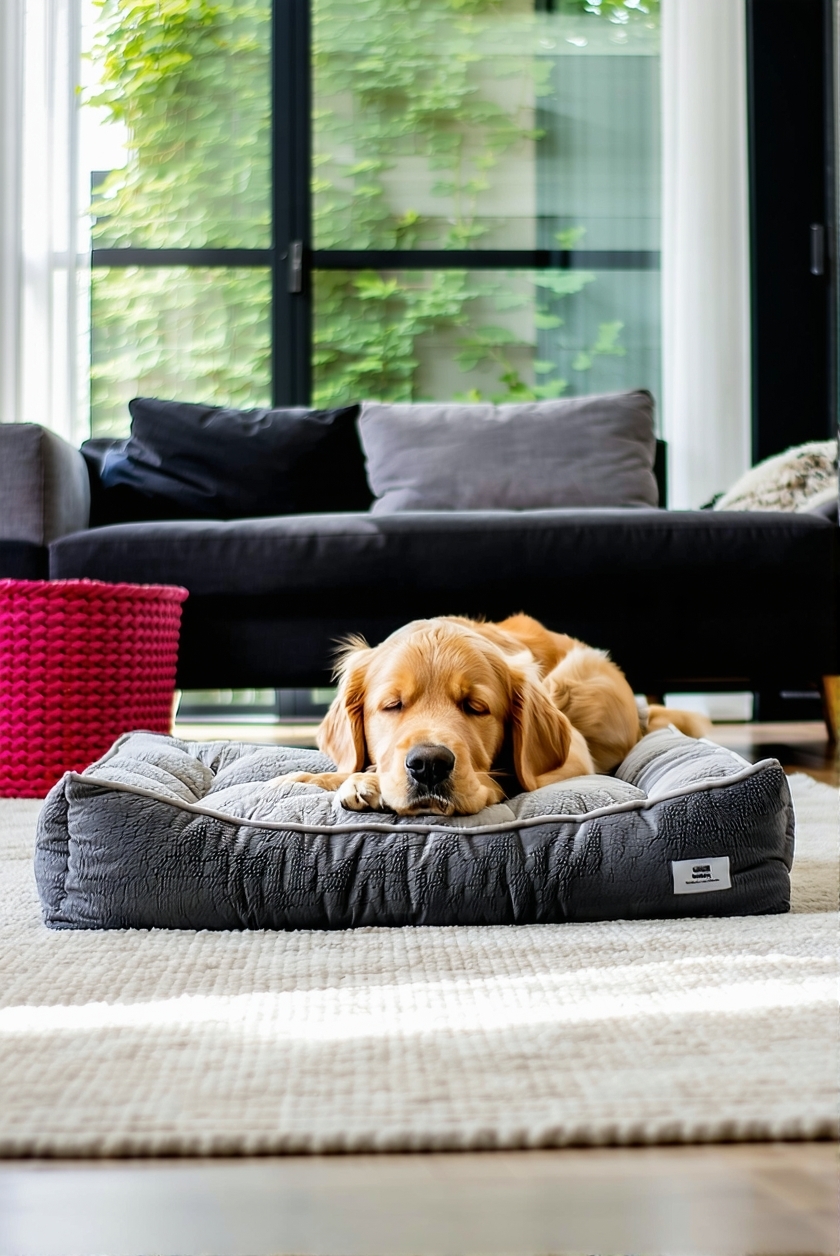
Building buffer zones between your puppy's activities creates a natural rhythm that supports their emotional development. By incorporating 10-15 minute breaks between major activities like feeding, potty breaks, and playtime, you'll help your puppy process experiences and maintain a calmer state of mind.
Think of these buffer zones as your puppy's mini meditation sessions. They're essential intervals that prevent overstimulation and allow your little one to settle down naturally.
When you schedule quiet time after vigorous play or training, you're giving your puppy valuable moments to decompress. These consistent breaks help establish a predictable routine that enhances their emotional well-being and creates a more harmonious household.
You'll notice fewer chaotic moments and more balanced behaviour as your puppy learns to anticipate and embrace these peaceful intervals between activities.
Design a Sleep Schedule That Works for Everyone

While puppies require an impressive 12-18 hours of sleep each day, establishing a sleep schedule doesn't have to interfere with your household routine.
You can achieve success by coordinating nap times with your puppy's natural energy peaks and troughs, particularly after play sessions when they're instinctively ready to rest.
Create tranquil environments by arranging a cosy crate in a dark, cool area where your little one can recharge without disturbance.
Establishing a consistent bedtime routine will help your puppy feel secure and sleep more soundly through the night. This might include a gentle wind-down period with soft music or dim lighting.
Balance Exercise and Rest Throughout the Day

A thoughtful exercise plan balances your puppy's natural energy with their developmental needs.
You'll want to provide five minutes of exercise per month of your puppy's age, spread across multiple short sessions throughout your daily schedule.
After physical activity, engage your pup in mental stimulation through training or puzzle toys. This combination helps them wind down naturally while strengthening your bond.
Remember to include regular nap times – your puppy needs 16-18 hours of rest each day to grow and develop properly.
Predictability is your best friend when structuring these activities.
By maintaining consistent times for exercise, play, and rest, you're helping your puppy feel secure and relaxed.
They'll learn to anticipate what comes next, reducing anxiety and making your days together flow more smoothly.
Time-Block Essential Grooming and Health Routines

Regular grooming and health care routines work hand in hand with your puppy's daily exercise schedule to support their overall well-being.
To keep your dog healthy and happy, you'll want to create specific time blocks for vital care tasks. Schedule professional grooming appointments every 4-6 weeks, and set aside time 2-3 times a week for tooth brushing to maintain your puppy's dental health.
Don't forget to mark your calendar for monthly flea, tick, and heartworm treatments. Your routine should also include regular nail trimming and ear cleaning sessions every 2-4 weeks.
These small but important time investments prevent future health issues and strengthen your bond with your puppy. Remember to book veterinary check-ups every 6-12 months to ensure your growing companion stays on track with vaccinations and preventive care.
Coordinate Family Responsibilities for Puppy Care
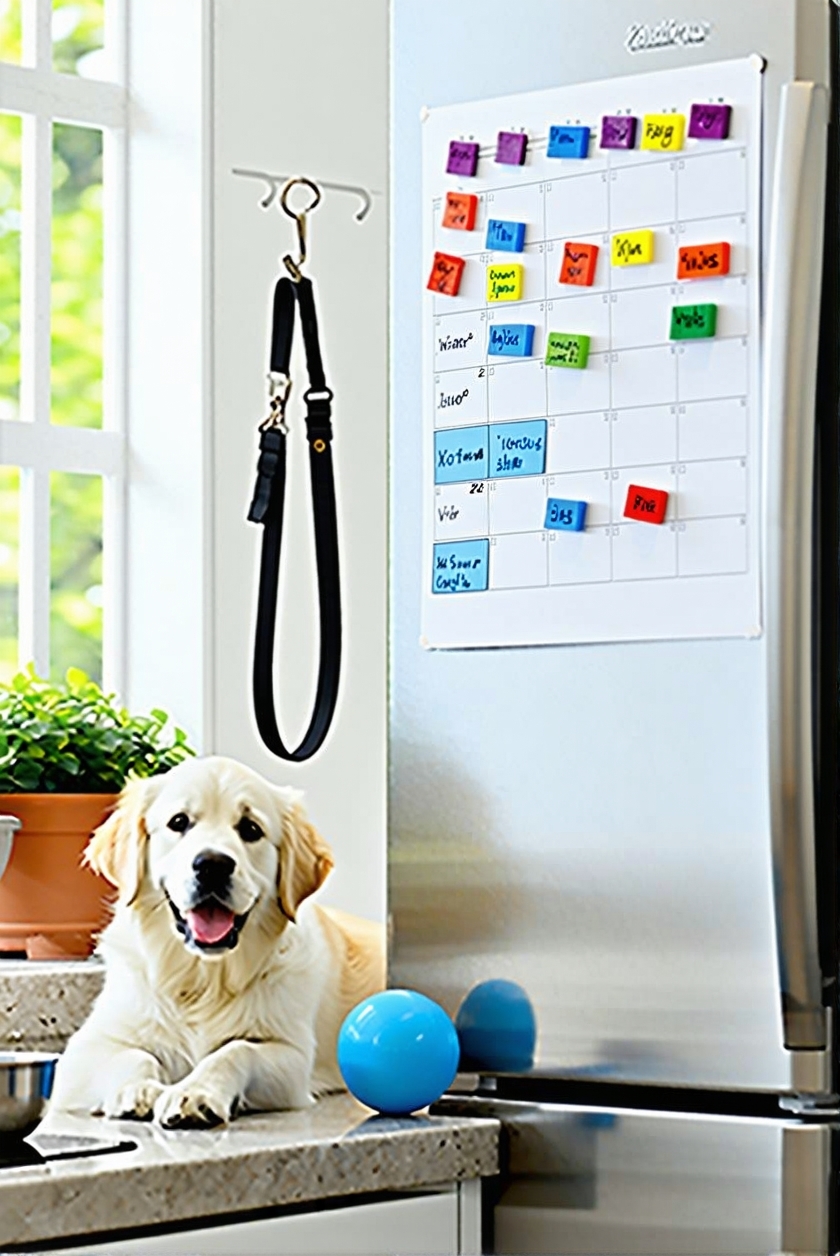
Successful puppy care thrives on clear coordination and shared responsibilities among family members. When you bring a new puppy home, it's crucial to establish a structured system that keeps everyone involved and accountable.
Creating a shared calendar helps you track daily duties and ensure your puppy receives consistent care and attention.
- Set up a digital family calendar to coordinate feeding times and walks.
- Rotate responsibilities weekly to prevent any family member from feeling overwhelmed.
- Schedule training sessions that align with everyone's availability.
- Plan regular family meetings to discuss your puppy's progress and adjust routines.
- Create a backup system for when primary caregivers aren't available.
Establish Consistent Boundaries for Play Sessions
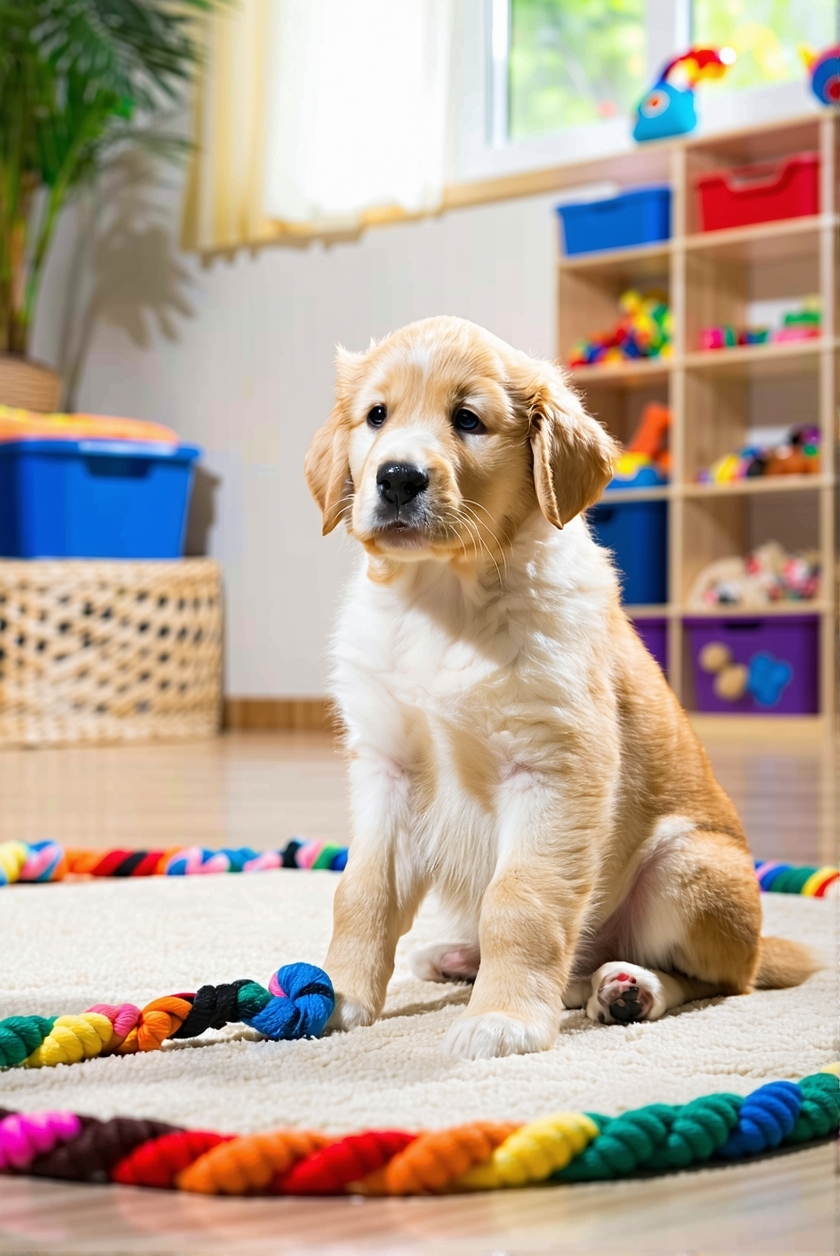
Establishing clear boundaries during play sessions helps your puppy develop healthy expectations and behaviours that will last a lifetime.
By creating a consistent schedule of 5-10 minute play sessions throughout the day, you're setting your puppy up for better mental health and reduced anxiety.
Mix up your play sessions with engaging activities like fetch and tug-of-war to keep your furry friend mentally stimulated.
You'll notice your puppy becomes more responsive when you maintain consistent boundaries around these activities.
Remember to end each session positively; a favourite toy or enthusiastic praise creates a lasting positive association with playtime.
Structure Your Work Hours Around Puppy's Prime Times

When you align your work schedule with your puppy's natural rhythms, you'll create a more harmonious and productive environment for both of you.
Plan your work hours around your puppy's predictable patterns of energy and rest to maximise efficiency while maintaining their well-being.
- Schedule focused work sessions during your puppy's naptime, which typically lasts 1-3 hours.
- Take advantage of early morning hours when your puppy's energy peaks for playtime and training.
- Plan important meetings during your puppy's quiet afternoon periods.
- Use your lunch break as dedicated puppy time for training and mental stimulation.
- Set consistent potty breaks every 2-4 hours, especially after meals and play sessions.
Frequently asked questions
What Is the 10-10-10 Rule for Puppies?
The 10-10-10 rule serves as your guide for ensuring balanced puppy development.
You'll dedicate 10 minutes to training, assisting your pup in mastering essential commands and building confidence.
Next, allocate 10 minutes to gentle exercise that suits their growing body.
Finally, spend 10 minutes enjoying playful bonding time, which strengthens your connection.
This rule provides structure while ensuring that your puppy's physical, mental, and emotional needs are met.
What Is the Hardest Month With a Puppy?
Just like a teething toddler with boundless energy, your puppy's toughest phase typically hits around 4-5 months old.
You'll notice your furry friend going through intense teething, which can turn your favourite shoes into tempting chew toys.
During this time, you're dealing with a perfect storm: heightened energy levels, boundary testing, and increased mouthing behaviours.
Don't worry though – it's temporary, and with consistent training and patience, you'll both get through it together.
How Do You Live a Normal Life With a Puppy?
You can maintain a balanced life with your puppy by establishing a consistent routine that works for both of you.
Start by setting regular feeding, potty, and exercise times while incorporating them into your existing schedule.
Don't forget to use crate training for peaceful breaks when you need to work or socialise.
Can You Leave a Puppy Alone for 8 Hours?
Your precious fur baby shouldn't be left alone for eight hours at such a tender age.
Young puppies can only hold their bladder for about one hour per month of age. So, if you've got a two-month-old pup, they'll need potty breaks every two hours.
Don't worry though – you've got options! You can hire a dog walker, ask a friend to help, or set up a puppy playpen with puppy pads.
Your puppy's comfort and well-being come first.
To summarise
Managing your puppy's schedule is like conducting a symphony – when all the pieces flow together, you'll create a harmonious daily rhythm. By weaving these science-backed scheduling strategies into your routine, you're laying the foundation for a well-adjusted, happy dog. Remember, you're not just marking time on a calendar; you're building a lifelong bond. Stay flexible, stay patient, and watch your puppy thrive under your thoughtful guidance.