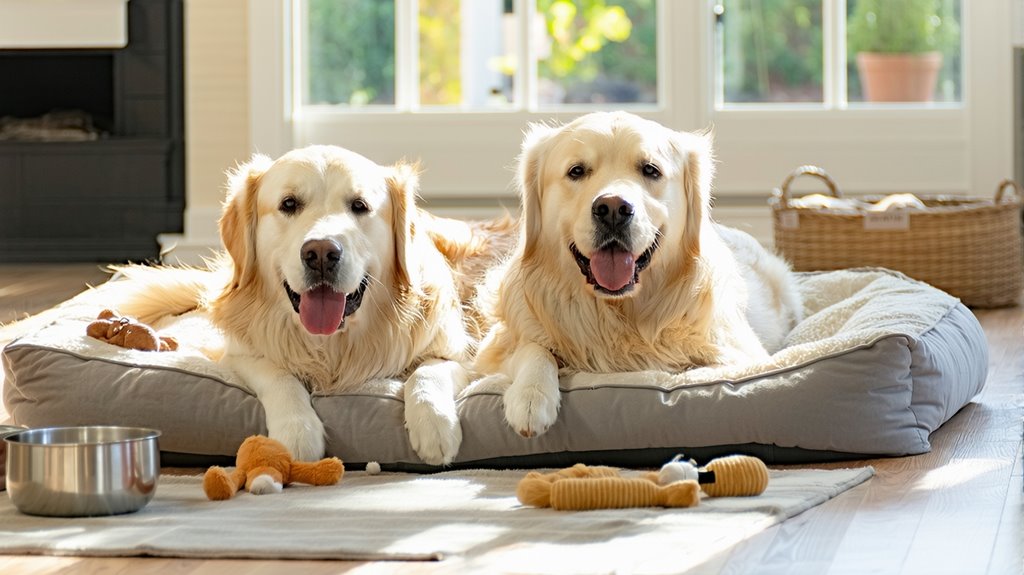
You'll significantly reduce your pet care expenses by joining a dog-sitting swap network in your community. These arrangements allow your dog to stay in a familiar environment while receiving personalised attention from experienced pet owners. Start by connecting with local dog owners, establishing clear guidelines, and conducting meet-and-greets to ensure compatibility. You'll create a reliable support system that offers flexible scheduling and peace of mind – and that's just the beginning of the benefits you'll uncover.
Some key takeaways
- Find local dog owners through community apps, social media groups, or neighbourhood forums to establish a pet-sitting exchange network.
- Create detailed guidelines covering feeding schedules, walking routines, and house rules for each participating dog.
- Start with short trial periods to ensure dogs and sitters are compatible before committing to longer arrangements.
- Set up a digital calendar system where members can easily coordinate schedules and track sitting responsibilities.
- Document emergency contacts, vet information, and specific care instructions in a shared folder accessible to all participants.
Benefits of Pet Care Swapping Networks
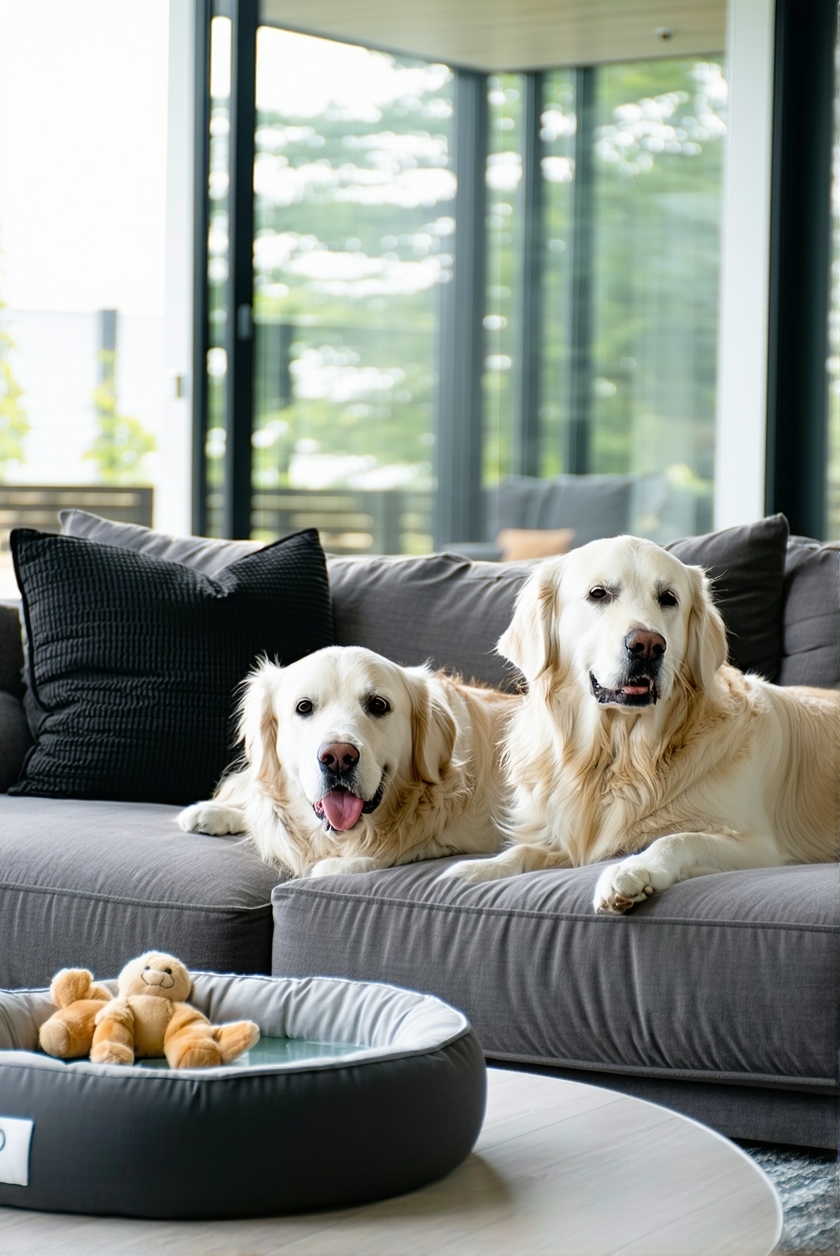
When you're planning your next holiday, a pet care swapping network can transform the way you manage your furry friend's care needs. By connecting with fellow dog lovers in your community, you'll discover a cost-effective alternative to pricey boarding facilities while building lasting relationships with neighbours who share your passion for pets.
Pet sitting through these networks offers remarkable flexibility, allowing you to arrange care that fits perfectly with your schedule.
You'll find comfort in knowing your pet stays in a familiar environment, maintaining their daily routines and reducing anxiety. The personalised attention your dog receives from experienced pet care partners ensures they get the love and supervision they deserve.
Moreover, you'll create a reliable support system for future pet care needs while helping others do the same, making it a win-win arrangement for everyone involved.
Setting Up Your Local Dog-Sitting Exchange
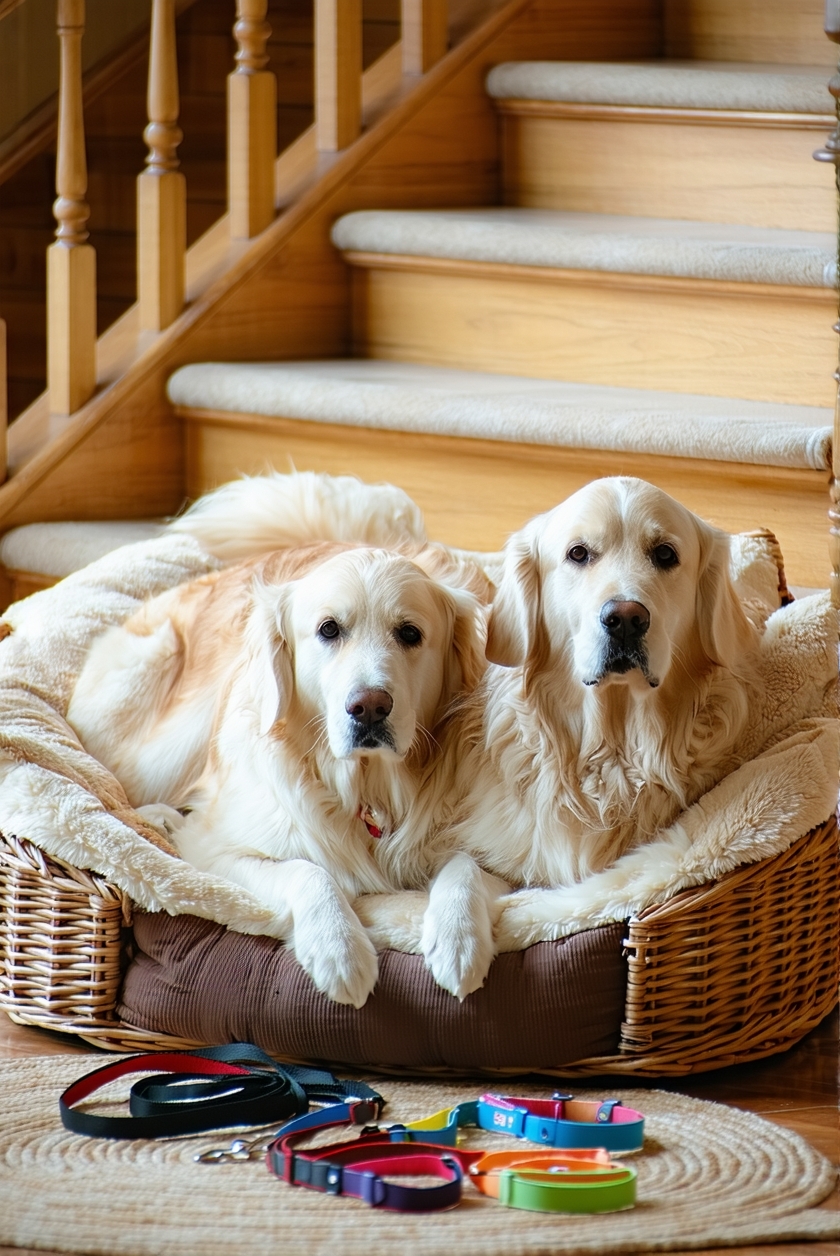
Once you've decided to join the growing community of pet care swappers, setting up your local dog-sitting exchange becomes a straightforward process that will yield immediate benefits.
Start by connecting with fellow dog owners through neighbourhood groups, local shelter events, or social media platforms dedicated to pet care.
Create clear guidelines for your dog-sitting arrangement, including verification of pet insurance and specific care requirements.
Set up a digital communication hub using group messaging or shared documents to track schedules and exchange important updates.
You'll want to establish regular check-ins to evaluate the arrangement's success and make necessary adjustments.
Remember to document each dog's unique needs, medication schedules, and emergency contacts.
Building Trust With Fellow Pet Parents
Building a strong foundation of trust with fellow pet parents stands as the cornerstone of successful dog-sitting swaps. Before exchanging pet care responsibilities, arrange a meet-and-greet session to assess compatibility and understand each other's pet care routines.
It's important to openly discuss emergency vet procedures and share your experiences as pet sitters in the UK. Establish credibility by exchanging references from previous pet-sitting arrangements, and create clear written guidelines detailing feeding schedules, exercise requirements, and medical needs.
Don't forget to include emergency contact information and your preferred local vet clinic. During the sitting period, maintain trust by sending regular updates with photos and brief status reports.
This transparent communication ensures both parties feel confident about their pets' wellbeing and strengthens your pet care partnership for future swaps.
Creating a Fair Exchange Schedule
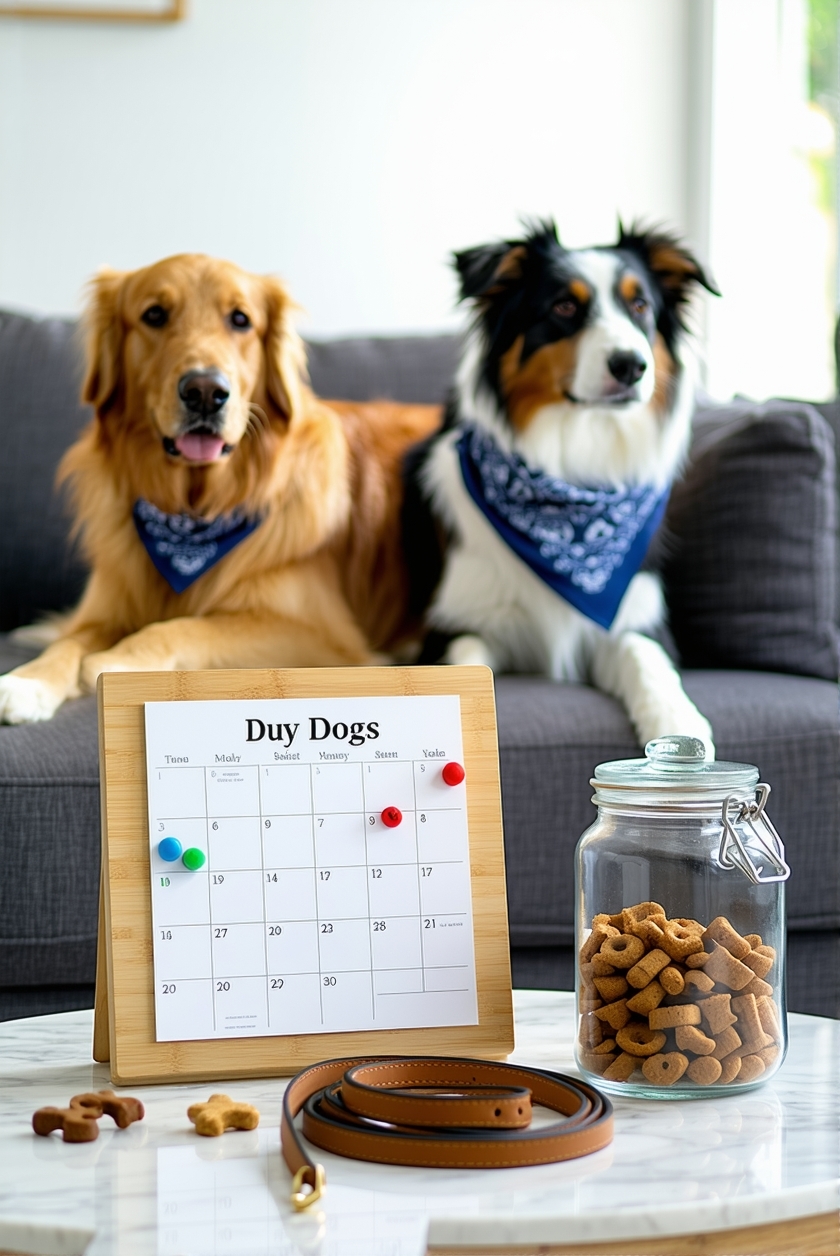
A successful dog-sitting swap depends heavily on establishing clear, balanced schedules that work for all parties involved.
Start by mapping out your availability and coordinating with fellow sitters to create a consistent rotation that guarantees reliable adult dog care. You'll want to define specific time blocks for each person's responsibilities, ensuring the exchange remains equitable.
Set up a detailed task checklist that outlines essential duties like feeding schedules, exercise requirements, and any special needs your dogs may have.
It's wise to implement a trial period of two to four weeks to test the effectiveness of your arrangement. During this time, maintain open communication with your swap partner to address any concerns promptly.
Essential Guidelines for Successful Swaps
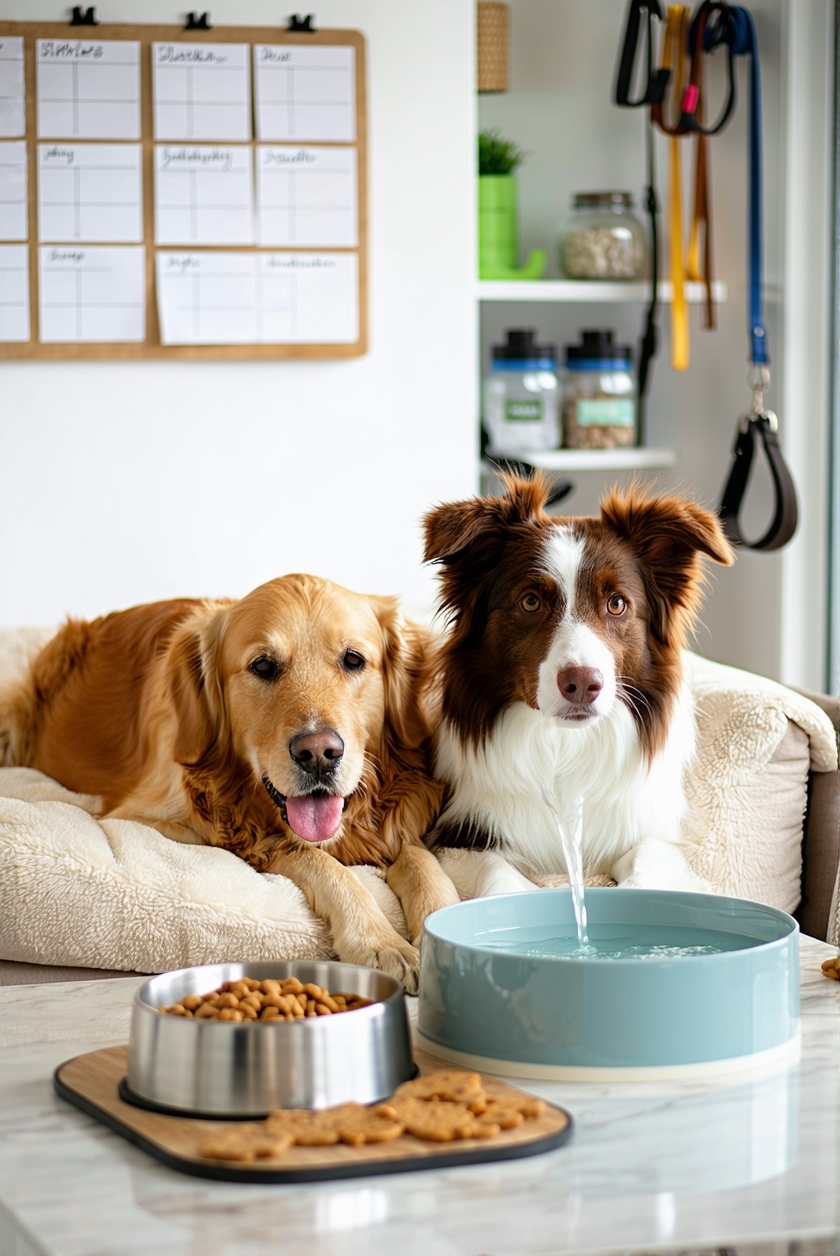
To ensure your dog-sitting swap runs smoothly, it's essential to establish clear guidelines and expectations from the outset, maximising success for everyone involved.
Putting your agreement in writing creates a solid foundation for your pet sitting arrangement, ensuring both parties fully understand their responsibilities.
Be transparent about your comfort levels with specific breeds and any special care requirements. It's important to outline feeding schedules, exercise needs, and medication routines in detail.
Regular communication during the swap period keeps everyone informed and builds trust between partners. Share updates about your furry friend's behaviour and any concerns that may arise.
Additionally, remember to include emergency contact information and detailed care instructions for each pet, creating a safety net that will provide both you and your swap partner with peace of mind.
Managing Multiple Pet Personalities
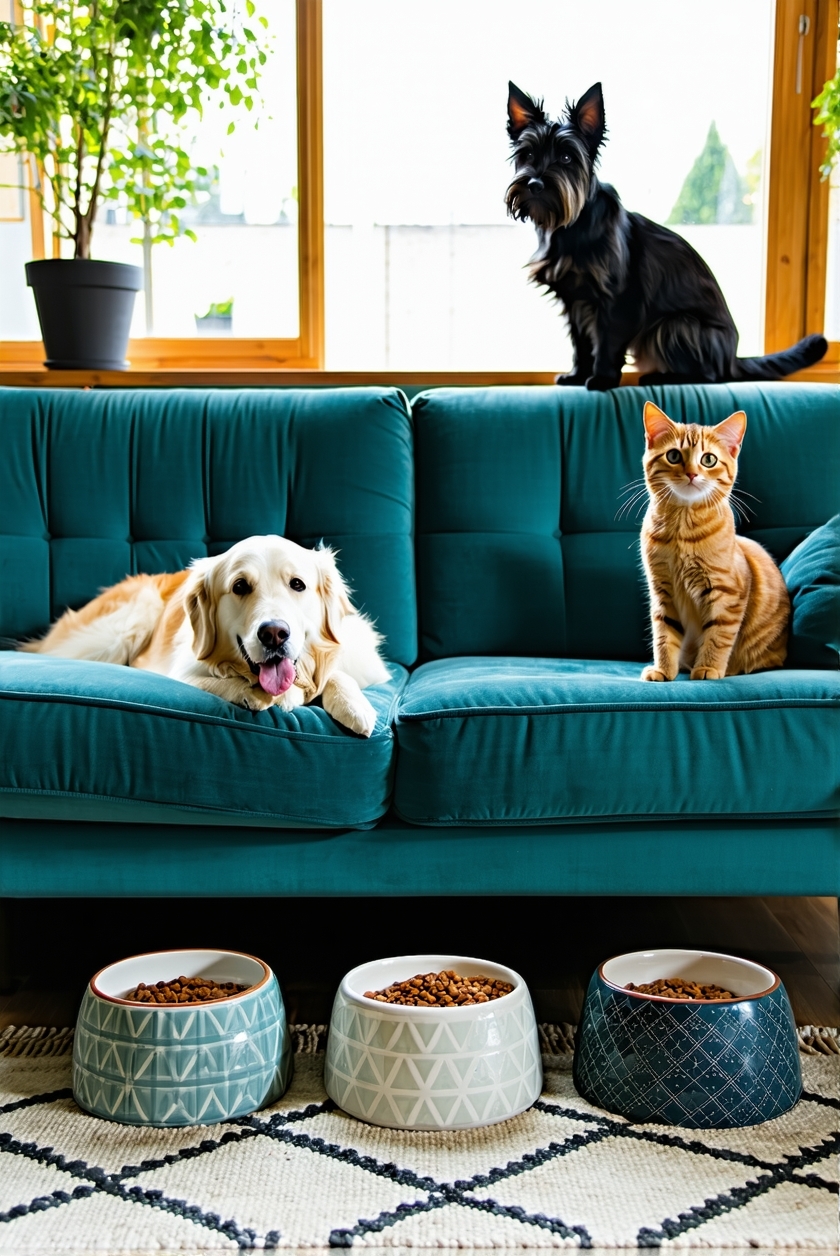
When dog-sitting swaps involve multiple pets, success hinges on understanding and managing different canine personalities. You'll create a more harmonious pet-sitting experience by recognising each dog's unique temperament and adjusting your dog care approach accordingly.
Start by observing each pet's body language and vocalisations to anticipate potential conflicts. You'll want to introduce dogs gradually in neutral territory, allowing them to establish comfortable boundaries.
Create a structured daily routine that includes individual attention periods, ensuring each dog receives quality one-on-one time. Managing multiple pet personalities becomes easier when you establish consistent feeding schedules and separate play sessions.
Emergency Protocols for Sitting Arrangements
Establishing thorough emergency protocols stands as the cornerstone of responsible dog-sitting arrangements. You'll want to create a detailed emergency care plan that covers every potential scenario, ensuring your furry friend's safety when they're in someone else's care.
Start by sharing your dog's complete medical history with your sitting partner, including allergies, medications, and specific health concerns.
You'll also need to provide clear contact information for local veterinarians and emergency clinics. Work together to determine insurance coverage responsibilities before any sitting arrangement begins.
Create a straightforward checklist of emergency actions that your sitting partner can quickly reference. Include details like who to contact first and how to handle immediate medical needs.
Keep communication channels open and establish backup contacts for urgent situations.
Tracking and Balancing Exchange Hours
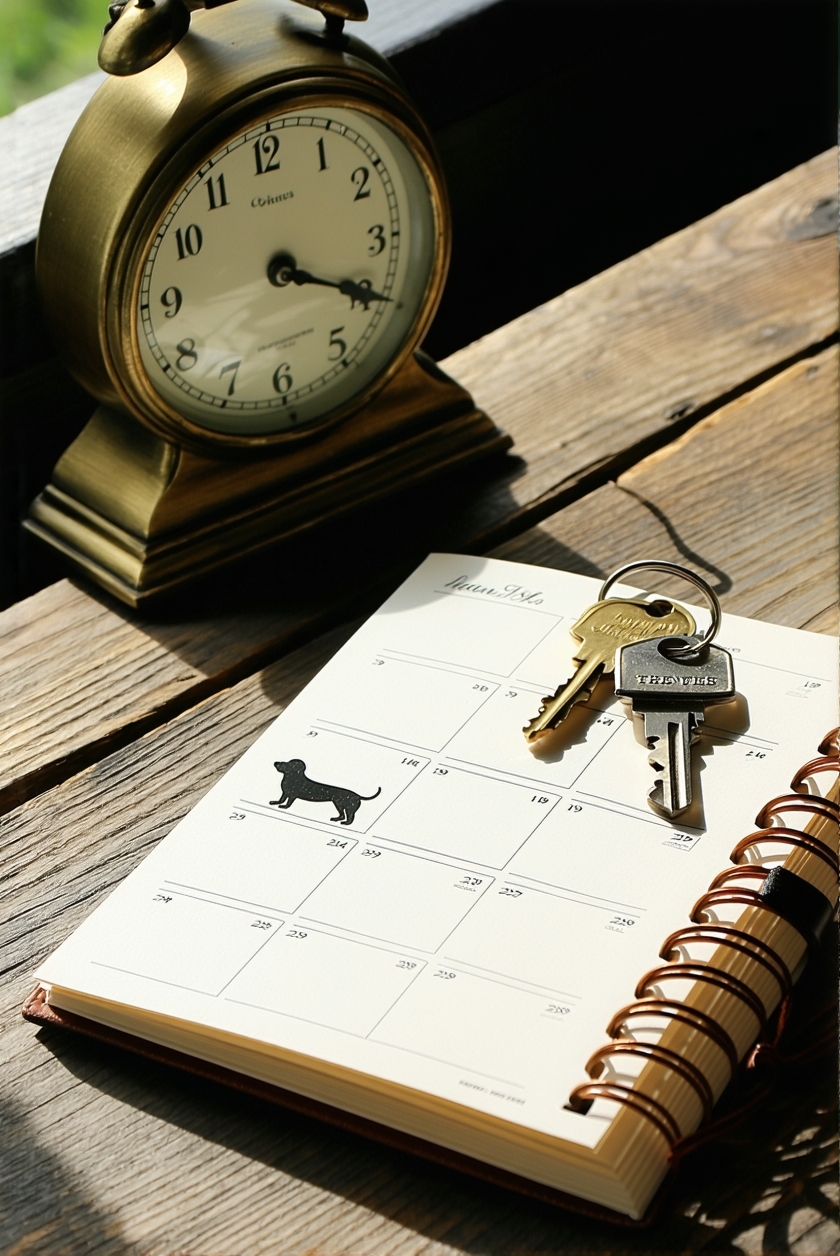
Maintaining accurate records of your dog-sitting exchanges forms the foundation of a successful sitting partnership. Use a shared spreadsheet or dedicated app to track dates, times, and special services, ensuring both you and your partner stay informed about exchanged services.
Set a clear hourly rate, such as £1.88/hr, to establish a fair value system for your dog sitting arrangement. Make it a habit to log each session immediately to prevent any confusion later.
It's advisable to cap the number of hours that can be banked to keep exchanges flowing smoothly.
Schedule monthly check-ins with your partner to review the tracking log and address any discrepancies. This regular communication helps maintain balance and strengthens your pet care relationship, ensuring both parties feel valued and respected in the arrangement.
Frequently asked questions
How Much to Charge for Dog Sitting for 2 Weeks in the UK Per?
You'll want to charge between £350 and £700 for two weeks of dog sitting in the UK, with your exact rate depending on your location and the services you provide.
If you're based in London or other major cities, you can confidently ask for the higher end of that range.
You can increase your earnings by offering additional services such as grooming or training.
Additionally, consider providing a 10-15% discount for longer bookings; this can help secure more repeat clients.
What Is the Going Rate for House Sitting With Pets in the UK?
Just like a warm cup of tea brings comfort to your home, reliable house sitting with pets provides peace of mind.
You'll typically find rates ranging from £25 to £50 per night in the UK, with £45 being the sweet spot most sitters charge.
If you're looking after multiple pets or taking on extra duties like dog walking, you can expect to pay more.
Do I Need a Licence for Dog Sitting in the UK?
You don't need a specific licence for casual dog sitting in the UK.
However, if you're planning to run it as a business, particularly offering overnight boarding services, you'll need to comply with the Animal Welfare (Licensing of Activities Involving Animals) (England) Regulations 2018 and may require a licence from your local council.
It's best to check with your local authority and obtain public liability insurance to protect yourself.
You'll also need to maintain high standards of animal care.
How Does Overnight Pet Sitting Work?
Like having a sleepover with a furry best friend, overnight pet sitting brings comfort to both pets and their owners.
You'll stay at the client's home for up to 24 hours, typically arriving between 6-8 PM and leaving the next day.
During your stay, you'll provide essential care including feeding, walking, and companionship.
You'll charge a flat rate (usually £30-£50 per night), and you might earn extra for additional pets or special services.
To summarise
Pet care swapping networks can save you up to £5,000 annually in dog-sitting costs while providing your furry friend with consistent, familiar care. Research shows that dogs experience 75% less anxiety when staying with known sitters compared to commercial kennels. You will find that building a reliable exchange network isn't just cost-effective; it fosters lasting community bonds and ensures your pet's wellbeing through trusted, reciprocal relationships.