Train your city dog to thrive in apartment living by establishing consistent indoor routines with short, focused sessions. You'll want to master quiet commands, designate specific potty areas, and build urban socialisation skills through gradual exposure. Keep your pup mentally stimulated with puzzle toys and mini obstacle courses, and maintain energy balance through structured indoor play. Focus on positive reinforcement and lift etiquette, and you'll discover a wealth of strategies to create your perfect apartment companion.
Some key takeaways
- Keep training sessions brief (5-10 minutes) to maintain focus and prevent boredom in limited apartment spaces.
- Create designated potty areas near your flat and establish consistent bathroom schedules to avoid accidents.
- Use puzzle toys and mini obstacle courses to provide mental stimulation and manage energy levels indoors.
- Practice quiet commands and bark control to maintain good relationships with neighbours in close living quarters.
- Gradually expose your dog to urban environments while rewarding calm behaviour around traffic, crowds, and other city stimuli.
Creating a Structured Indoor Training Routine
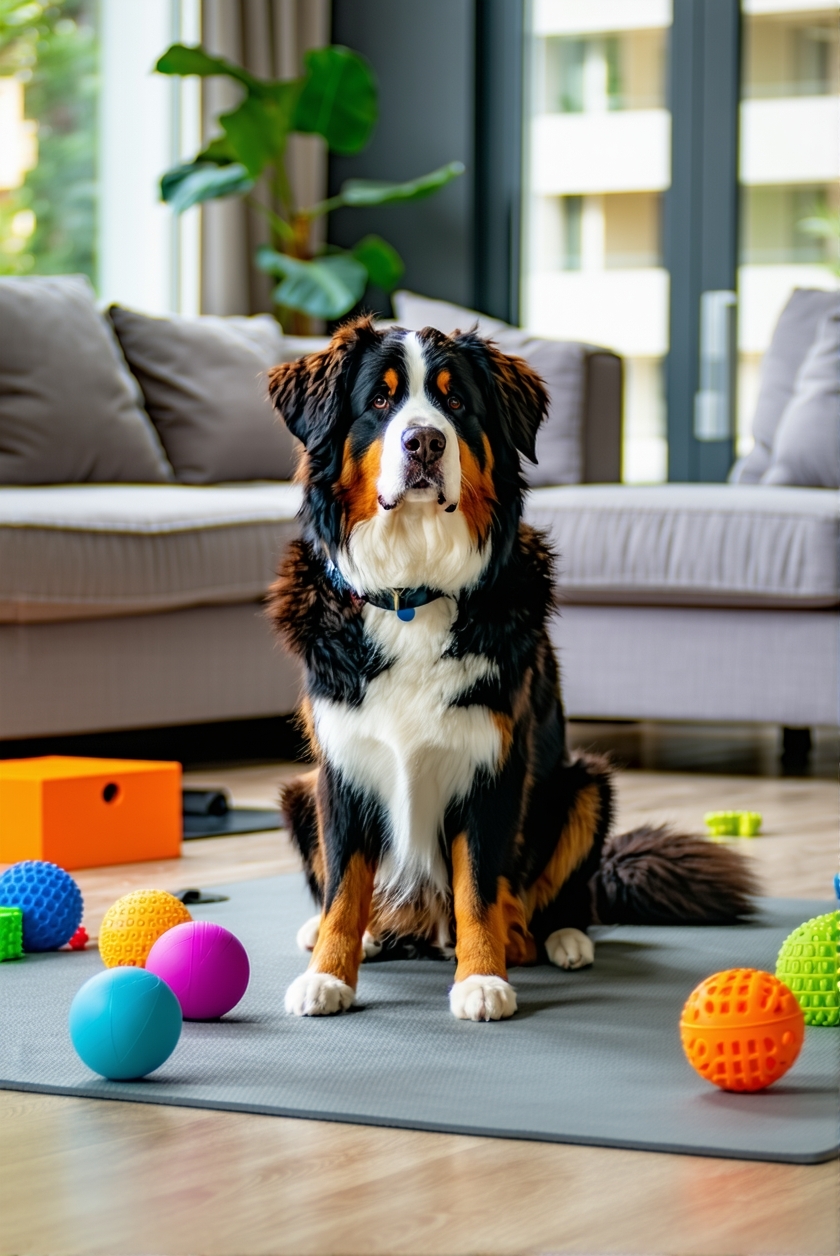
When living in a flat, establishing a structured indoor training routine creates a foundation for your dog's success. By setting up consistent training sessions at the same time each day, you'll help your furry friend channel their energy productively while strengthening your bond.
Keep your training sessions short and sweet, around 5-10 minutes, to maintain your dog's focus in your limited space. Mix up your training activities by incorporating different exercises such as basic commands, fun tricks, and impulse control activities. This variety helps prevent boredom and keeps your pup mentally stimulated.
Remember to use positive reinforcement through treats and praise to make each session rewarding and enjoyable. As you progress together, don't hesitate to adjust your structured routine based on your dog's responses and development, ensuring continued growth in your shared learning journey.
Mastering Quiet Commands and Bark Control
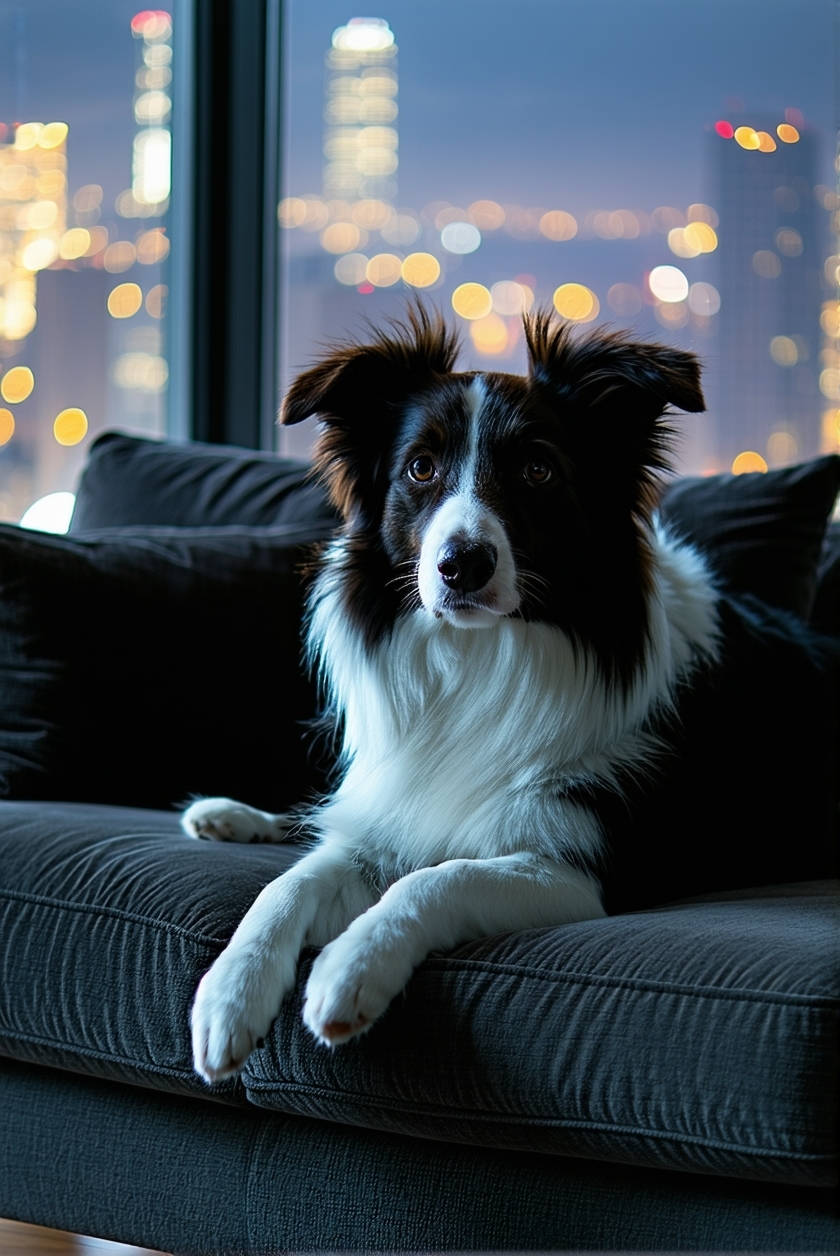
Living in a flat complex requires teaching your dog to manage their barking effectively. By establishing consistent quiet commands and using positive reinforcement, you'll help your furry friend adapt to city living.
When your dog stops barking on command, reward them immediately with treats and praise to reinforce this desired behaviour.
Here's how to master bark control in your flat:
- Start with short training sessions using your chosen quiet command
- Reward silence consistently, even when unprompted
- Practice during exposure to common urban noises
- Gradually increase environmental challenges
- Combine quiet commands with "settle" and "leave it" cues
Remember to keep structured training sessions positive and engaging.
As you work with your dog, they'll learn that staying quiet brings rewards, making flat living more enjoyable for everyone. Always celebrate their progress, no matter how small.
Establishing Designated Potty Areas
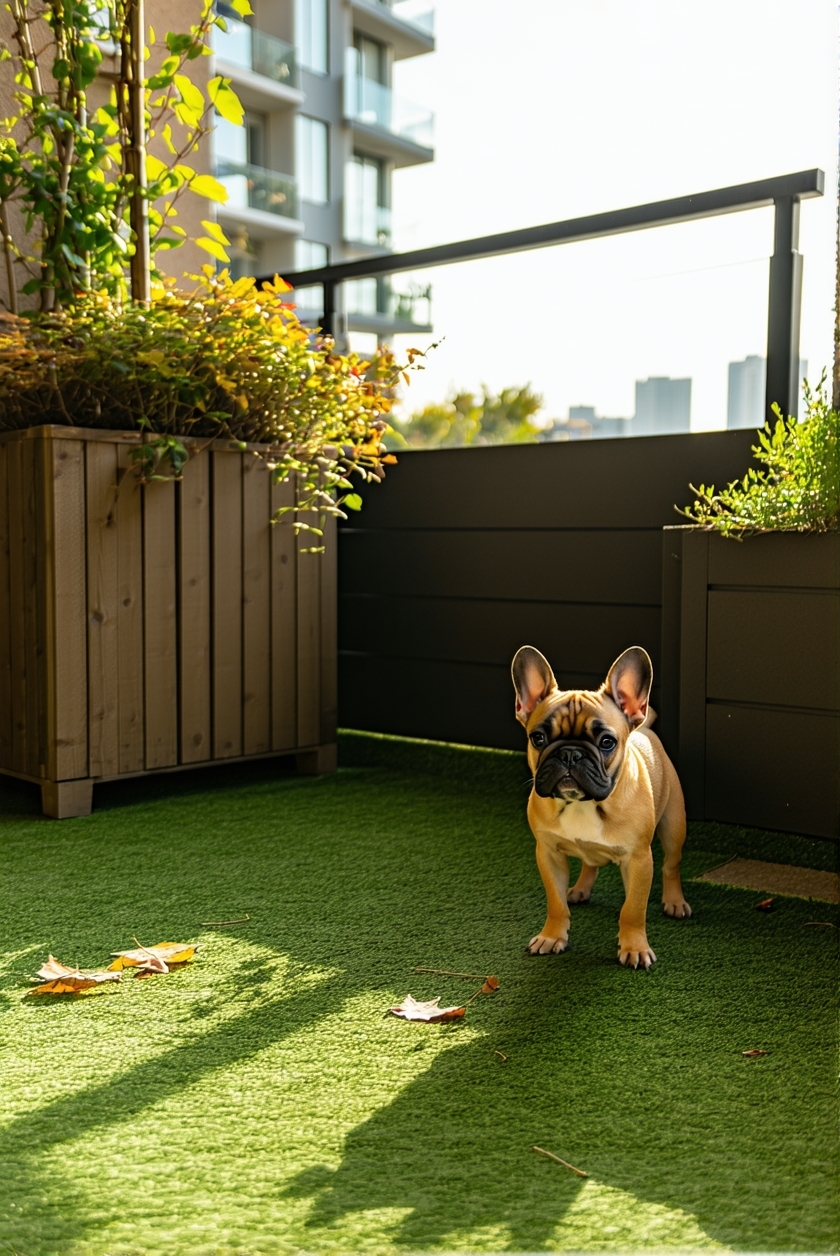
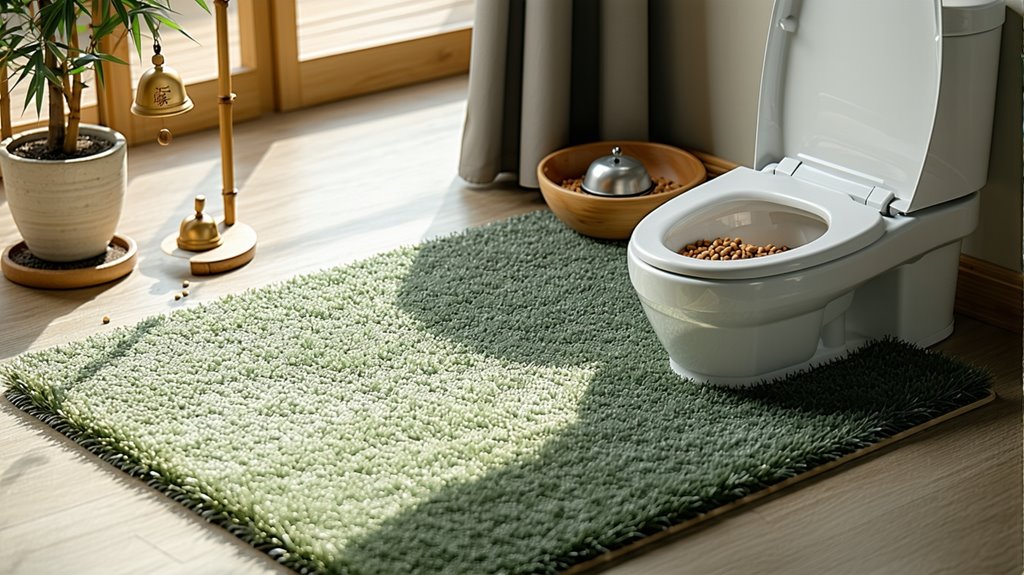
Successfully house-training your dog in an urban environment begins with establishing a clear, designated potty area near your flat. Choose a spot that's easily accessible and create a consistent routine by taking your dog there every 4-6 hours throughout the day.
When your pup uses their designated potty area correctly, reward them immediately with treats and enthusiastic praise. This positive reinforcement helps them understand that they've made the right choice.
You'll also want to teach your dog consistent cues to communicate their needs, whether it's sitting by the door or ringing a bell.
Remember to maintain a clean environment by promptly removing waste from the potty area. This not only keeps your neighbours happy but also encourages your dog to continue using their designated spot, making your potty routine more reliable and stress-free.
Building Urban Socialization Skills
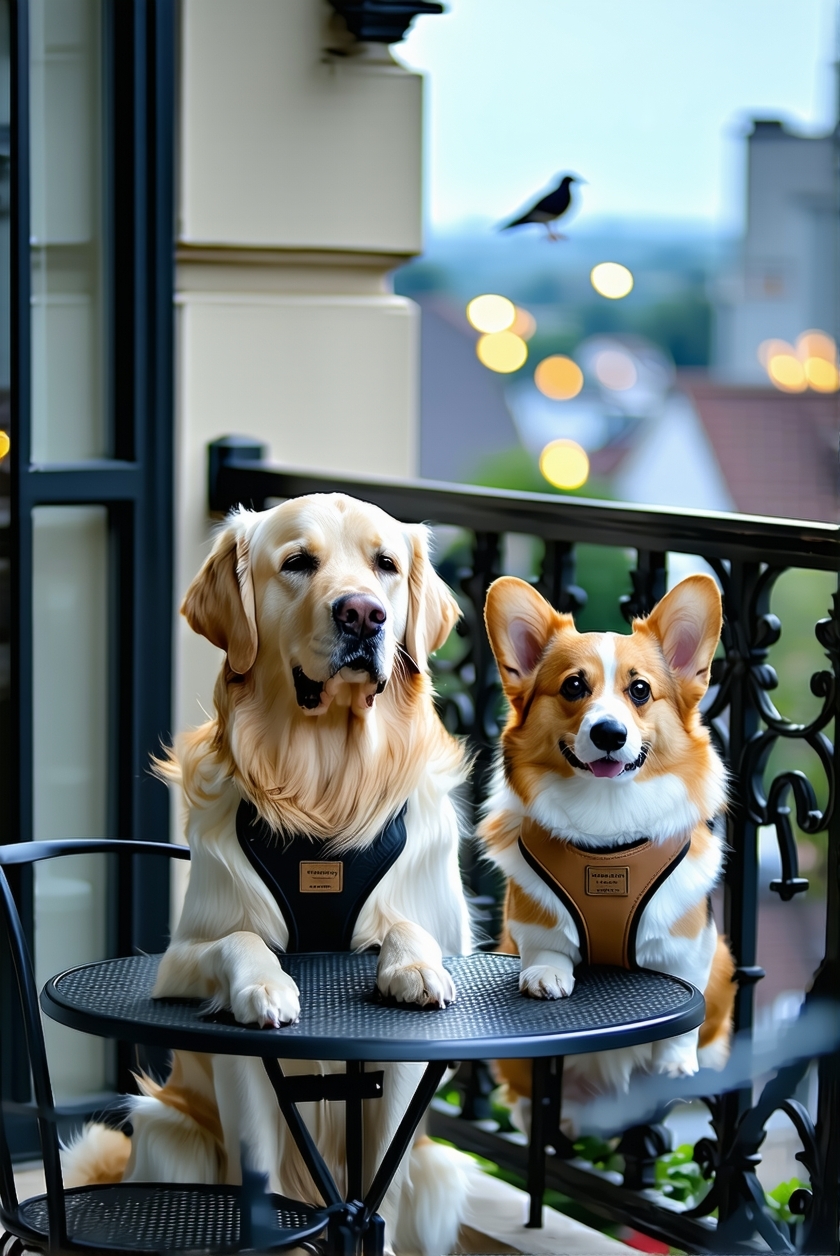
Three essential factors make urban socialisation a cornerstone of apartment dog training: exposure, consistency, and positive reinforcement.
You'll want to introduce your pup to city life gradually, using reward-based methods to build confidence and reduce anxiety.
Start with structured training classes where your dog can safely interact with others.
Then, expand their urban experiences with these key activities:
- Join supervised playgroups with different dog breeds
- Practice calm behaviour around traffic and crowds
- Visit pet-friendly shops and cafés
- Arrange meet-ups with children and families
- Explore various neighbourhood environments
Remember to reward your dog's calm responses to urban stimuli.
Whether it's passing lorries or meeting neighbours in the lift, positive associations will help your pup become a confident city dweller.
Consistency in these socialisation efforts creates a well-adjusted apartment companion.
Managing Energy in Limited Spaces
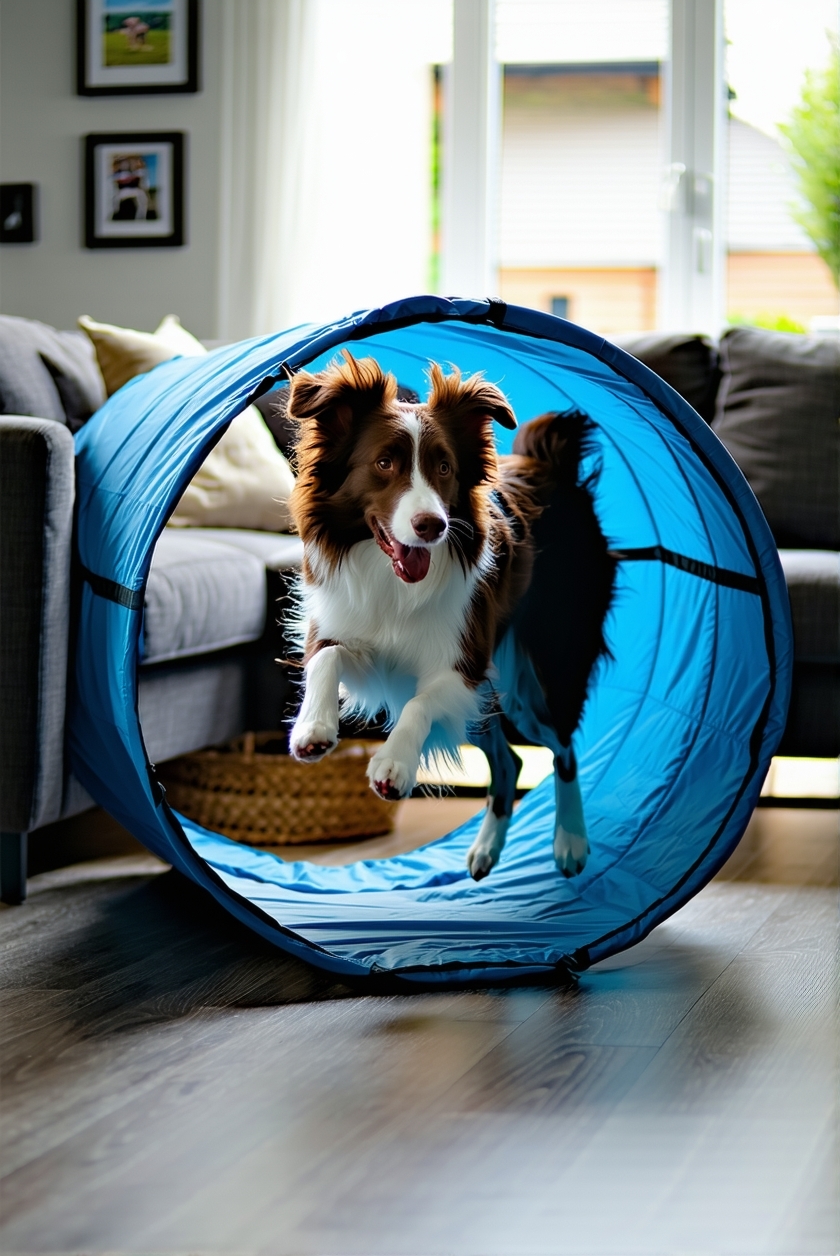
When space is limited in apartment living, creative energy management becomes essential for your dog's wellbeing. You'll find that incorporating short, frequent indoor play sessions throughout the day helps prevent pent-up energy from becoming problematic behaviour.
Set up engaging activities using puzzle toys and mini obstacle courses with your furniture to keep your pup mentally and physically stimulated.
Basic obedience training sessions serve double duty – they strengthen your bond while tiring out your dog through mental exercise.
Try combining commands with indoor games like fetch or tug-of-war to maximise the benefits of limited space.
Remember to complement these indoor activities with structured outdoor walks, aiming for at least 30 minutes daily.
This balanced approach guarantees your apartment dog stays happy, healthy, and well-behaved despite space constraints.
Teaching Elevator and Hallway Etiquette
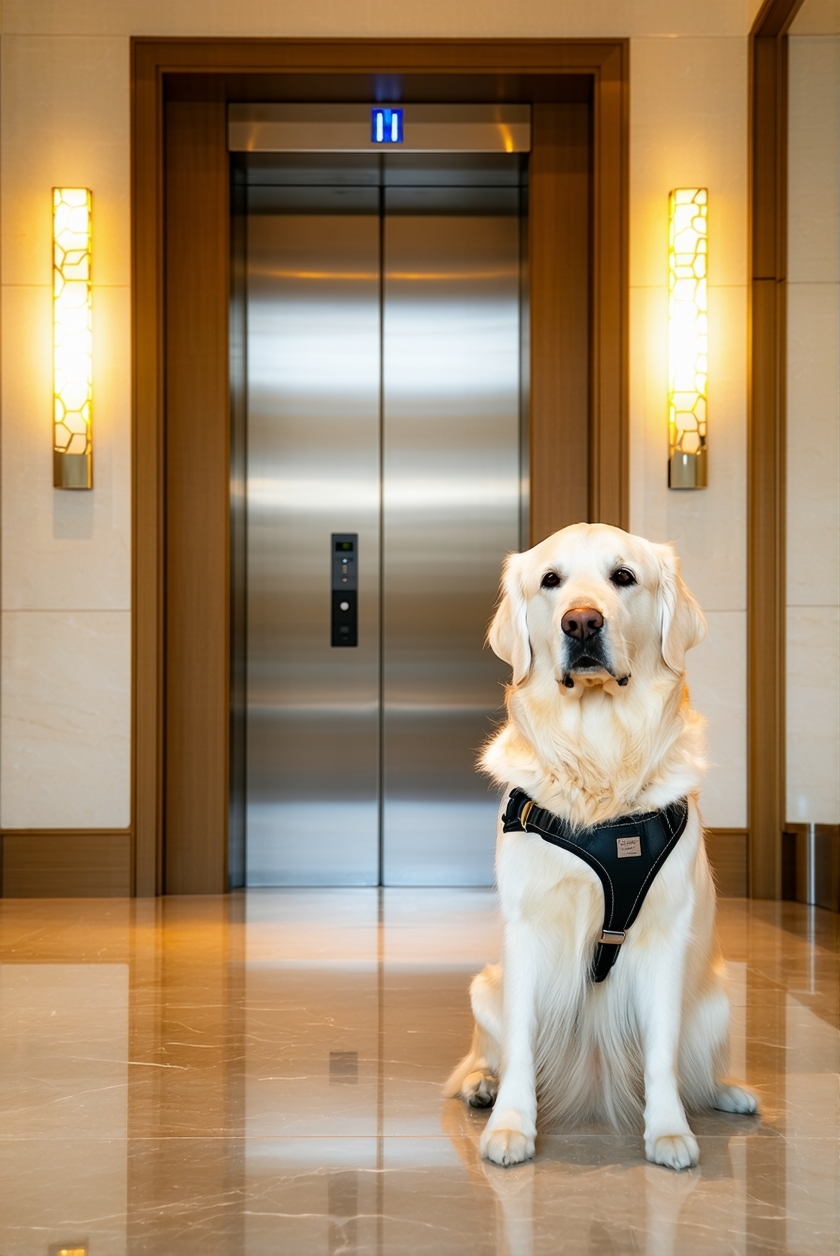
Living in a flat means your dog needs to master proper elevator and hallway behaviour for harmonious coexistence with neighbours.
Start your dog training journey by introducing them gradually to these new environments using positive reinforcement to build confidence and trust.
Key steps for teaching elevator etiquette and hallway manners:
- Reward calm behaviour with treats and praise whenever your dog shows composure.
- Practice the "quiet command" to minimise barking in confined spaces.
- Train your dog to sit and stay while waiting for the elevator.
- Work on controlled entries and exits, allowing your dog to move only on your signal.
- Keep training sessions short and positive to maintain enthusiasm.
Developing Leash Manners for City Streets
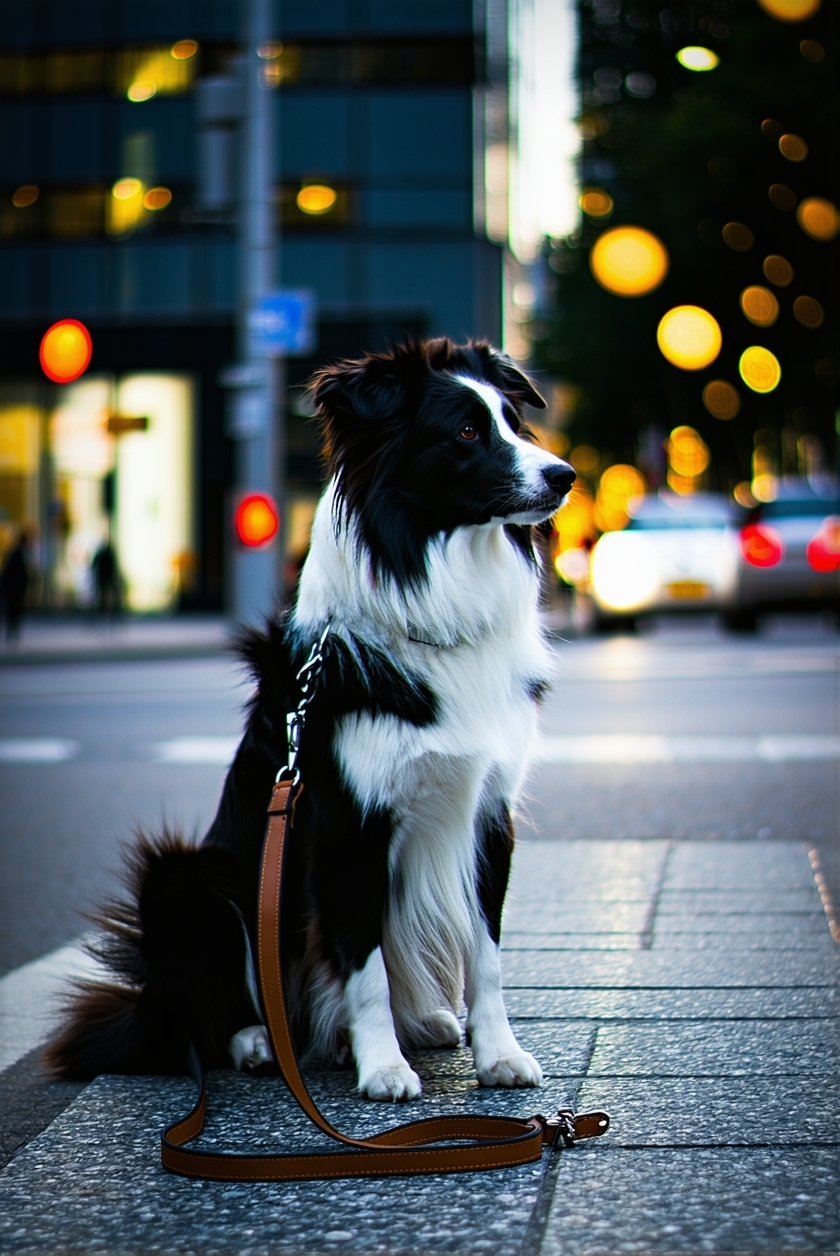
Teaching proper leash manners is essential for city dogs to navigate bustling urban environments safely and confidently. To train your dog for urban living, start by practising loose leash walking in quieter areas before gradually introducing them to busier streets. Use positive reinforcement with high-value treats when they walk calmly beside you, strengthening their good behaviour.
Make the most of your outdoor space by incorporating structured training sessions that expose your pup to common city distractions like cyclists, pedestrians, and other dogs. Practise commands such as "heel" and "sit" during walks to maintain their focus.
Remember that consistent practice and patience are key to developing reliable leash manners. Your dog will learn to stay attentive and well-behaved, making your city walks together an enjoyable experience for both of you.
Frequently asked questions
How to Train a City Dog?
You'll want to start socialising your pup early by exploring city life together – let them experience different sounds, sights, and friendly faces.
Focus on positive reinforcement during lead training, rewarding calm behaviour when you encounter traffic or other dogs.
Don't forget to establish a consistent potty routine in a designated spot.
Keep your dog's mind active with puzzle toys and fun training sessions to build confidence and prevent boredom.
Can You Train a Dog in an Apartment?
Living in a cosy flat doesn't mean you can't create a well-trained, happy pup!
You'll find that apartment training is absolutely possible with the right approach. Start by establishing a dedicated training corner where you can practise basic commands.
You're going to love how creative you'll become with indoor games and puzzles that keep your dog mentally stimulated.
Can a Dog Be Left Alone for 8 Hours?
While you can leave adult dogs alone for 8 hours, it's not ideal for their emotional well-being.
It's advisable to start with shorter periods and gradually build up their tolerance for being alone. If you need to be away for extended periods, consider hiring a dog walker or using doggy daycare services.
You can help your pup cope by providing engaging toys, exercising them beforehand, and creating a comfortable space for them.
How to Help a Dog Adjust to Apartment Life?
Just like you felt when moving to a new home, your dog needs time to feel comfortable in their apartment space.
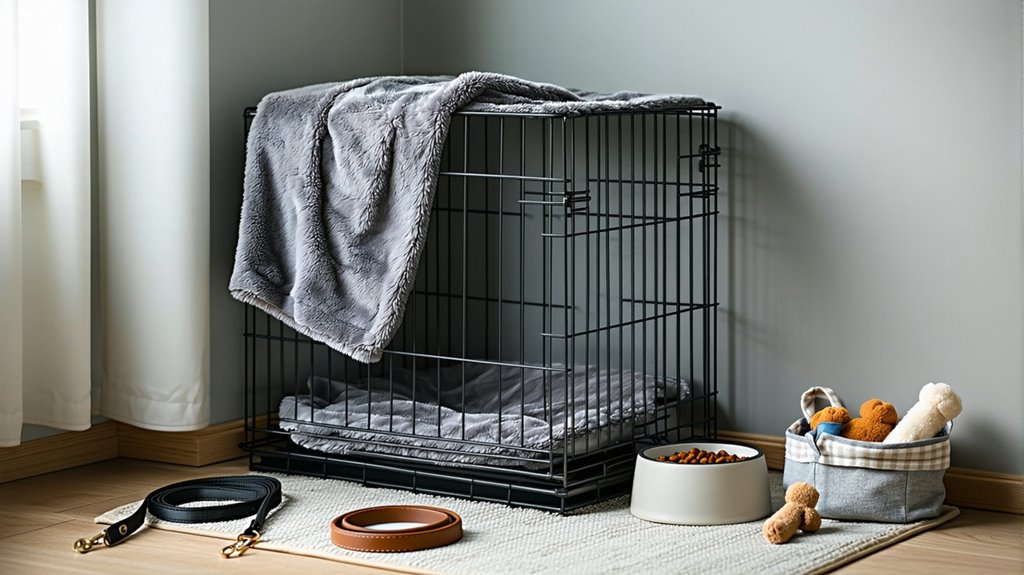
Start by creating a cosy corner with their favourite bed and toys, making it their special retreat.
You'll want to establish a consistent routine for walks and potty breaks, and gradually expose them to new apartment sounds.
Don't forget to reward calm behaviour and provide plenty of mental enrichment through puzzle toys and training games.
To summarise
Training your city pup is akin to conducting a symphony in a compact space – every note holds significance. You'll discover that these seven strategies intertwine to cultivate a well-mannered urban companion who glides effortlessly through city life. As you implement these apartment-friendly techniques, you're establishing a foundation as sturdy as a skyscraper, aiding your dog in navigating the concrete jungle with confidence and elegance.